Category Archives: Food Microbiology Research

Argentina – Botulism case prompts warning in Argentina

Food Safety News

kswfoodworld

Argentinian officials have warned people not to consume a specific product line due to the risk of botulism.

The National Administration of Drugs, Foods and Medical Devices (ANMAT) said a suspected case of botulism has been associated with a product of the A Pleno brand, produced in Villa de las Rosas.

No official details were given about the sick person but local station Radio Verdad was told the patient was 47-years old and remained in the hospital in a serious condition after eating an expired A Pleno product.

The General Directorate of Control of the Food Industry in Córdoba and agencies in the areas of Villa de las Rosas and Villa Dolores are involved in the investigation.

ANMAT advised people not to eat any A Pleno branded products, which include peanut butter and cheese spread alternatives, and told traders to stop selling them.

Another outbreak in Argentina in Misiones earlier this year affected up to 18 people with two deaths. It was linked to homemade sausages made from wild animal meat that were shared in the community.

Research – Thermal inactivation of Salmonella enterica and nonpathogenic bacterial surrogates in wheat flour by baking in a household oven 

Journal of Food Protection

Wheat flour has been implicated in recalls and outbreaks linked to Salmonella and pathogenic Escherichia coli. An instructional online video posted on a popular YouTube channel with over 20 million subscribers claimed that safe raw cookie dough could be made from flour baked in a household oven at 177°C (350°F) for 5 min but no evidence in support of that claim was provided. This study was conducted to assess thermal inactivation of two Salmonella strains, as well as Enterobacter aerogenes and Pantoea dispersa in wheat flour during home oven style baking. Wheat flour was inoculated with Salmonella Enteritidis PT 30, Salmonella Typhimurium PT 42 or their potential surrogates at high concentrations (4.8-6.1 log CFU/g) before baking in consumer-style convection oven (toaster oven) at 149, 177, and 204°C (300, 350, or 400°F) for up to 7 min. Flour was heated in aluminum tray with a maximum depth of ~2 cm. Heated wheat flour samples (5 g each) were enumerated in triplicate, and microbial concentration was expressed in log CFU/g. Thermal profiles of the geometric center of the wheat flour pile and air in the oven during the baking were recorded. Water activity of wheat flour samples was also measured before and after baking. Water activity of wheat flour decreased as baking temperature and time increased. Water activity values ranged from 0.30 to 0.06 after 7 min as oven temperature increased from 149 to 204°C. Thermal inactivation kinetics were linear until counts approached the limit of detection for all microorganisms. D-values for Salmonella and potential surrogate strains ranged from 1.86 to 2.13 min at 149°C air temperature, 1.66 to 1.92 min at 177°C air temperature, and 1.12 to 1.38 min at 204°C air temperature. Both Salmonella strains and surrogates showed similar inactivation patterns. Baking of wheat flour in household toaster ovens has potential as an inactivation treatment of pathogenic bacteria in consumer homes, despite its low water activity.

Research – Terpenes Combinations Inhibit Biofilm Formation in Staphyloccocus aureus by Interfering with Initial Adhesion

MDPI

Staph

The biofilm is a conglomerate of cells surrounded by an extracellular matrix, which contributes to the persistence of infections. The difficulty in removing the biofilm drives the research for new therapeutic options. In this work, the effect of terpenes (−)-trans-Caryophyllene, (S)-cis-Verbenol, (S)-(−)-Limonene, (R)-(+)-Limonene, and Linalool was evaluated, individually and in combinations on bacterial growth, by assay with resazurin; the formation of biofilm, by assay with violet crystal; and the expression of associated genes, by real-time PCR, in two clinical isolates of Staphyloccocus aureus, ST30-t019 and ST5-t311, responsible for more than 90% of pediatric infections by this pathogen in Paraguay. All combinations of terpenes can inhibit biofilm formation in more than 50% without affecting bacterial growth. The most effective combination was (−)-trans-Caryophyllene and Linalool at a 500 μg/mL concentration for each, with an inhibition percentage of 88%. This combination decreased the expression levels of the sdrD, spa, agr, and hld genes associated with the initial cell adhesion stage and quorum sensing. At the same time, it increased the expression levels of the cap5B and cap5C genes related to the production of capsular polysaccharides. The combinations of compounds tested are promising alternatives to inhibit biofilm formation in S. aureus. View Full-Text

Research – Prevalence, genomic characterization, and risk assessment of human pathogenic Vibrio species in seafood

Journal of Food Protection

Pathogenic Vibrio spp. are largely responsible for human diseases caused through consumption of contaminated seafood. The aim of this study was to determine the prevalence, population densities, species diversity and molecular characteristics of pathogenic Vibrio in various seafood commodities and its associated health risks. Samples of finfish and shellfish (oysters and sea urchins) were collected from different regions and analyzed for Vibrio using the Most Probable Number (MPN) technique. Genomic DNA of putative Vibrio isolates was analyzed by whole genome sequencing (WGS) for taxonomic identification and identification of genes responsible for virulence and antimicrobial resistance. The risk of vibrio-related illnesses due to the consumption of contaminated seafood was assessed using Risk Ranger. Population densities of presumptive Vibrio fell in the range of 2.6 – 4.4 Log MPN/g and correlated with seasonality, with the summer season favoring significantly (p < 0.05) higher Vibrio counts. A total of 15 Vibrio isolates were identified as V. alginolyticus (5), V . parahaemolyticus (6), V. harveyi (2) or V. diabolicus (2). Two of the six V. parahaemolyticus isolates (ST 2504 and ST 2505) originating from oysters were found to be either tdh + or trh + and thus considered a human pathogen due to elaboration of Thermostable Direct Hemolysin (TDH) or TDH-related hemolysin (TRH). In addition to virulence genes, the shellfish isolates also harbored genes encoding resistance to multiple antibiotics including tetracycline, penicillin, quinolone and beta-lactam antibiotics, thus arousing concern. The risk assessment exercise pointed to an estimated 21 annual cases of V. parahaemolyticus -associated gastroenteritis in the general population attributed to consumption of contaminated oysters. This study highlights not only the wide prevalence and diversity of Vibrio in seafood, but also the potential of certain strains to threaten public health.

Research – Listeria monocytogenes Pathogenesis: The Role of Stress Adaptation

MDPI

Adaptive stress tolerance responses are the driving force behind the survival ability of Listeria monocytogenes in different environmental niches, within foods, and ultimately, the ability to cause human infections. Although the bacterial stress adaptive responses are primarily a necessity for survival in foods and the environment, some aspects of the stress responses are linked to bacterial pathogenesis. Food stress-induced adaptive tolerance responses to acid and osmotic stresses can protect the pathogen against similar stresses in the gastrointestinal tract (GIT) and, thus, directly aid its virulence potential. Moreover, once in the GIT, the reprogramming of gene expression from the stress survival-related genes to virulence-related genes allows L. monocytogenes to switch from an avirulent to a virulent state. This transition is controlled by two overlapping and interlinked transcriptional networks for general stress response (regulated by Sigma factor B, (SigB)) and virulence (regulated by the positive regulatory factor A (PrfA)). This review explores the current knowledge on the molecular basis of the connection between stress tolerance responses and the pathogenesis of L. monocytogenes. The review gives a detailed background on the currently known mechanisms of pathogenesis and stress adaptation. Furthermore, the paper looks at the current literature and theories on the overlaps and connections between the regulatory networks for SigB and PrfA.

Research – Chinese Foodborne Botulism Outbreaks Have High Mortality Rate; Tofu, Beef Common Causes

Food Safety Magazine

study published in China CDC Weekly provides insight into foodborne botulism outbreaks in China. Researchers conducted an epidemiological analysis for the years of 2004–2020, which revealed a high mortality rate for cases of foodborne botulism and informed recommendations for reducing such outbreaks in China.

In the epidemiological analysis, data was collected from 22 of 31 Chinese provincial-level administrative divisions (PLADs) of the National Foodborne Disease Outbreaks Surveillance system, as well as the China National Knowledge Infrastructure, Wanfang Data, and Chinese Science and Technique Journals. The number and proportion of foodborne botulism outbreaks, illnesses, and deaths by PLAD; food types associated with outbreaks; and contributing factors were observed.

In total, 80 foodborne botulism outbreaks occurred in China during 2004−2020, with 386 illnesses and 55 deaths; initial misdiagnosis occurred in 27.5 percent of botulism cases. Most outbreaks were reported between June and August, aside from a spike in cases in January. Of the 22 PLADs that reported foodborne botulism outbreaks, Xinjiang reported the largest number of outbreaks (20), followed by Qinghai (13). Home-cooked, traditionally processed stinky tofu and dried beef were the most common vehicles for Clostridium botulinum, linked to 51.25 percent of botulism cases. Improper processing and storage practices contributed to 77.5 percent of foodborne botulism outbreaks.

Based on the study’s findings, the researchers suggest the implementation of botulism prevention and food safety education for farmers and herders in Xinjiang and Qinghai. The researchers also stress the urgency of improving Chinese foodborne illness outbreak investigation.

Research – Peroxyacetic Acid Effectiveness against Salmonella on Raw Poultry Parts is not Affected by Organic Matter

Journal of Food Protection

Organic matter (OM) accumulation is common in chill tanks used to decontaminate raw poultry parts during processing. Organic matter negatively affects the antimicrobial activity of chlorine-based compounds, but its effect on the antimicrobial effectiveness of peroxyacetic acid (PAA) on poultry meat has not been described. Therefore, this study evaluated the effect of OM on the efficacy of PAA solutions in simulated post-chill tanks to reduce Salmonella artificially inoculated onto chicken parts. Chicken thighs were inoculated with a five-strain cocktail of poultry-borne Salmonella enterica serovars at ca. 6 log10CFU/ml. Then, the thighs were immersed for 30 or 45 s in PAA solutions (500 or 1,000 ppm) with chicken slurry to simulate OM accumulation (0, 15 or 30 g/L). The thighs were rinsed with neutralizing buffered peptone water (100 ml) and rinsates were plated onto XLD agar. Experiments were performed in triplicate (3 thighs/treatment/replicate). Chemical oxygen demand (COD), total nitrogen (TN), and pH were measured as the water quality parameters of the PAA solutions before and after use. COD ranged from 2,905 mg/L in unused 500-ppm solutions without added OM to 6,290 mg/Lin used 1,000-ppm solutions with 30 g/L of OM. Initial TN was 42.5 ± 2.0 mg/L and 60.9 ± 8.3 mg/L for 15 and 30 g/L OM, which increased by 27 ± 17 mg/L after use. The pH of solutions ranged from 3.16 ± 0.14 to 3.42 ± 0.09 for the 1,000-ppm solutions and from 3.59 ± 0.06 to 3.96 ± 0.06 for the 500-ppm solutions. Mean Salmonella reductions were 0.9 ± 0.1 log10CFU/ml of rinsate for the 500-ppm PAA treatment and 1.1 ± 0.1 log10CFU/ml of rinsate for 1,000-ppm PAA treatment. Exposure time did not have a significant effect on the logarithmic reductions. There was no significant effect of OM concentration (p>0.05) on the reductions, indicating that the antimicrobial efficacy was not affected and that PAA solutions may continue to be reused as long as the PAA concentration is actively monitored.

Research – Investigating and Preventing Foodborne Outbreaks Linked to Raw Milk and Raw Milk Dairy Products

NY Food Safety

Foodborne disease outbreaks and cases linked to raw milk and raw milk dairy products continue to be a concern. Investigations of these outbreaks often represent unique challenges, such as patients who may not be willing to disclose the source of the raw milk or identifying appropriate samples to collect on potential source farms (do you know what “milk socks” are and where to find them?)

To learn more about raw milk and dairy products, how to investigate outbreaks linked to them, and how to help prevent these outbreaks, view the NY CoE webinar on “Investigating and preventing foodborne disease outbreaks linked to raw milk and raw milk dairy products”, presented by Dr. Martin Wiedmann from Cornell University on 6/2/2022. Following the presentation, a panel of individuals who have been involved with investigating raw milk outbreaks participated in a Q&A dialogue. Panelists included subject matter experts from the New York State Department of Health, New York State Department of Agriculture and Markets, Maine Department of Health and Human Services, and Pennsylvania Department of Public Health. The webinar was recorded and can be accessed on the NY CoE YouTube here.

Research – Dynamics of Salmonella enterica and antimicrobial resistance in the Brazilian poultry industry and global impacts on public health

PLOS One

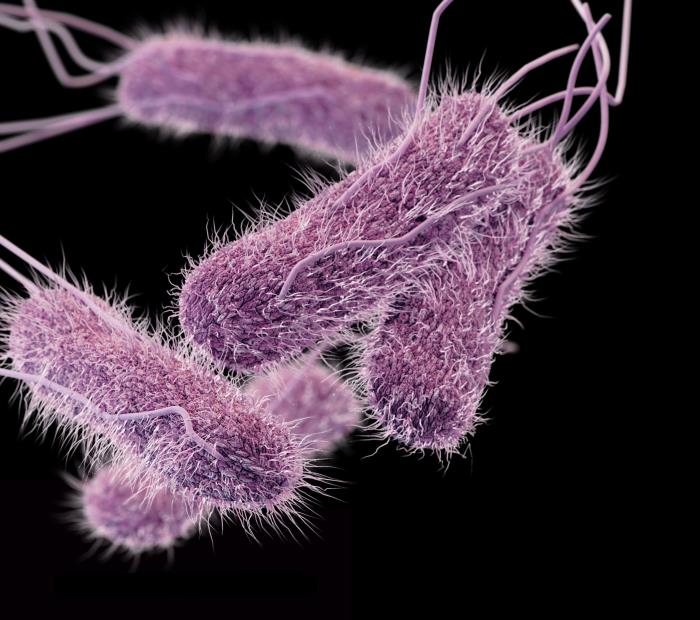
Non-typhoidal Salmonella enterica is a common cause of diarrhoeal disease; in humans, consumption of contaminated poultry meat is believed to be a major source. Here we determine that Senterica serovars Heidelberg and Minnesota were the most prevalent serovars in Brazilian poultry and in poultry products imported from Brazil into the UK. However, long-term surveillance data collected by the UK Health Security Agency showed no increase in the incidence of Salmonella Heidelberg or Salmonella Minnesota in human cases of clinical disease in the UK following the increase of these two serovars in Brazilian poultry. Salmonella Heidelberg and Salmonella Minnesota clades shared resistance to sulphonamides, tetracyclines and beta-lactams conferred by sul2tetA and blaCMY-2 genes, not widely observed in other co-circulating serovars despite similar selection pressures. The sul2 and tetA genes were concomitantly carried on IncC plasmids, whereas blaCMY-2 was either co-located with the sul2 and tetA genes on IncC plasmids or independently on IncI1 plasmids. These findings suggest that introduction of the Salmonella Enteritidis vaccine, in addition to increasing antimicrobial use, could have resulted in replacement of salmonellae in Brazilian poultry flocks with serovars that are more drug resistant, but less associated with disease in humans in the UK.

Research – Dangerous pathogens lurk in wet areas

Science Daily

Hospitals and homes are havens for germs and disease — but a well-regulated hot water system can prevent the spread of waterborne pathogens, including an emerging infectious disease problem from ‘superbugs’ which can be resistant to most antibiotics.

However, Flinders University experts warn that some drinking water treatment methods may be ineffective against some waterborne pathogens that pose a threat to immune-compromised individuals — and point-of-use devices such as taps and showerheads may create havens for these microorganisms to grow.

The elderly, newborns and those with compromised immune systems are especially vulnerable to waterborne infections. Numbers are rising of people with conditions such as advanced age, cancer and immunodeficiency issues who may be more at risk of ‘opportunistic premise plumbing pathogens’ (OPPP) infection.

Regular changes to tap and outlet filters, hot water service maintenance checks (for heat and pressure) and effective cleaning of shower and tap faucets are recommended for immune-compromised patients receiving healthcare at home or post-surgical management.

Healthcare at home has emerged as an alternative to extensive inpatient hospital stays — especially through the COVID-19 pandemic, to reduce the burden on the healthcare system and to support those with potential long term respiratory side effects.

“These measures can help reduce the risk of waterborne infections in home care, along with quality treatments of mains water to provide safe drinking water,” says lead researcher Claire Hayward, from Flinders University’s College of Science and Engineering.

A new study published in the journal Current Opinion in Infectious Diseases, by environmental health experts at Flinders University, found evidence of hospital water as a source of potential infection and even antimicrobial and multidrug resistant organisms.

“Biofilms formed on taps, showers, drains and other outlets provide an ideal niche to harbour these dangerous antibiotic resistant pathogens originating from the supply water or the human microbiota from washing contaminated hands,” says Ms Hayward.

OPPP infections such as Legionella pneumophila, Pseudomonas aeruginosa and Mycobacterium avium are a group of waterborne pathogens that are slowly receiving increased public health attention in infection control guidelines.

“However, drinking water as a source of healthcare-associated infections continues to be overlooked or underestimated in this monitoring,” Ms Hayward says.

The OPPP waterborne pathogens can be disinfectant resistant and persist in refuges with low nutrients, then form biofilms capable of supporting other clinically relevant pathogens such as Staphylococcus aureus, Enterobacteriaceae, Klebsiella pneumoniae and Escherichia coli.  

Once these biofilms are established on plumbing surfaces, there are many ways for contamination and transmission. The design of outlet devices that result in splashing and aerosolising of water can also increase the risk of contaminating nearby areas.

“The rise of these resistant pathogens has been identified by the World Health Organization and US Centers for Disease Control and Prevention as one of the most significant threats to global public health,” says research co-author, Flinders University microbiology expert Professor Melissa Brown.

“While the COVID-19 pandemic has increased the use of disinfectants and sanitisers, particularly in healthcare facilities, these antiseptic soaps do not tackle what’s going on behind the scenes in the water supply pipes and faucets,” she says.

The researchers recommend broad, universal surveillance guidelines to understand the role of drinking water and water-related devices to reduce healthcare associated infections and the rise of possible antimicrobial resistance that poses a threat to at risk individuals in residential and healthcare settings.