Category Archives: Food Microbiology Research

USA – FDA Coe Investigation Table Update

FDA

What’s New

  • An outbreak of E. coli O157:H7 (ref# 1081) in an unidentified product was added to the table and FDA has initiated a traceback investigation. CDC has issued an Investigation Notice.
  • An outbreak of Salmonella Senftenberg (ref# 1087) in an unidentified product was added to the table.
  • An outbreak of Salmonella Typhimurium (ref# 1095) in an unidentified product was added to the table and traceback has been initiated.
  • For the outbreak of Salmonella Braenderup (ref# 1075) in an unidentified product, the outbreak has ended.
  • For the outbreak of Cyclospora in an unidentified product (ref# 1084), the case count has increased from 77 to 98.
  • For the outbreak of hepatitis A illnesses linked to fresh strawberries (ref# 1066), the FDA investigation has closed and the outbreak is over.
Date
Posted
Ref
Pathogen
Product(s)
Linked to
Illnesses

(if any)
Total
Case Count

Status
8/17/

2022

1081 E. coli
O157:H7
Not Yet Identified See CDC Investigation Notice Active
8/17/

2022

1087 Salmonella
Senftenberg
Not Yet Identified 19 Active
8/17/

2022

1095 Salmonella
Typhimurium
Not Yet Identified 44 Active
8/3/

2022

1080 Cyclospora Not Yet Identified 6 Active
7/27/

2022

1084 Cyclospora Not Yet Identified 98 Active
6/29/

2022

1076 Not Yet Identified Frozen Food See Outbreak
Advisory
Active
6/22/

2022

1075 Salmonella
Braenderup
Not Yet Identified 74 Active
6/22/

2022

1072 Salmonella
Paratyphi B var. L(+) tartrate+
Not Identified 14 Closed
6/15/

2022

1070 Listeria
monocytogenes
Not Identified 12 Closed
6/8/

2022

1068 E. coli
O157:H7
Not Identified 10 Closed
6/1/

2022

1066 Hepatitis A Virus Strawberries See Outbreak
Advisory
Closed
5/25/

2022

1067 Salmonella 
Senftenberg
Peanut Butter See Outbreak Advisory Closed
4/20/

2022

1064 Not Yet
Identified
Dry Cereal 558 adverse
event reports
Active
4/13/

2022

1057 Listeria
monocytogenes
Ice Cream See Outbreak Advisory Active
3/30/

2022

1060 None
Identified
Meal Replacement
Drink
6 adverse
event reports
Closed
3/16/

2022

1055 Salmonella
Saintpaul
Not Identified 60 Closed
2/17/

2022

1056 Cronobacter
sakazakii
Powdered
Infant
Formula
See
Advisory
Active (IMG)
2/9/

2022

1040 Listeria
monocytogenes
Not Identified 20 Closed
2/2/

2022

1054 Enteroinvasive
E. coli
O143:H26
Not
Identified
16 Closed
1/10/

2022

1050 E. coli
O121:H19
Romaine 4 Closed

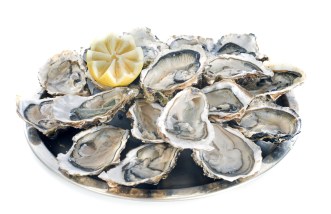
Hong Kong – Pre-shucked Oysters for Raw Consumption – What Should One be Aware of?

cfs

french oysters

Raw Oysters are High-risk Foods
Oysters are filter feeders. They constantly draw in water and accumulate materials from water, including pathogens such as Vibrio bacteria, norovirus and hepatitis A virus. These pathogens can infect people who eat oysters raw or undercooked. In addition, bacteria like Vibrio can continue to grow in oysters after harvesting if oysters are not maintained at low enough temperatures from harvest through to consumption. Food poisoning outbreaks related to raw oysters have been reported locally from time to time. Although the illness is usually mild and self-limiting, causing symptoms such as diarrhoea, abdominal cramps and vomiting, they can also cause severe health consequences especially for susceptible individuals.

Additional Risks in Shucked Oysters
Both physical and microbiological contamination are possible during the shucking of oysters. Physical removal of shellfish meat from the shell at the shucking table often exposes the product to dirt, mud and detritus. Shucked oysters should be rinsed or washed well to eliminate these contaminants and to reduce microbiological level of the products. Good hygiene practices should also be observed to minimise contamination from the workers and the working environment.

Before deshelling, oysters can stay alive even after long-haul shipping if kept under correct temperature and conditions. Once killed after shucking, raw oysters can deteriorate quickly if the temperature is not low enough to limit bacterial growth. Shucked oysters should be packed and chilled or frozen as soon as possible. Furthermore, an uninterrupted cold chain during transportation is critical to ensure safety and quality of the shellfish products.

USA – With E. coli Outbreaks in Ohio and Michigan, what do you need to know?

Food Poison Journal

With at least 18 ill in Ohio and nearly 100 ill in Michigan – not yet clear if the outbreaks from the two states are linked – the public is looking for information about this potentially deadly pathogen.

Read all about it at the link above

Scotland – E. coli outbreak in Scotland linked to nursery

Food Safety News

Almost 30 cases of E. coli infection have been linked to a nursery in Scotland.

NHS Lothian is part of a team investigating 28 cases of E. coli linked to Pear Tree Nursery on Church Street in Haddington. Officials previously said E. coli O157 had sickened a number of young people in the East Lothian area.

Cases are confined to the nursery, respective households, or other close contacts. The site has been closed while the investigation continues.

A number of confirmed patients have been hospitalized but all are in a stable condition. Most people had mild symptoms and did not require hospital treatment.

Some people at a partner nursery in the same town reported symptoms of vomiting and diarrhoea, which have resolved without medical treatment. Meadowpark Pear Tree Nursery in Haddington has also been closed.

Research – Effects of High-Voltage Atmospheric Cold Plasma Treatment on Microbiological and Quality Characters of Tilapia Fillets

MDPI

Cold plasma (CP) has become an alternative to conventional thermal processing of food products. In this study, the effect of cold plasma treatment time on the inactivation and quality of tilapia fillets was investigated. The surfaces of tilapia fillets were inoculated with Salmonella enteritis (S. enteritis), Listeria monocytogenes (L. monocytogenes), and a mixture of both before being treated with cold plasma at 70 kV for 0, 60, 120, 180, 240, and 300 s. With the extension of treatment time, the number of colonies on the surface of the fillets decreased gradually; after 300 s of cold plasma treatment, S. enteritis and L. monocytogenes populations were reduced by 2.34 log CFU/g and 1.69 log CFU/g, respectively, and the a* value and immobile water content decreased significantly (p < 0.05), while the free water content increased significantly (p < 0.05). TBARS value increased significantly (p < 0.05) to 1.83 mg MDA/kg for 300 s treatment. The carbonyl value and sulfhydryl value of sarcoplasmic protein significantly (p < 0.05) increased and decreased, respectively, as treatment time extension, while no significant changes were found in myofibrillar protein. No significant differences were observed in pH, b* value, elasticity, chewiness, thiol value, and TVB-N value. The results showed that cold plasma had an inactivation effect on tilapia fillets and could preserve their original safety indicators. It was concluded that CP treatment could be used as an effective non-thermal method to maintain the quality of tilapia fillets and extend their shelf-life. View Full-Text

Denmark – Health and Economic Burden of Seven Foodborne Diseases in Denmark, 2019

Mary Anne Liebert

We ranked seven foodborne pathogens in Denmark on the basis of their health and economic impact on society in 2019. We estimated burden of disease of infections with Campylobacter spp., Salmonella spp., Shiga toxin-producing Escherichia coli (STEC), Yersinia enterocoliticaListeria monocytogenes, norovirus, and hepatitis A virus in terms of incidence, mortality, disability-adjusted life years (DALY), and economic burden in terms of direct and indirect health costs. These seven pathogens accounted for 268,372 cases, 98 deaths, and 3121 DALYs, and led to a total expenditure of 434 million Euro in 1 year in a country with 5.8 million citizens. Foodborne infections by CampylobacterSalmonella, and norovirus caused the most DALYs, whereas Campylobacter, and norovirus and STEC had the higher costs. A combination of disease burden and cost of illness estimates is useful to inform policymaking and establish food safety priorities at the national level.

Research – Oil-based systems show promise for eradicating Salmonella on food production machinery

Science Daily

Recent outbreaks of food-borne Salmonella have been associated with chocolate and peanut butter. Although Salmonella cannot grow in either of these low-water foods, the cells survive, becoming more resistant to heat treatment, which has contributed to recent outbreaks. New research published in Applied and Environmental Microbiology suggests that oil formulations with food-grade organic acids can kill dried Salmonella on stainless steel surfaces.

“Cleaning and sanitation of manufacturing environments are critical for a safe food supply,” said lead author Lynne McLandsborough, Ph.D., a professor of food science at University of Massachusetts Amherst. However, water-based cleaning is rarely used in processing peanut butter, because it promotes microbial growth. “Also, as anyone who has baked peanut butter cookies can tell you, peanut butter and water do not mix, and cleanup with water is challenging,” said McLandsborough.

Instead, manufacturers often remove residual peanut butter from manufacturing systems using heated oil, followed by overnight cooling and application of flammable alcohol-based sanitizing agents.

In the study, McLandsborough and collaborators dried Salmonella on stainless steel surfaces at controlled relative humidity. They then covered the dried bacteria with various oils with organic acids, varying the acid type, concentration, contact time and treatment temperature to identify highly antimicrobial formulations.

By using peanut oil mixed with acetic acid at a concentration about half that of household vinegar and applying heat, “killing was much greater than expected, indicating a synergistic effect,” said McLandsborough. “Our results show that acidified oils could be used as an effective means of sanitation in low-moisture food processing facilities, where water-based cleaning can be challenging.”

“To our knowledge, using oils as a carrier of organic acids is a novel approach to delivering antimicrobial compounds against food-borne pathogens,” said McLandsborough. The research may thus lead to adaptation of oil-based systems for industrial cleaning, for example, of machinery for processing chocolate and peanut butter, said McLandsborough. “That would enable more frequent cleaning, boosting the safety of these products.”

Research – A multi-jurisdictional outbreak of Salmonella Typhimurium infections linked to backyard poultry—Australia, 2020

Wiley Online

Zoonotic salmonellosis can occur either through direct contact with an infected animal or through indirect contact, such as exposure to an infected animal’s contaminated environment. Between May and August 2020, a multi-jurisdictional outbreak of Salmonella Typhimurium (STm) infection due to zoonotic transmission was investigated in Australia. In total, 38 outbreak cases of STm with a median age of 5 years were reported. Epidemiological investigation showed contact with live poultry to be a common risk factor with most cases recently purchasing one-week old chicks from produce/pet stores. Traceback investigation of cases identified 25 product/pet stores of which 18 were linked to a single poultry breeder farm. On farm environmental sampling identified the same STm genotype as identified in cases. Whole genome sequencing of both environmental and human outbreak isolates found them to be highly related by phylogenetic analysis. This investigation describes the first documented widespread zoonotic salmonellosis outbreak in Australia attributed to backyard poultry exposure and identified potential risk factors and prevention and control measures for future outbreaks. Prevention of future outbreaks will require an integrated One Health approach involving the poultry industry, produce/pet store owners, animal healthcare providers, public health and veterinary health agencies and the public.

USA – Method Change – Isolation and Identification of Salmonella from Meat, Poultry, Pasteurized Egg, and Siluriformes (Fish)Products and Carcass and Environmental Sponges

FSIS USDA

Introduction
The methods described in this guidebook are for use by the FSIS laboratories. FSIS does not specifically endorse any of the mentioned test products and acknowledges that equivalent products may be available for laboratory use.
FSIS utilizes the following performance criteria when evaluating the suitability of an alternative laboratory method or product for a given analyte and sample matrix pair:
•Sensitivity of 90% or greater
•Specificity of 90% or greater
•Accuracy of 90% or greater
•Positive predictive value of 90% or greater
•Negative predictive value of 90% or greater
Performance criteria are relative to the reference cultural method for that analyte and sample matrix as outlined in the corresponding MLG chapter. Method validation is necessary to demonstrate the equivalence of alternative tests as detailed in the document titled “FSIS Guidance for Evaluating Test Kit Performance.”
This method describes the analysis of various meat, poultry and Siluriformes (fish) products, sponge and rinse samples, and egg products for Salmonella.
It is not intended for the isolation and identification of Salmonella typhi.
Success in isolating Salmonella from any food can be related to a number of factors including food preparation procedures, the number of organisms present, sample handling after collection, etc. With raw samples, the competitive flora may be the most important factor. It varies from sample to sample and from one kind of matrix to another.
Another consideration is whether the examination is for routine monitoring or epidemiological purposes. The analyst may choose to augment the method for epidemiological purposes with additional enrichment procedures and culture media, two temperatures of incubation, intensified selection of colonies from plates, and/or rapid screening methods.
Unless otherwise stated all measurements cited in this method have a tolerance range of +/-2%.

Virginia Tech researcher to test vaccine for Norovirus

VTX

Norovirus Food Safety kswfoodworld

Lijuan Yuan, professor of virology and immunology at the Virginia-Maryland College of Veterinary Medicine at Virginia Tech, will evaluate a potential live oral vaccine for norovirus, the No. 1 cause of foodborne illness.

Indiana University’s John Patton and colleagues are developing a norovirus vaccine that uses the Rotarix rotavirus vaccine as a platform. Using reverse genetics, they will insert a norovirus protein into Gene 7 of the rotavirus. The virus will then express the norovirus protein in the gut, inducing an immune response against norovirus.

Yuan’s lab will evaluate the replication capacity, immunogenicity, and protective efficacy of the vaccine using gnotobiotic pig models of human rotavirus and norovirus infection and diarrhea. A gnotobiotic animal is one that has been specially raised to contain zero germs or bacteria so researchers can better study the effects of bacteria and viruses such as rotavirus and norovirus.

According to the Centers for Disease Control and Prevention, norovirus is the leading cause of vomiting and diarrhea from acute gastroenteritis in the United States, resulting in 19 million to 21 million cases every year.

Norovirus tends to affect young children and the elderly the most. It’s responsible for about 24,000 hospitalizations and 925,000 outpatient visits for American children each year, according to the National Center for Biotechnology Information. Rotavirus also causes acute gastroenteritis and hits young children the hardest.

“Together, rotavirus and norovirus cause over 415,000 deaths every year, and norovirus also has a very significant burden even in the countries that don’t have a lot of deaths. The economic cost is huge, $4.2 billion in direct costs and $60 billion in indirect societal costs. You hear about norovirus outbreaks on the news all the time in hospitals, nursing homes, and cruise ships and how it’s closing down restaurants, so it’s got a lot of economic implications,” said Yuan.