
Category Archives: Food Microbiology Research

USA – Swiss American Participates in Manufacturer Old Europe’s Recall of Brie and Camembert

FDA

Picture of Saint Louis Brie wedge”

Summary

Company Announcement Date:
FDA Publish Date:
Product Type:
Food & Beverages
Cheese/Cheese Product
Foodborne Illness
Reason for Announcement:
Listeria monocytogenes
Company Name:
Old Europe Cheese, Inc
Brand Name:
Saint Louis
Product Description:
Brie wedges and variable weights

Company Announcement

10/04/2022

Saint Louis, Missouri

Old Europe Cheese, Inc. of Benton Harbor, MI is issuing a voluntary recall of its Brie cheeses because of potential contamination with Listeria monocytogenes, an organism which can cause serious and sometimes fatal infections in young children, frail or elderly people and others with weakened immune systems. Although healthy individuals may suffer only short-term symptoms such as high fever, severe headache, stiffness, nausea, abdominal pain and diarrhea, Listeria infection can cause miscarriages and stillbirths among pregnant women.

Swiss American is recalling St Louis Brie products after being alerted by the manufacturer Old Europe Cheese, Inc. that the products could be contaminated with Listeria monocytogenes. This is part of a voluntary broader recall by the manufacturer.

Customers are urged to check for:
St Louis Domestic Brie Wedge
7 oz
UPC: 041563 263709
All dates up to and including 12/14/2022

St Louis Domestic Cut Brie Wedge-6 lb RW
Variable weight
UPC: 041563 370018
All dates up to and including 12/14/2022

St Louis Brie
Variable Weight
UPC: 21107100000
All dates up to and including 12/14/2022

ST LOUIS BRIE PRE CUT WEDGES
Code Date: best by dates through 12/14/2022
Size: 16.00 OZ
UPC: 00021565000000

ST LOUIS CW BRIE WHEEL
Code Date: best by dates through 12/14/2022
Size: 16.00 OZ
UPC: 00021171800000
Research – Microbial Properties of Raw Milk throughout the Year and Their Relationships to Quality Parameters

MDPI

Raw milk microbiota is complex and influenced by many factors that facilitate the introduction of undesirable microorganisms. Milk microbiota is closely related to the safety and quality of dairy products, and it is therefore critical to characterize the variation in the microbial composition of raw milk. In this cross-sectional study, the variation in raw milk microbiota throughout the year (n = 142) from three farms in China was analyzed using 16S rRNA amplicon sequencing, including α and β diversity, microbial composition, and the relationship between microbiota and milk quality parameters. This aimed to characterize the contamination risk of raw milk throughout the year and the changes in quality parameters caused by contamination. Collection month had a significant effect on microbial composition; microbial diversity was higher in raw milk collected in May and June, while milk collected in October and December had the lowest microbial diversity. Microbiota composition differed significantly between milk collected in January–June, July–August, and September–December (p < 0.05). Bacterial communities represented in raw milk at the phylum level mainly included Proteobacteria, Firmicutes and Bacteroidota; PseudomonasAcinetobacterStreptococcus and Lactobacillus were the most common genera. Redundancy analysis (RDA) found strong correlations between microbial distribution and titratable acidity (TA), fat, and protein. Many genera were significantly correlated with TA, for example Acinetobacter (R = 0.426), Enhydrobacter (R = 0.309), Chryseobacterium (R = 0.352), Lactobacillus (R = −0.326), norank_o__DTU014 (R = −0.697), norank_f__SC-I-84 (R = −0.678), and Subgroup_10 (R = −0.721). Additionally, norank_f__ Muribaculaceae was moderately negatively correlated with fat (R = −0.476) and protein (R = −0.513). These findings provide new information on the ecology of raw milk microbiota at the farm level and contribute to the understanding of the variation in raw milk microbiota in China. View Full-Text

Research – Energy conservation can cause growth of Legionella in hot water systems

SSI

CDC legionella

Due to the current energy crisis, the authorities have various proposals for, and requirements for, saving on energy. Among other things, you can lower the temperature in hot water systems, and you can use less hot water by e.g. taking shorter baths, washing your hands in cold water and installing water-limiting measures, e.g. energy-saving showers.

However, both parts can contribute to increased growth of Legionella pneumophila in the water systems with a risk of infection and disease. It is therefore important that Danes think carefully before saving on energy.

Hot water systems can cause severe pneumonia

Most of our hot water systems contain Legionella pneumophila . The bacterium can cause a serious pneumonia called Legionnaires’ disease. Infection occurs by inhaling atomized water that is contaminated with the bacteria, e.g. while showering.

“The disease particularly affects elderly and debilitated people and causes up to 300 hospitalizations per year, but the bacterium is presumably the cause of far more mild cases of the disease, also in younger people. Since the bacteria are common in our hot water systems, it is important to limit their growth. This happens at home primarily by ensuring that cold water is no more than 20 °C and that hot water is at least 50 °C, as the bacteria cannot grow at these temperatures and begin to die at 50 °C,” says Søren Anker Uldum , who is head of department at the Statens Serum Institut.

Rinse through with very hot water

It is therefore important to continue to maintain at least 50 °C throughout the hot water system. The temperature must be reached at all tapping points after no more than 30 seconds. rinse and in the return water (before hot water tank or heat exchanger). In most cases, this can be achieved by heating the hot water to 55 °C in the hot water tank.

With reduced consumption of hot water, the water has longer residence times in the pipes and can have temperatures in the bacteria’s growth area for a longer period of time, so there must be a certain consumption of hot water.

Taps, such as faucets and showers that are rarely used, should be flushed with hot water at a minimum of 50 °C for a few minutes at least once a week.

When showering (which may well be short), it is also a good idea that at least once a week you first set the mixer to the maximum temperature and let the water run (to the drain) until it is as hot as it can be before setting it to bath water temperature (approx. 36 °C).

This advice applies especially if there are vulnerable people in the household or institution, such as the elderly or people with chronic illness or a weakened immune system.

Viet Nam – Food poisoning kills 12 sailors on Chinese boat off Con Dao islands

E. VN Express

A China registered boat with 21 crew members has been hit by food poisioning, with 12 dead and nine in critical conditon.

The nine, being treated at the Con Dao District medical center Friday afternoon, were in critical condition, doctors said.

When the crew members of the ship, Wuzhou 8 were airlifted by a rescue helicopter to Con Dao (110 km to the southwest) for emergency treatment, 10 had already died. Of the remaining 11, one died on the way to the airport and another arrived dead at the district medical center.

A Ba Ria-Vung Tau Province border guard representative said that the cargo ship was on its way from Thailand to China when the crew were hit by food poisoning, off the Con Dao islands.

Hoyer Tranpost Vietnam Co. Ltd, agent of the Wuzhou 8, sent a notice to the Department of Health of Ba Ria-Vung Tau Province to request emergency arrangements for its crew members.

When Wuzhou 8 arrived in Con Dao waters, 18 crew members showed signs of food poisoning. The remaining victims looked seriously ill and in need of immediate treatment, so they were rushed to the mainland and taken to the local medical center.

“While people on the ship said they suffered food poisoning, it was not clear what they had consumed,” Loi said.

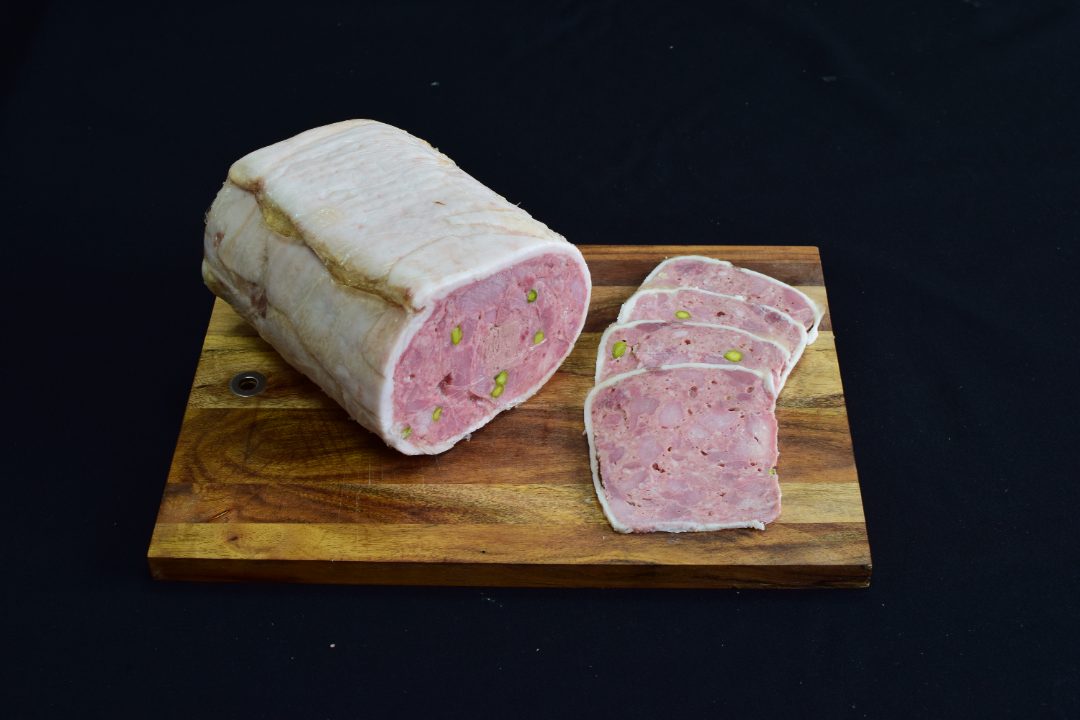
France – PISTACHIO PORK GALANTINE- Listeria monocytogenes

Gov france

Identification information of the recalled product

  • Product category Feed
  • Product subcategory Meats
  • Product brand name un branded
  • Model names or references Pistachio pork galantine
  • Identification of products
    Batch Date
    1251 Use-by date 10/10/2022
  • Packaging Product sold by the slice in the traditional charcuterie-caterer department
  • Marketing start/end date From 09/19/2022 to 09/27/2022
  • Storage temperature Product to be stored in the refrigerator
  • Health mark71.306.001
  • Geographic area of ​​salebi1 Saint Benigne
  • Distributorsbi1 Saint Benigne

Practical information regarding the recall

  • Reason for recall Presence of Listeria
  • Risks incurred by the consumer Listeria monocytogenes (causative agent of listeriosis)

Research – Europe sees large drop in E. coli infections in 2020

Food Safety News

There was a big fall in the number of Shiga toxin-producing E. coli (STEC) infections in Europe in 2020, according to recently published data.

In 2020, 4,824 confirmed STEC infections were reported. This is down from 8,339 in 2019. STEC infection is mainly acquired through consumption of contaminated food or water and contact with animals or their feces.

Data on STEC infections were reported by 29 countries. Notification is voluntary in Belgium, France, Luxembourg, and Spain or based on another type of system in Italy.

Germany with 1,409 and Ireland with 734 had the most infections, accounting for 44 percent of all cases. The highest country-specific notification rates were in Ireland, Malta, Denmark, and Norway.

Research – Antibiofilm Efficacy of Quercetin against Vibrio parahaemolyticus Biofilm on Food-Contact Surfaces in the Food Industry

MDPI

Vibrio parahaemolyticus, one of the most common foodborne pathogenic bacteria that forms biofilms, is a persistent source of concern for the food industry. The food production chain employs a variety of methods to control biofilms, although none are completely successful. This study aims to evaluate the effectiveness of quercetin as a food additive in reducing V. parahaemolyticus biofilm formation on stainless-steel coupons (SS) and hand gloves (HG) as well as testing its antimicrobial activities. With a minimum inhibitory concentration (MIC) of 220 µg/mL, the tested quercetin exhibited the lowest bactericidal action without visible growth. In contrast, during various experiments in this work, the inhibitory efficacy of quercetin at sub-MICs levels (1/2, 1/4, and 1/8 MIC) against V. parahaemolyticus was examined. Control group was not added with quercetin. With increasing quercetin concentration, swarming and swimming motility, biofilm formation, and expression levels of target genes linked to flagellar motility (flaAflgL), biofilm formation (vp0952vp0962), virulence (VopQvp0450), and quorum-sensing (aphAluxS) were all dramatically suppressed. Quercetin (0–110 μg/mL) was investigated on SS and HG surfaces, the inhibitory effect were 0.10–2.17 and 0.26–2.31 log CFU/cm2, respectively (p < 0.05). Field emission scanning electron microscopy (FE-SEM) corroborated the findings because quercetin prevented the development of biofilms by severing cell-to-cell contacts and inducing cell lysis, which resulted in the loss of normal cell shape. Additionally, there was a significant difference between the treated and control groups in terms of motility (swimming and swarming). According to our research, quercetin produced from plants should be employed as an antibiofilm agent in the food sector to prevent the growth of V. parahaemolyticus biofilms. These results indicate that throughout the entire food production chain, bacterial targets are of interest for biofilm reduction with alternative natural food agents in the seafood industry. View Full-Text

Research – Antimicrobial Resistance and Virulence Characterization of Listeria monocytogenes Strains Isolated from Food and Food Processing Environments

MDPI

Listeria monocytogenes is a particularly foodborne pathogen associated with listeriosis, which can be disseminated in food and food processing environments. This study aimed to determine the serotypes and characteristics of virulence factors and antibiotic resistance among 40 L. monocytogenes strains isolated from food (n = 27) purchased in Olsztyn (Warmia and Mazury region, Poland) and food processing environments in Poland (n = 13). Isolates were assigned to serotypes 1/2a, 1/2c, 3a, and 3c using polymerase chain reaction (PCR). The results showed that serotype 1/2a (66.7%) was the most prevalent among strains from food, and serotype 1/2c (53.8%) among strains from the food processing environments. Five different virulence factors (hlyA, prfA, inlB, luxS, sigB) were detected in all isolates from the food processing environments using PCR. The hlyA (100.0%), prfA (100.0%), and inlB (96.3%) were the most prevalent in food strains. Seven (25.9%) of the strains of food and ten (76.9%) strains from the food processing environments showed the ability to form biofilm. The tested isolates were subjected to antibiotic susceptibility testing against 12 antibiotics used in the mitigation of listeriosis, using the disk diffusion method. The most frequent were intermediate resistance and resistance to clindamycin. Twelve (92.3%) strains from the food processing environments, and twenty-three (85.2%) from food were non-susceptible to clindamycin. Generally, antibacterial resistance determinants (LdeaadBaac(3)-IIa(aacC2)apenAmefAlnuAlnuBsulI, sulII) were detected in sixteen (59.0%) strains from food and four (30.8%) from the food processing environments, by PCR. The most frequent were the mefA-lnuA (n = 7; 20.0%) and lnuA (n = 6; 17.1%) genotypes. From this research, we can conclude that virulent and antimicrobial-resistant strains of L. monocytogenes are present in food and the food processing environment in Poland, which may pose a potential health risk to consumers. Monitoring for the control of virulent and antimicrobial-resistant L. monocytogenes strains in the food system can contribute to effective planning and prevention of their spread.

Research – Pet Reptiles in Poland as a Potential Source of Transmission of Salmonella

MDPI

Reptiles are considered a potential source of Salmonella transmission to humans.
The aim of this research was to determine the incidence of Salmonella in pet reptiles in Poland and to examine Salmonella isolates with regard to their biochemical characteristics, serotype, antimicrobial susceptibility, and pathogenic and zoonotic potential.
The research material consisted of 67 reptile faeces samples. The taxonomic affiliation of the Salmonella isolates was determined by MALDI-TOF mass spectrometry, biochemical analyses, and serotyping; whole genome sequencing (WGS) analysis was performed on three isolates whose serotype could not be determined by agglutination. The antimicrobial susceptibility of the Salmonella isolates was determined by the broth dilution method, and in the case of some antimicrobials by the disk diffusion method.
The pathogenic and zoonotic potential of the identified serotypes was estimated based on available reports and case studies. The presence of Salmonella was confirmed in 71.6% of faecal samples, with the highest incidence (87.1%) recorded for snakes, followed by lizards (77.8%) and turtles (38.9%). All isolates (n = 51) belonged to the species S. enterica, predominantly to subspecies I (66.7%) and IIIb (25.5%). Among these, 25 serotypes were identified, including 10 that had previously been confirmed to cause reptile-associated salmonellosis (RAS). Salmonella isolates were susceptible to all antimicrobial substances used except streptomycin, to which 9.8% of the strains showed resistance.
None of the strains contained corresponding resistance genes. The study demonstrates that pet reptiles kept in Poland are a significant reservoir of Salmonella and contribute to knowledge of the characteristics of reptilian Salmonella strains. Due to the risk of salmonellosis, contact with these animals requires special hygiene rules.

Research – Collective food poisoning (TIAC) ​​with E. coli O157 producing Shiga toxins, associated with the consumption of raw cucumbers

Sante Publique

On September 9, 2021, the Regional Health Agency (ARS) of Hauts-de-France was informed of a suspicion of collective food poisoning (TIAC) ​​affecting half-board students, educated in several schools in a municipality. of the Lille metropolis. On September 13, 2021, two cases of hemolytic and uremic syndrome (HUS) were diagnosed in two hospitalized children attending school in this town. Public Health France Hauts-de-France was asked by the Hauts-de-France ARS to provide support for the investigations and management of this TIAC. A total of 35 cases of gastroenteritis, with bloody diarrhea and fever (>38°C) in half of the cases, were identified. Ten cases were hospitalized and two children developed HUS. The cases identified were half-board students in four school groups (29 cases), a parent of a student and elderly people benefiting from the municipality’s home meal delivery service (5 cases). The case canteens were all supplied by the central municipal kitchen. The shape of the epidemic curve was in favor of a common and point source of contamination during meals on September 2 or 3, 2021. The case-control survey, carried out in schools, concluded that only the consumption of cucumbers in salad, served with the meal on September 2, was statistically and significantly associated with the occurrence of the disease. A strain of E. highly pathogenic Shiga toxin-producing (STEC) O157 coli was isolated from the stool cultures of eight cases, including the two children who developed HUS and in the offending cucumber salad. Genomic analysis of the strains confirmed the genetic clustering of clinical and food strains that belonged to the same genomic cluster. The veterinary investigation revealed that a failure in the decontamination process, associated with incomplete peeling of the contaminated cucumbers, contributed to the occurrence of this TIAC. The cucumbers in question came from Belgium and the Belgian health authorities were informed via the dedicated European alert circuits. No other episodes of clusters of STEC infection related to this TIAC have been reported to the ARS over the period while cucumbers from the same batch had been widely distributed in communities and commercial catering services in the Hauts-de-France region. The food vehicle, incriminated in this TIAC, is part of the plants at risk because of its raw mode of consumption. It is important to remind vulnerable populations and collective catering services that preventing the risk of STEC infection, linked to the consumption of raw vegetables, requires washing, disinfection and peeling.