
norovirus (GI, GII) in oysters from France in Spain
withdrawal of live oysters harvested in France because of possible contamination with norovirus in France

norovirus (GI, GII) in oysters from France in Spain
withdrawal of live oysters harvested in France because of possible contamination with norovirus in France

foodborne outbreak caused by and Salmonella enterica ser. Enteritidis (presence /25g) in chilled bovine carcases from Germany in Norway
Posted in food bourne outbreak, food contamination, Food Hazard, Food Hygiene, Food Illness, Food Inspections, Food Micro Blog, Food Microbiology, Food Microbiology Blog, Food Microbiology Testing, Food Pathogen, food recall, Food Safety, Food Safety Alert, Food Testing, foodborne outbreak, foodbourne outbreak, microbial contamination, Microbiology, outbreak, RASFF, Salmonella
Tagged salmonella
The recent decision by Kenya to suspend maize imports from Uganda and Tanzania has stirred public concern over the safety of some food that is produced in the region, particularly grains.
Last week, Kenya banned the importation of maize from both countries, saying the products contained high levels of aflatoxins.
Kenya’s Agriculture and Food Authority said that the products were not fit for human consumption.
“The recommended levels of aflatoxin are ten parts per billion but the imports indicate that the levels are at 2,000 parts per billion, which is lethal,” Kello Harsama, the Acting Director-General of the Agriculture and Food Authority (AFA), told the media last week.
According to the World Health Organisation (WHO), aflatoxins are poisonous substances produced by certain kinds of fungi (moulds) that are found naturally all over the world; they can contaminate food crops and pose a serious health threat to humans and livestock.
WHO estimates that aflatoxins pose a significant economic burden, causing an estimated 25 per cent or more of the world’s food crops to be destroyed annually.
The decision by Kenya comes at the time some local agro-processing firms have been resorting to importing some grains, saying that the ones produced in the country contain high levels of aflatoxins.
Posted in Aflatoxin, food contamination, Food Hazard, Food Hygiene, Food Illness, Food Inspections, Food Micro Blog, Food Microbiology, Food Microbiology Blog, Food Microbiology Testing, Food Poisoning, food recall, Food Safety, Food Safety Alert, Food Testing, Food Toxin, Mold Toxin, Mould Toxin, Mycotoxin
Two outbreaks of hepatitis A virus (HAV) with 17 infections are under investigation in Ireland.
A total of 21 patients have been identified during a three-month period in Dublin, with 17 linked to the outbreaks that began in November 2020. One of the outbreak strains has genotype IA.
Some cases are associated with food premises
Posted in food bourne outbreak, food contamination, food handler, Food Hazard, Food Hygiene, Food Illness, Food Inspections, Food Micro Blog, Food Microbiology, Food Microbiology Blog, Food Microbiology Testing, food recall, Food Safety, Food Safety Alert, Food Virus, foodborne outbreak, foodbourne outbreak, Hepatitis A, Norovirus, outbreak, Virus
SFC are recalling SFC Chicken Poppets and Take-Home Boneless Bucket because Salmonella has been found in the products. Batch codes starting with an L are displayed on the inner packaging inside the box. This update extends the recall of SFC Chicken Poppets to include all batch codes for the products with best before dates of 24 September and 31 October 2021.
Further investigations are ongoing for this brand, should more product be identified, a further update will be provided. We have also issued advice to consumers on cooking and good hygiene to avoid cross contamination and reduce the risk of food poisoning. If followed correctly, the cooking instruction on the label is enough to kill any salmonella present.
| SFC Take-Home Boneless Bucket | |
|---|---|
| Pack size | 650g |
| Batch code | All codes |
| Best before | 28 November 2021 |
| SFC Chicken Poppets | |
|---|---|
| Pack size | 190g |
| Batch code | All codes |
| Best before | 24 September 2021 31 October 2021 |
| SFC Chicken Poppets | |
|---|---|
| Pack size | 190g |
| Batch code | L:25820 |
| Best before | 28 February 2022 |
The presence of Salmonella in the products listed above.
Symptoms caused by Salmonella usually include fever, diarrhoea and abdominal cramps.
We are encouraging consumers to follow cooking instructions and practise good hygiene to avoid cross contamination and contracting salmonellosis, to protect themselves and their families. If followed correctly, the cooking instruction on the label is enough to kill any salmonella present. Please see above for a link to this advice.
Posted in food bourne outbreak, food contamination, food death, Food Hazard, Food Hygiene, Food Illness, Food Inspections, Food Micro Blog, Food Microbiology, Food Microbiology Blog, Food Microbiology Testing, Food Pathogen, food recall, Food Safety, Food Safety Alert, Food Testing, foodborne outbreak, foodbourne outbreak, fsa, microbial contamination, Microbiology, outbreak, Salmonella, Salmonella in Chicken
Posted in food contamination, food death, Food Hazard, Food Hygiene, Food Illness, Food Inspections, Food Microbiology, Food Microbiology Blog, Food Microbiology Research, Food Microbiology Testing, Food Pathogen, Food Poisoning, Food Poisoning Death, Food Safety, Food Safety Alert, foodborne disease, Foodborne Illness, foodborne outbreak, foodbourne outbreak, Research
Millions of foodborne illness cases occur in China annually, causing significant social and economic burdens. Improper food handling has been observed not only among commercial food handlers but also among residential food handlers. It is critical to conduct a comprehensive scoping review of previous efforts to identify food safety knowledge gaps, explore the factors impacting knowledge levels, and synthesize the effectiveness of all types of food safety educational interventions for commercial and residential food handlers in China. This review aims to analyze food safety education studies published over the past 20 years and provide foundations for developing more effective food safety educational interventions in China. A total of 35 studies were included in this review. Most studies reported that Chinese commercial and residential food handlers had insufficient food safety knowledge, especially in the areas of foodborne pathogens and safe food-handling practices. The factors impacting food handlers’ knowledge levels included education level, gender, income level, residency (rural vs. urban), the use of WeMedia, college students’ major, and food safety training experiences. Food handlers in the following demographic groups tend to have lower levels of food safety knowledge: lower education levels, the elderly, males, lower-income levels, rural residents, those who do not use WeMedia, those without food safety training experience, or college students in nonbiology-focused majors. Many food handlers did not always follow recommended food safety practices, such as proper meat handling practices, handwashing practices, and cleaning and sanitation practices. Thirteen studies evaluated the effectiveness of educational interventions, and knowledge increases were reported after all interventions. The findings of this review provide guidance to researchers, educators, and government agencies in their future efforts to develop education programs emphasizing the importance of microbial food-safety content and behavior change regarding food safety and hygiene practices.
The FDA, along with CDC and state and local partners, are investigating a multistate outbreak of Listeria monocytogenes infections linked to queso fresco cheeses made by El Abuelito Cheese, Inc.
On 2/19/2021, El Abuelito Cheese, Inc. announced their initial recall of products, and on 2/27/2021, they announced the expansion of their recall to cover additional products that are manufactured or handled in the same facility as the Queso Fresco products linked to this outbreak.
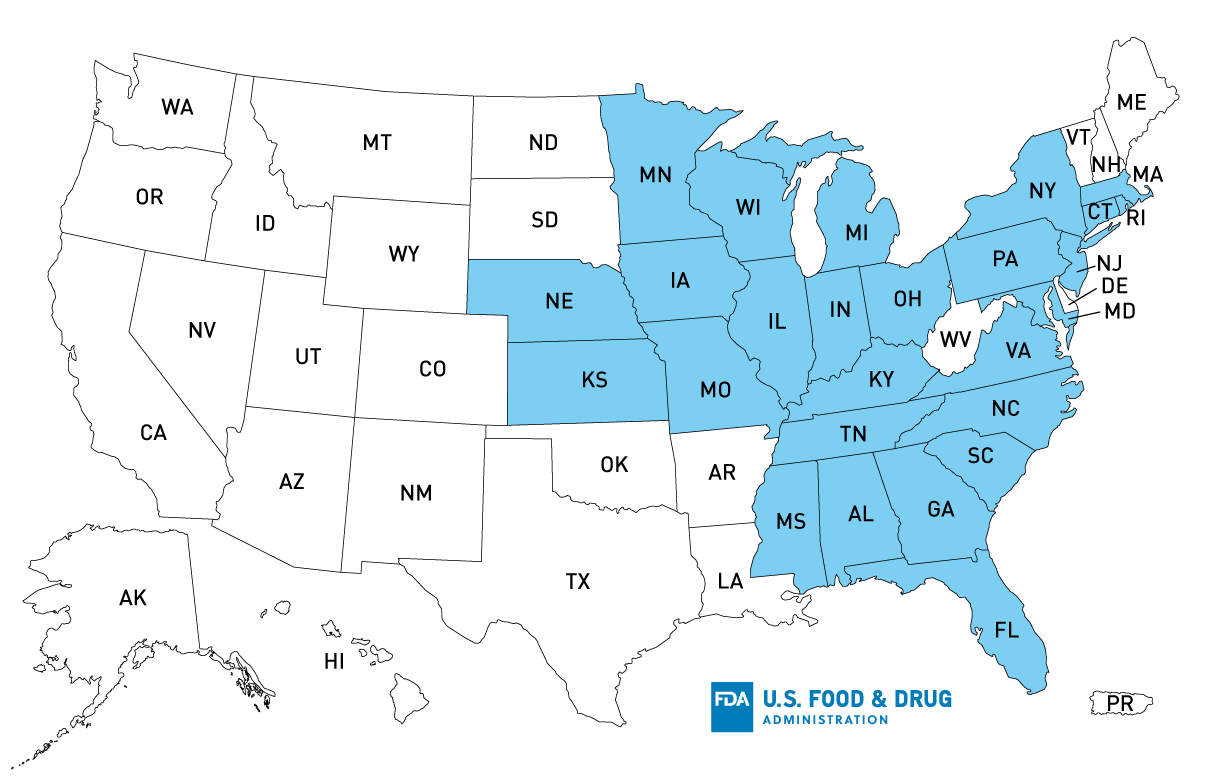
On 3/9/2021, the FDA received confirmation that recalled cheeses were also distributed to Rhode Island. States with confirmed distribution now include: AL, CT, FL, GA, IA, IL, IN, KS, KY, MA, MD, MI, MN, MO, MS, NC, NJ, NY, NE, OH, PA, RI, SC, TN, VA, and WI. View additional recall information.
Consumers, restaurants, and retailers should not eat, sell, or serve any recalled Queso Fresco, Quesillo (Oaxaca, string cheese), or Requeson (ricotta) cheeses.
Recalled brands by cheese type include:
FDA recommends that anyone who purchased or received any recalled Queso Fresco, Quesillo, or Requeson cheeses use extra vigilance in cleaning and sanitizing any surfaces and containers that may have come in contact with these products to reduce the risk of cross-contamination. Listeria can survive in refrigerated temperatures and can easily spread to other foods and surfaces.
Some of the recalled cheeses were sold in bulk quantities and could have been repackaged by retailers. Ask your retailer if any Queso Fresco or Quesillo cheese you buy was repackaged from the cheeses recalled by El Abuelito. If you are unable to obtain an answer, do not buy it and throw away the potentially recalled cheese you have at home.
If you are at higher risk for severe Listeria infection (if you are pregnant, aged 65 or older, or have a weakened immune system due to certain medical conditions or treatments), call your healthcare provider right away if you have these symptoms after eating any Queso Fresco, Quesillo, or Requeson cheeses produced by El Abuelito:
Follow these five steps to clean your refrigerator, containers, and surfaces that may have touched the cheeses. Listeria can survive in the refrigerator and can easily spread to other foods and surfaces.

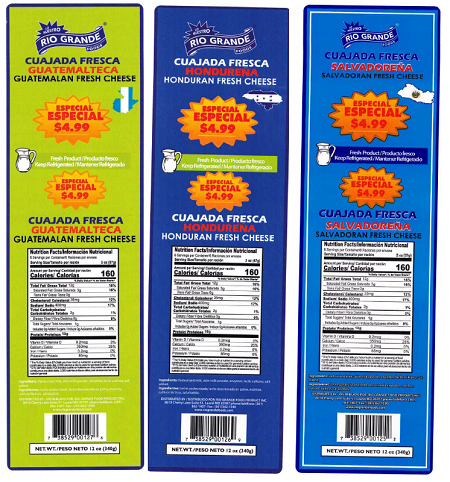


On 2/19/2021, El Abuelito Cheese, Inc. announced their initial recall of products, and on 2/27/2021, they announced the expansion of their recall to cover additional products. The recall announcements include the full product list and descriptions.
Consumers, restaurants, and retailers should not eat, sell, or serve any recalled Queso Fresco, Quesillo (Oaxaca, string cheese), or Requeson (ricotta) cheeses.
The firm’s recall does not include any additional products with the El Abuelito Cheese, Inc. label because they are not manufactured or handled in the same facility; this includes El Abuelito Meat, Inc., panela cheese, cotija cheese, mole, crema centroamericana, and crema mexicana. Updates will be provided as they become available.
FDA has posted lists of retailers that may have received Hispanic-styles cheeses from the El Abuelito Cheese, Inc. facility in Paterson N.J. It is possible that these lists may not include all retailers who have received these cheeses; however, these lists represents the best information currently available to the FDA.
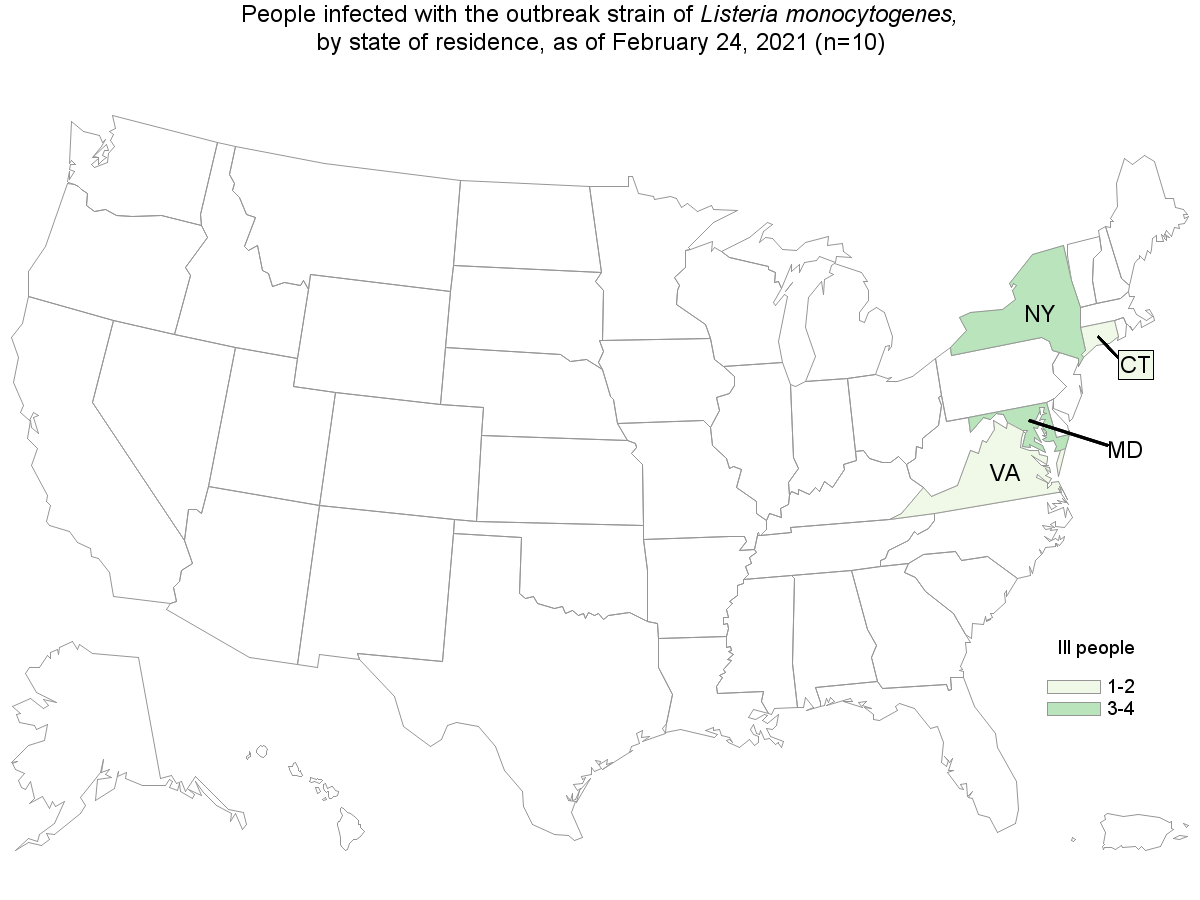
Total Illnesses: 11
Hospitalizations: 10
Deaths: 1
Last Illness Date: 2/14/2021
States with Cases: CT (1), MD (4), NY (4), and VA (2)
Product Distribution*: AL, CT, FL, GA, IA, IL, IN, KS, KY, MA, MD, MI, MN, MO, MS, NC, NJ, NY, NE, OH, PA, RI, SC, TN, VA, WI
*States with confirmed distribution; product could have been distributed further
Posted in FDA, food bourne outbreak, food contamination, food death, Food Hazard, Food Hygiene, Food Illness, Food Inspections, Food Micro Blog, Food Microbiology, Food Microbiology Blog, Food Microbiology Testing, Food Pathogen, food recall, Food Safety, Food Safety Alert, Food Testing, foodborne disease, Foodborne Illness, foodborne outbreak, foodbourne outbreak, Listeria, Listeria monocytogenes, outbreak
Six people have died from food poisoning in Kyrgyzstan after dining at a cafe, the press service of the country’s Ministry of Health reported on Thursday.
Early Thursday morning, four victims went to the Aksy Territorial Hospital in Jalal-Abad Oblast in the southern part of the country for treatment for food poisoning.
Three of them have died despite rescue measures while the other one continued to receive treatment, whose symptoms are moderate and the person’s condition is stable, the ministry said, adding that another three victims died from food poisoning at home.
The victims said that 19 people had salad and beshbarmak and drank alcohol diluted with water for lunch at a cafe on Tuesday.
At present, local health workers are checking the rest participants of the meal, and an epidemiological investigation into the poisoning is ongoing, the ministry said. Enditem


Several collective food poisoning infections possibly linked to the consumption of contaminated oysters have been reported since mid-February 2021 in several regions of France.
Since mid-February 2021, 46 mandatory declarations (DO) of collective food poisoning (TIAC) suspected of being linked to the consumption of oysters have been sent to Public Health France and / or to the General Directorate of food .
The meal dates at the origin of these toxi-infections are between 02/11/2021 and 02/25/2021 with a majority of meals reported on 02/14 (21 TIAC, 46%). All these TIACs took place in the context of a family meal with between 2 and 8 patients. A total of 164 patients were recorded and two people were hospitalized.
These TIACs mainly took place in New Aquitaine (23 in the department 33, 7 in the 17, 4 in the 40 and 2 in the 64), 5 in Pays de la Loire, 3 in Occitanie, 1 in Brittany and 1 in Bourgogne-Franche-Comté. For 36 of these TIACs, the origin of the oysters is known: Arcachon basin for 24 TIAC, Hossegor lake for 5, Marennes d’Oléron for 6 and Baie de Plouharnel for 1.
Stool analyzes carried out by the National Reference Center for Gastroenteritis Viruses in patients following 2 TIACs confirmed the presence of norovirus.
Shellfish collected from individuals who were sick after consuming oysters as well as from suppliers were analyzed by reference laboratories and laboratories approved by the Ministry of Agriculture and Food: noroviruses were identified . Noroviruses have also been detected in several production areas of consumed oysters.
The contamination of shellfish by norovirus for other TIACs is also suspected in view of the symptoms of sick people, mainly diarrhea and vomiting, and the incubation times between the consumption of shellfish and the onset of symptoms found during investigations of patients. TIAC. The torrential rains observed at the beginning of February may have favored the contamination of the environment / production areas and therefore of shellfish.
Four areas are currently closed by prefectural decrees temporarily prohibiting fishing, collection, transport, purification, shipping, storage, distribution, marketing and release for human consumption. shellfish following the discovery of the contamination of shellfish by noroviruses: the Arcachon basin (Gironde) since 02/18/2021, Hossegor lake (Landes) since 03/02/2021, the Chenaux du Payré (Vendée) since 25/02 and the bay of Plouharnel (Morbihan) since 03/03/2021.
Posted in food bourne outbreak, food contamination, Food Hazard, Food Hygiene, Food Illness, Food Inspections, Food Micro Blog, Food Microbiology, Food Microbiology Blog, Food Microbiology Testing, Food Pathogen, food recall, Food Safety, Food Safety Alert, Food Testing, Food Virus, foodborne outbreak, foodbourne outbreak, Norovirus, outbreak, Virus


