Category Archives: Food Illness

Singapore – 82 ill in food poisoning outbreak; Chilli Api Catering suspended

Straits Times

A food poisoning outbreak has affected 82 people, 14 of whom are now in hospital.

The Ministry of Health (MOH) and the Singapore Food Agency (SFA) said the 82 people reported gastroenteritis symptoms after eating food prepared by Chilli Api Catering between March 10 and 12.

The catering company in Bedok North Street 5, Shimei East Kitchen, has been suspended by the SFA until further notice, they said in a statement last night.

Ireland – Recall of Further Batches of SFC Chicken Poppets Due to the Presence of Salmonella

FSAI

Summary
Category 1: For Action
Alert Notification: 2021.20 update 2
Product: The Original SFC Chicken Poppets, pack size: 190g
Batch Code: All best before dates up to, and including, 30.06.2022
Country Of Origin: United Kingdom

Message:

Further to the FSAI’s food alert 2021.20,  and 2021.20 update 1, SFC is extending the recall of its Chicken Poppets to all batches with best before dates up to, and including, 30 June 2022, due to the detection of Salmonella. Point-of-sale recall notices will be displayed in Tesco stores.

Nature Of Danger:

People infected with Salmonella typically develop symptoms between 12 and 36 hours after infection, but this can range between 6 and 72 hours.  The most common symptom is diarrhoea, which can sometimes be bloody.  Other symptoms may include fever, headache and abdominal cramps.  The illness usually lasts 4 to 7 days. Diarrhoea can occasionally be severe enough to require hospital admission. The elderly, infants, and those with impaired immune systems are more likely to have a severe illness.

Action Required:

Consumers:

Consumers are advised not to eat the implicated batches.

SFC Chicken Poppets

China – Authorities probe norovirus outbreak in residential community in E. China’s Shandong

Global Times

Norovirus Food Safety kswfoodworld

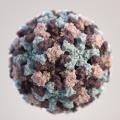
An investigation is underway after some residents, including children in a kindergarten in Ji’nan, East China’s Shandong Province, contracted the norovirus, according to the local authorities.

On March 11, some members of a residential community in Ji’nan, including some children from a kindergarten, were reported to be suffering syndromes of vomiting and diarrhea. District disease control and prevention personnel had taken samples of water, vomitus and related food for immediate further investigation.

Three children were sent to the hospital, but no severe cases were reported, and norovirus was detected in their vomit, the local authorities said on March 12.

The district education authority has temporarily closed the kindergarten and carried out a disinfection of its premises, and also taught children and parents on how to prevent norovirus infection.

Taiwan – 164 hospitalized in southern Taiwan with suspected food poisoning

Taiwan News

At least 164 students have been taken to hospitals in Pingtung County since Thursday evening (March 11) after developing symptoms of food poisoning.

Students from Donggang Senior High School began to display symptoms associated with food poisoning — including stomach cramps, vomiting, and diarrhea — after arriving home from school on Thursday. The school said it began to receive calls from parents at 11 p.m. and that a total of 231 students had called in sick on Friday.

As of press time, 121 of the 164 students who sought treatment at Fooyin University Hospital and Antai Hospital had been discharged, leaving 43 still hospitalized for further observation. Since all the patients had eaten food sourced from the same supplier, the authorities suspect the outbreak is a case of mass food poisoning and have sent samples of the school lunch to a medical laboratory for analysis.

UK – Update 12 March: The FSA is reiterating its advice on cooking frozen raw breaded chicken products following links to cases of Salmonella

FSA

The FSA is repeating advice to consumers following an updated recall linked to salmonella contamination.

SFC has issued an updated recall of chicken products because Salmonella Enteritidis (a food poisoning bug) has been found in some of these foods.

This update includes the original products identified in previous recalls as well as additional products.

Dr Colin Sullivan, Chief Operating Officer, FSA said:

‘The products are linked to two ongoing outbreaks of Salmonella Enteritidis (a food poisoning bug) in chicken from Poland.

‘The producer put additional controls in place to improve the safety of their products in November 2020. SFC has decided to withdraw and recall all of its chicken products produced before this date.

‘The FSA will be making additional checks to ensure the effectiveness of this withdrawal and recall.’

Products affected

The full list of products is available in the food alert.

Update on the wider Salmonella investigation

We are continuing to work with Food Standards Scotland (FSS), Public Health England (PHE), Public Health Scotland, Public Health Wales and the Public Health Agency in Northern Ireland as part of the ongoing investigation into two particular strains of Salmonella linked to frozen raw breaded chicken products from Poland.

We previously issued precautionary consumer advice in October 2020 and February 2021. Additional controls have been put in place by food businesses at production level. These changes to the production process are proving to be effective and we hope to see a further reduction in cases in the coming months as these products are removed from the food chain. While we continue these efforts, it is important that people carefully follow food hygiene advice.

Investigations are ongoing into identifying the source of the outbreaks at farm level in Poland. Should more products be identified actions to remove unsafe food will be taken.

Saheer Gharbia, Head of the Gastrointestinal Pathogens Unit of PHE’s National Infection Service, said:

‘While we appear to be past the peak of this outbreak, and case reporting rate has decreased in recent months, we are still detecting some cases through whole genome sequencing, so it is important that people carefully follow food hygiene advice. We continue to work closely with the Food Standards Agency to resolve the outbreak.

‘Salmonella generally causes a mild illness, although vulnerable groups like children under five years, the elderly, and those with weakened immune systems may experience more severe illness and may require hospitalisation. Symptoms of a Salmonella infection include diarrhoea, stomach cramps and sometimes vomiting and fever. Anyone who is concerned about symptoms should contact their GP or out of hours service in the first instance.’

Our advice to consumers

If consumers have bought any of the products in the updated recall, they can return them to the store where they were bought for a full refund.

We are encouraging consumers to always cook food at the right temperature and for the correct length of time to ensure any harmful bacteria are killed. Before serving these products, make sure they are steaming hot and cooked all the way through. When you cut into the thickest part of the meat, check that none of the meat is pink and that any juices run clear.

Anyone who is concerned about symptoms should contact their GP or out of hours service in the first instance.

Only the products listed in the recall notice are affected. There is no need to change your shopping habits for chicken products.

FSA – Update 4 – SFC recalls SFC Chicken products because of the presence of Salmonella

FSA

SFC are recalling an extended range of SFC products because Salmonella has been found in some of their product ranges. This update extends the recall to all SFC products for certain dates, listed in the table below and adds an additional product, Little Hill Farm Chicken Breast Fillets. All batch codes are affected with best before dates up to and including 30 of June 2022. Products after this best before date are not affected.
The business put additional food safety controls in place in November 2020 to improve the safety of their products. They have now taken the precautionary step of recalling all products manufactured before the new and additional controls were put in place.

Product details

SFC Crispy Dippers
Pack size 200g
Batch code All codes
Best before Up to and including 30 of June 2022
SFC Crispy Dippers (Halal)
Pack size 200g
Batch code All codes
Best before Up to and including 30 of June 2022
SFC Southern Fried Chicken Strips
Pack size 400g
Batch code All codes
Best before Up to and including 30 of June 2022
SFC Southern Fried Chicken Strips
Pack size 155g
Batch code All codes
Best before Up to and including 30 of June 2022
SFC Southern Fried Chicken Strips (Halal)
Pack size 155g
Batch code All codes
Best before Up to and including 30 of June 2022
SFC Mega Box
Pack size 1610g
Batch code All codes
Best before Up to and including 30 of June 2022
SFC Southern Fried Chicken Burgers
Pack size 228g
Batch code All codes
Best before Up to and including 30 of June 2022
Little Hill Farm Chicken Breast Fillets
Pack size 500g
Batch code All codes
Best before Up to and including 30 of June 2022
SFC Poppets
Pack size 190g
Batch code All codes
Best before Up to and including 30 of June 2022
SFC Poppets (Halal)
Pack size 190g
Batch code All codes
Best before Up to and including 30 of June 2022
SFC Take-Home Boneless Bucket
Pack size 650g
Batch code All codes
Best before Up to and including 30 of June 2022
SFC Take-Home Boneless Box
Pack size 600g
Batch code All codes
Best before Up to and including 30 of June 2022
SFC Take-Home Boneless Box
Pack size 625g
Batch code All codes
Best before Up to and including 30 of June 2022
SFC Take-Home Boneless Box
Pack size 550g
Batch code All codes
Best before Up to and including 30 of June 2022
SFC Take-Home Boneless Box (Halal)
Pack size 550g
Batch code All codes
Best before Up to and including 30 of June 2022
SFC Chicken Nuggets
Pack size 200g
Batch code All codes
Best before Up to and including 30 of June 2022

Risk statement

The presence of Salmonella in the products listed above.

Symptoms caused by Salmonella usually include fever, diarrhoea and abdominal cramps.

Action taken by the company

SFC is recalling the above products. Point of sale notices will be displayed in all retail stores that are selling these products. These notices explain to customers why the products are being recalled and tell them what to do if they have bought the product. Please see the attached notice.

Our advice to consumers

If you have bought any of the above products do not eat them. Instead, return them to the store from where they were bought for a full refund or alternatively, email a photo of the product packaging clearly showing the best before date and where the product was purchased, to customerservices@sfcwholesale.co.uk for a refund and then safely dispose of the product at home.

Denmark – Three suspected cases of botulism in Denmark

SSI

kswfoodworld

An outbreak of disease with suspected botulism has occurred among the participants in a private company in the region of Southern Denmark. The Danish Veterinary and Food Administration, Fødevareinstituttet DTU and Statens Serum Institut are working to identify the source of the infection, which is presumed to be limited to a single company.

Following a private party held on Friday, March 5, 2021, three adults have been hospitalized on suspicion of having botulism.

They are being treated with botulism antitoxin and are improving. The Statens Serum Institut (SSI) is now examining samples from the patients to find out if there was actually botulism.

SSI is also in the process of analyzing the ingredients and leftovers of the food that has been eaten by that company. No other patients with botulism are known outside the company that has been affected.

Sweden – Norovirus in Sweden linked to shrimp from Estonia

Food Safety News

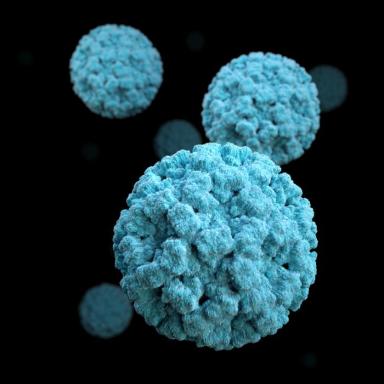
Food Borne Illness - Norovirus -CDC Photo

Outbreaks of norovirus in Sweden linked to shrimp from Estonia may have affected about 100 people.

Reports from local authorities have not been fully compiled yet but based on preliminary information officials believe more than 100 people have fallen sick.

It is mostly local outbreaks at workplaces where people have eaten shrimp sandwiches or a popular product in Scandinavia called “smörgåstårta.” This food, also called a sandwich cake, looks like a cake but instead of sponge uses bread and often includes cheese, vegetables, cold meats and fish.

Peeled shrimps in brine from the implicated batch were mostly distributed within one region which was named by local media as Varnamo in Jönköping County in southern Sweden.

USA – Almost 100 sick as Arby’s restaurant closes for second time – Norovirus

Food Safety News

norovirus-1080x655

An Arby’s restaurant has closed for the second time in less than a month because of an outbreak of foodborne illnesses among its customers. Health officials say the pathogen involved is norovirus, which is notoriously hard to eradicate. 

More than 90 people have reported becoming ill after eating at the Springfield, IL, Arby’s location. The first illnesses were reported in mid-February, spurring the first temporary closure of the restaurant for cleaning.

An employee of the Sangamon County Department of Public Health confirmed that the restaurant on Dirksen Parkway in Springfield has temporarily closed for a second time. The department recommended deep cleaning and employee training. Officials made similar recommendations for the first closure in late February.

New Zealand – New Zealand Food Safety warns consumers not to eat raw mussels – Vibrio parahaemolyticus

MPI

New Zealand Food Safety is warning consumers to thoroughly cook mussels before eating following 2 people reportedly becoming sick from Vibrio parahaemolyticus in the Nelson-Tasman region.

Paul Dansted, director of food regulation at New Zealand Food Safety said, “Vibrio parahaemolyticus is bacteria in mussels that may cause food poisoning if they’re undercooked or eaten raw. People with low immunity, pregnant, or elderly should avoid eating raw or undercooked shellfish as the illness can be more severe.

“While the cause has not been established both people who became ill have reported eating mussels and as a precaution we are reminding consumers to cook mussels thoroughly before consumption.”

New Zealand Food Safety advises consumers to follow simple food safety guidance to avoid contracting Vibrio parahaemolyticus by following 3 simple rules: Clean, Cook, Chill.

Clean

Always wash your hands and kitchen utensils after handling raw seafood, and before using other utensils or handling other foods. This will prevent the bacteria from spreading in your kitchen.

Cook

Cook mussels until steaming hot. Don’t eat shellfish raw or lightly cooked as this won’t get rid of bacteria such as Vibrio parahaemolyticus. One good way to know mussels are fully cooked is that their shells pop open when boiled or steamed, and the mussel inside is firm to the touch.

Chill

Refrigerate shellfish as soon as possible after harvesting or purchasing from the supermarket. You can use a chilly bin filled with ice blocks to transport live shellfish in your car. Once you get home, you should store mussels in a bowl covered with a wet towel in the bottom shelf in your refrigerator.

“New Zealand Food Safety is currently working with the Marlborough/Nelson District Health Board, Marlborough District Council and Institute of Environmental Science and Research to ensure appropriate public health measures are taken,” said Mr Dansted.

What to do if you get sick

If you get sick after eating shellfish, phone Healthline for advice on 0800 61 11 16 or seek medical attention immediately. If possible, store and refrigerate any leftover shellfish for testing.

Vibrio parahaemolyticus symptoms may include: watery or bloody diarrhoea, abdominal cramps, nausea, vomiting, fever, and/or headache.

Note, the event organisers of the Havelock Mussel Festival on Saturday, 13 March have been contacted and are aware of the issue. Organisers will only serve fully cooked mussels at the event.