foodborne outbreak suspected to be caused by and norovirus (GI, GII) in frozen precooked mussels (Mytilus galloprovincialis) from Spain in Spain
KSWFoodWorld

foodborne outbreak suspected to be caused by and norovirus (GI, GII) in frozen precooked mussels (Mytilus galloprovincialis) from Spain in Spain
Posted in food bourne outbreak, food contamination, Food Hazard, Food Hygiene, Food Illness, Food Inspections, Food Micro Blog, Food Microbiology, Food Microbiology Blog, Food Microbiology Testing, Food Pathogen, food recall, Food Safety, Food Safety Alert, Food Testing, Food Virus, foodborne outbreak, foodbourne outbreak, Norovirus, outbreak, RASFF, Virus
The USDA is investigating a Salmonella Hadar outbreak that may be linked to turkey, according to its outbreak investigation table. There is no information about the number of people who have been sickened, illness onset dates, the patient age range, or if anyone has been hospitalized or has died.
Posted in food bourne outbreak, food contamination, food handler, Food Hazard, Food Hygiene, Food Illness, Food Inspections, Food Micro Blog, Food Microbiology, Food Microbiology Blog, Food Microbiology Testing, Food Pathogen, food recall, Food Safety, Food Safety Alert, Food Testing, foodborne outbreak, foodbourne outbreak, outbreak, Salmonella, USDA
Pretoria – More than 100 learners from HM Baloyi Secondary School in Winterveldt, Tshwane, were rushed to various hospitals and clinics on Tuesday following a suspected food poisoning.
“We rushed more than 100 learners to clinics. We spent most of the day visiting the various clinics so we are be able to update parents.
“Health inspectors came and took samples. We were surprised and perturbed. In the three years we have been at the school, we have never had such a case. I ate food from the kitchen and also felt sick.
Thursday, 18 March 2021
| Summary | |
|---|---|
| Category 1: | For Action |
| Alert Notification: | 2021.27 Update 1 |
| Product: | SFC Boneless Box; pack size: 550g
SFC Crispy Chicken Dippers; pack size: 200g |
| Batch Code: | All best before dates up to and including 30.06.2022 |
| Country Of Origin: | United Kingdom |
Further to the FSAI’s food alert 2021.27, SFC is recalling the above batches of two additional chicken products due to the possible presence of Salmonella. Point-of-sale recall notices will be displayed in the stores where the products were sold.
People infected with Salmonella typically develop symptoms between 12 and 36 hours after infection, but this can range between 6 and 72 hours. The most common symptom is diarrhoea, which can sometimes be bloody. Other symptoms may include fever, headache and abdominal cramps. The illness usually lasts 4 to 7 days. Diarrhoea can occasionally be severe enough to require hospital admission. The elderly, infants, and those with impaired immune systems are more likely to have a severe illness.
Retailers must recall the implicated batches and display a point-of-sale recall notice.
Consumers are advised not to eat the implicated batches.


Posted in food bourne outbreak, food contamination, food death, Food Hazard, Food Hygiene, Food Illness, Food Inspections, Food Micro Blog, Food Microbiology, Food Microbiology Blog, Food Microbiology Testing, Food Pathogen, food recall, Food Safety, Food Safety Alert, Food Temperature Abuse, Food Testing, FSAI, microbial contamination, Microbiology, Salmonella, Salmonella in Chicken
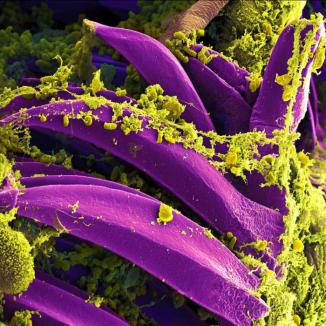
The Swedish Public Health Agency says the outbreak of Yersinia enterocolitica is over.
During the period January and up to the beginning of February, twice as many people fell ill with Yersinia infection as during the same period in a normal year. Of a total of 53 cases of Yersinia enterocolitica, 33 were resident in the regions of Stockholm, Västra Götaland and Halland.
Isolates from 24 of these cases were typed by whole genome sequencing, ie analysis of the bacterium’s genome, and 16 outbreak cases with clustered isolates could be identified.
The Swedish Public Health Agency and the infection control units have collaborated on interviews with sick people and compilation of questionnaire responses about what and where they ate before the illness. A so-called case-case study where questionnaire responses from outbreak cases were compared with questionnaire responses from disease cases with Yersinia infection that did not belong to the outbreak, it emerged that the outbreak cases had to a greater extent visited one and the same restaurant chain.
A contaminated batch of iceberg lettuce distributed to a restaurant chain is the suspected source of infection.
Posted in food bourne outbreak, food contamination, Food Hazard, Food Hygiene, Food Illness, Food Inspections, Food Micro Blog, Food Microbiology, Food Microbiology Blog, Food Microbiology Testing, Food Pathogen, food recall, Food Safety, Food Safety Alert, Food Testing, foodborne outbreak, foodbourne outbreak, outbreak, Yersinia, yersinia enterocolitica
At least 70 MBBS students staying at the Osmania Medical College hostel, Koti, suffered from food poisoning, and of them, 30 were admitted to Gandhi Hospital for treatment.
The students had consumed food provided by a private caterer on the campus. Condition of the 30 medicos was stable and they were expected to be discharged on Wednesday.
College principal P. Shashikala said the students were dehydrated and hence, hospitalised as a precautionary measure. “We are investigating the matter. Food samples have been sent to the Institute of Preventive Medicine (IPM) for examination. Blood and stool samples are being checked in our college,” Dr Shashikala said.
SINGAPORE – Eight Temasek Junior College (TJC) staff have been hospitalised for gastroenteritis symptoms after eating food prepared by Chilli Api Catering last Friday (March 12).
They are currently in stable condition, said TJC principal Low Ay Nar.
Responding to queries from The Straits Times, Mrs Low said that as of Monday (March 15), a total of 43 staff have reported gastroenteritis symptoms after the school provided all its staff with 216 bento lunch boxes from Chilli Api Catering to thank them for their work in Term 1.
Posted in food bourne outbreak, food contamination, Food Hazard, Food Hygiene, Food Illness, Food Inspections, Food Micro Blog, Food Microbiology, Food Microbiology Blog, Food Microbiology Testing, Food Poisoning, Food Safety, Food Safety Alert, Food Testing, foodborne outbreak, foodbourne outbreak, microbial contamination, Microbiology, outbreak, Poisoning
Gladys Osien and Ron Doering from Gowling WLG write in the latest Food in Canada that the listeriosis outbreak linked to cold cuts from a Maple Leaf Foods plant in Toronto in 2008 resulted in 57 confirmed cases and 22 deaths. It was the deadliest foodborne disease outbreak in Canadian history. The recall reportedly cost the company $20 million.
A class action lawsuit from affected consumers and their families was settled quickly by Maple Leaf and its insurance company. But that was not the end of the matter. To carry out extensive sanitation, the plant was closed for several weeks with the result that retail customers and distributors did not obtain their usual supply. 424 Mr. Sub franchise operators sued Maple Leaf for lost sales and damage to reputation. In November 2020, the Supreme Court of Canada in a 5-4 majority decision dismissed the case against Maple Leaf with important implications for Canadian food companies.
Posted in food bourne outbreak, food contamination, food death, food handler, Food Hazard, Food Hygiene, Food Illness, Food Inspections, Food Micro Blog, Food Microbiology, Food Microbiology Blog, Food Microbiology Testing, Food Pathogen, food recall, Food Safety, Food Safety Alert, Food Testing, foodborne outbreak, foodbourne outbreak, Listeria, Listeria monocytogenes, microbial contamination, Microbiology
Tuesday, 16 March 2021
| Summary | |
|---|---|
| Category 1: |
For Action |
| Alert Notification: |
2021.27 |
| Product: |
SFC Take Home Boneless Bucket; pack size: 650g SFC Southern Fried Chicken Burgers; pack size: 228g SFC Chicken Poppets; pack size: 190g SFC Southern Fried Chicken Strips; pack size: 155g |
| Batch Code: |
All best before dates up to and including 30.06.2022 |
| Country Of Origin: |
United Kingdom |
Further to FSAI’s food alerts 2021.20, 2021.20 update 1, and 2021.20 update 2, SFC is recalling the above batches of some of its chicken products due to the possible presence of Salmonella. Point-of-sale recall notices will be displayed in Lidl stores.
People infected with Salmonella typically develop symptoms between 12 and 36 hours after infection, but this can range between 6 and 72 hours. The most common symptom is diarrhoea, which can sometimes be bloody. Other symptoms may include fever, headache and abdominal cramps. The illness usually lasts 4 to 7 days. Diarrhoea can occasionally be severe enough to require hospital admission. The elderly, infants, and those with impaired immune systems are more likely to have a severe illness.
Consumers are advised not to eat the implicated batches.


Posted in food contamination, food death, Food Hazard, Food Hygiene, Food Illness, Food Inspections, Food Micro Blog, Food Microbiology, Food Microbiology Blog, Food Microbiology Testing, Food Pathogen, food recall, Food Safety, Food Safety Alert, Food Testing, foodborne disease, Foodborne Illness, foodborne outbreak, foodbourne outbreak, FSAI, microbial contamination, Microbiology, Salmonella, Salmonella in Chicken
The Statens Serum Institut informed on Friday about an outbreak of disease with suspicion of botulism. Studies have now confirmed that three people were affected by botulism.
Last week, the Statens Serum Institut (SSI) received samples from patients who were being treated for botulism poisoning. Six people had eaten together and three had subsequently developed symptoms.
Now, SSI’s tests have shown that the three were suffering from botulism. Two more people from the company have meanwhile developed mild symptoms and samples from them are now being examined as well. There are still no reports of illness outside the company in question of six people.
The Danish Veterinary and Food Administration has obtained ingredients from and leftovers of the food that has been eaten at the gathering in question. These samples are now also being examined for botulism at SSI’s laboratory.
Posted in botulism, Clostridium botulinum, food contamination, Food Hazard, Food Hygiene, Food Illness, Food Inspections, Food Micro Blog, Food Microbiology, Food Microbiology Blog, Food Microbiology Testing, Food Pathogen, Food Poisoning, food recall, Food Safety, Food Safety Alert, Food Testing, Food Toxin, microbial contamination, Microbiology

 FoodWorld