Category Archives: Food Hygiene

Ireland – Recall of Konspol Chicken Burgers due to the Presence of Listeria monocytogenes

FSAI

Summary
Category 1: For Action
Alert Notification: 2020.36
Product: Konspol Hamburgery z kurczaka  
Batch Code: 294/VI; use by: 20/07/2020
Country Of Origin: Poland

Message:

Konspol – Holding Sp. z o.o. is recalling the above batch of its chicken burgers due to the detection of Listeria monocytogenes.  Point-of-sale recall notices are to be displayed in stores supplied with the implicated batch.

Nature Of Danger:

Symptoms of Listeria monocytogenes infection can include vomiting, nausea, persistent fever, muscle aches, severe headache and neck stiffness.  In rare cases, the infection can be more severe, causing serious complications.  Some people are more vulnerable to Listeria monocytogenes infections, including pregnant women, babies, and people with weakened immune systems, including the elderly.  The incubation period (time between initial infection and first symptoms appearing) is on average 3 weeks, but can range between 3 and 70 days.  

Action Required:

Manufacturers, wholesalers, distributors, caterers & retailers:

Retailers are requested to remove the implicated batch from sale and to display a point-of-sale recall notice in stores where the affected batch was sold.

Consumers:

Consumers are advised not to eat the implicated batch.

Research – Survival and Histamine Production by Histamine-Forming Bacteria Exposed to Low Doses of Gamma Irradiation

JFP

ABSTRACT

Histamine poisoning occurs when fish containing high amount of histamine are consumed. Because histamine is thermally stable, control of histamine-forming bacteria in seafood is an appropriate strategy for preventing the formation of histamine. One prevention method is the use of gamma irradiation on the histamine formers. To understand the effect of gamma irradiation on the histamine-forming bacteria, laboratory isolates of the prolific histamine formers Morganella morganii, Klebsiella variicola, and Proteus vulgaris were exposed to various doses of gamma radiation in nutrient broth and tuna muscle spiked with histamine formers. None of the test bacteria survived in tuna muscle irradiated at 2.0 kGy. K. variicola was highly sensitive to gamma irradiation and was eliminated at a dose of 1.5 kGy. Histamine production also was reduced significantly as the radiation dose increased. These results suggest that gamma irradiation can effectively eliminate histamine-forming bacteria and reduce the threat of histamine poisoning from seafood.

HIGHLIGHTS
  • Histamine-forming bacteria are highly susceptible to low levels of gamma irradiation.
  • Prolific histamine formers in tuna meat were eliminated by irradiation at 2.0 kGy.
  • Irradiation at 1.5 kGy reduced the level of histamine formers in tuna meat by 4 to 5 log CFU.
  • Histamine formation in tuna meat can be controlled by low levels of gamma irradiation.

Research – Salmonella Dublin Makes Inroads In The Beef Industry

BV


Salmonella Dublin (S. Dublin) issues tend to garner more headlines today in the dairy industry than in beef, but it’s still an issue in the latter, says Jackson McReynolds.

The first reported incidence of S. Dublin in beef that McReynolds says he found recorded in literature was in California in 2014, though veterinarians have told him they identified cases of it as early as the 1960s.

USA – Jewel-Osco Voluntarily Recalls Bagged Signature Farms Garden Salad Due to Possible Cyclospora Contamination

FDA Cyclospora_LifeCycle201

A previous version of this press release issued on June 19, 2020 stated that product bearing the facility code “S5417” and that code is incorrect.   The only product bearing the product code “S5424” is subject to recall and it was made at a facility in Streamwood, IL.

In cooperation with the Fresh Express recall of bagged salads potentially linked to an outbreak of Cyclospora infections in the Midwest.  Jewel-Osco is voluntarily recalling bagged Signature Farms Garden Salad, net wt. 12 oz., sold in its stores in Illinois, Indiana, and Iowa.

The recalled Signature Farms Garden Salad, UPC code of 21130 98135, was sold in 12-ounce bags in the Produce section.  The recalled products have BEST IF USED BY dates of May 16 through July 4 (5-16-20 through 7-04-20). The BEST IF USED BY date and the product code are printed on the top right corner of the front of the package.  The affected product with the product code is subject to recall.

Cyclospora cayetanensis is a microscopic parasite of humans. This parasite, when it contaminates food or water and is then ingested, can cause an intestinal illness called cyclosporiasis. Most people infected with Cyclospora develop diarrhea. Other common symptoms include loss of appetite, weight loss, stomach cramps/pain, bloating, increased gas, nausea, and fatigue. Vomiting, body aches, headache, fever, and other flu-like symptoms may be noted. Some people who are infected with Cyclospora do not have any symptoms. If not treated, the illness may last from a few days to a month or longer. Symptoms may seem to go away and then return one or more times.

Consumers are asked to check their refrigerators for the recalled product. Consumers who have purchased the product are asked to discard or return it to the place of purchase for a refund. Customers who have questions about the recall can contact Jewel-Osco at 1-877-723-3929.

CORE’s Announcement


Company Contact Information

Consumers:
Jewel-Osco
 1-877-723-3929

Product Photos

France – Leader Price brand 350g pistachios – Mycotoxin

Oulah

wow, product recall, product recall, consumption, consumer, danger, health, product safety

ENCOUNTERED PROBLEM

Possible presence of a mycotoxin

PROPOSED SOLUTION

Do not consume and return to the point of sale for reimbursement.

FURTHER INFORMATION

▸ Barcode
3263853011112

▸ DLC
07/26/2020

▸ Lot
14: 49

▸ Contact customer service
For any further information, you can contact the customer service by dialing the Toll Free Number: 0 800 35 00 00 (service and call free) from Monday to Friday from 8:30 am to 6:00 pm

▸ Source
https: //www.leaderprice.fr/


Research – Risk of Foodborne Illness from Pet Food: Assessing Pet Owners’ Knowledge, Behavior, and Risk Perception

JFP

Pet food has been identified as a source of pathogenic bacteria, including Salmonella and Escherichia coli. A recent outbreak linked to Salmonella -contaminated pet treats infected over 150 people in the United States. The mechanism by which contaminated pet food leads to human illness has not been explicated. Pet owners’ food safety knowledge and their pet food handling practices have not been reported. This study evaluated pet owners’ food safety knowledge and pet-food handling practices through an online consumer survey. The survey consists of 62 questions and assesses (1) owners’ food safety knowledge and pet-food handling practices; (2) owners’ interaction with pets; (3) owners’ risk perception related to their own health, their children’s health, and their pets’ health. The survey was pilot-tested among 59 pet owners before distribution to a national consumer panel, managed by Qualtrics XM. All participants (n=1,040) were dog and/or cat owners in the United States. Almost all pet owners interacted with their pets (93%) and most cuddled, allowed their pets to lick them, and slept with their pets. Less than one-third of pet owners washed their hands with soap after interacting with their pets. Over half (58%) the owners reported washing their hands after feeding their pets. Most pet owners fed their pets dry pet food and dry pet treats. Some fed their pets raw meat or raw animal product (RAP) diets because they believed these diets to be beneficial to their pet’s overall health. Many owners (78%) were unaware of pet food recalls or outbreaks associated with foodborne pathogens. Less than 25% considered dry pet foods and treats as a potential source of foodborne pathogens. The findings of this study indicated the need for consumer education about pet food handling. The data collected can assist in developing more accurate risk assessment models and consumer education related to pet food handling.

Japan – Over 3,400 students and teachers suffer food poisoning near Tokyo – Update – E.coli ?

Japan Times

More than 3,400 elementary and junior high school students and teachers have contracted food poisoning at 15 schools near Tokyo due to school lunches, local authorities said Thursday.

Students started to complain of food poisoning symptoms such as diarrhea and abdominal pain on June 26 after they ate school lunches including fried chicken and seaweed salad at their schools in Yashio, Saitama Prefecture.

Concluding that the food poisoning was caused by school lunches supplied by lunch deliverer Tobu Kyushoku Center, the prefectural government ordered the company to suspend use of its kitchens for three days.

As the number of students suffering food poisoning increased, 377 students were absent from schools on Monday, though none of them were in serious condition.

E. coli bacteria was detected in the feces of some patients by a local health center.

USA – CDFA Announces Recall of Raw Milk Produced at Valley Milk Simply Bottled of Stanislaus County

PASOROBLES PRESS

Raw milk produced and packaged by Valley Milk Simply Bottled of Stanislaus County is the subject of a statewide recall and quarantine order announced by California State Veterinarian Dr. Annette Jones. The quarantine order came following the confirmed detection of the bacteria Campylobacter jejuni in the farm’s packaged raw whole milk sampled and tested by the California Department of Food and Agriculture.

New Zealand – Shellfish biotoxin alert

MPI

North Island warnings

Hawke Bay

Reason for alert Paralytic shellfish poisoning (PSP)

Date warning issued 2 July 2020

Media release

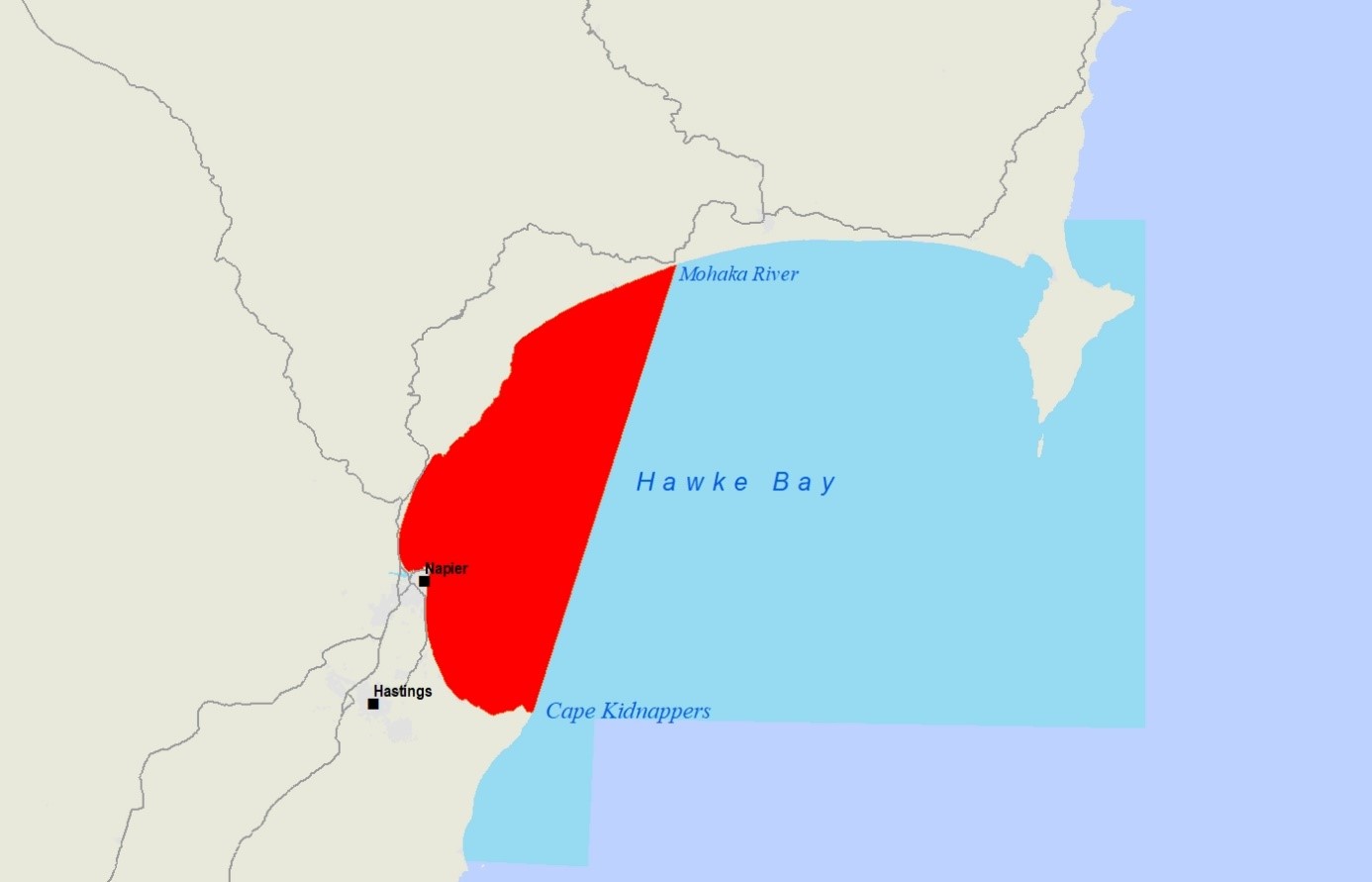
Affected area From Cape Kidnappers to the Mohaka River mouth, Hawke Bay
Shellfish affected Mussels, oysters, tuatua, pipi, toheroa, cockles, scallops, catseyes, kina (sea urchin) and all other bivalve shellfish.

Note, cooking shellfish does not remove the toxin.

Pāua, crab and crayfish may still be eaten if the gut has been completely removed prior to cooking, as toxins accumulate in the gut. If the gut is not removed its contents could contaminate the meat during the cooking process.

Symptoms Symptoms typically appear between 10 minutes and 3 hours after ingestion and may include:

  • numbness and a tingling (prickly feeling) around the mouth, face, and extremities (hands and feet)
  • difficulty swallowing or breathing
  • dizziness
  • headache
  • nausea
  • vomiting
  • diarrhoea
  • paralysis and respiratory failure and in severe cases, death.
Other information Paralytic shellfish toxins have been detected in shellfish at levels over the safe limit of 0.8mg/kg set by MPI. Ongoing testing will continue and any changes will be communicated accordingly.

Map of the affected area

Map showing the affected area
Map from Cape Kidnappers to the Mohaka River mouth, Hawke Bay.


Norway – Yersinia enterocolitica outbreak linked to pre-washed spinach product

Outbreak News Today 

In a follow-up on the Yersinia enterocolitica O3 outbreak that started in mid-May in Norway, health officials are now saying based on an analysis of patient interviews and purchase information show that 22 of 23 cases (96%) state that they have eaten a pre-washed spinach product the week prior to illness. In one case, it has not been possible to conduct an interview.