Category Archives: Food Hygiene

Japan -Food poisoning hits some 3,500 in Japan’s Yashio city schools

Reuters

TOKYO (Reuters) – Almost 3,500 teachers and students at more than a dozen public schools in Japan’s Yashio city have become sick with diarrhoea and stomach pains in a mass food poisoning outbreak.

Saitama prefecture said on Thursday that 3,453 people in 15 elementary and middle schools in Yashio, a city of 92,000 just north of Tokyo, had been affected after eating a lunch supplied by the TQC cooperative on June 26.


RASFF Alert – Listeria monocytogenes – Smoked Salmon Bacon – Organic Young Sprouts – Pasteurised Milk Cheese – Frozen Sliced Octopus

RASFF-Logo

RASFF – Listeria monocytogenes (presence) in smoked salmon bacon from France in France

RASFF – Listeria monocytogenes (presence /25g) in organic young sprouts from France in Belgium

RASFF – Listeria monocytogenes (presence /25g) in pasteurized milk cheese from France in France

RASFF – Listeria monocytogenes (presence /25g) in frozen sliced cooked octopus from Spain in Spain

RASFF Alert – Foodborne Outbreak – Salmonella enterica ser. Enteritidis – Eggs

RASFF-Logo

RASFF – foodborne outbreak suspected to be caused by Salmonella enterica ser. Enteritidis in eggs from the United Kingdom in the UK

RASFF Alerts – Aflatoxin – Ochratoxin A -Soya Chunks – Dried Figs – Groundnuts

RASFF-Logo

RASFF – aflatoxins (B1 = 6.9 µg/kg – ppb) and ochratoxin A (60 µg/kg – ppb) in soya chunks from India, via the United Kingdom in Switzerland

RASFF – aflatoxins (Tot. = 13 µg/kg – ppb) in diced dried figs from Turkey in France

RASFF – aflatoxins (B1 = 6.8; Tot. = 8.2 / B1 = 7.4; Tot. = 8.4 µg/kg – ppb) in groundnuts from Egypt in the Netherlands

RASFF Alert – E.coli – Live Clams

RASFF-Logo

RASFF – too high count of Escherichia coli (790 MPN/100g) in live clams (Ruditapes philippinarum) from Italy in Italy

RASFF Alerts – Salmonella – Chicken Products from Poland – Almonds – Duck Eguilette – Black Pepper

RASFF-Logo

RASFF – Salmonella enterica ser. Enteritidis (presence /25g) in frozen chicken leg meat from Poland in the Netherlands

RASFF – Salmonella (presence /250g) in almonds from the United States in Germany

RASFF – Salmonella enterica ser. Enteritidis (in 5 out of 5 samples /25g) in frozen chicken wings from Poland in Bulgaria

RASFF – Salmonella enterica ser. Havana (presence /25g) in chilled chicken legs from Poland in the Czech Republic

RASFF – Salmonella (presence /25g) in chilled duck eguilette from Belgium in Belgium

RASFF – Salmonella enterica ser. Infantis (in 5 out of 5 samples /25g) in frozen chicken roll with cheese and bacon from Bulgaria, with raw material from Greece, Germany, the Netherlands and Poland in Greece

RASFF – Salmonella (presence /25g) in black pepper from Brazil in the Netherlands

RASFF – Salmonella enterica ser. Enteritidis, Salmonella enterica ser. Infantis and Salmonella enterica ser. Newport in frozen chicken fillets from Poland in France

Research -Cyclospora: A Long-term Challenge for Food Suppliers

World Aware

Outbreaks of cyclosporiasis, an illness caused by the parasite Cyclospora cayetanensis, occur almost every year in the US, and this summer is no exception. People can become infected with Cyclospora by consuming food or water contaminated with the parasite. Since May 1, more than 206 laboratory-confirmed cases of cyclosporiasis have been reported across 8 states in the Midwest.

Based on interviews with patients, investigators traced the outbreak back to bagged salad mix. The recent outbreak of Cyclospora infections highlights the importance of compliance with the Food and Drug Administration Produce Safety Rule and specifically worker health and hygiene principles.

The Centers for Disease Control and Prevention (CDC) and the Food and Drug Administration (FDA) have made attempts to better understand the factors contributing to Cyclospora infections.  However, many cases of cyclosporiasis cannot be directly linked to an outbreak, in part because of the lack of validated molecular typing tools for Cyclospora cayetanensis.

It is likely, in the future, new analysis methods will be developed to differential strains of Cyclospora, if there is enough genetic diversity. This will allow a way to focus more quickly on illness clusters and more rapid traceback of food vehicles to production sites. This should allow for environmental assessments at production sites to determine routes of contamination and prevention option.

In the meantime, the best we can do is to emphasize the importance of compliance with the Food and Drug Administration Produce Safety Rule, and specifically worker health and hygiene principles.


USA -Garland Ventures LTD Voluntary Recalls Five Cheese Stuffed Shells Because of Possible Health Risk

FDA

Garland Ventures Ltd of Garland, Texas is voluntary recalling 1095 cases of Five Cheese Stuffed Shells trays because they have the potential to be contaminated with Listeria monocytogenes, an organism which can cause serious and sometimes fatal infections in young children, frail or elderly people, and others with weakened immune systems. Although healthy individuals may suffer only short-term symptoms such as high fever, severe headache, stiffness, nausea, abdominal pain and diarrhea, Listeria infection can cause miscarriages and stillbirths among pregnant women.

The recalled “Five Cheese Stuffed Shells” was distributed nationwide in limited number of retail stores.

The product “Five Cheese Stuffed Shells” comes in 10.76 ounces containing shells with marinara sauce, mozzarella cheese and parsley, and packed in aluminum foil container with clear lid marked lot# F080SS/F090SS on the bottom of label.

No illnesses have been reported to date in connection with this problem.

USA – Norpac Fisheries Export Recalls Shrimp Poke Due to Possible Health Risk – Listeria monocytogenes

FDA

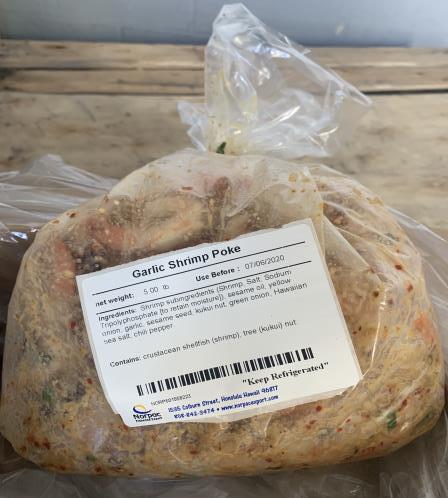
Norpac Fisheries Export is recalling all fresh shrimp poke distributed in the Hawaiian Island between May 11, 2020 and June 25, 2020 because it has potential to be contaminated with Listeria monocytogenes, an organism which can cause serious and sometimes fatal infections in young children, frail or elderly people, and others with weakened immune systems. Although healthy individuals may suffer only short-term symptoms such as high fever, severe headache, stiffness, nausea, abdominal pain and diarrhea, Listeria infection can cause miscarriages and stillbirths among pregnant women.

Product was distributed in Hawaii on The Big Island, Maui, Oahu, and Kauai through its retail customers, specifically Safeway Stores.

Any fresh shrimp poke purchased from their stores from May 11th, through June 25, 2020 would be potentially contaminated.

Shrimp poke is distributed as pre-mixed in plastic pouches and go to service counter and then dishes out in various weight increments into a “deli cup”. This is a photo of product and label.

“No illnesses have been reported to date.”

We became aware of this problem during our routine Food Safety monitoring procedures, as we perform laboratory analysis of our work areas, equipment, surfaces, drains, raw materials and completed product. As a result of our routine random product and materials testing, we tested the shrimp used to make the shrimp poke, by having a sample sent to an independent lab for analysis. The results were received June 25, 2020 indicating a positive result for Listeria monocytogenes. We are proceeding under the cautious assumption that all of the shrimp from our supplier is contaminated.

Our company has ceased the production and distribution of the product using this shrimp, as the FDA and the company continue their investigation as to the exact source of the problem.

Consumers who have purchased Fresh Shrimp Poke are urged to return it to the place of purchase for a full refund. Consumers with questions may contact the company at 1-808-842-3474 Mon – Fri 8:00am. – 5:00pm. (HST, Hawaii standard time).


Product Photos

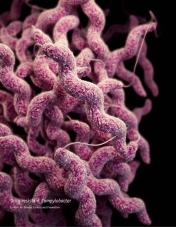
Netherlands – Zandvliet Chicken Grill sausage 225 grams, Albert Heijn – Campylobacter

NVWA

campy2

Image CDC

Zandvliet Vleeswaren has decided to take the Zandvliet Extra Seasoned Chicken Grill Sausage (225 grams) with expiry date (best before) 30-07-2020 and EAN code 87244465 immediately from the stores. It only concerns the product with this specific expiry date. The product has been delivered to Albert Heijn. The disease-causing Campylobacter bacteria has been found in this product with the above-mentioned best before date, which can lead to gastrointestinal complaints, flu, diarrhea and abdominal pain. Consult your doctor or general practitioner if you have any questions about health problems.