
microbial contamination (yeasts, molds, Staphylococcus aureus) of pyramide cake products and rum balls from Germany in Germany

microbial contamination (yeasts, molds, Staphylococcus aureus) of pyramide cake products and rum balls from Germany in Germany
The FDA, along with CDC and state and local partners, investigated a multistate outbreak of Salmonella Stanley infections linked to wood ear mushrooms imported by Wismettac Asian Foods, Inc. of Santa Fe Springs, CA. Wood ear mushrooms are a dried mushroom, also commonly labelled or referred to as Kikurage, Dried Black Fungus, Dried Fungus, or Mu’er/Mu Er/Mu-Err.
Wismettac Asian Foods, Inc. acted quickly upon being notified of the positive test result and recalled all wood ear mushrooms within shelf life on September 23, 2020.
Wood ear mushrooms imported by Wismettac Asian Foods, Inc. were only sold to restaurants and were not available directly to consumers. Although these items have been recalled, restaurants that received recalled products should use extra vigilance in cleaning and sanitizing any surfaces that may have come in contact with the recalled product, to reduce the risk of cross contamination. All recalled product should be thrown out.
November 4, 2020
As of November 4, 2020, the CDC declared that this outbreak is over.
General Food Safety Tips for Dried Mushrooms
Dried mushrooms, that have not been recalled due to potential contamination, should always be reconstituted using boiling water to kill any pathogens. This advice does not apply to recalled products, which should be thrown out.
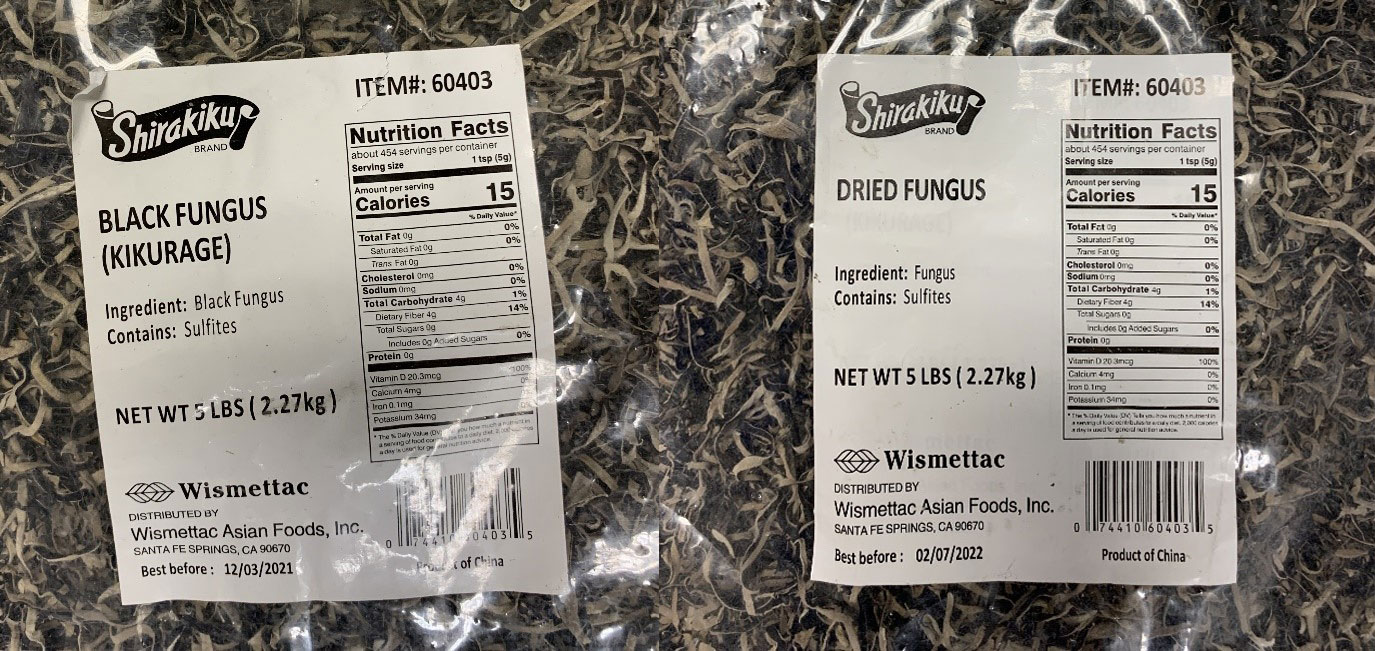
On September 23, 2020, Wismettac Asian Foods, Inc. recalled Shirakiku brand imported dried fungus. This product was labeled as Shirakiku brand Black Fungus (Kikurage) with UPC Code 00074410604305, imported from China. Product was distributed in six packs of five-pound bags to restaurants in AR, CA, CO, CT, DE, DC, FL, GA, HI, IA, IL, IN, LA, MA, MD, MI, MN, MO, MS, NC, NV, NJ, NY, OH, OR, PA, SC, TN, TX, VA, WA, and WI.
Posted in Bacteria, bacterial contamination, FDA, food bourne outbreak, food contamination, food handler, Food Hygiene, Food Illness, Food Inspections, Food Micro Blog, Food Microbiology, Food Microbiology Blog, Food Microbiology Testing, Food Pathogen, Food Poisoning, food recall, Food Safety, Food Safety Alert, Food Testing, foodborne outbreak, foodbourne outbreak, outbreak, Salmonella

Norovirus food poisoning outbreaks in Korea (South) appeared in 2000s and have been increasing since then. We aimed to investigate the epidemiological features of norovirus food poisoning outbreaks in Korea over the past years (2002 ~ 2017), based on official food poisoning statistics and available reports, and to find their association with climate factors. Norovirus was the most common cause of food poisoning among known causative substances in Korea during the study period. More than one-third of the incidents occurred in group meal-service facilities, including school lunch programs. A few of these facilities used groundwater contaminated with noroviruses to wash / cook food, which contributed to outbreaks. Norovirus occurrences showed strong seasonality; cold and relatively dry winter air may help norovirus to flourish. Both norovirus genotypes GI and GII infectious to humans were detected, with GII becoming more prevalent than GI. According to our correlation analysis in connection with climate factors, average temperatures, the highest and lowest temperatures, precipitation, the number of rain days, and humidity showed a significant negative correlation with a monthly norovirus occurrence (p < 0.05). The lowest temperature and average temperature had higher coefficients of correlation, -0.377 and -0.376, respectively. The norovirus outbreaks in Korea showed complex etiological characteristics, although it more prevailed in wintertime, and are now considered as a major public health problem. The use of groundwater in group meal-service settings has a public health impact as well as norovirus concern, therefore groundwater used in food service facilities / business should be treated for safety.
Posted in food bourne outbreak, food contamination, Food Hygiene, Food Illness, Food Inspections, Food Micro Blog, Food Microbiology, Food Microbiology Blog, Food Microbiology Research, Food Microbiology Testing, Food Pathogen, Food Poisoning, Food Safety, Food Virus, foodborne outbreak, foodbourne outbreak, Norovirus, outbreak, Poisoning, Research, Virus
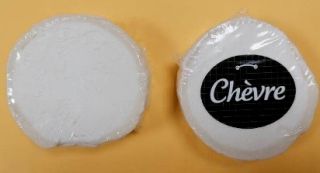
| Last name | Goat cheese log (sold in the self-service cheese stand section) |
| Mark | BETTINE |
| Unit | 150 g |
| Bar code | 3060921463206 |
| Use by date (DLC) | from 28/10/2020 to 22/11/2020 |
| Lot | all |
| Last name | Goat cheese 25% |
| Mark | Centurion |
| Unit | 150/200 g |
| Use by date (DLC) | 11/15/2020 |
| Lot | EG020EGE |
Danger : Potential presence of Listeria monocytogenes
Listeria monocytogenes can cause fever, headache, and gastroenteritis. Vulnerable people such as the immunocompromised and the elderly and young children may experience neurological symptoms due to meningitis. Pregnant women should also pay special attention to these symptoms. Gastroenteritis can appear between a few hours and 3 days after consumption, while neurological symptoms can only appear after 3 months. People who have consumed these products and who present these symptoms are advised to consult a doctor, notifying him of this consumption.
Sale in Luxembourg by: Auchan et Match
A sale by other operators cannot be excluded.

Maine Center for Disease Control and Prevention (Maine CDC) has identified an outbreak of cryptosporidiosis in individuals who consumed unpasteurized/raw milk from Roux Farm in Shapleigh, Maine, within the last two months. Epidemiologists identified at least four individuals who became ill and tested positive for cryptosporidiosis. Anyone who consumed raw milk (regular or any flavor) from Roux Farm produced before October 18, 2020, may be at elevated risk of cryptosporidiosis. Raw milk from the farm was sold through a variety of stores in the state.
Posted in Contaminated water, Cryptosporidiosis, Cryptosporidium, food contamination, Food Hygiene, Food Illness, Food Inspections, Food Micro Blog, Food Microbiology, Food Microbiology Blog, Food Microbiology Testing, Food Pathogen, food recall, Food Safety, Food Safety Alert, Protozoan, Raw Milk, Water, water microbiology, Water Safety
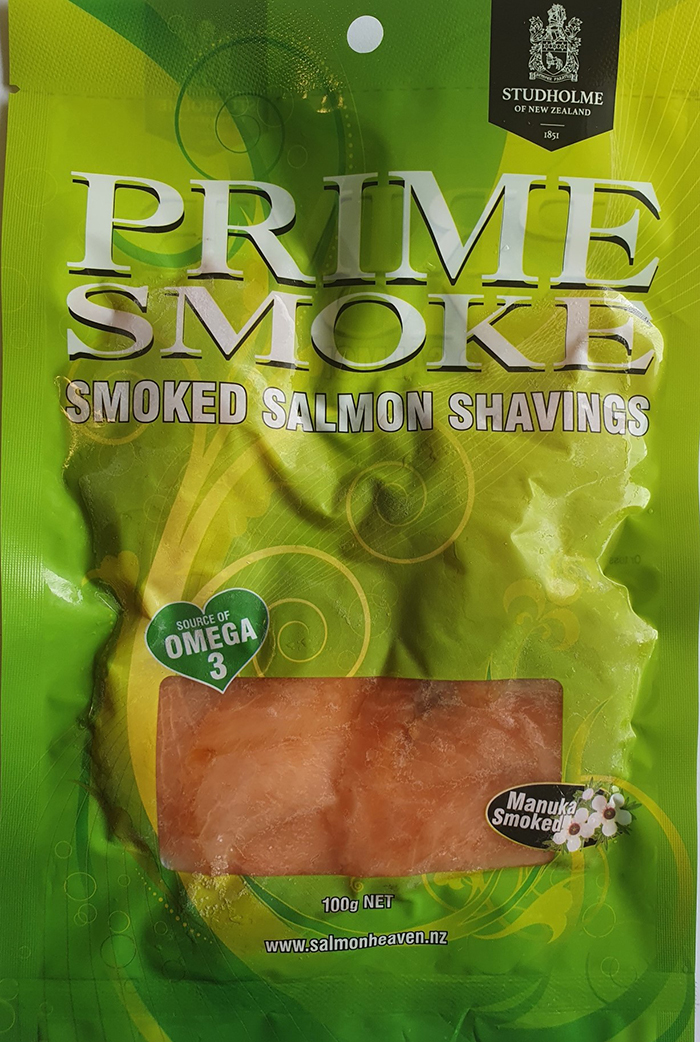
| Product type | Ready-to-eat Smoked fish |
| Name of product (size) | Prime Smoke brand Smoked Salmon Shavings (100g) |
| Batch marking | 13012608F |
| Package size and description | The product is sold in a 100g plastic bag. |
| Distribution | The product is sold at the below supermarkets in the North Island:
Auckland
Waikato
Bay of Plenty
Taranaki
Wellington
The product has not been exported. |
| Notes | This recall does not affect any other Prime Smoke brand products or any other products from Hororata Foods Ltd. |
Customers are asked to check the batch marking printed on the sticker on the back of the packet.
Affected product should not be consumed unless the product is cooked thoroughly (piping hot all the way through). There have been no reports of illness, however, if you have consumed any of this product and have any concerns about your health, seek medical advice.
Customers should return the product to their retailer for a full refund or cook thoroughly (piping hot all the way through).
Information on Listeria and food safety from the Ministry for Primary Industries:
If you have questions, contact Hororata Foods Ltd:
Baden-Württemberg:poststelle@mlr.bwl.de
Bavaria:poststelle@lgl.bayern.de
Following a notification via the RASFF system (European Food and Feed Rapid Alert System), the presence of Listeria monocytogenes was detected in goat cheeses of the Bettine, Delhaize and Centurion brands.
The AFSCA has therefore decided to withdraw these products from sale and to recall them to consumers.
The AFSCA also asks not to consume these products and to bring them back to the point of sale where they were purchased.
Product description
Ripened goat cheese from the Bettine brand
– Product name: geitenkaas gerijpt 200g
– Brand: Bettine
– Use by date (DLC): from 10/28/2020 to 12/30/2020
– Item number: 5020060
– EAN code: 8712023011292
– Weight: 200g

The product was sold via Sligro (Ottergemsesteenweg Zuid 720, 9000 Gent)
White goat cheese from the Bettine brand
– Product name: geitenkaas wit 450g
– Brand: Bettine
– Use by date (BBD): from 28 /
10/2020 to 12/30/2020 – Article number: 5010434
– EAN code: 8712023020089
– Weight: 450g

The product was sold via Sligro (Ottergemsesteenweg Zuid 720, 9000 Gent) and via Ramhoreca (Zoning du Brûlé 79, 7390 Quaregnon)
Bûche Sainte Maure (200g) from the brand Delhaize
– Product name: Bûche Sainte Maure 200g
– Brand: Delhaize
– Use by date (DLC): 6/11/2020, 10/11/2020, 11/11/2020, 17/11/2020, 19/11/2020, 24/11/2020, 26/11/2020 , 1/12/2020, 8/12/2020, 15/12/2020 and 23/12/2020
– Weight: 200g

The product was sold through Delhaize stores.
Centurion brand goat log
– Product name: 25% goat cheese log
– Brand: Centurion
– Lots and use-by dates (DLC):
o Product sold at Match:
– DLC = 15/11/2020 with lot number = EG020EGE
– DLC = 04/11/202 with lot number = E305E34
– DLC = 08/11/2020 with lot number = E8008E8A
– DLC = 11/11/2020 with lot number = EG009EGE
o Product sold at Cora:
– Lot = E7017E7A with DLC = 7/11/2020
– Lot = E9009EAA with DLC = 10/11/2020
– Lot = EG009EGE with DLC = 14/11/2020
– Lot = F0007F0A with DLC = 17/11/2020
– Lot = F0007F24 with DLC = 17/11/2020
– Weight: 150 g and 200 g

The product was sold through the Match and Cora stores .
About Listeria monocytogenes (identity sheet, recommendations for consumers): http://www.afsca.be/consommateurs/viepratique/intoxicationsalimentaires/listeriainfo/
For any further information, you can contact the AFSCA contact point for consumers: 0800 / 13.550 or pointdecontact@afsca.be .
The Maine Center for Disease Control and Prevention (Maine CDC) has identified a case of acute hepatitis A virus infection in a Bangor, Maine, food service worker. The case handled food while infectious on October 16-18, 20, 22-25, 27 and 29.
Epidemiological assessment of the employee’s illness determined that restaurant patrons may be at risk for hepatitis A infection. Maine CDC is recommending that anyone who may have eaten food prepared at or who worked at the Texas Roadhouse in Bangor on the dates listed above between October 20th through October 29th receive hepatitis A vaccine within 14 days of their last exposure as there is a 14-day window during which prophylaxis is effective.
This recommendation includes anyone who may have had dine-in, take-out, delivery, or curbside pickup of food from the restaurant. Anyone who visited the restaurant from October 16th through October 19th, 2020, is outside the window for which prophylaxis is recommended, but is advised to watch for symptoms and seek medical attention should they develop symptoms.
Prosecutors have relaunched an investigation of McDonald’s in South Korea for its alleged connection to a recent case of the haemolytic uremic syndrome (HUS)—a life-threatening condition, dubbed the “hamburger disease”, caused by a strain of E.coli.


