Category Archives: Biotoxin

New Zealand – Shellfish Biotoxin Alert – North Island

MPI

Current warning

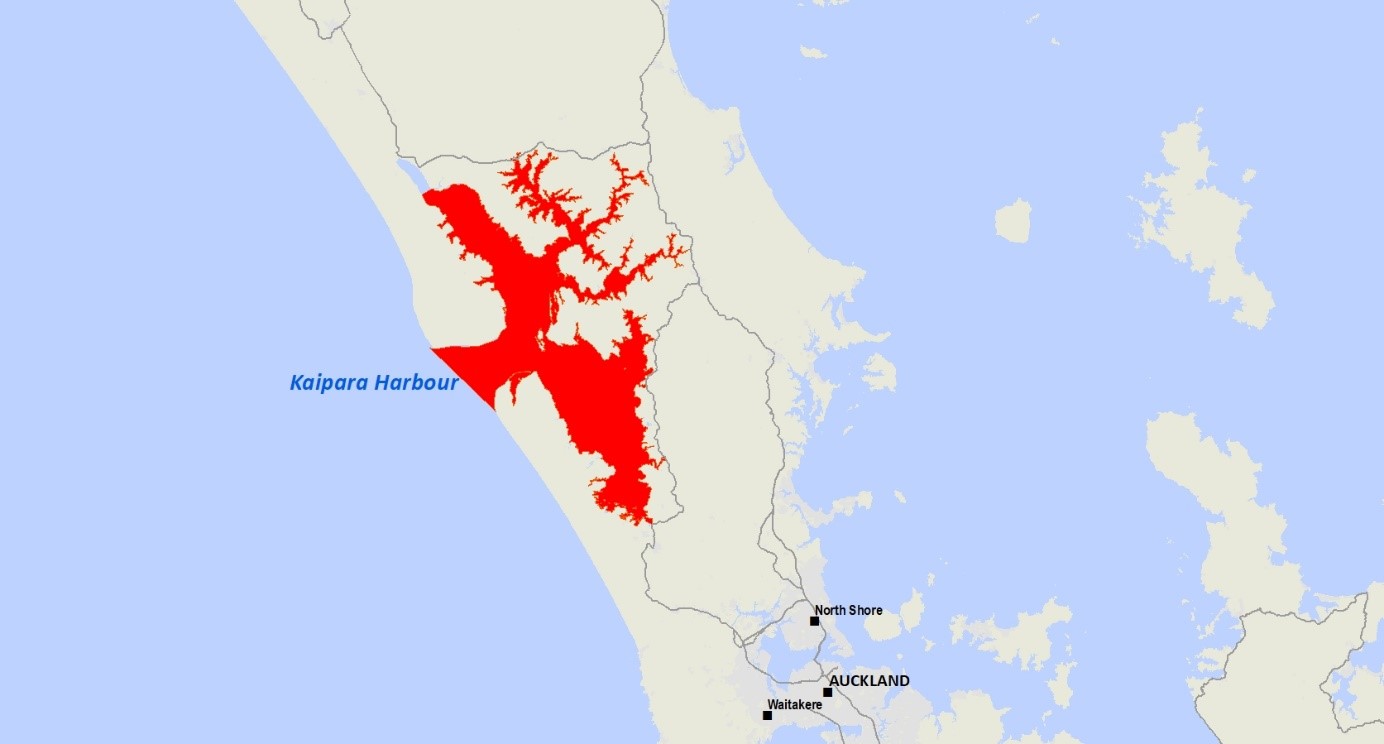
Kaipara Harbour, Auckland

NORTH ISLAND WARNING

Reason for alert Paralytic Shellfish Poisoning (PSP)

Date warning issued 10 February 2023

Media release

Affected area The warning extends throughout the whole of the Kaipara Harbour up to a line across the entrance from the top of Oneone Beach across to North Head.
Shellfish affected Mussels, oysters, tuatua, pipi, toheroa, cockles, scallops, catseyes, kina (sea urchin) and all other bivalve shellfish.

Note, cooking shellfish does NOT remove the toxin.

Pāua, crab and crayfish may still be eaten if the gut has been completely removed prior to cooking, as toxins accumulate in the gut. If the gut is not removed its contents could contaminate the meat during the cooking process.

Symptoms Symptoms typically appear between 10 minutes and 3 hours after ingestion and may include:

  • numbness and a tingling (prickly feeling) around the mouth, face, and extremities (hands and feet)
  • difficulty swallowing or breathing
  • dizziness
  • headache
  • nausea
  • vomiting
  • diarrhoea
  • paralysis and respiratory failure and in severe cases, death.
Other information Paralytic shellfish toxins have been detected in shellfish from the Kaipara Harbour at levels over the safe limit of 0.8mg/kg set by MPI. Ongoing testing will continue and any changes will be communicated accordingly.

Map of affected area

USA – Investigated Illnesses and Outbreaks Table Update for Seafood Related Natural Toxin and Scombrotoxin Fish Poisoning

FDA

January 12, 2023

Table 1: Closed Illness and Outbreak Incidents is a list of investigations that were managed by FDA’s Seafood-Related Natural Toxin and Scombrotoxin Fish Poisoning Team for Fish Other Than Molluscan Shellfish. The listed incidents have been completed at this time.

The table is managed and updated when a significant number of illnesses have been investigated in a specific period of time or at least quarterly.

The table has been updated to illustrate additional information such as

  • Pending analytical results;
  • Confirmed fish/fishery product species identifications; and
  • Completed analytical results are listed in their own column.

The following FDA tracking numbers, and illness type have been added to the table:

  • 20-09-08: CFP;
  • 22-08-15: SFP;
  • 22-08-17: SFP;
  • 22-09-18: SFP;
  • 22-09-20: CFP/SFP;
  • 22-10-21: Unknown;
  • 22-11-22: SFP; and
  • 22-12-23: SFP.

The table may be found at: How to Report Seafood-Related Toxin and Scombrotoxin Fish Poisoning Illnesses | FDA

New Zealand – Consumers urged not to eat illegal mussels

MPI

New Zealand Food Safety is urging consumers not to eat mussels being sold illegally at independent retailers or online.

The sale of imported mussels is carefully controlled to ensure they meet New Zealand’s food safety requirements. While mussels from Fiji may be brought into New Zealand for personal use, they cannot be sold.

Deputy director general Vincent Arbuckle says Fijian mussels have been removed from sale at some smaller retailers catering to Pacific Island communities, and online.

“As New Zealand Food Safety has not assessed Fiji’s growing, harvesting and processing controls for mussels we cannot be confident that the mussels don’t pose a food safety risk to consumers.”

The mussels are also known as: Nakai, Naakai, Nakaai, Kai, Batissa violacea and Fresh Water Mussels.

“It’s vital that mussels available to buy for members of the public are safe to eat. Knowing where the mussels you want to buy have come from can help reduce the risk of any potential health problems.

“Our message to people buying mussels is that if you are in any doubt, ask the retailer where the product has come from. If it is from Fiji, the mussels should not be for sale.”

Mussels are a higher risk food because of the way they feed, which increases the likelihood of contamination from bacteria, viruses, toxins and chemicals.

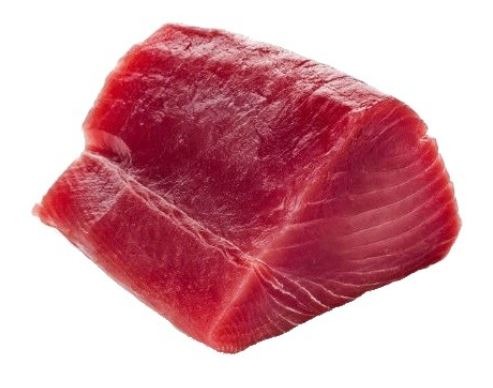
France – Tuna loin – Histamine

Gov france

Identification information of the recalled product

  • Product category Food
  • Product subcategory Fishery and aquaculture products
  • Product brand name Unbranded
  • Model names or references Yellowfin tuna loin 3/5kg caught in the Indian Ocean
  • Identification of products
    GTIN Batch Date
    2812649000000 348 Use-by date 05/26/2022
  • Packaging Under vacuum
  • Marketing start/end date From 05/17/2022 to 05/24/2022
  • Storage temperature Product to be stored in the refrigerator
  • Health mark DFRA/FPE/98/77
  • Geographic area of ​​sale Whole France
  • Distributors U Teaches
  • List of points of sale List_stores.pdf

Practical information regarding the recall

  • Reason for recall Histamine levels above the norm
  • Risks incurred by the consumer Other biological contaminants

Guatemala – Four deaths in Guatemala linked to contaminated shellfish – Saitoxin – PSP

Food Safety News

More than 30 people have fallen sick and four have died in Guatemala after eating shellfish.

The National Commission for the Surveillance and Control of Red Tide in Guatemala has extended an alert because of the presence of saxitoxins above the limits on the coasts of Tiquisate, Escuintla, Retalhuleu and San Marcos.

Public health officials said that since the end of April, 34 people had been affected and three children and one adult had died.

Authorities urged the public not to eat bivalve mollusks such as mussels, clams and oysters.

A warning was issued earlier this month after monitoring and analysis detected high concentrations of saxitoxins above the limits.

Saxitoxin is a toxin responsible for paralytic shellfish poisoning (PSP). Harmful algal blooms are often called red tides.

RASFF – Lipophilic Toxins – Tellins

RASFF

Detection of lipophilic toxins on tellins in Italy, Spain and Switzerland

New Zealand – Public health warning about shellfish in West Coast, South Island – Shellfish Toxins -DSP – Diarrhetic shellfish toxins

MPI

The Ministry for Primary Industries (MPI) today issued a public health warning against collecting shellfish from the South Island West Coast between Greymouth and Charleston. Diarrhetic shellfish toxins have been detected in mussels from 12-Mile Bluff at levels above the safe limit set by MPI.

Anyone eating shellfish from this area is potentially at risk of illness.

Ongoing testing will continue and any changes will be communicated accordingly.

Mussels, oysters, tuatua, pipi, toheroa, cockles, scallops, catseyes, kina (sea urchin) and all other bivalve shellfish should not be eaten.

Note, cooking shellfish does not remove the toxin.

Pāua, crab and crayfish may still be eaten if the gut has been completely removed prior to cooking, as toxins accumulate in the gut. If the gut is not removed its contents could contaminate the meat during the cooking process.

Symptoms typically appear within half an hour of ingestion and last for about 24 hours. Symptoms may include:

  • diarrhoea
  • vomiting
  • nausea
  • abdominal cramps

If anyone becomes ill after eating shellfish from an area where a public health warning has been issued, freephone Healthline for advice on 0800 61 11 16, or seek medical attention immediately. You are also advised to contact your nearest public health unit and keep any leftover shellfish in case it can be tested.

Commercially harvested shellfish – sold in shops and supermarkets, or exported – is subject to strict water and flesh monitoring programmes by MPI to ensure they are safe to eat. There is no commercial harvesting of shellfish in the affected area.

USA – Marine Biotoxin Management for Molluscan Shellfish Training Video

FDA

FDA developed a training video on marine biotoxin management to provide a better understanding of specific biotoxin concepts in the National Shellfish Sanitation Program (NSSP). The video has been updated and reflects the NSSP Guide for the Control of Molluscan Shellfish: 2019 Revision. The video, comprised of three learning modules, is a tool to help the seafood industry and state and federal agencies understand biotoxin sources and geographic distributions, develop or improve marine biotoxin management and contingency plans, and determine the appropriate laboratory methods for specific applications.

New Zealand – Shellfish biotoxin alerts

MPI

ALL WARNINGS ARE UP-TO-DATE

We review the warnings on this page following sampling, and update it when we find toxic shellfish.

If you have questions, email info@mpi.govt.nz

Current warnings

No warnings are in place.

Dates of recent warnings issued and removed
  • 20 January 2022: Grove Arm and Banks Peninsula warnings removed
  • 17 December 2021: Extended to entire Banks Peninsula warning issued
  • 15 December 2021: Akaroa Harbour warning issued
  • 24 November 2021: Marlborough Sounds warning issued
  • 16 June 2021: Hawke Bay warning removed

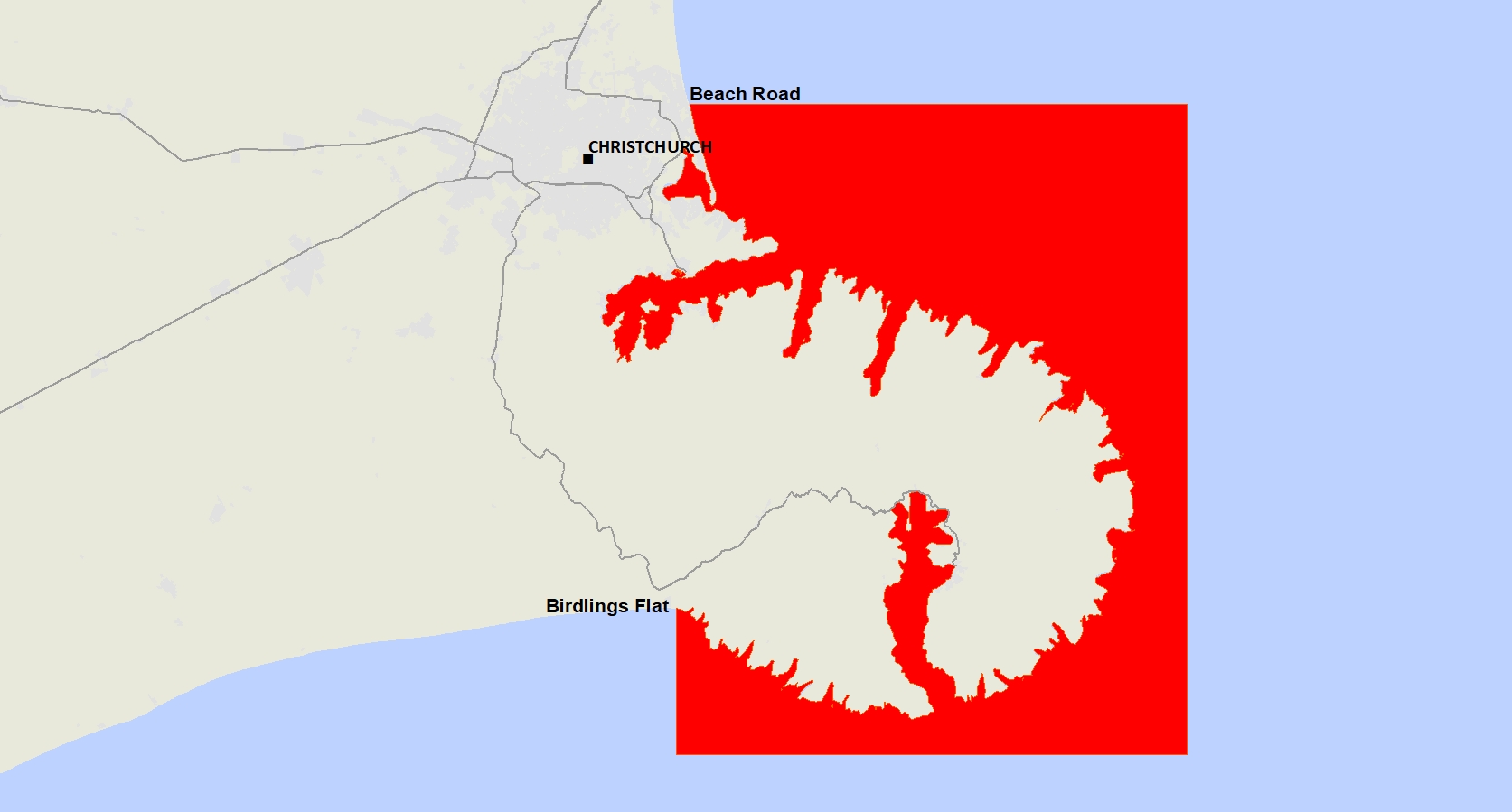
New Zealand – Public health warning about shellfish in Banks Peninsula, Canterbury – Biotoxin – DSP

MPI

The Ministry for Primary Industries (MPI) today extended a public health warning against collecting shellfish from the entire Banks Peninsula in Canterbury following further test results. Diarrhetic shellfish toxins in shellfish have been found at levels nearly 3 times over the safe limit of 0.16 mg/kg set by MPI. Anyone eating shellfish from this area is potentially at risk of illness.

Another warning remains in place for Grove Arm in the Marlborough Sounds.

Ongoing testing will continue and any changes will be communicated accordingly. Commercial shellfish aquaculture farms in the affected area have already ceased harvesting due to rainfall closures and there are no concerns regarding recently harvested product.

Mussels, oysters, tuatua, pipi, toheroa, cockles, scallops, catseyes, kina (sea urchin) and all other bivalve shellfish should not be eaten.

Note, cooking shellfish does not remove the toxin.

Pāua, crab and crayfish may still be eaten if the gut has been completely removed prior to cooking, as toxins accumulate in the gut. If the gut is not removed its contents could contaminate the meat during the cooking process.

Symptoms typically appear within half an hour of ingestion and last for about 24 hours. Symptoms may include:

  • diarrhoea
  • vomiting
  • nausea
  • abdominal cramps

If anyone becomes ill after eating shellfish from an area where a public health warning has been issued, freephone Healthline for advice on 0800 61 11 16, or seek medical attention immediately. You are also advised to contact your nearest public health unit and keep any leftover shellfish in case it can be tested.

Commercially harvested shellfish – sold in shops and supermarkets, or exported – is subject to strict water and flesh monitoring programmes by MPI to ensure they are safe to eat. There is no commercial harvesting of shellfish in the affected area.