Author Archives: KSW

RASFF Alerts – Aflatoxin – Dried Figs – Corn Flour – Hazelnut Meal -Peanuts – Groundnuts -Almond Kernels – Peanut Butter

RASFF

Exceedance of aflatoxin B1 at the level of 21.62 +/- 3.46 µg/kg and the sum of aflatoxins B1, B2, G1, G2 at the level of 26.35 +/- 4.6 µg/kg in dried figs from Greece in Poland and Germany.

RASFF

Aflatoxins in corn flour from Colombia in Spain

RASFF

Aflatoxins in hazelnut meal from Georgia in Germany and Bulgaria

RASFF

Aflatoxins in peanuts from USA in Bulgaria

RASFF

Aflatoxin in groundnuts from the United States in the Netherlands, Switzerland and Germany

RASFF

Aflatoxins in almond kernels from the United States in Italy and Germany

RASFF

Border rejection notification on peanuts due to presence of aflatoxins from India in Denmark

RASFF

Aflatoxins in peanut butter from United States in Belgium

RASFF Alert- Ochratoxin – Dried Raisins

RASFF

Exceeding the MRL for ochratoxin A (17.4 µg/kg +/- 4.2 µg/kg) in dried raisins from Afghanistan, supplier from Turkey in Poland

RASFF Alert – E.coli – Clams

RASFF

Presence of E. coli in quantities exceeding the limits in the clams/lupine from Italy in San Merino

RASFF Alerts – Listeria monocytogenes – Fish Products – RTE Salad – Smoked Duck Breast – Cheese

RASFF

Listeria monocytogenes in fish product from Latvia in Estonia

RASFF

Listeria monocytogenes in ready-to-eat salad from France in Belgium

RASFF

Listeria monocytogenes in smoked duck breast from Belgium in France

RASFF

Listeria monocytogenes in cheese from Italy in Slovenia

RASFF Alerts – Salmonella – Chicken Meat – Capsicum annuum, Chicken Products – Halva – Pistachios – Frozen Duck – Macaroons – Sesame Seeds

RASFF

Salmonella Agona in chicken meat (used for skewers) from Belgium in Germany and the Netherlands

RASFF

Salmonella Infantis in chilled chicken meat from Ukraine in Hungary and the Netherlands

RASFF

Capsicum Annuum ex China Salmonella in the Netherlands

RASFF

Detection of Salmonella Typhimurium in chicken products from France in Germany, Monaco and Switzerland

RASFF

Salmonella detected in halva from Syria in Germany and Belgium

RASFF

Salmonella spp. in pistachios from the United States in Germany

RASFF

Salmonella Telelkebir in halva from Turkey in Germany, Iceland and Portugal

RASFF

Salmonella typhimurium in frozen gutted duck without offal from Hungary in France, Italy, UK, Slovenia and the Netherlands

RASFF

Detection of salmonella on macaroons from France in Portugal, UK and Netherlands

RASFF

Salmonella spp. in sesame seeds from India in Spain

RASFF Alert- Animal Feed – Salmonella – Fish Meal – Dog Chews – Rapeseed Meal

RASFF

Unauthorized substance ethoxyquin and presence of Salmonella spp. in fish meal from Mexico in Greece

RASFF

Salmonella spp. in dog chews from Türkiye in Germany

RASFF

Salmonella Senftenberg in rapeseed meal from Ukraine in Latvia

Research – New Zealand Food Safety on track to meet Campylobacteriosis-reduction target

MPI

New Zealand Food Safety is approaching its target to reduce rates of campylobacteriosis, the country’s most common foodborne illness, a new report published today has found.

Annual report concerning Foodborne Diseases in New Zealand 2023 [PDF, 5 MB]

The report, prepared for New Zealand Food Safety by the Institute for Environmental and Scientific Research (ESR), found that the rate of New Zealand-acquired foodborne illness caused by the bacteria Campylobacter has fallen from 88 to 77 cases per 100,000 population over the past 4 years.

“New Zealand Food Safety has made reducing campylobacteriosis rates a key priority, and we’ve made great strides in recent years,” says New Zealand Food Safety deputy director-general Vincent Arbuckle.

“Rates of infection more than halved between 2006 and 2020. In 2020 we set a target to reduce the rate by a further 20%, taking it to 70 cases per 100,000 by the end of 2024.

“These latest results show this goal is in sight, which is a testament to the combined and sustained work of government and industry over time.

“The Campylobacter Action Plan, put in place to help tackle the issue, mainly focuses on steps to reduce the levels of Campylobacter through the poultry food chain. We have worked with government, industry and NGOs right across the poultry food chain through the Campylobacter governance group with representatives from Ministry of Health, Poultry Industry Association of New Zealand, Foodstuffs North Island, Foodstuffs South Island, Woolworths NZ, and Consumer NZ.”

Campylobacter Action Plan

The poultry industry has continued to improve processing practices over time, resulting in a sustained reduction in the proportion of birds that have detectable levels of Campylobacter at the end of primary processing.

While changes in the food supply chain have achieved good results, consumer awareness remains an important part of the effort, Mr Arbuckle says.

“We know that about half of all foodborne illness is caused at home. These illnesses can be prevented with good food preparation techniques as well as proper cooking and storage.

“To support prevention of Campylobacter at home we run public education campaigns which focus on giving people information they can use to keep themselves safe.

“While it is rewarding to see campylobacteriosis rates falling, there is more work to do. The symptoms of campylobacteriosis can be unpleasant for healthy adults and the consequences for the very young and people over 65 can be serious.”

The report also provides data on other foodborne illnesses in New Zealand, including listeriosis, which remains steady with 37 cases notified this year, Mr Arbuckle said.

Listeria is common in the environment and while case of illness are low, listeriosis can have tragic consequences, including death. Of the notified cases, 26 people were in the 60-plus age group, and 7 people died with listeriosis this year.

“There are a range of practical measures people can take at home to reduce their risk from Listeria. More information is available on our website.

Listeria infection: symptoms and advice

New Zealand Food Safety ran a Listeria education campaign in June targeting pregnant people and those aged over 60.

By the numbers:

  • 76.8 campylobacteriosis cases per 100,000 population, with 4,010 cases domestically acquired
  • 989 hospitalised with campylobacteriosis, with 325 in the over-70 age group – the highest number of hospitalisations across all age groups
  • 37 cases of listeriosiswith 7 deaths. 26 of these cases occurred in people aged over 60.

Media release: Simple steps to avoid life-threatening listeriosis

Campylobacter infection: symptoms and advice

For further information and general enquiries, call MPI on 0800 00 83 33 or email info@mpi.govt.nz

For media enquiries, contact the media team on 029 894 0328.

Anatomy of An Outbreak: Boar’s Head, Liverwurst, and Listeria monocytogenes

EFood Alert

On August 28, 2024, the US Centers for Disease Control and Prevention (CDC) revealed that Listeria monocytogenes-contaminated deli meats were responsible for 57 illnesses in 18 states.

All 57 outbreak victims were hospitalized.

Nine people are dead.

Read the interesting article at the link above.

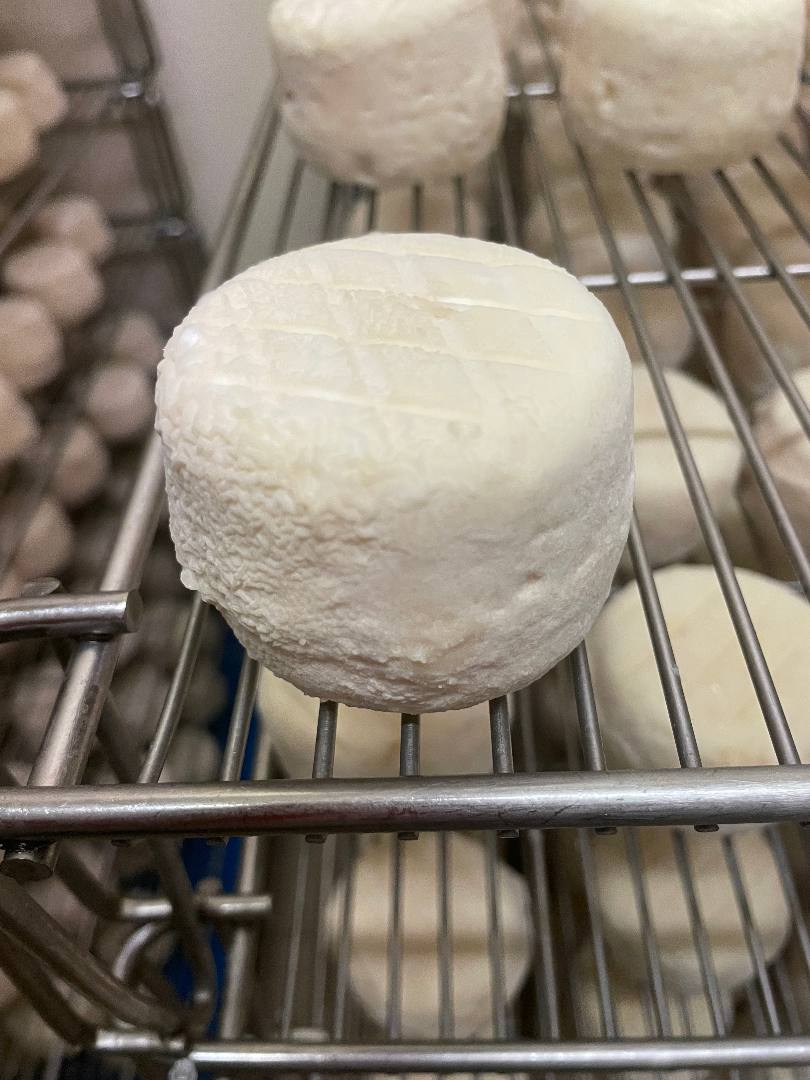
France – Raw milk goat cheese – STEC E.coli O103

Gov France

Product Category
Food
Product subcategory
Milk and dairy products
Product brand name
chavignol droppings,
Model names or references
CHAVIGNOL CROTTINS
Product identification
Batch
08/08 09/08 10/08 13/08 15/08
Packaging
naked at the request of the consumer
Start/End of marketing date
From 08/09/2024 to 09/03/2024
Storage temperature
Product to be kept in the refrigerator
Geographic area of ​​sale
Whole France
Distributors
THE CHAPOTON FARM 2 ROUTE DE SANCERRE 18300 MENETOU RATEL

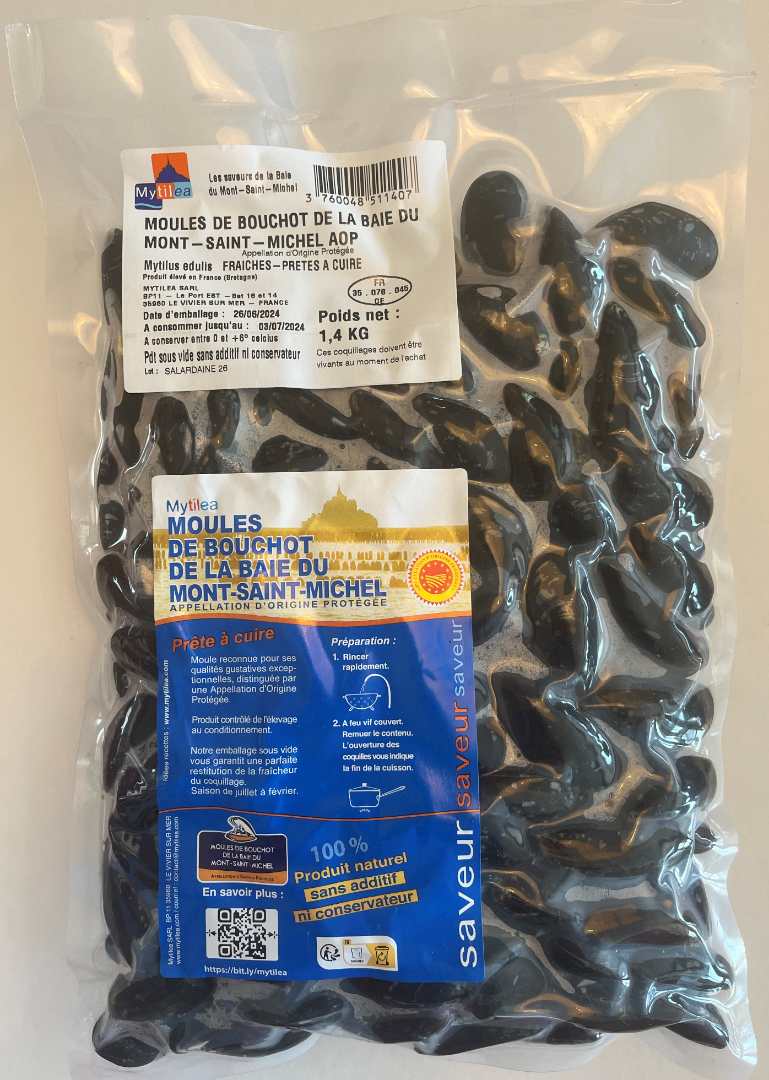
France – More Mussel Product with Incorrect Use BY Date – Food Safety

Gov France

BOUCHOT MUSSELS FROM THE BAY OF MT ST MICHEL AOP