STEC (stx2+; eae+) in wood ear mushrooms from Thailand in Switzerland
Presence of E. Coli VTEC O103:H2 in 99% psyllium fibre from India in Italy

STEC (stx2+; eae+) in wood ear mushrooms from Thailand in Switzerland
Presence of E. Coli VTEC O103:H2 in 99% psyllium fibre from India in Italy
Posted in food contamination, food handler, Food Hazard, Food Hygiene, Food Inspections, Food Micro Blog, Food Microbiology, Food Microbiology Blog, Food Microbiology Testing, Food Pathogen, Food Quality, food recall, Food Safety, Food Safety Alert, Food Safety Management, Food Safety Regulations, Food Testing, RASFF, STEC, STEC E.coli
Presence of Norovirus genotype II in strawberries from Morocco in the Netherlands and Spain
Norovirus in oysters from France in Belgium
Posted in food contamination, food handler, Food Hazard, Food Hygiene, Food Inspections, Food Micro Blog, Food Microbiology, Food Microbiology Blog, Food Microbiology Testing, Food Pathogen, Food Quality, food recall, Food Safety, Food Safety Alert, Food Safety Management, Food Safety Regulations, Food Testing, Food Virus, Norovirus, Norovirus French Oysters, Norovirus Oysters, RASFF
Visible mold in falafel, due to insufficient pasteurisation, from the Netherlands in Germany
Posted in food contamination, food handler, Food Hazard, Food Hygiene, Food Inspections, Food Micro Blog, Food Microbiology, Food Microbiology Blog, Food Microbiology Testing, Food Poisoning, Food Quality, food recall, Food Safety, Food Spoilage, Food Testing, mold, Mold/ MouldAscospores, Mould/Mold, RASFF, Visible Mould/Mold
High content of Enterobacteriaceae in fishmeal from Norway in Spain
Salmonella in raw pet food from Netherlands in Belgium
Salmonella enteritidis in Carnilove Freeze-dried Raw snacks Duck& Chicken from Estonia in the Czech Republic
On June 28-29, 2023, the Iowa Department of Agriculture, under contract with the Food and Drug Administration (FDA), inspected your shell egg farm and egg processing facility, where your eggs are washed, graded, and packed, located at 3407 Kirkwood Ave., Osage, IA 50461. The inspection revealed serious violations of the Prevention of Salmonella Enteritidis in Shell Eggs During Production, Storage, and Transportation regulation (the Shell Egg regulation), Title 21, Code of Federal Regulations, Part 118 (21 CFR Part 118). Failure to comply with the provisions of 21 CFR 118 causes your shell eggs to be in violation of section 361(a) of the Public Health Service Act (the PHS Act), 42 U.S.C. § 264(a). In addition, these violations render your shell eggs adulterated within the meaning of section 402(a)(4) of the Federal Food, Drug, and Cosmetic Act (the Act), 21 U.S.C. § 342(a)(4), in that they have been prepared, packed, or held under insanitary conditions whereby they may have become contaminated with filth, or whereby they may have been rendered injurious to health. You may find the Act, the PHS Act and Shell Egg regulation through links on FDA’s home page at http://www.fda.gov.
At the conclusion of the inspection, Iowa Department of Agriculture State inspectors issued Mr. Jose Hernandez, Site Manager, an FDA Form 483 (FDA-483), Inspectional Observations. To date, FDA has not received a response describing corrective actions. Based on our review of the inspectional findings, we are issuing this letter to advise you of our concerns and to provide detailed information describing the findings at your farm. Your significant violations are as follows:
1. You did not have and implement a written Salmonella Enteritidis (SE) Prevention Plan that includes, at minimum, the SE prevention measures required by 21 CFR118.4. You have a document titled “SE Prevention Plan”; however, as describedbelow, this plan is inadequate in that it does not address all required SE prevention measures.
Posted in FDA, FDA Warning Letter, Salmonella, Salmonella in Eggs
A norovirus outbreak sickened 163 customers at Kisoji, a traditional Japanese restaurant chain in Tokyo, between Jan 30 and Feb 3.
According to health officials in Adachi Ward, the customers were aged between 6 and 88 and dined at Kisoji’s Nishiarai branch, TV Asahi reported. Some complained of diarrhea, while others vomited after eating the sashimi set menus and ehomaki sushi rolls. Three diners were admitted to the hospital for severe symptoms.
After the hospital determined the patients were suffering from norovirus, the public health center suspended operations at the Nishiarai restaurant from Feb 6 to 10.
| Reason for alert | Paralytic Shellfish Poisoning (PSP) |
| Date warning issued | Media release: 26 January 2024
Update: The area affected by the warning was reduced on 15 February 2024. |
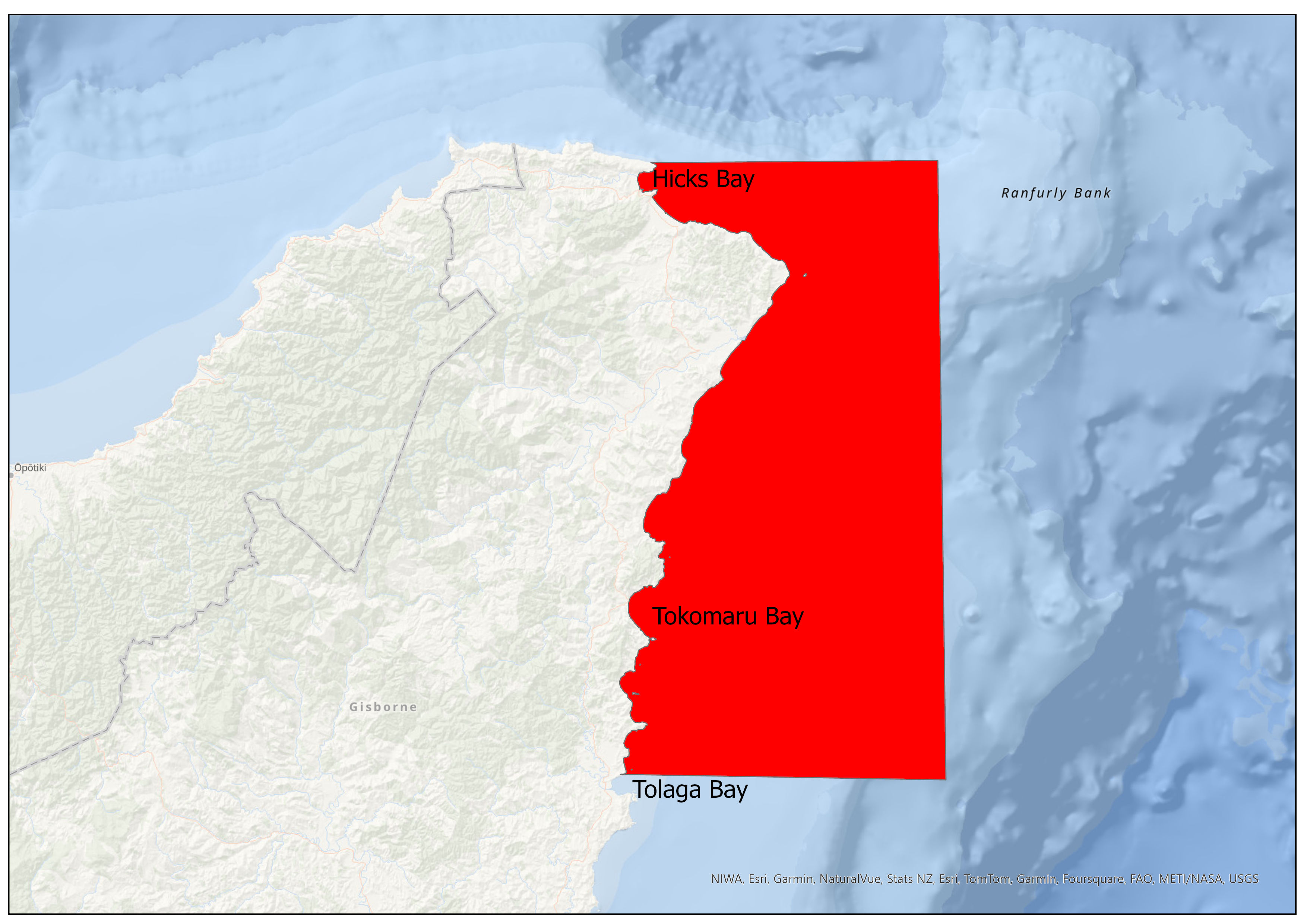
| Affected area | From 15 February 2024, the area extends from the north side of Tolaga Bay to Hicks Bay. |
| Shellfish affected | Lobster are the only species affected. Shellfish and finfish are not affected by this warning.
Lobster (crayfish) may still be eaten if the gut has been completely removed prior to cooking, as toxins can accumulate in the gut. If the gut is not removed its contents could contaminate the meat during the cooking process. |
| Symptoms | Symptoms typically appear between 10 minutes and 3 hours after ingestion and may include:
|
| Other information | Elevated paralytic shellfish toxins are still being detected in lobster near Tokomaru Bay. |
The number of children sick in a severe E. coli outbreak in France linked to raw milk cheese has risen to 11.
The 11 hemolytic uremic syndrome (HUS) cases were reported in late 2023. HUS is a severe complication associated with E. coli infections that causes kidney failure. Santé publique France surveillance on HUS only covers children younger than 15 years old in the country, so there could be other sick people in the outbreak.
Five young children attending the Minimes crèche in Toulouse had to be hospitalized in November. Stool cultures revealed Shiga toxin-producing E. coli (STEC) infection. Cheese has tested positive for E. coli O26.
The other six children with HUS infected with the outbreak strain are unrelated to the crèche and live in different regions.
Speaking to different French media outlets, the parents of two girls, Élise, aged 7, and Clara, 18 months old, revealed how their children had been affected and their ongoing health issues


