Author Archives: KSW

France – Japanese Seaweed Salad – E.coli

Gov France

Product category
Food
Product subcategory
Others
Product brand name
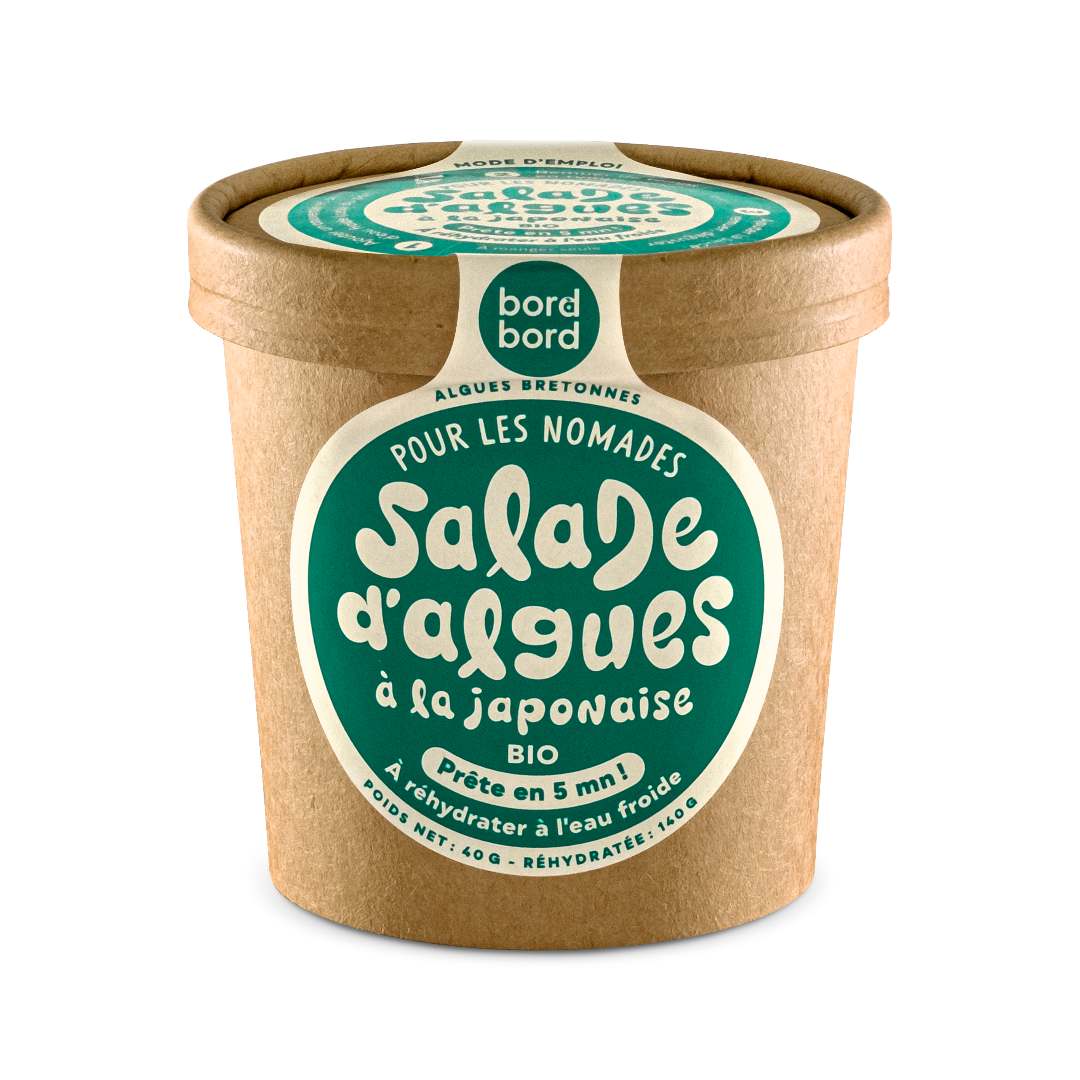
Edge to edge
Model names or references
Japanese seaweed salad
Product identification
GTIN Batch Date
3545450701215 batch number: 25404 40g jar Minimum durability date 07/16/2025
Products List
List_product_recall.pdfAttachment
Packaging
Cardboard pot, 40g format
Start/end date of marketing
From 03/06/2024 to 03/13/2024
Storage temperature
Product to be stored at room temperature
Geographical sales area
Whole France
Distributors
Bord à Bord (e-shop) Balen Le Grand Panier Bio La Bonne Distribution Relais Vert Salon “Living Differently” Salon “Sandwich & Snack Show”
List of points of sale
List_points_of_sale.pdf

France – Cheese Log – Listeria monocytogenes

Gov France

Product category
Food
Product subcategory
Milk and dairy products
Product brand name
The Gargilesse
Model names or references
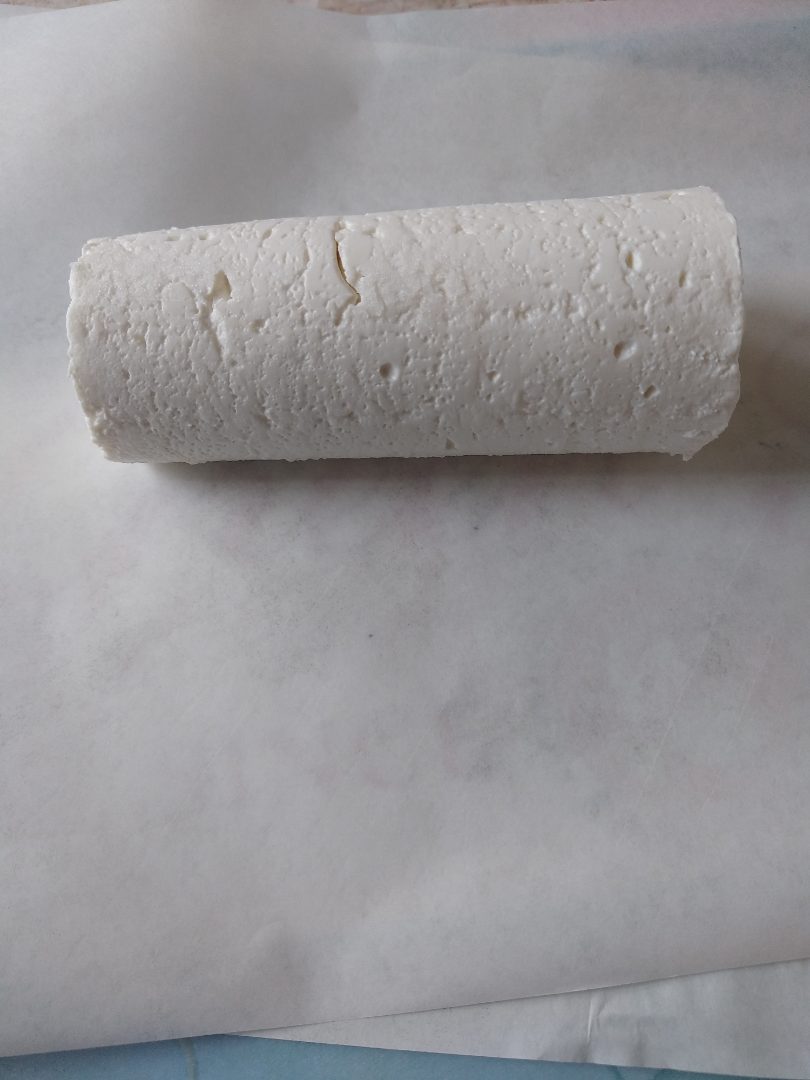
Goat cheese log
Product identification
Batch Date
61 Use-by date 04/10/2024
Packaging
Paper packaging
Start/end date of marketing
From 03/07/2024 to 04/10/2024
Storage temperature
Product to keep in the refrigerator
Further information
Goat cheese log
Geographical sales area
Departments: INDRE (36)
Distributors
Restaurant Escapade and Cheval Noir in Argenton sur Creuse

Italy- Clam or lupine (chamelea gallina) – E.coli

Salute

Brand : Consorzio Pescatori di Goro Soc. Coop OP

Name : Clam or lupine (chamelea gallina)

Reason for reporting : Recall due to microbiological risk

Publication date : 15 March 2024

Documentation

Documentation

Research – Surveillance and source tracking of foodborne pathogens in the vegetable production systems of India

Science Direct

Abstract

Fresh vegetables are prone to foodborne pathogen infection due to improper cultivation methods and poor post-harvest handling practices. This paper describes the prevalence of foodborne pathogens in three vegetables (tomato, brinjal, and lablab) cultivated by small-scale producers of India. We assessed the possible entry of pathogens into the vegetable production chain. Samples from soil, manure, irrigation water, harvesting bins, and workers’ hands were assessed as sources of possible pathogen entry. In addition, further sampling was done to determine prevalence of these pathogens in the produce from the agricultural fields and markets. Total plate counts, yeast and mold count, total coliforms like general microbial indices, and possible foodborne pathogens like SalmonellaEscherichia coli O157, Staphylococcus aureusPseudomonas aeruginosa, and Norovirus were assessed in all the samples by standard microbiological, biochemical, and molecular methods. The results revealed that among the three vegetables we studied, brinjal had the highest load of general microbial indicators. Moreover, the total coliforms count of market vegetables was higher than that of on-farm vegetables, indicating poor hygiene in post-harvest operations. The pathogen Pseudomonas aeruginosa was found in the market tomatoes (0.35 log10 cfu/g), and E. coli was detected in the market samples of brinjal (2.98–3.89 log10 cfu/g) and lablab (0.59–2.21 log10 cfu/g), thereby revealing fecal cross-contamination during pre or post-harvest operations. None of the vegetable samples were contaminated with E. coli O157:H7, Staphylococcus aureusSalmonella sp., and norovirus. However, the microbiological source tracking of primary production farms showed that E. coli O157:H7 was present in manure (9/27), soil (6/27), harvest bins (6/27), and irrigation water samples (3/27) of SSP farms. In addition, soil (33%), manure (11%), and harvest bins (11%) had Pseudomonas aeruginosa. In conclusion, our study suggests that adequate knowledge of good agricultural practices for small-scale producers to cultivate microbiologically safe vegetable production and proper handling strategies for vegetable vendors is crucial to mitigate foodborne pathogen outbreaks through fresh vegetables.

Research – Prevalence, identification and antimicrobial resistance of Listeria monocytogenes and Listeria spp. isolated from poultry and pork meat

IFST

The aim of this work was to evaluate the prevalence of Listeria monocytogenes and other Listeria spp. in chicken, duck, quail, turkey and pork meat, including the antibiotic resistance of isolated strains. A total of 184 meat samples were collected from different retailers in La Rioja (Spain). The presence of Listeria spp. and L. monocytogenes were detected in 24.46% and 10.32% of the meat samples respectively. L. monocytogenes was the predominant Listeria spp. found in chicken, quail and pork meat, while L. innocua and L. welshimeri were the predominant species in duck and turkey meat respectively. A total of thirty-three strains (55.93%) of Listeria spp. were found to be multi-resistant (resistant to ≥3 families of antibiotics). The highest multi-resistant rates were observed in L. monocytogenes (73.68%) and L. innocua (70.59%), followed by L. ivanovii (50%). Resistance to ampicillin and trimethoprim–sulfamethoxazole were found in L. monocytogenes strains isolated from chicken, being of special concern, since these antibiotics are used in the treatment of listeriosis. Special measures should be taken to reduce meat contamination such as adequate handling, correct preparation (cooking) and cleaning and disinfection in order to avoid cross-contamination.

Research – Using Essential Oils to Reduce Yersinia enterocolitica in Minced Meat and in Biofilms

MDPI

Abstract

Yersiniosis, one of the leading foodborne infections in the European Union, is caused by Yersinia enterocolitica. In this study, the antibacterial and antibiofilm effects of cinnamon (Cinnamomum zeylanicum Nees), clove (Syzygium aromaticum L.), oregano (Origanum vulgare L.), rosemary (Rosmarinus officinalis L.), thyme (Thymus vulgaris L.), and winter savory (Satureja montana L.) essential oils were investigated against Y. enterocolitica strains belonging to the bioserotype 4/O:3. Cinnamon essential oil showed the highest antibacterial activity, with an MIC value 0.09 µL/mL, followed by oregano and thyme essential oils, with MIC values from 0.09 to 0.18 µL/mL, and from 0.18 to 0.23 µL/mL, respectively. Thyme essential oil at 0.23 µL/g (MIC) and at 0.46 µL/g (2MIC) significantly (p < 0.05) reduced the number of Y. enterocolitica by 0.38 log CFU/g and 0.64 log CFU/g, respectively, in minced pork meat during storage at 4 °C for 4 days. The Y. enterocolitica strains formed biofilms at 15 °C and 37 °C in tryptic soy broth and Luria–Bertani broth, while no biofilms were obtained at 5 °C, and in meat broth nutrient media. Applying the minimum bactericidal concentrations of cinnamon, clove, oregano, rosemary, thyme, and winter savory essential oils on preformed biofilms led to significant reductions being observed in the range from 45.34% to 78.89%. A scanning electron microscopy assay showed the devastating impact of oregano and thyme essential oils on the morphology of Y. enterocolitica bacterial cells. In conclusion, the results of this study show that essential oils possess high anti-Yersinia and antibiofilm effects.

Research – Low-Temperature Plasma used to remove E. coli from hydroponically grown crops

Science Daily

A group led by researchers at Nagoya University and Meijo University in Japan has developed a disinfection technology that uses low-temperature plasma generated by electricity to cultivate environmentally friendly hydroponically grown crops. This innovative technology sterilizes the crops, promoting plant growth without the use of chemical fertilizers. Their findings appeared in Environmental Technology & Innovations.

In hydroponic agriculture, farmers cultivate plants by providing their roots with a nutrient solution.

However, the nutrient solution can become infected with pathogenic E. coli strains, contaminating the crop and leading to foodborne illnesses.

Research – Genomic surveillance of STEC/EHEC infections in Germany 2020 to 2022 permits insight into virulence gene profiles and novel O-antigen gene clusters

Science Direct

Abstract

Shiga toxin-producing E. coli (STEC), including the subgroup of enterohemorrhagic E. coli (EHEC), are important bacterial pathogens which cause diarrhea and the severe clinical manifestation hemolytic uremic syndrome (HUS). Genomic surveillance of STEC/EHEC is a state-of-the-art tool to identify infection clusters and to extract markers of circulating clinical strains, such as their virulence and resistance profile for risk assessment and implementation of infection prevention measures. The aim of the study was characterization of the clinical STEC population in Germany for establishment of a reference data set. To that end, from 2020 to 2022 1257 STEC isolates, including 39 of known HUS association, were analyzed and lead to a classification of 30.4 % into 129 infection clusters. Major serogroups in all clinical STEC analyzed were O26, O146, O91, O157, O103, and O145; and in HUS-associated strains were O26, O145, O157, O111, and O80. stx1 was less frequently and stx2 or a combination of stx, eaeA and ehxA were more frequently found in HUS-associated strains. Predominant stx gene subtypes in all STEC strains were stx1a (24 %) and stx2a (21 %) and in HUS-associated strains were mainly stx2a (69 %) and the combination of stx1a and stx2a (12.8 %). Furthermore, two novel O-antigen gene clusters (RKI6 and RKI7) and strains of serovars O45:H2 and O80:H2 showing multidrug resistance were detected. In conclusion, the implemented surveillance tools now allow to comprehensively define the population of clinical STEC strains including those associated with the severe disease manifestation HUS reaching a new surveillance level in Germany.

Nontyphoidal Salmonella Outbreaks Associated With Chocolate Consumption: A Systematic Review

Journals LWW

Abstract

Background:

A large, cross-border outbreak of nontyphoidal salmonellosis connected to chocolate product consumption was recently reported. This occurrence motivated us to conduct a comprehensive review of existing literature concerning outbreaks of nontyphoidal salmonellosis associated with chocolate consumption.

Methods:

We performed a systematic review following the Preferred Reporting Items for Systematic Reviews and Meta-Analyses (PRISMA) guidelines (PROSPERO CRD42022369023) in 3 databases: U.S. National Library of Medicine, Web of Science and Excerpta Medica. Google Scholar and the bibliography of each identified report were also screened. Eligible were articles published after 1970, describing outbreaks of more than 10 patients with a nontyphoidal salmonellosis associated with chocolate consumption.

Results:

Twenty-three articles were included, which described 12 outbreaks involving a total of 3266 patients. All outbreaks occurred in high-income countries: 1 was limited to 1 city, 6 involved 1 country and the remaining 5 involved 2 or more countries. Six outbreaks peaked in winter, 3 in autumn, 2 in spring and 1 in summer. Children were mainly affected. No predominant serotype was identified.

Conclusions:

Our data documents that chocolate is an optimal medium for the transmission of nontyphoidal salmonellosis. A connected worldwide reporting system including high-income, middle-income and low-income countries is crucial to detect infectious diseases outbreaks in an early phase and avoid their spread.

Research – Controlling Clostridium sporogenes spoilage of “requeijão cremoso” processed cheese: Modelling the growth/no-growth probability as a function of pH, sodium chloride and nisin

Science Direct

Abstract

Predictive models were developed to assess the growth response of Clostridium sporogenes in “requeijão cremoso” processed cheese, as affected by pH and sodium chloride and nisin concentrations. A complete factorial design was performed using different formulations: pH (5.2, 5.6, and 6.0), sodium chloride (0.5, 0.75, 1.0, 1.25, and 1.5%), and nisin (0.0, 5.0, 7.5, 10.0 and 12.5 mg/kg), totalizing 75 conditions. Packs with 150g of “requeijão cremoso” were inoculated with 103 spores/g following storage at 10 °C for up to 60 days. The counts of C. sporogenes were performed on day zero and at the end of storage after a heat shock (80 °C for 12 min). The formulations that allowed an increase in the population >1 log CFU/g were assigned the value of 1 (growth), and the formulations in which the increase was <l log CFU/g were assigned 0 (no growth). Overall, the growth of C. sporogenes was affected by pH, salt concentration and nisin, e.g. at pH 5.2 the growth/no growth limit is 1.25% salt and no nisin, at pH 5.6 this limit is reduced to 0.75% salt, while at pH 6.0 only the effect of pH was sufficient to inhibit C. sporogenes even in the absence of salt and nisin. All isolated parameters and their combinations significantly affected spore germination, indicating that the model generated significantly contributes to the optimization of the processing and mitigation of the microbiological spoilage of “requeijão cremoso” processed cheese by Clostridia.