Monthly Archives: March 2021

USA – Enforcement Report March 10th – Salmonella – Cyclospora

FDA

Class I Food Event
Event ID:
87321
Product Type:
Food
Status:
Ongoing
Date Terminated:
Recall Initiation Date:
02/11/2021
Voluntary / Mandated:
Voluntary: Firm initiated
Center Classification Date:
03/01/2021
Initial Firm Notification of Consignee or Public:
Two or more of the following: Email, Fax, Letter, Press Release, Telephone, Visit
Recalling Firm:
Thompson Chocolate Company
80 S Vine St
Meriden CT United States
Distribution Pattern:
CA – all on hold, none distributed into commerce for availability to consumers.

Associated Products

Product Description:
1. See’s Candies brand chocolate 4.5 oz Sitting Bunny (SKU 600738) 2. See’s Candies brand 1 oz Bunny (SKU 600741) 3. Gold Foil Balls (SKU 600144) (note: firm also uses the term ‘rabbit’ interchangeably with ‘bunny’ however product labeling states bunny or bunnies)
Product Quantity:
4.5oz. bunny – 96 cases (36 pc per case)/ gold foil balls – 180 – 10 lbs. cases / 1 oz. Rabbit 24 piece display (12 displays per case) – 2652 cases
Reason for Recall:
Products are potentially contaminated with Salmonella.
Recall Number:
F-0325-2021
Code Information:
1. 4.5oz Sitting Bunny – Lot 02521 2. 1 oz Bunny – Lot 02621 3. Gold Foil Balls – Lot 02621

Class II Food Event
Event ID:
87294
Product Type:
Food
Status:
Ongoing
Date Terminated:
Recall Initiation Date:
02/05/2021
Voluntary / Mandated:
Voluntary: Firm initiated
Center Classification Date:
03/02/2021
Initial Firm Notification of Consignee or Public:
Two or more of the following: Email, Fax, Letter, Press Release, Telephone, Visit
Recalling Firm:
Shenandoah Growers, Inc.
3158 N Valley Pike
Rockingham VA United States
Distribution Pattern:
Distributed to distribution centers in IN, OH, MI, IN, MN, and MO. Further distributed to retail stores in IL, IN, IO, IA, MI, MN, MS, MO, TN, and WI.

Associated Products

Product Description:
Organic fresh cut basil packaged in plastic clamshell containers. Shenandoah Growers by Thats Tasty, 0.75 oz UPC: 7-68573-00101-4 Shenandoah Growers by Thats Tasty, 2.0 oz UPC: 7-68573-02143-2 Shenandoah Growers by Thats Tasty 4.0 oz UPC: 7-68573-00141-0 Shenandoah Growers by Thats Tasty 0.75 oz UPC: 7-68573-00101-4 Shenandoah Growers by Thats Tasty 4 oz Shenandoah Growers by Thats Tasty 1 lb. Thats Tasty (Pasta Blend) 0.5 oz UPC: 7-68573-52008-9 Thats Tasty 0.5 oz UPC: 7-68573-50502-4 Thats Tasty 3.0 oz UPC: 7-68573-53001-9 Thats Tasty 0.25 oz UPC: 7-68573-02515-7 Simple Truth 3.0 oz UPC: 0-11110-00876-3
Product Quantity:
3240 units
Reason for Recall:
Possible contamination with Cyclospora in basil
Recall Number:
F-0327-2021
Code Information:
PV40515 1 034 PV40515 3 034 PV40515 4 034 PV40515 3 035

Class II Food Event
Event ID:
87303
Product Type:
Food
Status:
Ongoing
Date Terminated:
Recall Initiation Date:
02/05/2021
Voluntary / Mandated:
Voluntary: Firm initiated
Center Classification Date:
03/02/2021
Initial Firm Notification of Consignee or Public:
Two or more of the following: Email, Fax, Letter, Press Release, Telephone, Visit
Recalling Firm:
VALLARTA ORGANIC LLC
1 S Prospect Dr
Coral Gables FL United States
Distribution Pattern:
Domestic distribution only (Virginia).

Associated Products

Product Description:
ALBAHACA ORGANICA/BASIL, 460 gm x Bag, 15 Bags
Product Quantity:
46 boxes/15 lbs each
Reason for Recall:
Organic Basil contaminated with Cyclospora cayetanensis
Recall Number:
F-0326-2021
Code Information:
Lot LP889 and Lot LP890

USA – Outbreak Investigation of Listeria monocytogenes – Hispanic-style Fresh and Soft Cheeses (February 2021) – Update

FDA

The FDA, along with CDC and state and local partners, are investigating a multistate outbreak of Listeria monocytogenes infections linked to queso fresco cheeses made by El Abuelito Cheese, Inc.

On 2/19/2021, El Abuelito Cheese, Inc. announced their initial recall of products, and on 2/27/2021, they announced the expansion of their recall to cover additional products that are manufactured or handled in the same facility as the Queso Fresco products linked to this outbreak.

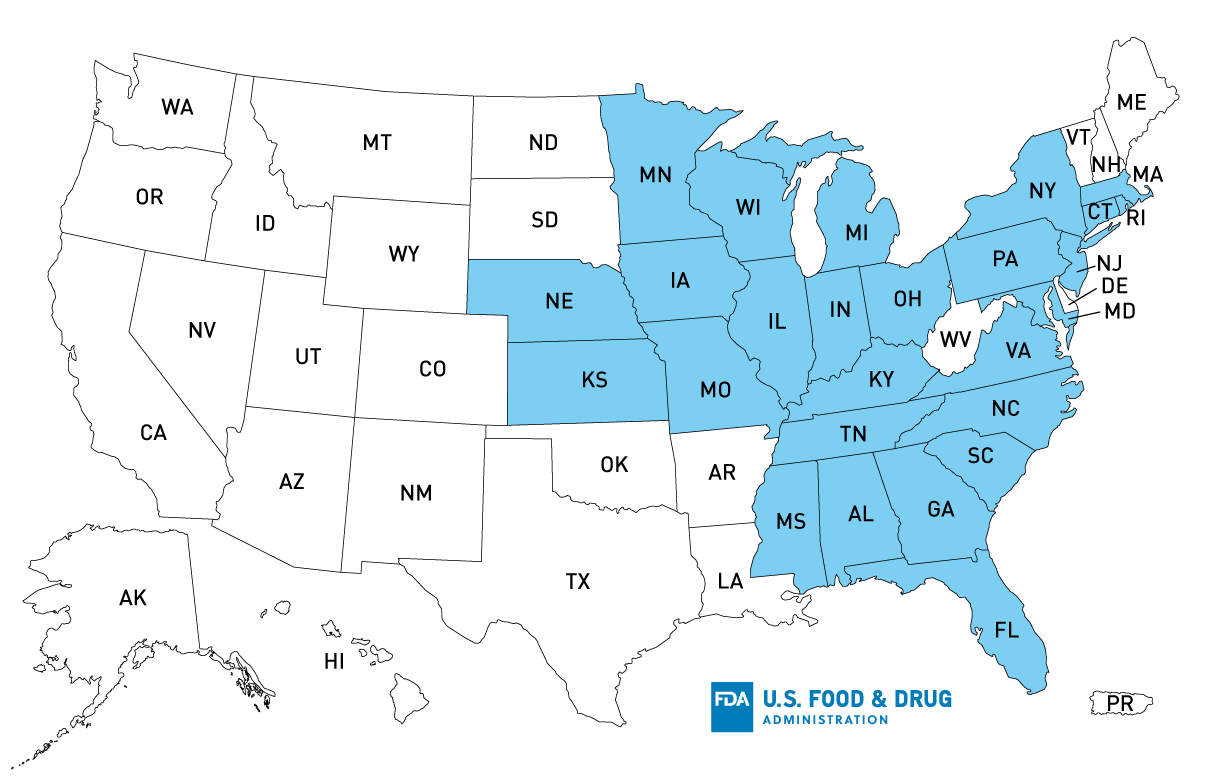
On 3/9/2021, the FDA received confirmation that recalled cheeses were also distributed to Rhode Island. States with confirmed distribution now include: AL, CT, FL, GA, IA, IL, IN, KS, KY, MA, MD, MI, MN, MO, MS, NC, NJ, NY, NE, OH, PA, RI, SC, TN, VA, and WI. View additional recall information.

Recommendation

Consumers, restaurants, and retailers should not eat, sell, or serve any recalled Queso Fresco, Quesillo (Oaxaca, string cheese), or Requeson (ricotta) cheeses.

Recalled brands by cheese type include:

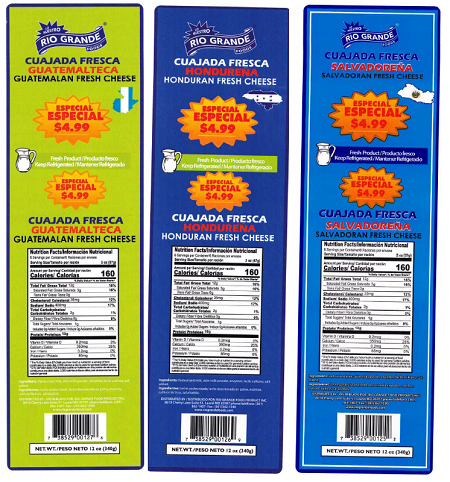
  • Queso Fresco: El Abuelito, Rio Grande, Rio Lindo
  • Quesillo: El Abuelito, El Viejito, El Paisano, El Sabrosito, La Cima, Quesos Finos, San Carlos, Ideal Brands
  • Requeson: El Abuelito, El Viejito

FDA recommends that anyone who purchased or received any recalled Queso Fresco, Quesillo, or Requeson cheeses use extra vigilance in cleaning and sanitizing any surfaces and containers that may have come in contact with these products to reduce the risk of cross-contamination. Listeria can survive in refrigerated temperatures and can easily spread to other foods and surfaces.

Some of the recalled cheeses were sold in bulk quantities and could have been repackaged by retailers. Ask your retailer if any Queso Fresco or Quesillo cheese you buy was repackaged from the cheeses recalled by El Abuelito. If you are unable to obtain an answer, do not buy it and throw away the potentially recalled cheese you have at home.

If you are at higher risk for severe Listeria infection (if you are pregnant, aged 65 or older, or have a weakened immune system due to certain medical conditions or treatments), call your healthcare provider right away if you have these symptoms after eating any Queso Fresco, Quesillo, or Requeson cheeses produced by El Abuelito:

  • Pregnant people typically experience only fever, fatigue, and muscle aches. However, Listeria infection during pregnancy can lead to miscarriage, stillbirth, premature delivery, or life-threatening infection of the newborn.
  • People who are not pregnant may experience headache, stiff neck, confusion, loss of balance, and convulsions, in addition to fever and muscle aches.

Follow these five steps to clean your refrigerator, containers, and surfaces that may have touched the cheeses. Listeria can survive in the refrigerator and can easily spread to other foods and surfaces.


Product Images

Sample Product Label from the Outbreak Investigation of Listeria monocytogenes in Hispanic-style Fresh and Soft Cheeses (February 2021) - Rio Grande
Sample Product Label from the Outbreak Investigation of Listeria monocytogenes in Hispanic-style Fresh and Soft Cheeses (February 2021) - Rio Lindo
Sample Product Label from the Outbreak Investigation of Listeria monocytogenes in Hispanic-style Fresh and Soft Cheeses (February 2021) - El Abuelito
Sample Product Label from the Outbreak Investigation of Listeria monocytogenes in Hispanic-style Fresh and Soft Cheeses (February 2021) - Chirilagua, Yorito

Recall Information

On 2/19/2021, El Abuelito Cheese, Inc. announced their initial recall of products, and on 2/27/2021, they announced the expansion of their recall to cover additional products. The recall announcements include the full product list and descriptions.

Consumers, restaurants, and retailers should not eat, sell, or serve any recalled Queso Fresco, Quesillo (Oaxaca, string cheese), or Requeson (ricotta) cheeses.

The firm’s recall does not include any additional products with the El Abuelito Cheese, Inc. label because they are not manufactured or handled in the same facility; this includes El Abuelito Meat, Inc., panela cheese, cotija cheese, mole, crema centroamericana, and crema mexicana. Updates will be provided as they become available.

FDA has posted lists of retailers that may have received Hispanic-styles cheeses from the El Abuelito Cheese, Inc. facility in Paterson N.J.  It is possible that these lists may not include all retailers who have received these cheeses; however, these lists represents the best information currently available to the FDA.

Map of U.S. Distribution of Recalled Queso Fresco, Quesillo, and Requeson Cheeseso

Map of U.S. Distribution of Recalled Queso Fresco, Quesillo, and Requeson Cheeseso as of March 9, 2021

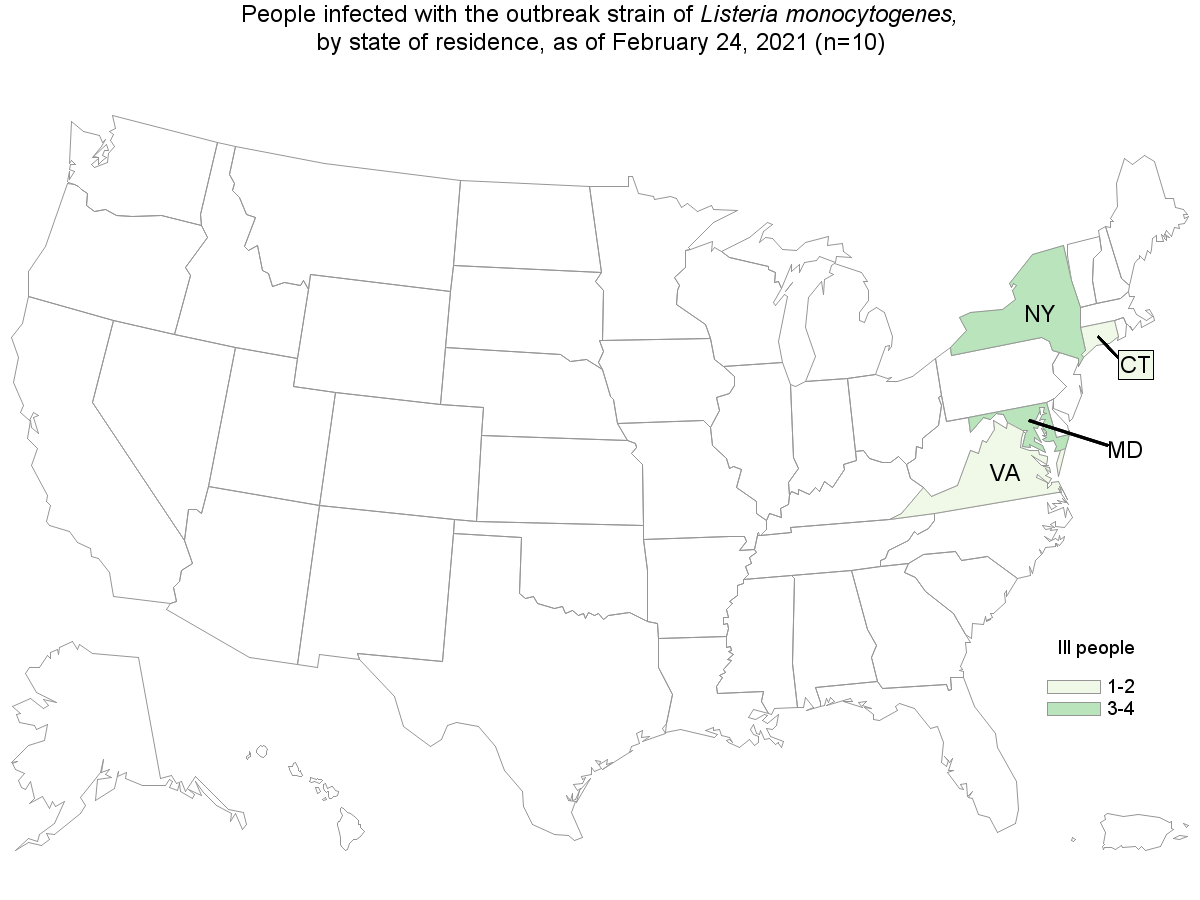
Case Count Map Provided by CDC

CDC Case Count Map for the Outbreak Investigation of Listeria monocytogenes in Hispanic-style Fresh and Soft Cheeses - 2/24/2021

Case Counts

Total Illnesses: 11
Hospitalizations: 10
Deaths: 1
Last Illness Date: 2/14/2021
States with Cases: CT (1), MD (4), NY (4), and VA (2)
Product Distribution*: AL, CT, FL, GA, IA, IL, IN, KS, KY, MA, MD, MI, MN, MO, MS, NC, NJ, NY, NE, OH, PA, RI, SC, TN, VA, WI
*States with confirmed distribution; product could have been distributed further

Australia – Preserved Chilli Beancurd 350g Le Couple – Bacillus cereus

FSANZ

Date published: 09 March 2021

Product information

Le Couple Trading Corporation Pty Ltd is conducting a recall of Preserved Chilli Beancurd 350g Use By EXP 24.12.2022.  The product has been available for sale at Asian grocery stores in NSW.

Date markings

Use By EXP 24.12.2022.

Preserved chilli beancurd jar

Problem

The recall is due to microbial (Bacillus cereus) contamination

Food safety hazard

Food products contaminated with (Bacillus cereus) may cause illness if consumed.

Country of origin

China

What to do​

Any consumers concerned about their health should seek medical advice and should return the product to the place of purchase for a full refund.

For further information please contact:

Le Couple Trading Corporation Pty Ltd
0431 640 229

​​

Related links:

USA – Waterborne Disease Outbreak Investigation Toolkit

CDC

The Waterborne Disease Outbreak Investigation Toolkit is a guide to assist state and local health departments in conducting waterborne disease outbreak investigations. CDC developed this toolkit to help partners address the unique challenges they face when investigating waterborne disease outbreaks. Because of the numerous ways in which water impacts every person’s daily lives, timely detection, response, and control of these outbreaks is crucial to protect public health.

Using experiences of epidemiologists at the state and local levels, this toolkit describes best practices in preparing for, identifying, and remediating a waterborne disease outbreak.

For outbreaks related to recreational water, visit CDC’s Recreational Water Illness Outbreak Response Tools page.

CDC is available to assist local, state, territorial, and tribal health departments—as well other countries’ ministries of health—with investigating and controlling waterborne disease outbreaks.

How to Use the Toolkit

All of the toolkit content can be found by navigating through this website. It is also available as a PDF document pdf icon[PDF – 36 pages].

USA – Mediterranean Food Inc. Recalls “Alqosh Sesame Oil” Because of Possible Health Risk -Salmonella

FDA

Mediterranean Food Inc. of Warren, MI, is recalling its 2Lb plastic jar of “Alqosh Sesame Oil” because they have the potential to be contaminated with Salmonella, an organism which can cause serious and sometimes fatal infections in young children, frail or elderly people, and others with weakened immune systems. Healthy persons infected with Salmonella often experience fever, diarrhea (which may be bloody), nausea, vomiting and abdominal pain. In rare circumstances, infection with Salmonella can result in the organism getting into the bloodstream and producing more severe illnesses such as arterial infections (i.e., infected aneurysms), endocarditis and arthritis.

The recalled “Sesame Oil” were distributed in Michigan retail stores and distributors through our company’s staff. The Product was distributed in the period from 11/06/2020 to 12/10/2020.

The product comes in a 2Lb, clear plastic jar marked with lot # 16082020 on the side of the jar and with a Production date of 08/16/2020 stamped on the side.

No illnesses have been reported to date in connection with this problem.

The potential for contamination was noted after routine testing by the Michigan Department of Agriculture and Rural Development (MDARD) at one of the retailers sold the product to which revealed the presence of Salmonella in some of the 2 Lb plastic jars of “Sesame Oil.”

Production of the product has been suspended while FDA and the company continue their investigation as to the source of the problem.

Consumers who have purchased Alqosh Sesame Oil “Tahin” 2Lb plastic jar with lot # 16082020 should not consume the product and are urged to return them to the place of purchase for a full refund in the hours from 9:00Am to 4:00pm Monday to Friday. Consumers with questions may contact the company at 1-586-777-3460.

Thailand – Thailand warns food poisoning and diarrhea from ice cubes in summer season

Pattaya Mail

The Department of Disease Control of Thailand (DDC) is advising people to be careful with what they eat this summer to avoid food poisoning and diarrhea.

DDC director-general Dr Opas Karnkawinpong warns people not to consume certain foods to avoid food poisoning, as 915,289 food poisoning and diarrhea cases were reported during summer in 2020.

He said diners must ensure the food they are served is hot and clean, adding that ice cubes are also carriers of germs.

Taiwan – TFDA Initiated 2021 Inspection Project for Ice Cube – Food Safety

TFDA

Ice cubes are usually used to cooling drinks and foods during the summer and hot weather days in Taiwan. In order to continuously ensure the sanitation and safety of ice cube product for consumers, Taiwan Food and Drug Administration (TFDA) will initiate the 2021 Inspection Project for Ice Cube, and will be conducted with local government health bureaus to improve food safety and sanitation management.

The inspection items will focus on the registration requirements for food businesses, the Regulation on Good Hygiene Practice for Food (GHP), the product liability insurance, the self-management, the product traceability, the transport control, the food practitioner sanitation management. And the ice cube products will be checked of labeling and hygiene compliance. Violating provisions of the Act Governing Food Safety and Sanitation will be punished by law.

TFDA strongly recommends food businesses effectively implementing the self-management following the Act Governing Food Safety and Sanitation to ensure ice cubes safety and sanitation to protect the health of consumers.

Norway – Norway reports Salmonella outbreak, 10 people hospitalised

Outbreak News Today

The Norwegian Institute of Public Health (NIPH) is reporting a Salmonella outbreak which is geographically spread over large parts of country.

Twenty cases have been reported–12 confirmed and 8 suspected cases. The same genetic profile have been detected in all 12 confirmed cases. Preliminary analyzes of samples from the 8 suspected cases indicate that these also carry the outbreak strain.

Those affected are aged from 11 to 91 years, median age is 59 years. 60% are women. The infected live in Viken (9), Oslo (3), Innlandet (2), Vestfold and Telemark (1), Agder (1), Rogaland (1), Vestland (1), Møre og Romsdal (1) and Nordland (1). 10 of the cases have been hospitalized.

“The infected live in many different counties. Therefore, we believe that they are infected through a food that is widely distributed”, says doctor Hilde Marie Lund at the department of infection control and emergency preparedness.

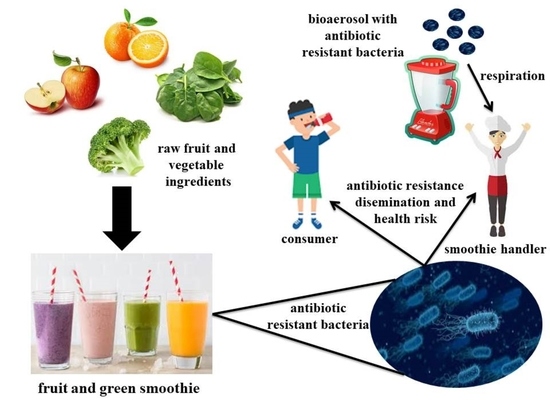
Research – Microbial Safety of Smoothie Drinks from Fresh Bars Collected in Slovakia

MDPI

Among the many consumers in Slovakia, smoothies are nowadays gaining popularity. Smoothie drinks are prepared from raw fruits and vegetables. Therefore, their microbiological safety depends on hygiene standards. The aim of this work was to monitor and quantify selected sensitive and antibiotic-resistant microorganisms present in collected smoothies. Twenty analyzed smoothie samples were collected from six food service establishments (fresh bars) in the capital city of Slovakia, Bratislava. Antibiotic-resistant bacteria were found in at least one of each fresh bar. Antibiotic-resistant coliform bacteria prevailed, especially in green smoothies or juices containing more vegetable ingredients. Resistance to ampicillin, ciprofloxacin, tetracycline, chloramphenicol, and gentamicin was observed in the case of coliform bacteria. More than half of the smoothie drink samples did not contain resistant enterococci. On the other hand, vancomycin-resistant enterococci were detected in 20% of samples. The most frequently isolated antibiotic-resistant strains belonged to the Enterobacter spp. or Klebsiella spp. genus. In the last part of the work, the pretreatment effect of smoothie components on the selected microorganisms’ counts in the final product was investigated. Washing ingredients with an aqueous solution of a biocide agent containing silver and hydrogen peroxide proved to be the most effective way to decrease bacterial counts. View Full-Text

Kenya – Kenya bans all maize imports over aflatoxin

Standard Media

Kenya has banned all maize imports to curb the entry of unsafe grains into the country.

According to a letter by the acting Director-General of the Agriculture and Food Authority (AFA), Kello Harsama to the Commissioner of Customs in the Kenya Revenue Authority, the ban has been put in place after a survey on maize from Uganda and Tanzania showed it was not fit for human consumption.

“The authority has been conducting surveillance on the safety of food imports into Kenya. The results from maize imported from Uganda and Kenya have revealed high levels of mycotoxins that are consistently beyond safety limits,” reads the letter dated March 5.