France – Smoked sweet herring fillets – Listeria monocytogenes

Gov france

Identification information of the recalled product

  • Product category Feed
  • Product subcategory Fishery and aquaculture products
  • Product brand name J CDavid
  • Model names or references herring in oil sold at retail or in jars of 180g tray or vacuum-packed pouch 200g ballotin 200g
  • Identification of products
    GTIN Lot Date
    3461820019011 242 Use-by date 04/10/2022
    3461820019011 243 Use-by date 05/10/2022
    3461820019011 236 Use-by date 09/28/2022
    3461820010018 236 Use-by date 09/28/2022
    3461820010117 236 Use-by date 05/09/2022
    3461820013019 236 Use-by date 09/28/2022
    3461820010506 236 Use-by date 09/28/2022
  • Packaging tray or vacuum bag 200g ballotin 200g jar 180g
  • Marketing start/end date From 08/24/2022 to 09/06/2022
  • Storage temperature Product to be stored in the refrigerator
  • Health mark FR 62 160 703 CE
  • Geographic area of ​​sale Whole France
  • Distributors lots 242 and 243: Monoprix (18 stores – see list below) lot 236: Carrefour express Wimereux – Système U – Leclerc Fochdis / Outreau – Monoprix
  • List of points of saleLists_stores_Monoprix.pdf

Practical information regarding the recall

  • Reason for recall Precautionary principle following the detection of Listeria monocytogenes <10
  • Risks incurred by the consumer Listeria monocytogenes (causative agent of listeriosis)

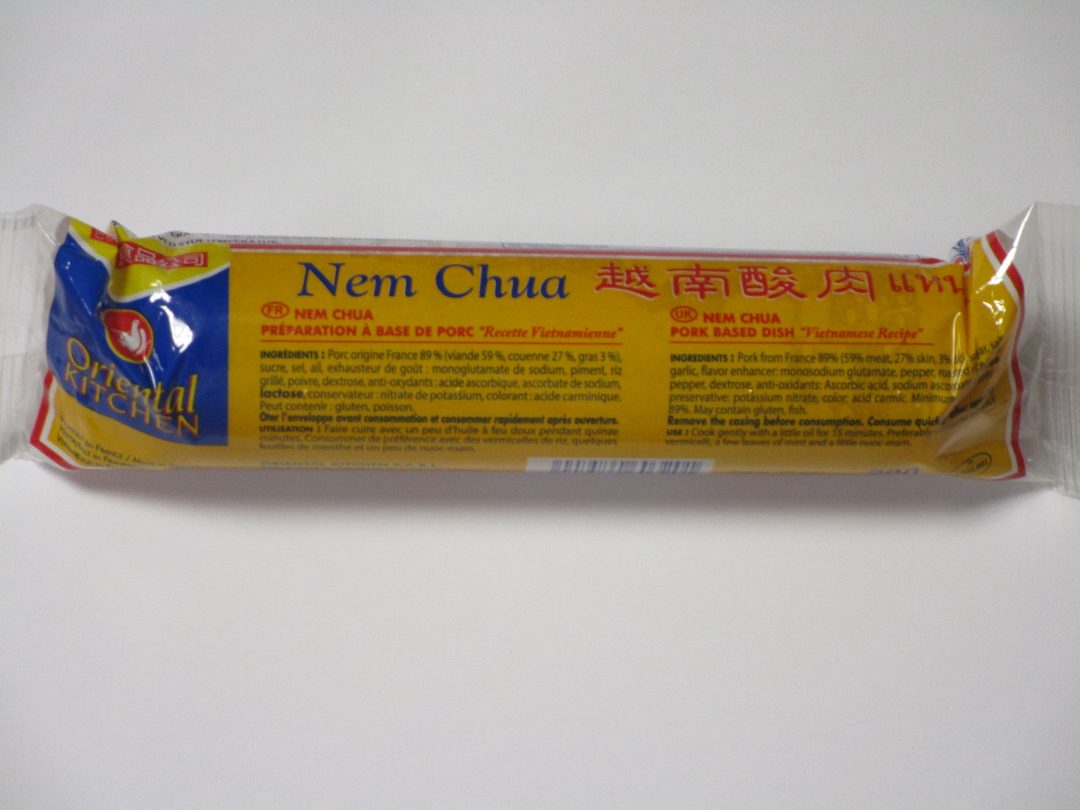
France – NEM CHUA (BOYAU) -Staphylococcus aureus

Gov france

Identification information of the recalled product

  • Product category Feed
  • Product subcategory Meats
  • Product brand name ORIENTAL KITCHEN
  • Model names or references Long Stick Noodles (boyau)
  • Identification of products
    GTIN Lot Date
    3447574603201 Produced in a 200g casing. Use-by date 09/11/2022 Use-by date 09/11/2022
  • Packaging Casing in 200g packaging
  • Marketing start/end date Since 08/19/2022
  • Storage temperature Product to be stored at room temperature
  • Health mark FR 94.022.001 CE
  • Geographic area of ​​sale Whole France
  • Distributors Asian supermarkets and grocery stores, restaurants
  • List of points of saleLISTE_CLIENTS_NEM_CHUA_LS_-_DLC_11.09.2022_RAPPEL_CONSO.pdf

Practical information regarding the recall

  • Reason for recall Possible presence of Staphylococci (precautionary principle)
  • Risks incurred by the consumer Staphylococcus aureus (agent responsable d’intoxination staphylococcique)

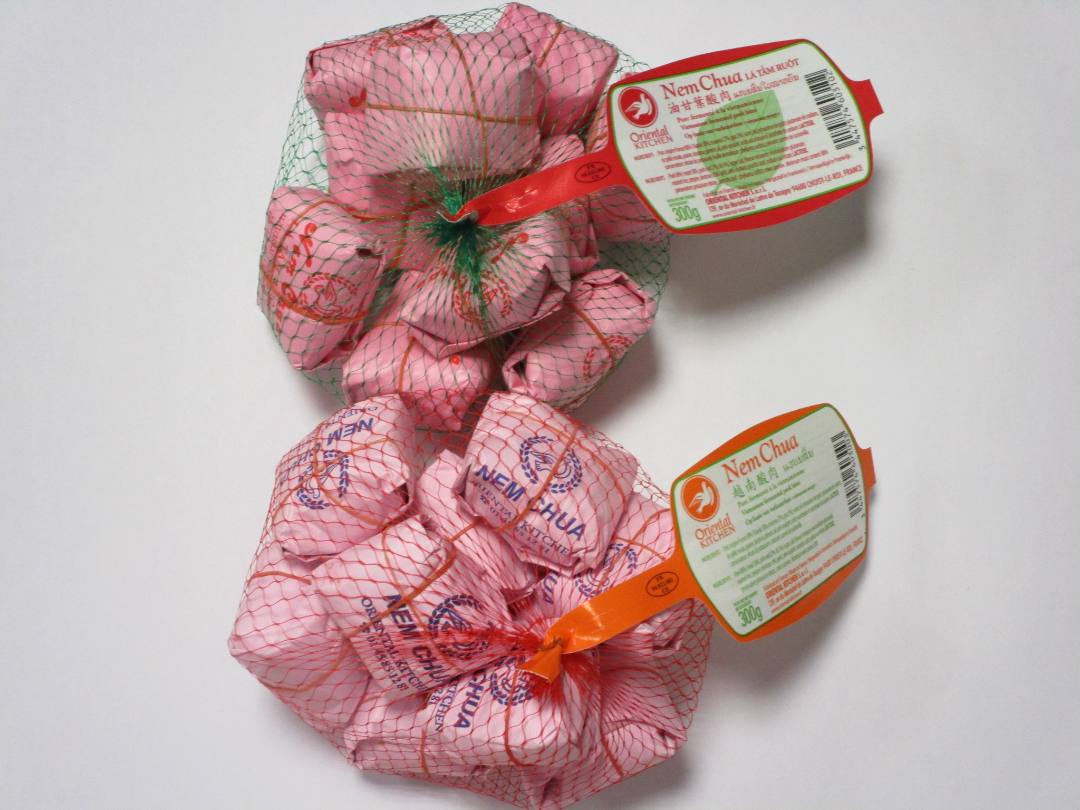
France – NEM CHUA and NEM CHUA La Tam Ruot – Staphylococcus aureus

Gov france

Identification information of the recalled product

  • Product category Feed
  • Product subcategory Meats
  • Product brand name ORIENTAL KITCHEN
  • Model names or references NEM CHUA and NEM CHUA La Tam Ruot
  • Identification of products
    GTIN Batch Date
    3447574603003 Filet of 300g with Expiration Date: 09/11/2022 Use-by date 09/11/2022
    3447574603102 Filet of 300g with Expiration Date: 09/11/2022 Use-by date 09/11/2022
  • Packaging Net of 10 units (300g)
  • Marketing start/end date Since 08/19/2022
  • Storage temperature Product to be stored at room temperature
  • Health mark EN 94.022.001 CE
  • Geographic area of ​​sale Whole France
  • Distributors Asian supermarkets and grocery stores
  • List of points of saleLIST_CLIENTS_NEM_CHUA_et_NC_LTR_-_DLC_11.09.2022_RAPPEL_CONSO.pdf

Practical information regarding the recall

  • Reason for recall Presence of Staphylococci
  • Risks incurred by the consumer Staphylococcus aureus (causative agent of staphylococcal poisoning)

Research – Notes from the Field: Outbreak of Salmonella Enteritidis at a Correctional Facility Using Mechanically Separated Chicken — Nebraska, 2022

CDC

On January 14, 2022, the Lincoln-Lancaster County (Nebraska) Health Department (LLCHD) notified the Nebraska Department of Health and Human Services (NDHHS) of two cases of laboratory-confirmed Salmonella in inmates at a correctional facility (facility A). LLCHD initiated an investigation in collaboration with NDHHS to identify the source of the outbreak and develop recommendations. The investigation linked consumption of mechanically separated chicken to illness. Mechanically separated chicken, which is produced at chicken processing facilities by separating edible chicken from bone and cartilage under pressure, is frequently purchased for use in institutions, such as prisons, jails, and correctional facilities because of its affordability (1,2).

Staff members at facility A reported approximately 100 inmates experienced gastrointestinal symptoms during a period of a few days; no staff member reported illness. LLCHD conducted open-ended interviews with ill inmates. Because the facility was experiencing a concurrent outbreak of COVID-19, and access to inmates for interviews was limited, it is likely that additional cases existed among noninterviewed and untested inmates beyond the total cases identified in the investigation. Inmates who were designated food handlers were prioritized for interviews because of transmission risk to others; untested inmates were able to seek care through facility A medical staff. A probable case was defined as the onset of diarrhea, stomach cramps, or vomiting during January 9–11, 2022, but without a positive stool culture, in an inmate at facility A; a confirmed case was defined as isolation of Salmonella serotype Enteritidis highly related to the outbreak strain (within three alleles) by core genome multilocus sequence typing in a clinical specimen. LLCHD conducted an environmental assessment on January 15, 2022. A list of food handlers, food menus for January, and temperature logs were requested. During the environmental assessment, a sample of raw, unopened mechanically separated chicken from a 50-lb intact box from the same shipment used to prepare a meal on January 8, 2022, was collected for testing.

A total of 15 cases of S. Enteritidis infection were identifie

Norway – Coop withdraws Coop Mediterranean salad 125g – E.coli

Matportalen

Coop Mediterranean salad

Coop Norge SA withdraws Coop Mediterranean lettuce 125g, best before date 14.09.2022. The reason is the discovery of E.coli.

Coop Mediterranean lettuce 125 g, best before date 14.09.2022 is sold in all Coop stores.

The withdrawal is due to the discovery of too high values ​​of the E.coli bacteria in accordance with the regulations.

E. coli is an intestinal bacterium that occurs naturally in the intestines of animals and humans. The bacteria are usually harmless, but some varieties of E. coli have properties that allow them to cause disease. The course of the disease depends on the type of E. coli and can range from a mild gastrointestinal infection to more serious disease with kidney complications.

The vast majority of the goods were stopped before they reached the shops. Coop Norge SA nevertheless asks consumers who have bought the product with the specific expiry date to return the product to the store, so that they can get a refund, or throw it away.

See Coop’s press release of 07/09/2022

Spain – Alert for hepatitis A virus in frozen fruit from Belgium

ACSA

The Spanish Agency for Food Safety and Nutrition has informed the autonomous communities through the Coordinated System of Rapid Information Exchange of an alert notification transferred by the health authorities of Hungary, regarding the presence of Hepatitis A in frozen fruit, of the ARDO brand.

The product involved is the following:

  • Product: Mixture of frozen red berries
  • Product number (on the label): ARDO FRUIT BERRY MIX
  • Trademark: ARDO
  • Appearance, weight and packaging: 1Kg or 2.5Kg plastic packaging
  • Lot number: 58622130 and 58622131
  • Preferred consumption: May 2024
  • Storage temperature: frozen

This product has been alerted in the Coordinated System of Rapid Information Exchange. The manufacturing company and the distribution companies have initiated the withdrawal of the product from sale and the recovery of the product from consumers.

The competent authorities are verifying the withdrawal of the product affected by the marketing channels.

With the information available, there is evidence of a case notified in Hungary, associated with this alert.

It is recommended that people who have this product at home refrain from consuming it and return it to the point of sale.

Spain – Alert for the presence of histamine in tuna pizza from Italy

ACSA

Tuna pizza CONSUME

The Spanish Agency for Food Safety and Nutrition has informed the autonomous communiqués through the Coordinated Rapid Information Exchange System of an alert notification sent by the health authorities of the Valencian Community, regarding the presence of histamine in frozen tuna pizzas of the CONSUM brand, made in Italy.

The product involved is as follows:

  • Product name (on the label): Tuna pizza
  • Trademark: CONSUM
  • Appearance, weight and packaging: 370g cardboard packaging
  • Batch number and expiry/best before: NE16, NE25, NE09, NF27, NF23, NG08, NB17, NB24, NC03 and NH05
  • Storage temperature: frozen product

The distribution company (CONSUM and CHARTER supermarkets) have initiated the withdrawal of the product from sale and the recovery of the product from consumers. The company CONSUM has also made a communication on its website.

The relevant authorities are verifying the withdrawal of the affected product from the marketing channels. It is recommended that people who have this product at home refrain from consuming it and return it to the point of sale.

With the information available, there is no evidence in Spain of any notified case associated with this alert.

We provide you with the link to the informative note published on the AESAN website, with details of the product and batches subject to withdrawal.

Ireland – Irish officials warn about rise in E. coli infections

Food Safety News

Health officials in the Republic of Ireland have issued a warning after an increase in E. coli cases and outbreaks in recent weeks.

The Department of Public Health Mid-West reported that in a four week period there have been more than 20 E. coli cases reported in the region, including several hospitalizations.

Public health teams have managed and investigated outbreaks and cases in households and rural settings, particularly on or near farms, and sites with access to a private well supply. Sources of infection are under investigation.

Officials also confirmed a “small number” of hemolytic uremic syndrome (HUS) cases. HUS is a type of kidney failure associated with E. coli infection.

The Mid-West region, which includes Clare, Limerick and North Tipperary, has one of the top rates of E. coli in the country, and Ireland has one of the highest rates in Europe.

In the past decade, there have been 1,250 cases of E. coli in the Mid-West region, with the highest number being 164 infections in 2021.

Infection can be acquired through contact with farm animals or their environment, from eating unwashed or undercooked contaminated food, drinking water from contaminated sources, and from contact with infected people such as in household or childcare settings where there are nappy changing or shared toilet facilities.

Meanwhile, an E. coli outbreak in Scotland has affected at least 50 people. Two nurseries in East Lothian have now reopened. Some patients were hospitalized but most people had mild symptoms and did not require hospital treatment.

Public Health Wales also recently reported an increase in cases of diarrhea and vomiting, specifically those caused by E. coli, in the Wrexham and Flintshire areas.

Research – Outbreak Investigation of E. coli O157:H7: Unknown Food (Fall 2020)

Food Poisoning News

The FDA and CDC, in collaboration with state and local partners, have completed the investigation on two of three multistate outbreak of E. coli O157:H7 infections in the U.S. this fall.

One of these investigations, Outbreak Unknown Source 3, identified 18 reported illnesses in nine states: California, Colorado, Illinois, Michigan, New York, Ohio, Pennsylvania, Virginia, Washington.

FDA completed a traceback investigation of several potential food vehicles identified in patient interviews and although no single farm was identified as a common source of the outbreak, FDA and state partners also conducted on-site investigations on farms of interest. However, information and samples collected in these inspections did not link these farms to the outbreak. The investigation of a farm does not mean that the farm is linked to an outbreak. The results of an investigation into a farm may well lead to that firm being ruled out of the investigation. On 12/18/2020, the CDC announced that this outbreak had ended.

The other completed outbreak investigation, Outbreak Unknown Source 1, identified 32 reported illnesses in 12 states: California, Illinois, Louisiana, Maryland, Michigan, Montana, New Jersey, Ohio, Utah, Virginia, Washington, Wisconsin. This strain of E. coli is genetically similar to a strain linked to a romaine outbreak that occurred in the spring of 2018, though a food was not linked to the current outbreak. FDA completed a traceback investigation and was unable to determine a common source of the outbreak. FDA and state partners also conducted on-site inspections on farms of interest, though information collected in these inspections did not link these farms to the outbreak. On 12/18/2020, the CDC announced that this outbreak had ended.

Investigations of a third E. coli outbreak of Unknown Source 2 continue.

Germany – Farmer’s bratwurst, spreadable raw sausage – STEC E.coli

LMW

Alert type: Food
Date of first publication: 06.09.2022
Product name:

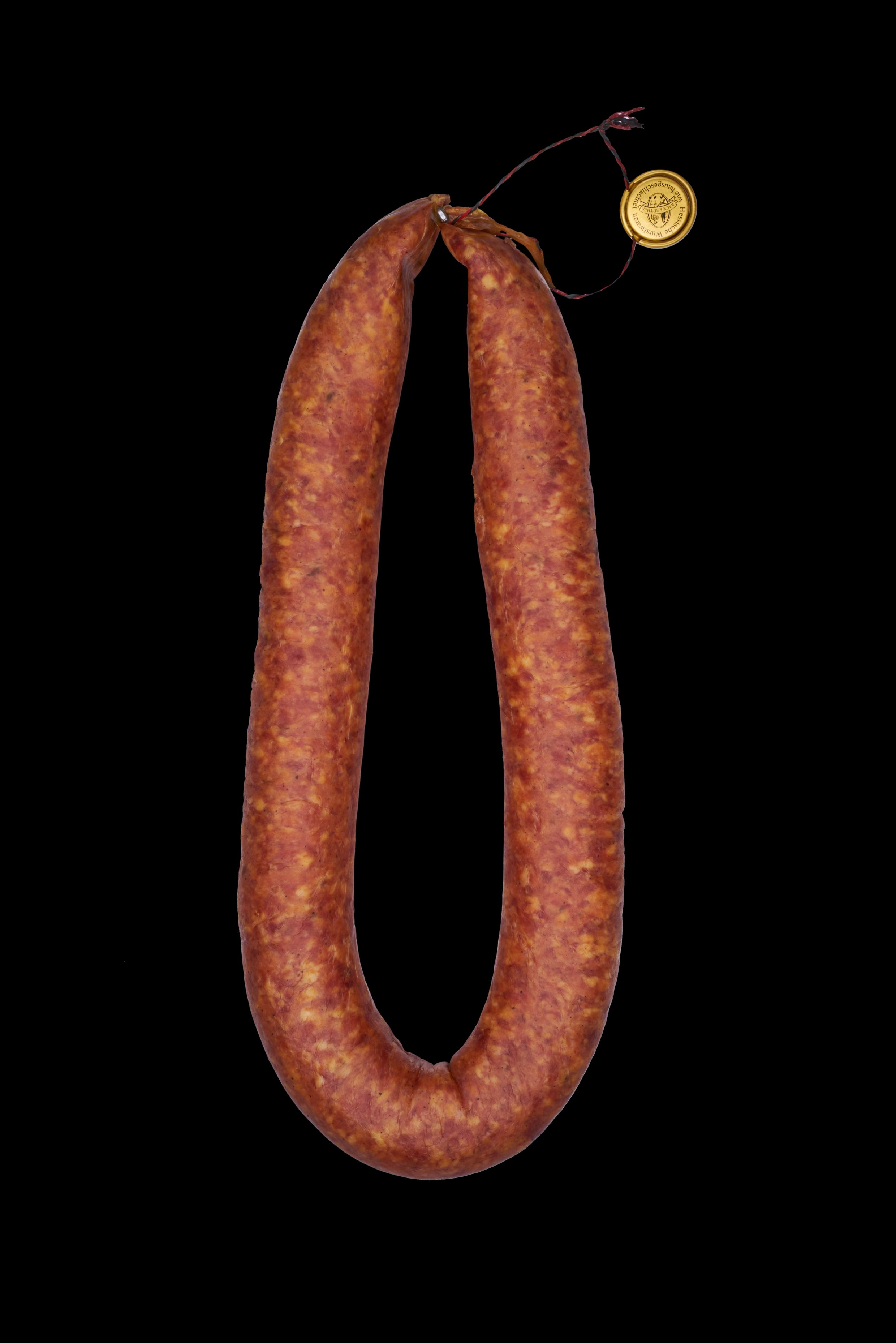
Farmer’s bratwurst, spreadable raw sausage

Product images:

Hessische_Bauernbratwurst_streichfaehig.jpg

Rack & Rüther GmbH

Manufacturer (distributor):

Rack & Rüther GmbH Steinbreite 14 34277 Fuldabrück

Reason for warning:

Detection of shigatoxin-producing Escherichia coli (STEC)

Durability: 09/30/2022
Lot identification: 238
Further information:

An EHEC (synonyms: STEC, VTEC) disease usually manifests itself within a week after infection with diarrhea and abdominal cramps. Babies, small children, the elderly and people with a weakened immune system in particular can develop more severe illnesses with bloody diarrhea. Rarely, especially in small children, acute kidney failure can occur in a second flare-up a few days after the onset of diarrhea. Anyone who has eaten this food and develops severe or persistent symptoms should seek medical attention and report possible EHEC infection. It makes no sense to seek preventive medical treatment without symptoms.

Further information on the pathogen can be found here: http://www.infectionsschutz.de/erregersteckbriefe/ehec/

For more information, please refer to the attached customer information.

Manufacturer’s website: