Can noroviruses be transmitted through food?

MAST

Food Borne Illness - Norovirus -CDC Photo

In winter, an increase in norovirus cases can be expected, as the infection is called the winter plague in some languages ​​(eg vinterkräksjuka in Swedish). The main symptoms of norovirus infection are malaise, vomiting, diarrhea, fever and abdominal pain.

The virus is highly contagious and only a few viruses are needed to cause infection. Noroviruses can be transmitted through food from people who are ill or have recently been ill with norovirus. There are examples of norovirus being transmitted through food in Iceland and abroad, such as frozen raspberries, oysters and food from restaurants. Such infections can cause group infections.

For example, the consumption of frozen raspberries caused a widespread norovirus infection in Denmark a few years ago. Subsequently, the Danes established rules that frozen raspberries should be heated before consumption, and such instructions can often be seen on packaging.

But how can the virus be prevented from spreading to food at home, in canteens, restaurants and other food businesses?

  • The production, cooking and serving of food should be avoided during illness and for at least 48 hours. after the symptoms are over.
  • Wash hands before handling food.
  • Wash hands before eating
  • Offer options for hand disinfection at the buffet.
  • Prevent utensil handles from coming into contact with food.
  • Food companies have clear rules regarding staff illness and their return.

The risk of norovirus being transmitted through food can be reduced if these guidelines are followed.

Advanced material:

Iceland – Salmonella in dried mushrooms

MAST

The Swedish Food Agency warns against the consumption of one batch of foreign dried black fungus due to salmonella, which Dai Phat imports and sells in its store. The company, in consultation with the Reykjavík Health Authority, has stopped sales and recalled the product.

The Swedish Food Agency received information about the recall through the RASFF European rapid alert system for food and feed.

The recall only applies to the following production batches:

  • Brand: Nam Meo
  • Product name: Black fungus
  • Shelf life: Best before date: 10.10.2023
  • Barcode: 8717624001321
  • Net quantity: 100 g
  • Country of manufacture: Vietnam
  • Importer: Dai Phat Trading Inc ehf., Faxafeni 14, 108 Reykjavík.
  • Distribution: Dai Phat Asian Supermarket, Faxafeni 14, 108 Reykjavík.

More information about Salmonella is available on the Food Agency’s website: https://www.mast.is/is/neytendur/matareitrun/salmonella .

Consumers who have purchased the product are advised not to consume it, dispose of it or return it to the Dai Phat store for a refund.

Advanced material

Spain – Alert due to the presence of Salmonella in beef burger meat from Spain

ACSA

Meat burger alert

The Spanish Agency for Food Safety and Nutrition has become aware, through the Coordinated System of Rapid Information Exchange (SCIRI), of an alert notification sent by the health authorities of Andalusia regarding the presence of Salmonella in product BURGUER MEAT of the Hamburdehesa brand.

The manufacturer has withdrawn the product from the market.

The data of the product involved are:

  • Product name: BURGER MEAT HAMBURDEHESA Dehesa heifer
  • Product appearance: Pack of 2 units of 130 g and pack of 2 units of 200 g .
  • Lot number: 300995
  • Expiry date: 02/12/2022
  • Unit weight: 260g (2x130g) and 400g (2x200g)
  • Temperature: Refrigerated

According to the information available, the product has been distributed in the autonomous communities of Andalusia and Madrid and the autonomous city of Ceuta , although other redistributions are not ruled out.

This information has been transferred to the competent authorities of the autonomous communities through the SCIRI in order to verify the withdrawal of the affected products from the marketing channels.

With the information available , there is no evidence in Spain of any notified case associated with this alert.

People who have products affected by this alert at home are advised to refrain from consuming them.

The presence of Salmonella in products can pose certain risks to the health of the people who consume them. In the case of having consumed this product and presenting symptoms compatible with salmonellosis (mainly diarrhea and/or vomiting accompanied by fever and headache) it is recommended to go to a health center.

Italy – Seasoned Sausage – Salmonella

Salute

Brand : Bartolini Carni

Name : seasoned sausage

Reason for reporting : Recall due to microbiological risk

Publication date : 31 October 2022

Documentation

Documentation

Belgium -“Smoked Mackerel 300 g” and “Smoked Mackerel Heart 150 g” from the Carrefour brand – Listeria monocytogenes

AFSCA

Recall of Carrefour
Products: “Smoked Mackerel 300 g” and “Smoked Mackerel Heart 150 g” from the Carrefour brand.
Problem: Possible presence of Listeria monocytogenes.


Following a check and in order to guarantee consumer safety, CARREFOUR is asking to withdraw from the market the products “Smoked Mackerel 300 g” and “Heart of Smoked Mackerel 150 g” of the Carrefour brand, sold in the fishmonger’s department of certain Carrefour stores and Mestdagh in Belgium and recalls them to consumers following the possible presence of listeria.

Product description:

Name: Smoked Mackerel 300 g
Brand: Carrefour
EAN code: 5400101075603 Best before
date: 7/11/2022
Batch numbers: all batch numbers containing “1310”
(Examples: L221310, L 1310 or 131023)

Name: Heart of smoked mackerel 150G
Brand: Carrefour
EAN code: 5400101075610 Use-
by date: 5/11/2022
Batch numbers: all batch numbers containing “1310” (Example: L221310, L 1310 of 131023)

The set products has been withdrawn from sale. Some of these products were, however, marketed on the Belgian market before the withdrawal measure. It is therefore recommended that people who hold the products described above do not consume them and destroy them or bring them back to the point of sale where they will be refunded to you.

People who have consumed the products mentioned above and who have a fever, isolated or accompanied by headaches, are invited to consult their doctor and report this consumption. These symptoms may be aggravated in young children, immunocompromised subjects and the elderly. These symptoms may suggest listeriosis, a disease with an incubation period of up to eight weeks.

For any additional information
 , you can contact Carrefour Belgium customer service by dialing the free number 0800.9.10.11 , from 8:30 a.m. to 8:00 p.m., Monday to Saturday.
We apologize to our customers for the inconvenience.

Ireland – Recall of Specific Batches of Clearspring Organic Wholegrain Rice Cakes due to the Presence of Aflatoxin

FSAI

Friday, 28 October 2022

Summary
Category 2: For Information
Alert Notification: 2022.65
Product: Clearspring Organic Wholegrain Rice Cakes – Lightly Salted; pack size: 12 x 130g
Batch Code: R22176B, best before date: 26/06/2023;

R22181B, best before date: 01/07/2023;

Country Of Origin: Belgium

Message:

The above batches of Clearspring Organic Wholegrain Rice Cakes are being recalled due to an elevated level of aflatoxin B1 in the rice used to produce the batches.

Recall notices will be displayed at point-of-sale.

Clearspring ricecake

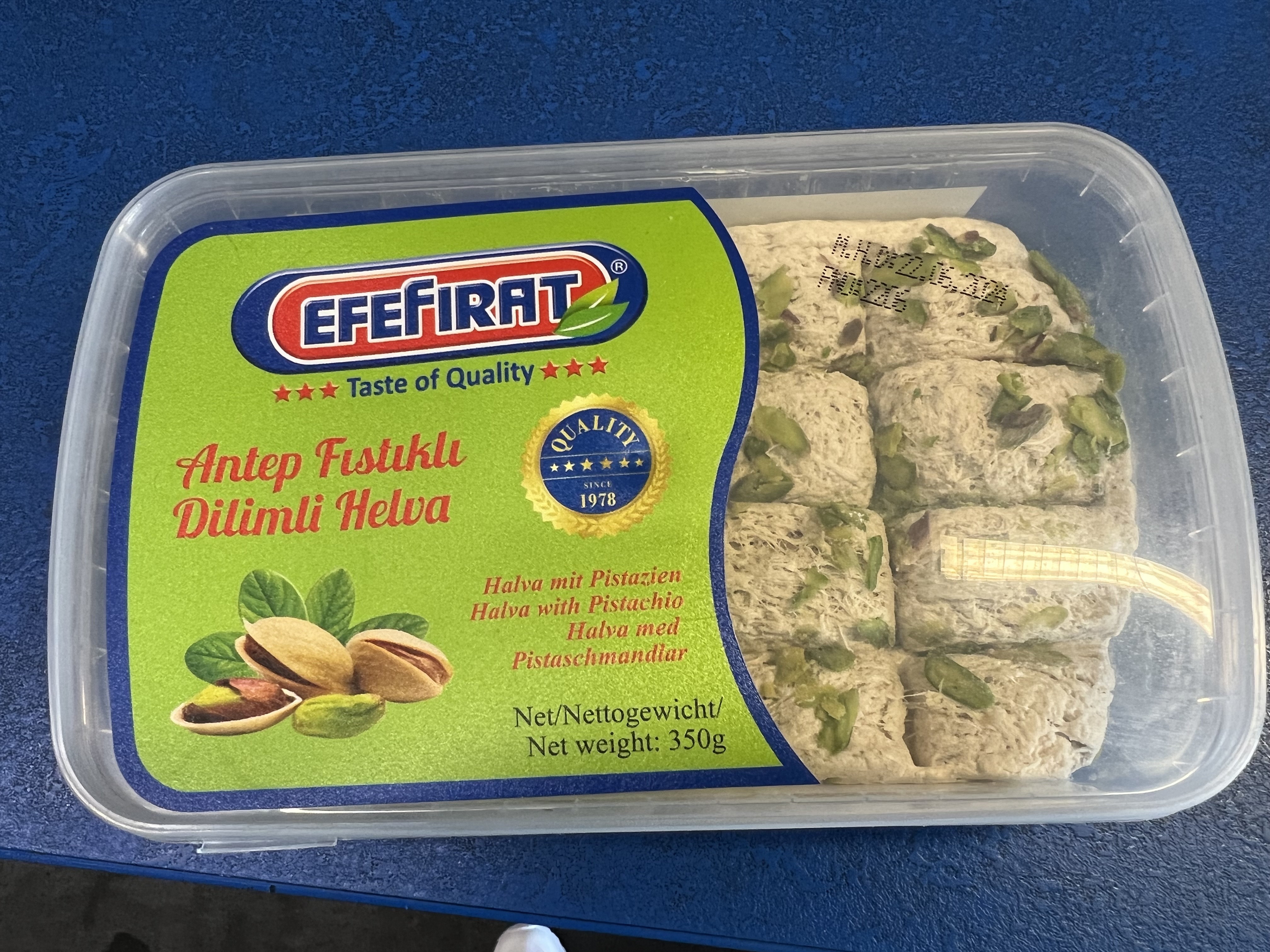
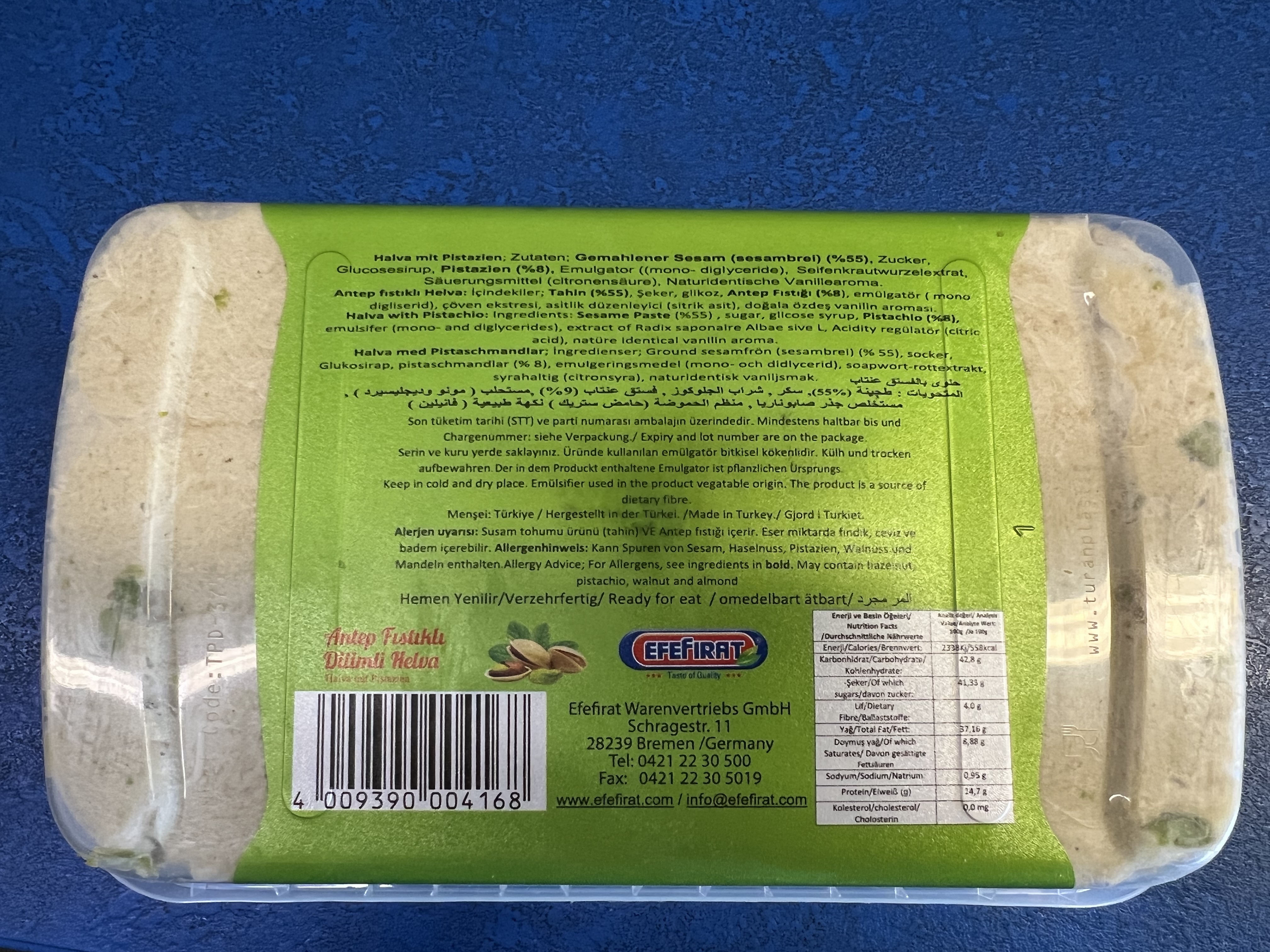
Germany – Halva with pistachios – Salmonella

LMW

Alert type: Food
Date of first publication: 10/28/2022
Product name:

Halva with pistachios

Product images:

IMG_5178.jpg
IMG_5179.jpg
Manufacturer (distributor):

Efefirat Warenvertriebs GmbH Schragestr. 11 28239 Bremen

Reason for warning:

Salmonella was found in the product

Packaging Unit: 350g
Durability: 06/22/2024
Lot identification: PND 2206

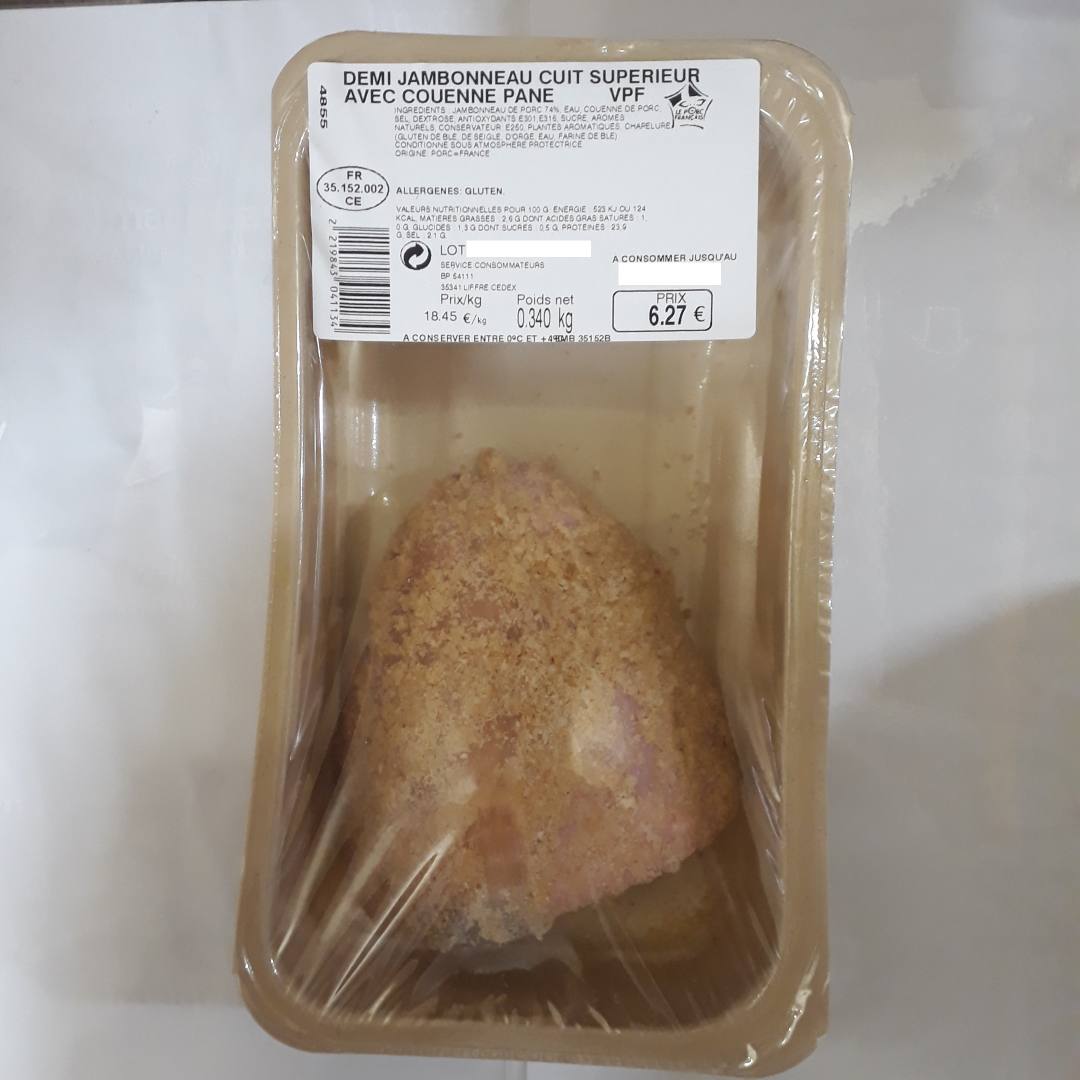
France – Superior cooked half ham with breaded rind – Listeria monocytogenes

Gov france

Identification information of the recalled product

  • Product category Feed
  • Product subcategory Meats
  • Product brand name CLERMONT
  • Model names or references Superior cooked half ham with breaded rind
  • Identification of products
    GTIN Batch Date
    3363710000850 2660124855 Use-by date 10/17/2022
  • Packaging In tray
  • Marketing start/end date From 24/09/2022 to 17/10/2022
  • Storage temperature Product to be stored in the refrigerator
  • Health mark EN 35.152.002 CE
  • Geographic area of ​​sale Whole France
  • Distributors U ensign, scanormande
  • List of points of saleTraceability_swallow.pdf

Practical information regarding the recall

  • Reason for recall Presence of Listeria monocytogenes
  • Risks incurred by the consumer Listeria monocytogenes (causative agent of listeriosis)

Research – The Ability of Shiga Toxin-Producing Escherichia coli to Grow in Raw Cow’s Milk Stored at Low Temperatures

MDPI

Despite the lack of scientific evidence, some consumers assert that raw milk is a natural food with nutritional and immunological properties superior to pasteurized milk. This has led to the increased popularity of unpasteurized cow milk (UPM) and disregard for the risks of being exposed to zoonotic infections. Dairy cattle are healthy carriers of Shiga toxin (Stx)-producing E. coli (STEC), and contaminated UPM has caused STEC outbreaks worldwide. The association between STEC, carrying the eae (E. coli attachment effacement) gene, and severe diseases is well-established. We have previously isolated four eae positive STEC isolates from two neighboring dairy farms in the Southeast of Norway. A whole genome analysis revealed that isolates from different farms exhibited nearly identical genetic profiles. To explore the risks associated with drinking UPM, we examined the ability of the isolates to produce Stx and their growth in UPM at different temperatures. All the isolates produced Stx and one of the isolates was able to propagate in UPM at 8 °C (p < 0.02). Altogether, these results highlight the risk for STEC infections associated with the consumption of UPM.

Research – Survey of the occurrence of Giardia duodenalis cysts and Cryptosporidium spp. oocysts in green leafy vegetables marketed in the city of Valencia (Spain)

Science Direct

Abstract

The role of vegetables usually consumed without prior culinary treatment is known to contribute to the prevalence of foodborne diseases. Cysts and oocysts can contaminate food, which can then be the source of infection in humans. The aim of the study was to assess the occurrence of Giardia duodenalis and Cryptosporidium spp. (oo)cysts in green leafy vegetables marketed in the city of Valencia (Spain) combining parasitological methods, two real-time qPCRs and light microscopy. An experimental field study was conducted on 129 vegetable samples, 64 from conventional farms and 65 from ecological (organic) farms. The samples were washed with water, and the resulting solution after removing the vegetables, was subjected to 24-hour sedimentation. The concentrated sediment was used for the search for protozoa. A positive result by both real-time PCRs, or a positive result by one qPCR and confirmation by microscopy was established as a positivity criterion. Giardia duodenalis was detected in 23.0 % of the samples, and Cryptosporidium spp. in 7.8 %. G. duodenalis (41.5 %) and Cryptosporidium spp. (20.0 %) were more frequent in ecological crops. The high level of contamination detected in organic vegetables may be due to the type of fertilizers and the quality of the water used for their irrigation and reinforces the need to take extreme hygiene measures in vegetables that are consumed raw.