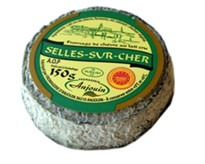
France – Cheese – SADDLES ON CHER AOP – STEC E.coli O26 and O103

Gov france

  • Product category Food
  • Product subcategory Milk and dairy products
  • Product brand name Anjouin Cheese Factory
  • Model names or references SADDLES ON CHER AOP 150G
  • Identification of products
    GTIN Batch Date
    0003301170070105 S222T2 Date of minimum durability 10/10/2023
  • Packaging 150G tray
  • Marketing start/end date From 08/23/2023 to 08/25/2023
  • Storage temperature Product to be stored in the refrigerator
  • Health mark EN 36.004.001 EC
  • Geographic area of ​​sale Whole France
  • Distributors CARREFOUR AUCHAN

France – Cheese – SADDLES ON CHER AOP – STEC E.coli O26 and O103

Gov france

  • Product category Food
  • Product subcategory Milk and dairy products
  • Product brand name Anjouin Cheese Factory
  • Model names or references SADDLES ON CHER AOP 150G
  • Identification of products
    GTIN Batch Date
    0003301170007002 S220T2 Date of minimum durability 07/10/2023
    0003301170007002 S222T2 Date of minimum durability 10/10/2023
  • Packaging By the cup 150G
  • Marketing start/end date From 08/21/2023 to 08/25/2023
  • Storage temperature Product to be stored in the refrigerator
  • Health mark EN 36.004.001 EC
  • Geographic area of ​​sale Whole France
  • Distributor AUCHAN CREM CENTER SYSTEME U ABC PEYRAUD ODEON BUISSON FRANCE FRESH PRO A PRO LA FERME D’ALEXANDRE VALSERINE APS PROLAICENTRE CARREFOUR CARTRY FROMAPAC PONT D’AIN

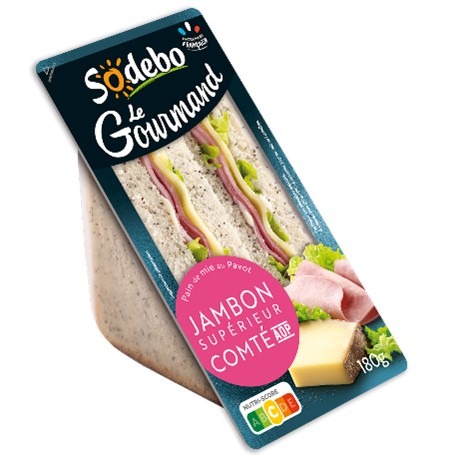
France – SANDWICH LE GOURMAND HAM SUPERIEUR COMTE AOP 180G – Salmonella

Gov france

  • Product category Food
  • Product subcategory Prepared meals and snacks
  • Product brand name SODEBO
  • Model names or references LE GOURMAND HAM SUPERIEUR COMTE AOP 180G
  • Identification of products
    GTIN Batch Date
    3242272846055 DLC 08/29/2023 Use-by date 08/29/2023
  • Packaging 180G tray
  • Marketing start/end date From 08/17/2023 to 08/25/2023
  • Storage temperature Product to be stored in the refrigerator
  • Geographic area of ​​saleWhole France
  • Distributors List of signs delivered as attachments
  • List of points of sale List_of_brands.pdf

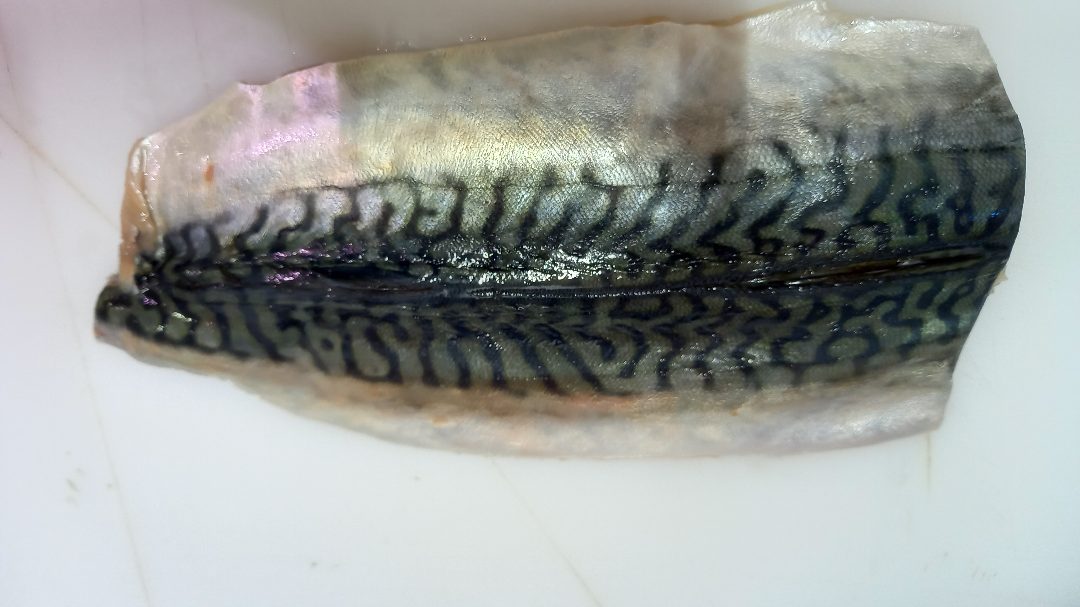
France – FILLET OF HADDOCK – Histamine

Gov france

  • Product category Food
  • Product subcategory Fishery and aquaculture products
  • Product brand name unbranded
  • Model names or references Mackerel fillet
  • Identification of products
    GTIN Batch Date
    2888866051491 331940492 Use-by date 07/24/2023
  • Packaging packaging vacuum pouch of about 270g
  • Marketing start/end date From 18/07/2023 to 24/07/2023
  • Storage temperature Product to be stored in the refrigerator
  • Health mark without
  • Geographic area of ​​sale INTERMARCHE 21310 MIREBEAU SUR BEZE
  • Distributors INTERMARCHE MIREBEAU SUR BEZE

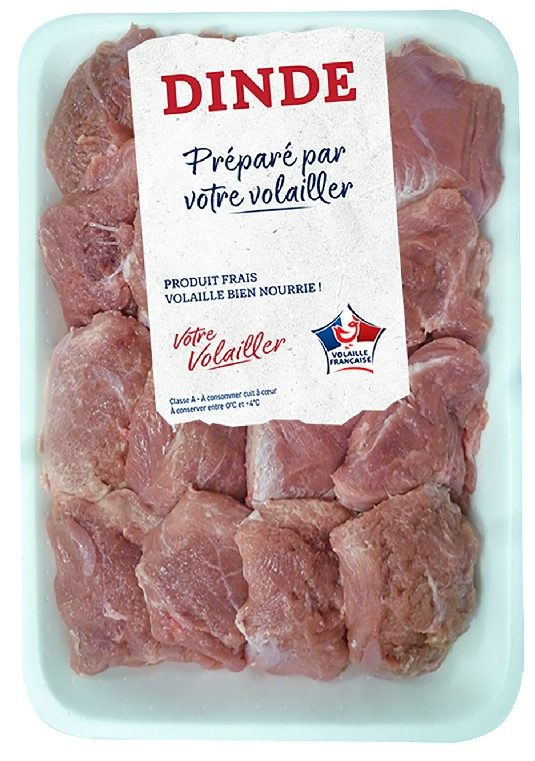
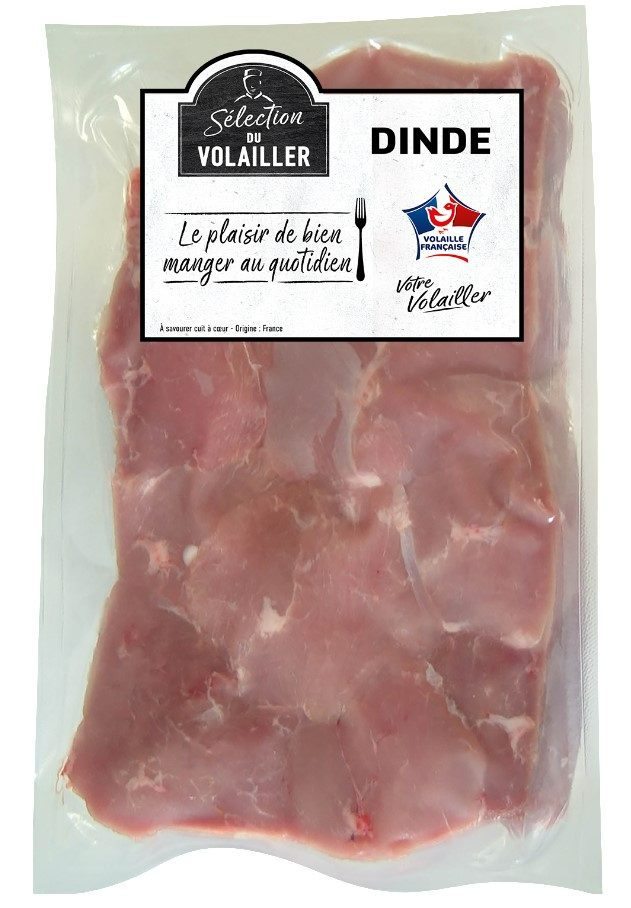
France – Turkey Meat- Listeria monocytogenes

Gov france

  • Product category Food
  • Product subcategory Meats
  • Product brand name Your Poultry
  • Model names or references Sot l’y leaves of turkey packaged in a tray under a modified atmosphere from the brand Your Volailler
  • Identification of products
    GTIN Batch Date
    22443050 0343156953 Use-by date 08/11/2023
    22443050 0343156953 Use-by date 08/12/2023
    22443050 0343156953 Use-by date 08/13/2023
    22443050 0343156953 Use-by date 08/14/2023
  • Products List ReminderConso_31137_List_of_products.pdfAttachment
  • Packaging Tray under protective atmosphere
  • Marketing start/end date From 02/08/2023 to 14/08/2023
  • Storage temperature Product to be stored in the refrigerator
  • Health mark FR 41 238 001 EC
  • Geographic area of ​​sale Whole France
  • Distributors Crossroads – E. Leclerc
  • List of points of sale RappelConso_31137_List_of_points_of_sale.pdf

Gov france

  • Product category Food
  • Product subcategory Meats
  • Product brand name Poultry Selection
  • Model names or references Sot l’y leaves of turkeys packaged in vacuum bags for the traditional butchery sections of stores
  • Identification of products
    GTIN Batch Date
    3291980823414 0343156953 Use-by date 08/13/2023
  • Products List ReminderConso_48349_List_of_products.pdfAttachment
  • Packaging Vacuum bag
  • Marketing start/end date From 02/08/2023 to 13/08/2023
  • Storage temperature Product to be stored in the refrigerator
  • Health mark FR 41 238 001 EC
  • Geographic area of ​​sale Whole France
  • Distributors Crossroads
  • List of points of sale RappelConso_48349_List_of_points_of_sale.pdf

Gov france

  • Product category Food
  • Product subcategory Meats
  • Product brand name Poultry selection
  • Model names or references Sot l’y leaves de dine packaged in vacuum bags for the traditional butchery sections of stores
  • Identification of products
    GTIN Batch Date
    3285320189902 0343156953 Use-by date 08/11/2023
    3285320189902 0343156953 Use-by date 08/12/2023
  • Products List RappelConso_18990_List_of_products.pdfAttachment
  • Packaging Vacuum bag
  • Marketing start/end date From 02/08/2023 to 12/08/2023
  • Storage temperature Product to be stored in the refrigerator
  • Health mark FR 41 238 001 EC
  • Geographic area of ​​sale Whole France
  • Distributors E. Leclerc – Super U – Hyper U – Useful
  • List of points of sale RappelConso_18990_List_of_points_of_sale.pdf

China records a rise in domestic foodborne outbreaks.

Food Safety News

The number of domestic foodborne outbreaks in China has increased over 10 years, according to a study.

Researchers analyzed the cause of household foodborne disease outbreaks from 2010 to 2020 using data from the National Foodborne Disease Surveillance System.

A total of 17,985 outbreaks, which resulted in 73,252 illnesses, 38,829 hospitalizations, and 1,269 deaths, were reported. Most episodes were from May to October, and the highest number occurred in July.

A similar study, published in China CDC Weekly, looked at outbreaks in catering facilities in the country using data from the same time period.

Research – Inactivation of Foodborne Pathogens by Lactobacillus Strains during Meat Fermentation: Kinetics and Mathematical Modelling

MDPI

Abstract

This study examined the effect of beef fermentation with Lactiplantibacillus paraplantarum (L) PTCC 1965, Lactiplantibacillus (L) plantarum subsp. plantarum PTCC 1745, and Lactiplantibacillus (L) pentosus PTCC 1872 bacteria on the growth of pathogenic bacteria, including Salmonella (S) Typhi PTCC 1609 and Staphylococcus (S) aureus PTCC 1826. The growth of lactic acid bacteria (LAB) and the effect of fermentation on pathogenic bacteria were studied using Weibull: biphasic linear and competitive models. The results showed that the rate of pH reduction was lower in the early stages and increased as the microbial population grew. The α parameter was lower for L. plantarum subsp. plantarum compared to L. paraplantarum and L. pentosus. The comparison of the α parameter for bacterial growth and pH data showed that the time interval required to initiate the rapid growth phase of the bacteria was much shorter than that for the rapid pH reduction phase. The pH value had a 50% greater effect on the inactivation of S. Typhi when compared to the samples containing L. plantarum subsp. plantarum and L. pentosus. The same parameter was reported to be 72% for the inactivation of St. aureus. In general, during the fermentation process, LAB strains caused a decrease in pH, and as a result, reduced the growth of pathogens, which improves consumer health and increases the food safety of fermented meat.

Research – Genomic diversity and epidemiological significance of non-typhoidal Salmonella found in retail food collected in Norfolk, UK

Microbiology Research

ABSTRACT

Non-typhoidal  (NTS) is a major cause of bacterial gastroenteritis. Although many countries have implemented whole genome sequencing (WGS) of NTS, there is limited knowledge on NTS diversity on food and its contribution to human disease. In this study, the aim was to characterise the NTS genomes from retail foods in a particular region of the UK and assess the contribution to human NTS infections. Raw food samples were collected at retail in a repeated cross-sectional design in Norfolk, UK, including chicken (=311), leafy green (=311), pork (=311), prawn (=279) and salmon (=157) samples. Up to eight presumptive NTS isolates per positive sample underwent WGS and were compared to publicly available NTS genomes from UK human cases. NTS was isolated from chicken (9.6 %), prawn (2.9 %) and pork (1.3 %) samples and included 14 serovars, of which  Infantis and  Enteritidis were the most common. The . Enteritidis isolates were only isolated from imported chicken. No antimicrobial resistance determinants were found in prawn isolates, whilst 5.1 % of chicken and 0.64 % of pork samples contained multi-drug resistant NTS. The maximum number of pairwise core non-recombinant single nucleotide polymorphisms (SNPs) amongst isolates from the same sample was used to measure diversity and most samples had a median of two SNPs (range: 0–251). NTS isolates that were within five SNPs to clinical UK isolates belonged to specific serovars: . Enteritidis and . Infantis (chicken), and . I 4,[5],12:i- (pork and chicken). Most NTS isolates that were closely related to human-derived isolates were obtained from imported chicken, but further epidemiological data are required to assess definitively the probable source of the human cases. Continued WGS surveillance of  on retail food involving multiple isolates from each sample is necessary to capture the diversity of  and determine the relative importance of different sources of human disease.

CDC Research – Reoccurring Escherichia coli O157:H7 Strain Linked to Leafy Greens–Associated Outbreaks, 2016–2019

CDC

Abstract

Genomic characterization of an Escherichia coli O157:H7 strain linked to leafy greens–associated outbreaks dates its emergence to late 2015. One clade has notable accessory genomic content and a previously described mutation putatively associated with increased arsenic tolerance. This strain is a reoccurring, emerging, or persistent strain causing illness over an extended period.

Escherichia coli O157:H7 is estimated to cause ≈63,000 domestically acquired foodborne illnesses and 20 deaths in the United States each year (1). E. coli O157:H7 infections are typically associated with abdominal cramps, bloody diarrhea, and vomiting; however, a rare but serious condition called hemolytic uremic syndrome can develop, resulting in anemia and acute renal failure. Healthy cattle serve as the main reservoir for E. coli O157:H7, and contaminated food, water, and environmental sources, as well as contact with animals, have been the source of outbreaks of E. coli O157:H7 infections.

More recently, contaminated leafy greens have been recognized as a major source of E. coli O157:H7 illnesses and outbreaks. In foodborne illness attribution estimates for 2020 based on outbreak data, 58.1% of E. coli O157:H7 illnesses were attributed to vegetable row crops, a category that includes leafy greens (https://www.cdc.gov/foodsafety/ifsac/annual-reports.html). During 2009–2018, a total of 32 confirmed or suspected outbreaks of E. coli O157:H7 infections linked to contaminated leafy greens occurred in the United States and Canada (5).

A large E. coli outbreak in late 2019, hereafter referred to as outbreak A, caused 167 cases, hospitalized 85 persons from 27 states, and was associated with the consumption of romaine lettuce from Salinas Valley, California, USA (https://www.cdc.gov/ecoli/2019/o157h7-11-19/index.html). We characterized isolates from outbreak A and highly related isolates by using a variety of molecular methods.

Research – Internalization of Salmonella in Leafy Vegetables during Postharvest Conditions

MDPI

Abstract

The consumption of fresh produce is increasing due to its role in promoting a healthy and balanced diet. However, this trend is accompanied by increased foodborne disease cases associated with pathogens such as Escherichia, Listeria, and Salmonella. Previous studies provided evidence that the internalization of foodborne pathogens in fresh produce may be a potential contamination route and may pose a public health risk. This study investigates the combination effects of storage temperature and humidity on Salmonella internalization in six types of leafy greens (iceberg lettuce, romaine lettuce, red lettuce, green onion, spinach, and kale) during the storage stage. The results indicated that temperature plays a critical role in Salmonella internalization, with higher concentrations observed in samples stored at 25 °C compared to those stored at 7 °C. The mean concentration of internalized Salmonella in the iceberg lettuce sample was the highest and that in the green onion sample was the lowest (iceberg lettuce > red lettuce > romaine lettuce > spinach > kale > green onion). Mist conditions also had an impact on internalization. The group treated with mist showed an increase in Salmonella internalization of about 10–30% rather than the group without mist treatment. This research emphasizes the importance of understanding the factors influencing bacterial internalization in fresh produce and highlights the need for proper storage conditions to minimize the risk of contamination and ensure food safety.