Product category
Food
Product subcategory
Meats
Product brand name
Unbranded
Model names or references
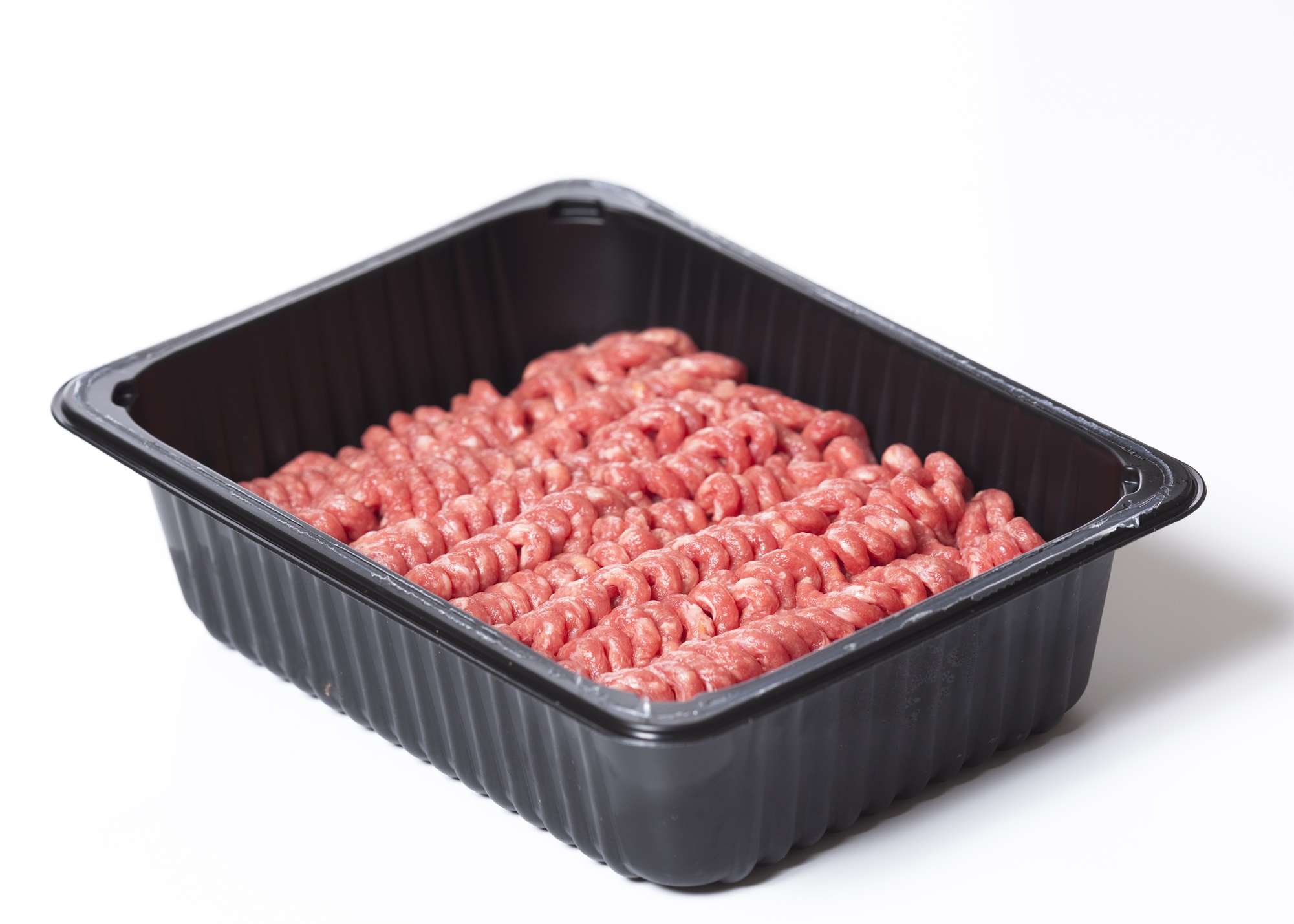
Ground beef / ground beef steak
Product identification
GTIN Batch
0212770000000 145 – 2024 – LOCAL
Packaging
Bulk
Start/end date of marketing
From 05/24/2024 to 06/06/2024
Storage temperature
Product to keep in the refrigerator
Geographical sales area
E.Leclerc Creutzwald and surrounding areas
Distributors
E.Leclerc Creutzwald
Costco Frozen Cookie Dough in several flavors, along with Panera Cookie Dough and Rise Baking Company Cookie Dough, are being voluntarily recalled for possible Salmonella contamination. There is no mention about whether or not any illnesses have been reported to the company to date in connection with the consumption of these products, since the recall was posted on the FDA’s Enforcement Reports Page, and not the regular recall page. The recalling firm is Rise Baking Company, doing business as South Coast Baking of Springdale, Arkansas.
Salmonella can cause symptoms such as nausea, vomiting, abdominal cramps, diarrhea, fever and headache within 6 to 72 hours after consumption. These symptoms may be aggravated in young children, immunocompromised individuals and the elderly. People who have consumed these products and present these symptoms are invited to consult a doctor and report this consumption.
The product can be distributed by different points of sale in Luxembourg.
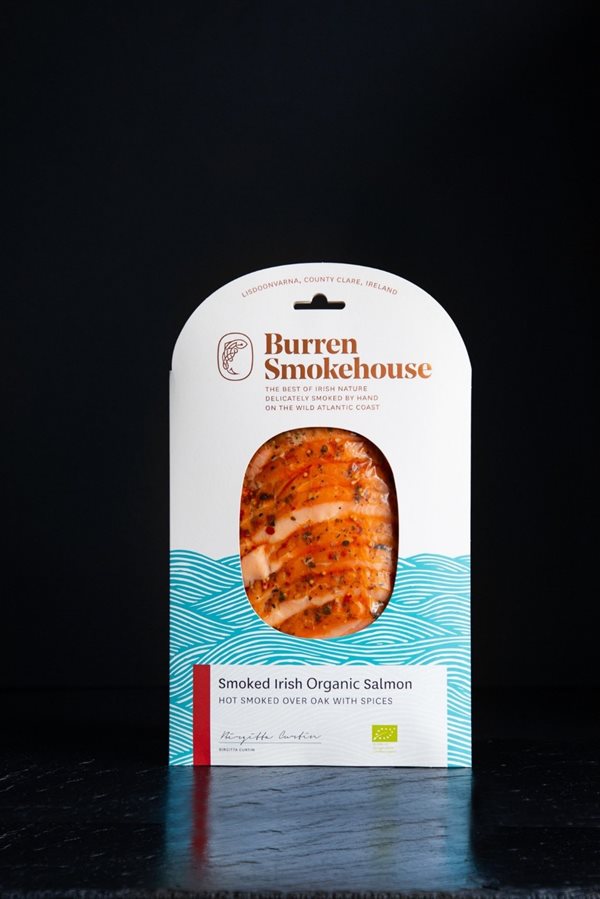
Organic Hot smoked salmon Honey Lemon Pepper; pack size:140g
Organic Hot smoked salmon Honey Lemon Pepper; pack size:500g
Organic Hot smoked salmon Spiced;pack size: 500g
Batch Code
Batch code 412421, use-by from 04/06/24 to 24/06/24.
Country Of Origin:
Ireland
Message:
Symptoms of Listeria monocytogenes infection can include mild flu-like symptoms, or gastrointestinal symptoms such as nausea, vomiting and diarrhoea. In rare cases, the infection can be more severe, causing serious complications. Some people are more vulnerable to Listeria monocytogenes infections, including pregnant women, babies, and people with weakened immune systems, including the elderly. The incubation period (time between initial infection and first symptoms appearing) is on average 3 weeks but can range between 3 and 70 days.
Retailers are requested to remove the implicated products from sale and display recall notices at point-of-sale.
Wholesalers/distributors are requested to contact their affected customers and recall these products and provide a point-of-sale recall notice to their retailer customers.
Caterers should not use the implicated batch.
Consumers:
Consumers are advised not to eat the implicated products.
For the second time in less than a month, consumers in Denmark have been affected by salmonella infection. Cook the burger patty well and don’t taste raw meat, the authorities warn.
A new salmonella outbreak with 43 patients is underway in Denmark. So far, it includes 27 men and 16 women aged 3-85. This is shown by figures from the Statens Serum Institut, which monitors and investigates foodborne disease outbreaks together with the DTU Food Institute and the Danish Veterinary and Food Administration.
“We are currently seeing a fast-growing outbreak with 43 patients who have contracted salmonella. We know that the actual number of patients is much higher, as not everyone goes to the doctor or gets a test. By examining the bacteria, we can see that the salmonella type is exactly the same at the DNA level. This means that the patients are infected by the same source. Interviews with patients again point to ground beef, as we saw with the latest outbreak.”
Investigation underway
It is still unclear where the beef comes from, but the authorities are in the process of interviewing patients and reviewing procurement information. The goal is to find common features among the patients’ purchases in order to try to make a breakthrough in the investigation.
“We have established that two-thirds of the current patients have either tasted the raw meat or used ordinary minced beef for tartar. We would strongly advise against that,” emphasizes section leader of the Danish Food and Food Administration Annette Perge.
The reason is that there may be bacteria in minced meat which can cause illness. It can be salmonella, but it can also be particularly dangerous E. coli bacteria. That is why the advice from the Danish Veterinary and Food Administration also reads:
If you want to eat tartar, buy minced meat, which is specially intended for tartar. It’s on the packaging – otherwise ask the butcher.
Wash hands before starting to cook and after touching raw meat
Avoid tasting raw meat, e.g. raw minced meat
Keep raw meat separate from ready-to-eat food, e.g. salad
Fry or cook minced meat through
Less than a month ago, 64 patients in Denmark were infected with a type of salmonella that was found to originate from minced beef from England. The authorities in the central outbreak group have not yet found the origin of the source of infection for the latest outbreak.
Facts about Salmonella
Infection with salmonella typically causes general malaise, diarrhoea, stomach ache, possibly nausea, vomiting and fever. The infection is often accompanied by joint pain, muscle pain and headache. In most cases, the symptoms of salmonella are mild and go away on their own. If you get persistent symptoms, you should contact your own doctor.
Some products may be contaminated with Salmonella.
Lake Worth, FL (June 7, 2024) – Green Life Farms is voluntarily recalling one lot of its 4-ounce containers of Baby Arugula because they have the potential to be contaminated with Salmonella. Symptoms of Salmonella may include diarrhea, fever, and abdominal cramps. Illness usually occurs within 12 to 72 hours after eating contaminated food and usually lasts four to seven days. Children younger than five, the elderly, and people with weakened immune systems are more likely to have severe infections.
No illnesses have been reported to date in connection with this problem. The recalled products were available for sale at select Publix locations from 5/31/24 and have a sell by date of 6/15/24.
The recall applies only to products marked with Lot #LW15124. The product comes in a 4-ounce, clear plastic package marked with the lot code stamped on the top. Product is dated with a sell by date of 6/15/24.
The potential for contamination was noted after routine testing by the company revealed the presence of Salmonella in a single harvest of Baby Arugula. The company took immediate corrective action and additional harvests remain unaffected.
Consumers who have purchased Baby Arugula marked with the affected lot code are urged to return it to the place of purchase for a full refund. Consumers with questions may contact the company at 1-888-213-9603 or by email at info@greenlifefarms.ag.
Product category
Food
Product subcategory
Milk and dairy products
Product brand name
Stools on expensive Valençay Bûches
Model names or references
Stools on expensive Valençay Bûches
Product identification
Batch
lots 2105-2205-2305-2505
Start/end date of marketing
From 05/22/2024 to 05/31/2024
Storage temperature
Product to keep in the refrigerator
Geographical sales area
Whole France
Distributors
direct sale