Category Archives: Water Safety

Research – Synergistic antibacterial effect of nisin, ethylenediaminetetraacetic acid, and sulfite on native microflora of fresh white shrimp during ice storage

Wiley Online

This study aims to investigate the effectiveness of using nisin, ethylenediaminetetraacetic acid (EDTA), and sulfite alone or in combination in reducing Vibrio parahaemolyticus Salmonella enterica , and Pseudomonas fluorescens in broth and native microflora on raw Pacific white shrimp during ice storage. Nisin (50 ppm), EDTA (20 mM), alone or in combination were used to test on the growth of parahaemolyticus enterica , and fluorescens in broth. Nisin (50 ppm), EDTA (20 mM), sodium metabisulfite (1.25 and 0.625%), ice; alone or in combination were used on shrimps during 1°C storage for 10 days. Microbial and chemical changes were analyzed during shrimp storage. First, the combination of nisin and EDTA exhibited antibacterial effects against parahaemolyticus enterica , and fluorescens in broth. Second, in shrimp preservation, the combination of nisin, EDTA, and sulfite at a low dose of 0.625% exhibited higher antimicrobial activity than did a high dose of sulfite (1.25%). Based on aerobic bacteria counts, psychrotrophic bacteria, and TVB‐N, shrimp treatment with combination of nisin, EDTA, and low‐dose sulfite were still acceptable within 10 days of storage. Based on our findings, nisin and EDTA can be used to reduce uses of sulfite for shrimp preservation in the future.
USA – CDC Closes Atlanta Buildings After Finding Legionella

Outbreak News Today

CDC legionella

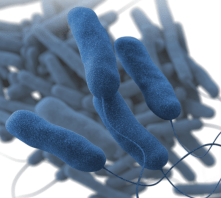
Image CDC

The CDC closed several buildings it leases in Atlanta after finding legionella bacteria in the plumbing. “During the recent closures at our leased space in Atlanta, working through the General Services Administration (GSA), CDC directed the landlord to take protective actions,” CDC told CNN.

“Despite their best efforts, CDC has been notified that Legionella, which can cause Legionnaires’ Disease, is present in a cooling tower as well as in some water sources in the buildings. Out of an abundance of caution, we have closed these buildings until successful remediation is complete.”

USA – Cyclospora Outbreak in Texas

Outbreak News Today

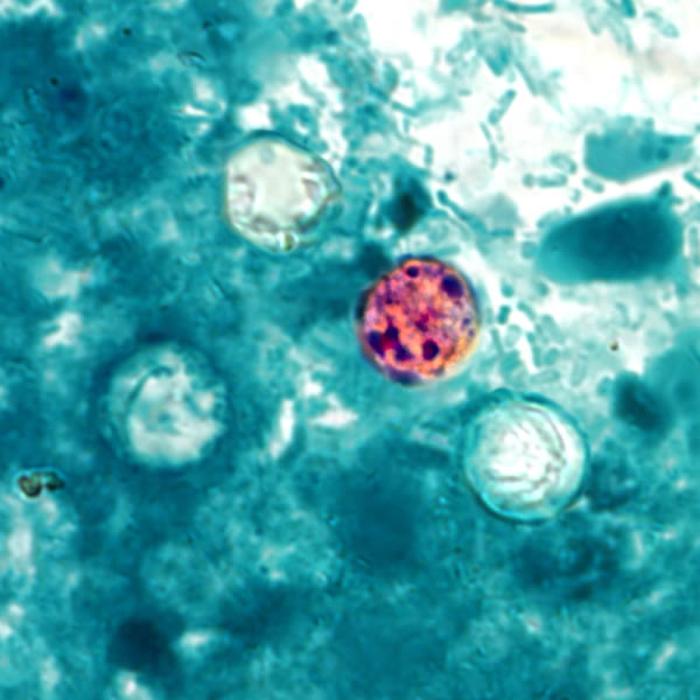
Austin Public Health (APH) announced it was investigating an outbreak of Cyclospora, an intestinal illness caused by a parasite, after at least 82 cases have been reported since June 1, 2020. This Austin-Travis County Cyclospora Outbreak does not yet have an identified source.

According to  APH Epidemiologist Janet Pichette, “While we may be in COVID-19 season, we cannot forget the other diseases and infections that are commonly present in our community. And as we have said time and time again, there are ways to prevent many of these diseases and infections, including cyclosporiasis – thoroughly wash fresh produce, wash your hands after handling fruits and vegetables, and separate produce from raw meat and seafood.”

Until a source is found, the APH reminds all Texas residents to wash their hands and their produce.

Ireland – Withdrawal of Gold River Quality Mixed Salad Leaves due to the Possible Presence of Cryptosporidium

FSAI

Summary
Category 1: For Action
Alert Notification: 2020.42
Product: Gold River Quality Mixed Salad Leaves (Seasonal Salad Box); pack size: 1kg
Batch Code: All batch codes, all best before dates.
Country Of Origin: Ireland

Message:

All batches of Gold River Quality Mixed Salad Leaves (Seasonal Salad Box) are being withdrawn from sale as a precaution, due to the possible presence of Cryptosporidium.

Nature Of Danger:

Cryptosporidium is a microscopic parasite which causes cryptosporidiosis, a common form of gastroenteritis. Watery diarrhoea is the most common symptom of cryptosporidiosis, which can be particularly serious for young children, older people, pregnant women and people with weakened immune systems.

Action Required:

Inspectors:

EHOs are requested to notify the FSAI at foodincidents@fsai.ie, if the implicated batches are found to be in use at catering premises.

Manufacturers, wholesalers, distributors, caterers & retailers:

Caterers should not use the implicated batches.

Gold River Photos

Europe – Legionnaires’ disease – Annual Epidemiological Report for 2018

ECDC European Centre for Disease Prevention and Control

Legionnaires’ disease remains an uncommon and mainly sporadic respiratory infection with an overall notification rate of 2.2 per 100 000 for the EU/EEA in 2018. There is heterogeneity in notification rates between EU/EEA countries, with the highest rate reported by Slovenia (7.7 per 100 000). The annual notification rate increased continuously over the period 2014–2018, from 1.3 per 100 000 in 2014 to 2.2 in 2018. There was a 23% increase in the number of cases in 2018 compared with 2017.Four countries (France, Germany, Italy and Spain) accounted for 71% of all notified cases in 2018. Males aged 65 years and above were most affected (8.5 per 100 000).

Research – Researchers identify biofilm hotspots, document danger zones

Food Safety News

Scientists in Austria have investigated where biofilms hide and what bacteria can be found in them.

Biofilms are proven sources of contamination in the food industry. They can cause additional costs in production and can be a danger to consumer health.

Researchers at the unit of food microbiology at Vetmeduni Vienna looked at biofilms in an Austrian meat processing environment that included pork, poultry and beef. Knowledge gained on presence and composition, published in the International Journal of Food Microbiology, could help to prevent and reduce biofilm formation within food processing environments.

Borneo – Alert in Brunei as Sabah reports 43 cholera cases

Borneo Bulletin 

According to the Ministry of Health (MoH), the Malaysian Ministry of Health has reported 43 cholera cases in several areas in Sabah since January 2020 until now.

Continuous monitoring by the MoH showed no cases of cholera detected in Brunei Darussalam. Cholera is an intestinal infection caused by the ‘vibrio cholera’ virus that spreads through contaminated food and water. The main symptom is diarrhoea. Other symptoms include vomiting and abdominal pain. Severe cholera infection can lead to dehydration and death, if left untreated.

Research -Evaluation of Public Health Risk for Escherichia coli O157:H7 in Cilantro

Science Direct

This study sought to model the growth and die-off of Escherichia coli (E. coli) O157:H7 along the cilantro supply chain from farm-to-fork to investigate its risk to public health. Contributing factors included in the model were on farm contamination from irrigation water and soil, solar radiation, harvesting, and transportation and storage times and temperatures. The developed risk model estimated the microbiological risks associated with E. coli O157:H7 in cilantro and determined parameters with the most effect on the final concentration per serving for future mitigation strategies. Results showed a similar decrease in the E. coli O157:H7 (median values) concentrations along the supply chain for cilantro grown in both winter and summer weather conditions. With an estimated 0.1% prevalence of E. coli O157:H7 contamination for cilantro post-harvest used for illustration, the model predicted the probability of illness from consuming fresh cilantro as very low with fewer than two illnesses per every one billion servings of cilantro (1.6 x 10⁻⁹; 95th percentile). Although rare, 3.7% and 1.6% of scenarios run in this model for summer and winter grown cilantro, respectively, result in over 10 cases per year in the United States. This is reflected in real life where illnesses from cilantro are seen rarely but outbreaks have occurred. Sensitivity analysis and scenario testing demonstrated that ensuring clean and high quality irrigation water and preventing temperature abuse during transportation from farm to retail, are key to reducing overall risk of illness.

Research -Effect of Silver Nanoparticles on the Morphology of Toxoplasma gondii and Salmonella braenderup

Hindawi

The study of silver nanoparticles (AgNPs) has recently increased due to the different antimicrobial properties that have been evaluated. Studies have shown that AgNPs decrease the cell viability of some parasitic species and inhibit bacterial growth and biofilm formation. Toxoplasma gondii is a parasite with different stages of development including the oocyst, and it can survive in the environment for a long time generating contamination of vegetables and water. This parasite has the ability to generate congenital toxoplasmosis and chorioretinitis in humans. Another human pathogen present in water is Salmonella braenderup, this bacterium, when consumed, causes gastroenteritis and typhoid fever. We evaluate the affectation that causes the AgNPs in oocysts of T. gondii and S. braenderup using fluorescence microscopy and scanning electron microscopy techniques. The results showed that at different ratios of AgNPs and microorganisms, as well as at different exposure time during the treatments, morphological alteration of the cell structure of oocysts of T. gondii and S. braenderup was evidenced, suggesting a potential treatment method for the inhibition of the viability of these microorganisms.

New Zealand – Research – Campylobacter Outbreak 2016

RNZ

The number of people infected in the Havelock North campylobacter crisis in 2016 was much higher than previously estimated, new research suggests.

Thousands of people were infected by drinking water from contaminated bores. Four people died and others were left permanently disabled.

joint study using gene-sequencing helped scientists discover the true scale of the outbreak.

The study suggests the campylobacteriosis case number could be as high as 8320, with up to 2230 of these living outside of Havelock North.

The Institute of Environmental Science and Research (ESR) science leader Dr Brent Gilpin said the study used DNA sequencing to link cases.