Category Archives: Toxin

Research – Role of Marine Bacterial Contaminants in Histamine Formation in Seafood Products: A Review

MDPI

Histamine is a toxic biogenic amine commonly found in seafood products or their derivatives. This metabolite is produced by histamine-producing bacteria (HPB) such as Proteus vulgarisP. mirabilisEnterobacter aerogenesE. cloacaeSerratia fonticolaS. liquefaciensCitrobacter freundiiC. braakiiClostridium spp., Raoultella planticolaR. ornithinolyticaVibrio alginolyticusV. parahaemolyticusV. olivaceusAcinetobacter lowffiPlesiomonas shigelloidesPseudomonas putidaP. fluorescensAeromonas spp., Photobacterium damselaeP. phosphoreumP. leiognathiP. iliopiscariumP. kishitanii, and P. aquimaris. In this review, the role of these bacteria in histamine production in fish and seafood products with consequences for human food poisoning following consumption are discussed. In addition, methods to control their activity in countering histamine production are proposed. View Full-Text

RASFF Alerts – Aflatoxin – Dried Figs – Shelled Pistachios – Groundnuts – Nutmeg – Brazil Nuts

RASFF

Aflatoxins in Turkish organic dried figs in the Netherlands

RASFF

Aflatoxins beyond the legal limits in shelled pistachios from Turkey in Italy and France

RASFF

Aflatoxins in groundnuts in shell from Egypt in Poland

RASFF

Aflatoxins in nutmeg from Indonesia in Spain

RASFF

Aflatoxins in Brazil nuts from Bolivia in Austria, Belgium, Czech Republic, France, Germany, Hungary, Italy, Malta, Netherlands, Norway and Sweden

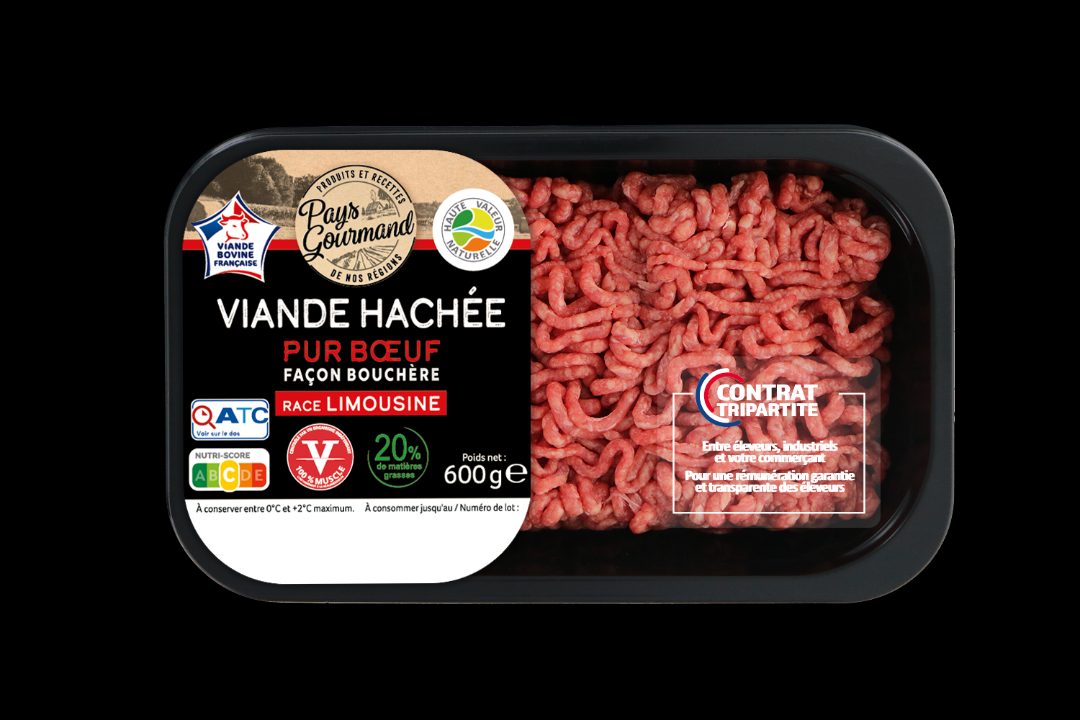
France – Pure beef minced meat, Limousin breed butcher style 20% – 600G

Gov france

Identification information of the recalled product

  • Product category Feed
  • Product subcategory Meats
  • Product brand name Greedy country
  • Model names or references Pure beef minced meat, Limousin breed butcher style 20% – 600G
  • Identification of products
    GTIN Lot Date
    2006050052554 22130813 Use-by date 02/06/2022
  • Marketing start/end date From 25/05/2022 to 02/06/2022
  • Storage temperature Product to be stored in the refrigerator
  • Health mark FR 87.085.006 CE
  • Geographic area of ​​sale Whole France
  • Distributors Aldi

Practical information regarding the recall

  • Reason for recall Possible presence of microorganisms (E. coli STEC)
  • Risks incurred by the consumer Toxigenic Shiga Escherichia coli (STEC)
  • Additional description of the risk Escherichia coli O26:H11

Norway – Foodtrade AS and Sunrise Food AS recall Brazil nuts from Bolivia – Aflatoxin

Matportalen

Peanuts

Foodtrade AS is recalling Brazil nuts in 1 kg bags of the brand «The nut mixer Brazil nuts», in addition to Brazil nuts sold in bulk at fruit and vegetable stores across the country. The products are sold in the stores of Nøtteblanderen. The reason is that the nuts contain aflatoxin above the permitted limit value. Aflatoxin is a harmful toxin from molds.

About 300 bags of nuts from Foodtrade AS have been sold in Nøtteblanderen’s stores in Oslo, Bergen, Stavanger, Ålesund and Kristiansand in the period April-June 2022.

The nut mixer reports that the remaining products have been withdrawn and are no longer available in their stores.

The nut mixer asks customers who have purchased this product to return it to the store where it was purchased, or throw it in residual waste.

A total of 21 cartons of Brazil nuts from Sunrise AS have been sold in bulk in fruit and vegetable shops across the country. Consumers who have purchased the Brazil nuts after 2 May 2022 are asked to either contact the store where the product was purchased or throw it away.

The mold aflatoxin has been detected in a batch of Brazil nuts from Bolivia. Aflatoxins are carcinogenic and can damage the genetic material (DNA) after high intake over a long period of time. The amount of aflatoxin in these nuts is above the permitted limit value, and the products are therefore considered to be unsafe. 

The withdrawal applies to the following item:

  • Product name: The nut mixer Brazil nuts
  • Name of the company that recalls the goods: FoodTrade AS
  • Shop: The nut mixer (Oslo, Bergen, Stavanger, Ålesund and Kristiansand)
  • Lot no .: FT01L0012204BI
  • Best before date: 04/12/23
  • Net weight: 1 kg
  • Importer: FoodTrade AS
  • Country of origin: Bolivia
  • Product name: «Brazil nuts» – sold in bulk in store, delivered in cartons of 20 kg, marked P641332 / Implot: 220422
  • Name of the company that recalls the goods: Sunrise Food AS
  • Shop: fruit and vegetable shops all over the country
  • Sales period: from and including 3 May 2022 until 15 June 2022
  • Importer: Sunrise Food AS
  • Country of origin: Bolivia

RASFF Alert – Histamine – Tuna in Sunflower Oil

RASFF

Histamine in canned tuna in sunflower oil from Spain in Andorra

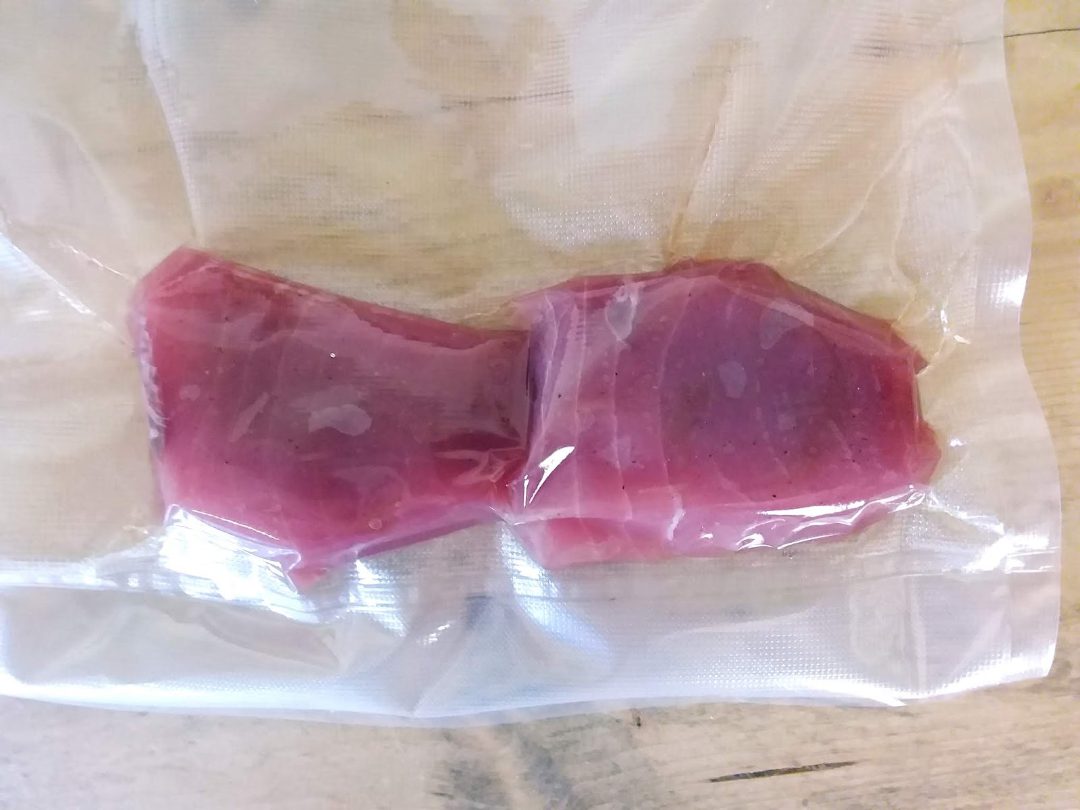
France- Yellowfin Tuna loin 3/5 KGS caught in the Indian Ocean – Histamine

Gov france

Identification information of the recalled product

  • Product category Feed
  • Product subcategory Fishery and aquaculture products
  • Product brand name un branded
  • Model names or references yellowfin tuna loin 3/5 KGS caught in the Indian Ocean
  • Identification of products
    GTIN Batch Date
    2812649000000 949-1 Use-by date 05/13/2022
  • Products List scan0318.pdf Attachment
  • Packaging under a vacuum
  • Marketing start/end date From 03/05/2022 to 13/05/2022
  • Storage temperature Product to be stored in the refrigerator
  • Health mark DFAR/FPE/98/33
  • Further information tuna loin
  • Geographic area of ​​sale Departments: CHARENTE (16)
  • Distributors u teach
  • List of points of salescan0316.pdf

Practical information regarding the recall

  • Reason for recall histamine levels above the norm
  • Risks incurred by the consumer Endogenous toxins: histamine (fish, cheese, alcoholic beverages, meats)

Research – Emergent marine toxins risk assessment using molecular and chemical approaches

EFSA

Cyanobacteria harmful blooms represent a deviation to the normal equilibrium in planktonic communities involving a rapid and uncontrolled growth. Owing to the capacity to produce toxins as secondary metabolites, cyanobacteria may cause huge economic losses in the fishing and aquaculture industries and poisoning incidents to humans due to their accumulation in the food chain. The conditions which promote toxic blooms have not yet been fully understood, but climate change and anthropogenic intervention are pointed as significant factors. For the detection of toxins in edible marine organisms, the establishment of international regulations and compulsory surveillance has been probed as exceptionally effective. However, not regulation nor monitoring have been settled concerning emergent marine toxins. In the light of this scenario, it becomes essential to apply fast and reliable surveillance methodologies for the early detection of cyanobacterial blooms as well as the occurrence of emergent marine toxins. Shotgun metagenomic sequencing has potential to become a powerful diagnostic tool in the fields of food safety and One Health surveillance. This culture‐independent approach overcomes limitations of traditional microbiological techniques; it allows a quick and accurate assessment of a complex microbial community, including quantitative identification and functional characterisation, in a single experiment. In the framework of the EU‐FORA fellowship, with the final goal of evaluate metagenomics as a promising risk assessment tool, the fellow worked on the development of an innovative workflow through state‐of‐the‐art molecular and chemical analytical procedures. This work programme aims to evaluate the occurrence of emergent marine toxins and the producing organisms in Cabo Verde coastal cyanobacteria blooms. Our results show the outstanding potential of a holistic metagenomic approach for the risk assessment of emergent marine toxins and the producing organisms. Additionally, we have also highlighted its value for the identification and evaluation of secondary metabolites as natural bioactive compounds with biotechnological and industrial interest.

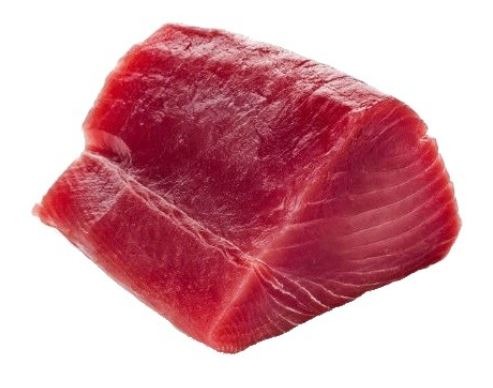
France – Tuna loin – Histamine

Gov france

Identification information of the recalled product

  • Product category Food
  • Product subcategory Fishery and aquaculture products
  • Product brand name Unbranded
  • Model names or references Yellowfin tuna loin 3/5kg caught in the Indian Ocean
  • Identification of products
    GTIN Batch Date
    2812649000000 348 Use-by date 05/26/2022
  • Packaging Under vacuum
  • Marketing start/end date From 05/17/2022 to 05/24/2022
  • Storage temperature Product to be stored in the refrigerator
  • Health mark DFRA/FPE/98/77
  • Geographic area of ​​sale Whole France
  • Distributors U Teaches
  • List of points of sale List_stores.pdf

Practical information regarding the recall

  • Reason for recall Histamine levels above the norm
  • Risks incurred by the consumer Other biological contaminants

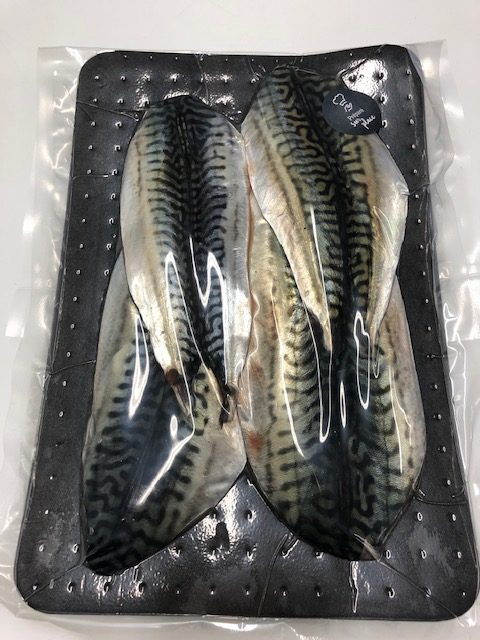
France – Mackerel Fillet – Histamine

Gov france

Identification information of the recalled product

  • Product category Food
  • Product subcategory Fishery and aquaculture products
  • Product brand name unbranded
  • Model names or references mackerel fillet
  • Identification of products
    Batch Date
    1275012015 Use-by date 05/18/2022
  • Products List PRODUCT.pdf Enclosed
  • Packaging VACUUM PACK
  • Marketing start/end date From 05/13/2022 to 05/18/2022
  • Storage temperature Product to be stored in the refrigerator
  • Health mark FR 62 667 126 EC
  • Geographic area of ​​sale Departments: LOIRET (45)
  • Distributors SUPER U

Practical information regarding the recall

  • Reason for recall histamines
  • Risks incurred by the consumer Endogenous toxins: histamine (fish, cheese, alcoholic beverages, meats)

Research – Removal of Ochratoxin A from Grape Juice by Clarification: A Response Surface Methodology Study

MDPI

This study achieved maximum removal of ochratoxin A (OTA) during the grape juice clarification process with minimal reduction in antioxidant compounds (phenolic acid, flavonoids, and antioxidant capacity by FRAP) by the RSM method. Independent variables included three types of clarifiers—gelatin, bentonite, and diatomite (diatomaceous earth)—at a concentration level of 0.25–0.75% and clarification time of 1–3 h. OTA was measured by high-performance liquid chromatography with fluorescence detection. Clarifying agent concentration and clarification time affected the reduction amount of OTA and antioxidant compounds in grape juice. There was a direct linear correlation between the reduction amounts of OTA and antioxidant compounds and capacity with the concentration of bentonite, gelatin, and diatomite, and the clarification time. The reduction amount of OTA and antioxidant capacity followed the linear mode. However, the decreased phenolic acid and flavonoid values followed the quadratic model. The study results showed that if the concentrations of bentonite, gelatin, and diatomite and clarification time were 0.45, 0.62, 0.25%, and 1 h, respectively, the maximum amount of OTA reduction (41.67%) occurred. Furthermore, the phenolic acid, flavonoid, and antioxidant activity decrease amounts were at their lowest levels, i.e., 23.86, 7.20, and 17.27%, respectively. View Full-Text