Category Archives: Toxin

RASFF Alert – Bacillus cereus – Spicy Smoked Paprika Powder

RASFF-Logo

RASFF – Bacillus cereus (up to 23000 CFU/g) in spicy smoked paprika powder from Spain in Austria

RASFF Alert – Foodborne Outbreak caused by Histamine -Thawed Tuna

RASFF-Logo

RASFF –  foodborne outbreak caused by histamine (>490; >1000 mg/kg – ppm) in thawed tuna (Thunnus albacares) from Sweden, with frozen raw material from the Netherlands in Sweden

RASFF Alert – Histamine – Frozen Mackerel

RASFF-Logo

RASFF – histamine (2464 mg/kg – ppm) in frozen mackerels (Scomber japonicus) from China, via the Netherlands in Italy

RASFF Alert – Fumonsins – Organic Corn Flour

RASFF-Logo

RASFF – fumonisins (2067 µg/kg – ppb) in organic corn flour packaged in Belgium, with raw material from Italy in Belgium

RASFF Alert – Ochratoxin A – Raisins

RASFF-Logo

RASFF – ochratoxin A (40.5 µg/kg – ppb) in raisins from Turkey in Switzerland

Ireland – Withdrawal of a Batch of Symbio Ekologiczne Platki Jaglane Millet Flakes Due to the Presence of Elevated Ochratoxin A

fsai

Summary
Category 2: For Information
Alert Notification: 2020.40
Product: Symbio Ekologiczne Płatki Jaglane (Millet Flakes); pack size: 250g
Batch Code: 10.2020 (3003); best before date: 31/10/2020
Country Of Origin: Ukraine

Message:

Elevated Ochratoxin A was detected in the above batch of Symbio Ekologiczne Płatki Jaglane millet flakes.  Ochratoxin A is a toxin which is produced by fungi growing on the plant material.  The implicated batch is being withdrawn from the market.

Millet photo

Japan and South Korea – Thousands sick in E. coli outbreaks

Food Safety News

Officials in Korea are investigating an E. coli outbreak that has affected 100 people while more than 3,000 students and teachers recently got food poisoning in Japan, according to media reports.

The Korea Centers for Disease Control and Prevention (KCDC) has been investigating an Enterohemorrhagic E. coli (EHEC) outbreak with the local municipality and relevant ministries since mid-June. EHEC is also known as Shiga toxin-producing E. coli (STEC).

The outbreak in a kindergarten in Ansan-si, Gyeonggi Province had 58 confirmed cases as of late June with 114 people showing symptoms. Most of these are students of the kindergarten but three are family members of pupils.

A total of 21 people — 19 kindergarten students and two family members — were in hospital for inpatient care. Sixteen people — 14 students and two family members — had onset of symptoms suspected to be hemolytic uremic syndrome (HUS), a type of kidney failure associated with E. coli infection, and four people were receiving dialysis treatment.

New Zealand – Shellfish biotoxin alert – Hawke’s Bay extended warning

MPI

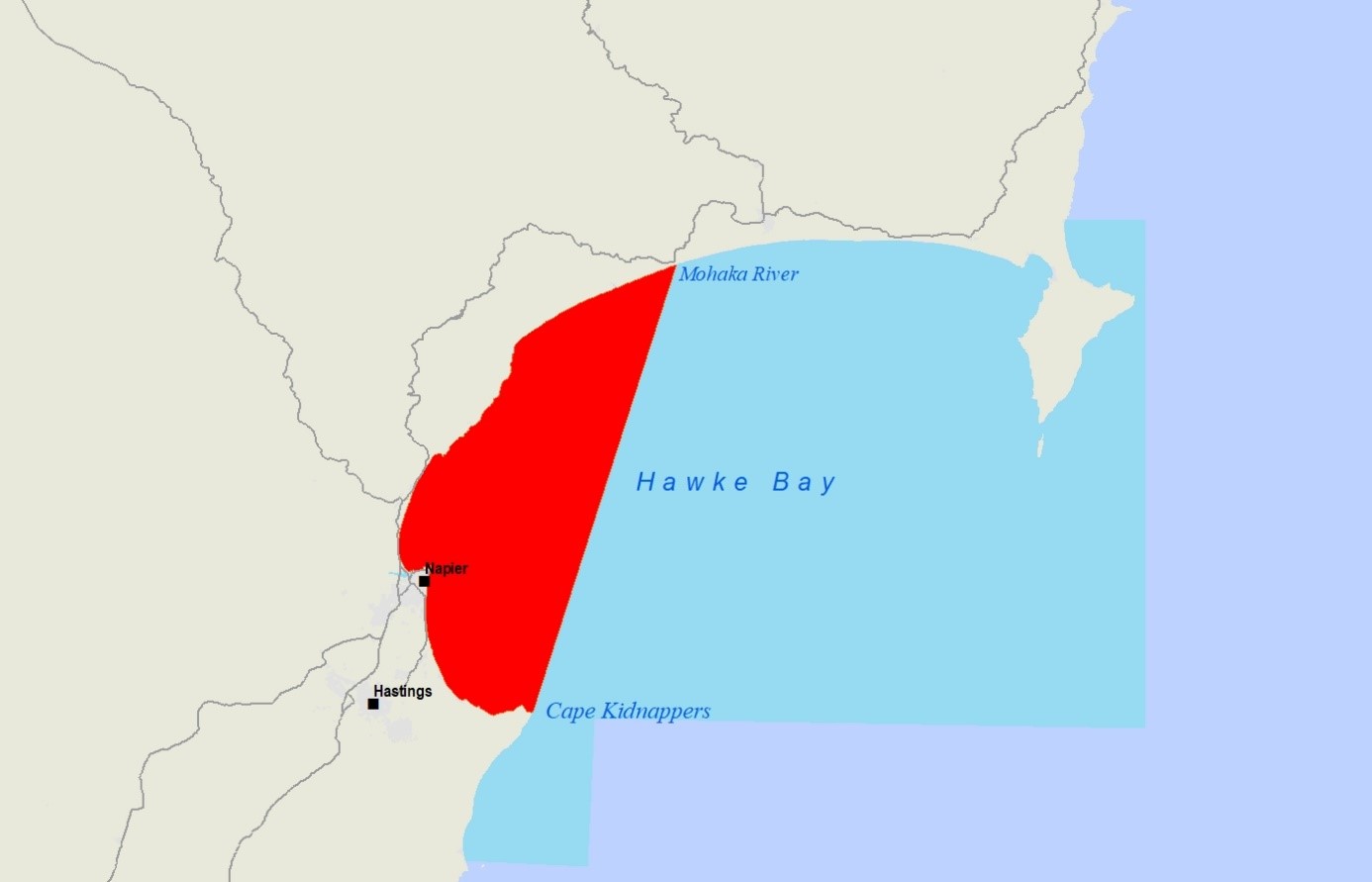
The Ministry for Primary Industries today extended the current public health warning against collecting shellfish in the Hawke’s Bay region. The affected area now extends from the Mohaka River to the southern end of Pōrangahau beach.

Routine tests on shellfish samples taken from this region have shown levels of Paralytic Shellfish Poisoning (PSP) toxins above the safe limit of 0.8 mg/kg set by MPI. Anyone eating shellfish from this area is potentially at risk of illness.

Other public health warnings remain in place for Port Levy on Banks Peninsula and Nydia Bay in the Pelorus Sound.

Mussels, oysters, tuatua, pipi, toheroa, cockles, scallops, catseyes, kina (sea urchin) and all other bivalve shellfish should not be eaten.

Note, cooking shellfish does not remove the toxin.

New Zealand – Shellfish biotoxin alert

MPI

North Island warnings

Hawke Bay

Reason for alert Paralytic shellfish poisoning (PSP)

Date warning issued 2 July 2020

Media release

Affected area From Cape Kidnappers to the Mohaka River mouth, Hawke Bay
Shellfish affected Mussels, oysters, tuatua, pipi, toheroa, cockles, scallops, catseyes, kina (sea urchin) and all other bivalve shellfish.

Note, cooking shellfish does not remove the toxin.

Pāua, crab and crayfish may still be eaten if the gut has been completely removed prior to cooking, as toxins accumulate in the gut. If the gut is not removed its contents could contaminate the meat during the cooking process.

Symptoms Symptoms typically appear between 10 minutes and 3 hours after ingestion and may include:

  • numbness and a tingling (prickly feeling) around the mouth, face, and extremities (hands and feet)
  • difficulty swallowing or breathing
  • dizziness
  • headache
  • nausea
  • vomiting
  • diarrhoea
  • paralysis and respiratory failure and in severe cases, death.
Other information Paralytic shellfish toxins have been detected in shellfish at levels over the safe limit of 0.8mg/kg set by MPI. Ongoing testing will continue and any changes will be communicated accordingly.

Map of the affected area

Map showing the affected area
Map from Cape Kidnappers to the Mohaka River mouth, Hawke Bay.


RASFF Alert – Deoxynivalenol – DON – Wheat Flour

RASFF-Logo

RASFF – deoxynivalenol (DON) (1063.39 µg/kg – ppb) in wheat flour from Ukraine in Slovakia