Category Archives: Toxin

RASFF Alerts – Aflatoxin – Pistachios – Peanuts – Rice – Dried Figs – Mulberries – Basmati Brown Rice – Bombay Biryani Marsala – Melon Seeds –

RASFF

Aflatoxins in pistachios from Iran in Belgium and Spain

RASFF

Aflatoxins in peanuts in shell from Egypt in Germany

RASFF

Presence of aflatoxins in chopped pistachios from Iran in Italy

RASFF

Aflatoxins over the limits in rice from Pakistan in Italy

RASFF

Aflatoxins in dried figs from Turkey in Belgium, Germany and Netherlands

RASFF

Aflatoxins in Argentine peanuts in the Netherlands

RASFF

Aflatoxin B1 and Ochratoxin A in Mulberries from Turkey in Austria, Belgium, Denmark, Greece, France, Germany, Italy, Netherlands, Spain, Sweden and Norway

RASFF

Aflatoxin B1 in super kernel basmati brown rice from Pakistan in the Netherlands

RASFF

Aflatoxin B1 in bombay biryani masala from Pakistan in the Netherlands and Spain

RASFF

Aflatoxins beyond the limits in rice from India in Italy

RASFF

Aflatoxins in melon seeds from India, via Belgium and via the Netherlands in Belgium, Germany, Czech Republic and Sweden

RASFF

Aflatoxins in Super basmati brown rice(husked rice) from Pakistan in the Netherlands

RASFF

Aflatoxin B1 in Pakistani Super basmati brown rice(husked rice) in the Netherlands
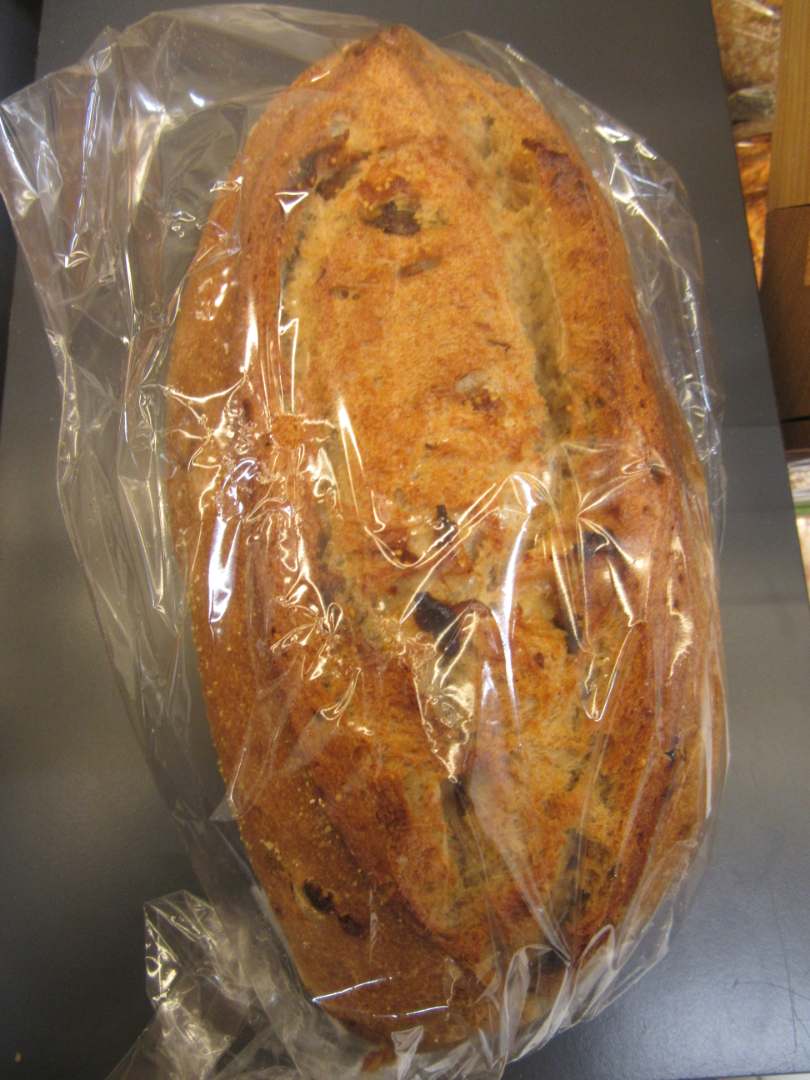
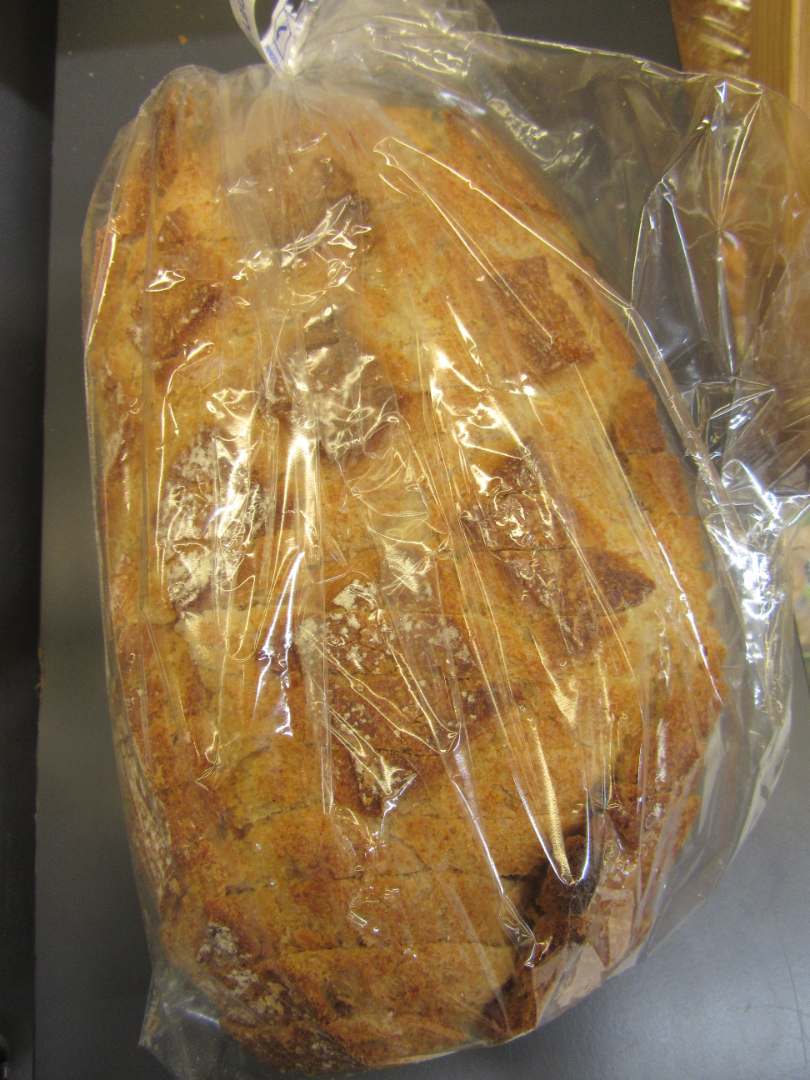
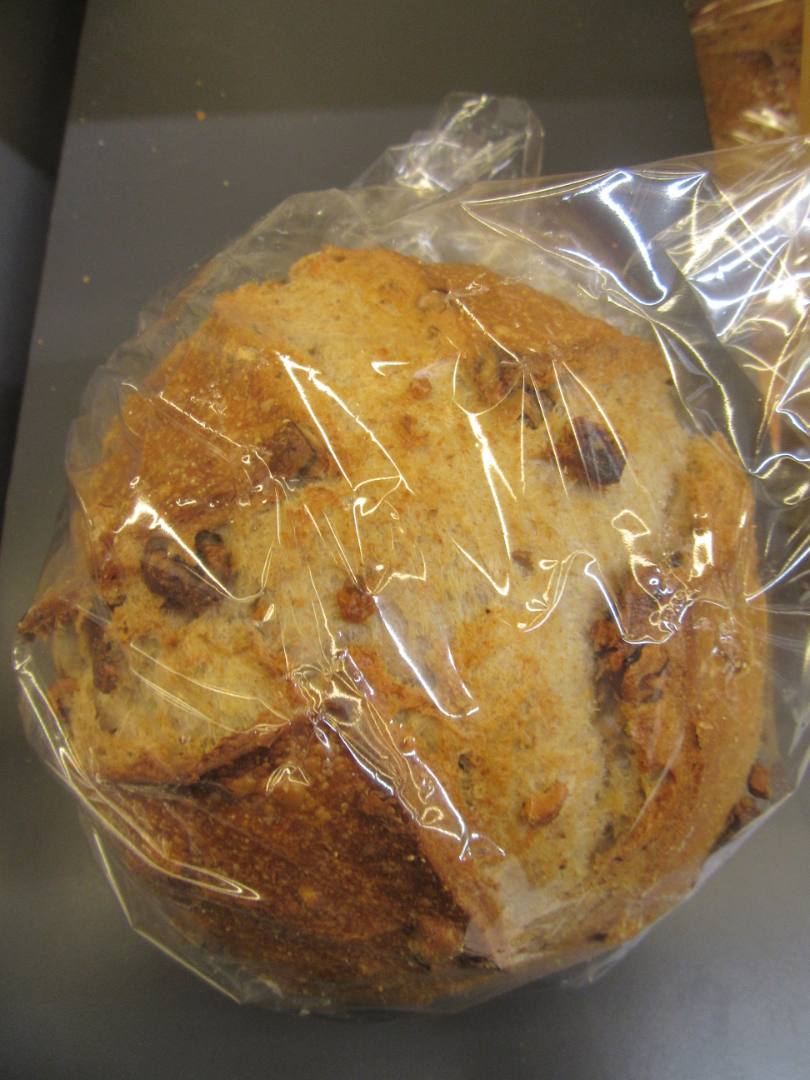
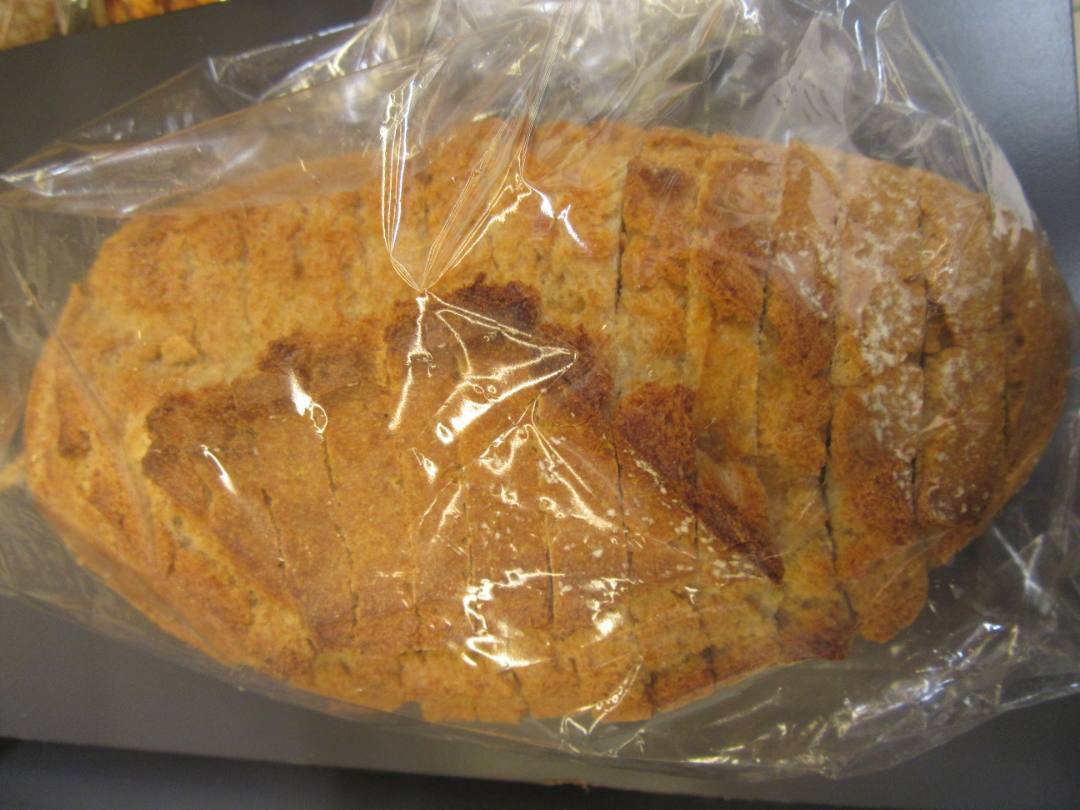
France – Country Bread, Country Ball, Country Cobblestone, Fig Bread, Country Walnut Bread Mycotoxin – Ergot Alkaloids

Gov france

Identification information of the recalled product

  • Product category Food
  • Product subcategory Cereals and baked goods
  • Product brand name UNBRANDED
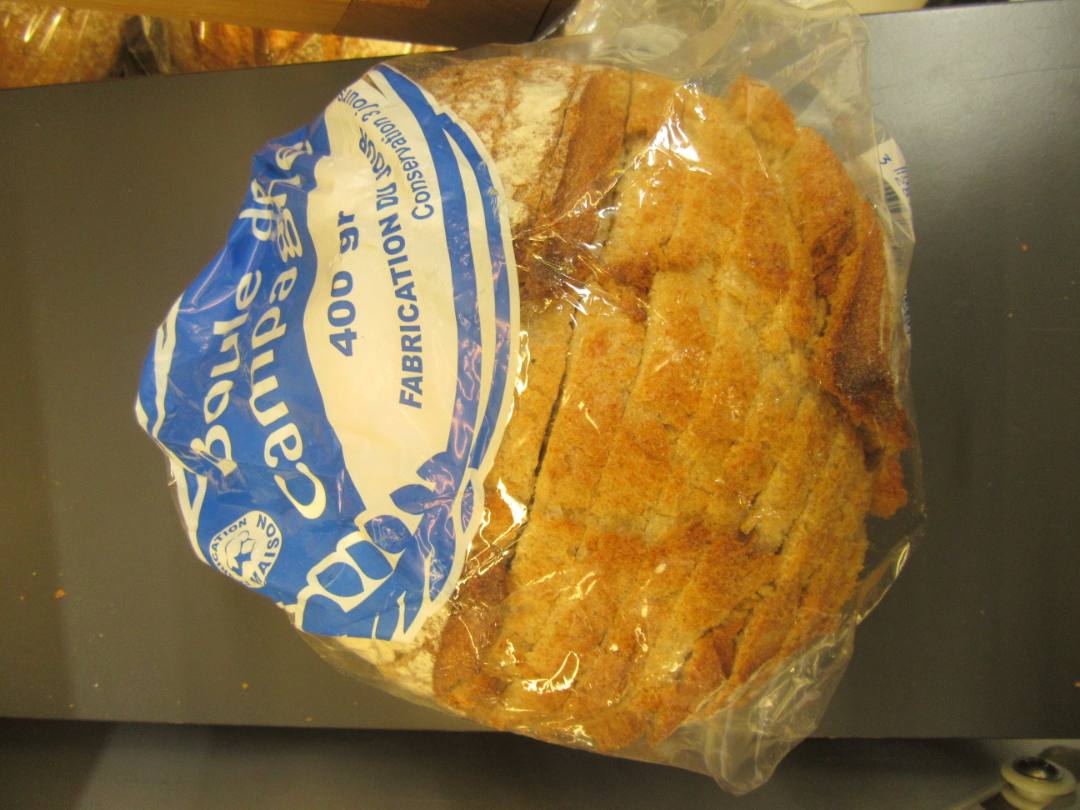
  • Model names or references country bread, country ball, country cobblestone, fig bread, country nut bread made on March 10 and 11 – BBD/DLUO: March 14 and 15
  • Identification of products
    GTIN Dated
    0207748008866 Date of minimum durability between 03/14/2022 and 03/15/2022
    3289664233901 Date of minimum durability between 03/14/2022 and 03/15/2022
    0207827005588 Date of minimum durability between 03/14/2022 and 03/15/2022
    0207795008598 Date of minimum durability between 03/14/2022 and 03/15/2022
    0207725006236 Date of minimum durability between 03/14/2022 and 03/15/2022
  • Products List Reminder_poster.pdf Attachment
  • Packaging Plastic bag
  • Marketing start/end date From 03/10/2022 to 03/11/2022
  • Storage temperature Product to be stored at room temperature
  • Further information Products manufactured and sold in the Bakery department
  • Geographic area of ​​sale E.LECLERC SODIROCHE
  • Distributors E.LECLERC SODIROCHE

Practical information regarding the recall

  • Reason for recall presence of ergot alkaloids above the regulatory limit.

RASFF Alerts – Aflatoxin – Organic Black Mulberries – Curry Powder – Pistachios – Peanuts – Pakistan Rice – Groundnuts – Hazelnuts – Melon Seeds – Dried Figs

RASFF

Aflatoxin B1 and Aflatoxin total in Organic Black Mulberries from Turkey in Germany, Netherlands and Norway

RASFF

Elevated levels of aflatoxins in curry powder from Turkey in Germany

RASFF

Aflatoxins over the limits in Pistachios from United States in Italy

RASFF

Aflatoxin B1 in Organic Egyptian Peanut kernels Blanched after further treatment in the Netherlands

RASFF

Aflatoxin in Pakistan Rice in the Netherlands

RASFF

Aflatoxins in Pakistani Super Basmati Brown Rice(Husked Rice) Crop 2020-2021 in the Netherlands

RASFF

Aflatoxins in organic groundnuts in shell from Egypt in Italy

RASFF

Aflatoxin B1 (sample A: 3,37 +/- 0,51, sample B: 3,32 +/- 0,50 µg/kg) in organic groundnuts from Egypt in Poland

RASFF

Aflatoxins in hazelnut kernels from Azerbaijan in Italy

RASFF

Aflatoxin in Indian groundnuts in Netherlands and Switzerland

RASFF

Aflatoxins above legal limits in shelled pistachios from Turkey, origin Iran in Turkey and Italy

RASFF

Aflatoxins (B1 72.1±9.0 – Sum 80.1±9.0) above the maximum limits allowed in shelled Pistachios from USA in Italy

RASFF

Aflatoxins in melon seeds from China, via Netherland in Germany

RASFF

Aflatoxins in Pistachio kernels from the United States in Turkey and Germany

RASFF

Aflatoxins in dried figs from Turkey in Germany

Belgium -Different Nuts & Berries brand bars – Aflatoxin B1

AFSCA

03/03/2022
Euras International recall
Product: Different Nuts & Berries brand bars.
Problem: Aflatoxin B1 content too high.


Euras International has decided, in agreement with the FASFC, to withdraw various bars of the Nuts & Berries brand from sale and to recall them from consumers due to an excessively high content of aflatoxin B1 in the Brazil nuts supplied by a supplier.

Euras International asks its customers not to consume these products and to bring them back to the point of sale.

Description of products

NUTS&BERRIES CASHEW APRICOT REPEN
LOT 21301 & DDM 28/12/2022

NUTS&BERRIES PECAN CINNAMON REPEN
LOT 21302 & DDM 29/12/2022

NUTS&BERRIES PROTEIN STRAWBERRY REPEN
LOT 21319 & DDM 15/01/2023

NUTS&BERRIES PROTEIN COCOA REPEN
LOT 21319 & DDM 15/01/2023

NUTS&BERRIES GINGER LIME
LOT 21300 & DDM 27/12/2022
LOT 21306 & DDM 02/01/2023

The products were distributed in Belgium via various points of sale.

For any further information contact:

Mustafa Kemal Akpinar
0032479280231

RASFF Alerts – Aflatoxin – Millet Flour – Pistachios – Basmati Rice – Groundnuts – Pakistan Rice – Brazil Nuts

RASFF

Aflatoxins in Millet flour from Senegal in the Netherlands

RASFF

Aflatoxins in pistachio kernels from Iran in Italy

RASFF

Aflatoxine B1 and Ochratoxine A in basmati rice from India in Ireland and the Netherlands

RASFF

Aflatoxin B1 in Basmati rice from India in Belgium, France and Netherlands

RASFF

Aflatoxin in Egyptian groundnuts in the Netherlands

RASFF

Aflatoxin in Egyptian groundnuts in the Netherlands

RASFF

Aflatoxins in Indian Groundnut Kernels in the Netherlands and Switzerland

RASFF

Aflatoxin in Egypt groundnuts in the Netherlands

RASFF

Aflatoxin in Pakistan Rice in the Netherlands

RASFF

Aflatoxins in Brazil nuts from Bolivia in Belgium, Czech Republic, Denmark, Finland, France, Germany, Greece, Ireland and Netherlands

RASFF Alert – Histamine – Tuna

RASFF

Histamine in chilled tuna from The Netherlands in Belgium

Research – How do Time, Tannin and Moisture Content Influence on Toxicogenic Fungal Populations during the Storage of Sorghum Grains?

Journal of Food Protection

Cereal grains are usually ensiled to improve their nutritional value and are one of the main sources of feed for dairy cattle. However, during storage, grains can be contaminated with toxicogenic fungi. Sorghum is one of the most economically important cereals in the world. Therefore, the aim of this work was to evaluate the influence of storage duration and tannin and moisture contents on toxicogenic fungal populations in sorghum grain storage. Samples were prepared with variety high in tannins (genotypes Morgan 108 and ACA 558, >5g/kg DM) and with variety low tannin content (genotypes Flash 10 and ACA 546, <1g/kg DM) were collected and manually compacted in experimental laboratory silos where they received different moisture content treatments, namely low (15-25%), medium (26-32%) and high (33-42%). Freshly harvest grains were analyzed at time 0 and storage grains were analyzed at different times (30, 90 and 180 days). Fungal isolation and identification were performed following conventional mycological methods. Penicillium citrinum (34%), Aspergillus flavus (60%) and Fusarium nygamai (68%) were the most abundant species. Rapid detection of aflatoxins and fumonisins in each sample was performed by ELISA according to the AOAC method, and the quantification of aflatoxin B 1 was performed by HPLC. Aflatoxins were detected in four samples with levels of 6.7-28.8 µg/kg and aflatoxin B 1 with a level of 2-14 µg/kg in pre- and post-storage grains . Fumonisins were only detected in two freshly harvested samples with levels of 500-900 µg/kg . In general, the storage time favored the increase of Penicillium population, instead the Aspergillus and Fusarium are reduced. Conversely the abundance of the three population was not affected by the moisture content. The results of this study show that fungal population must be analyzed at different times.

New Zealand – Public health warning extended for shellfish on the West Coast, South Island – Diarrhetic Shellfish Toxins

MPI

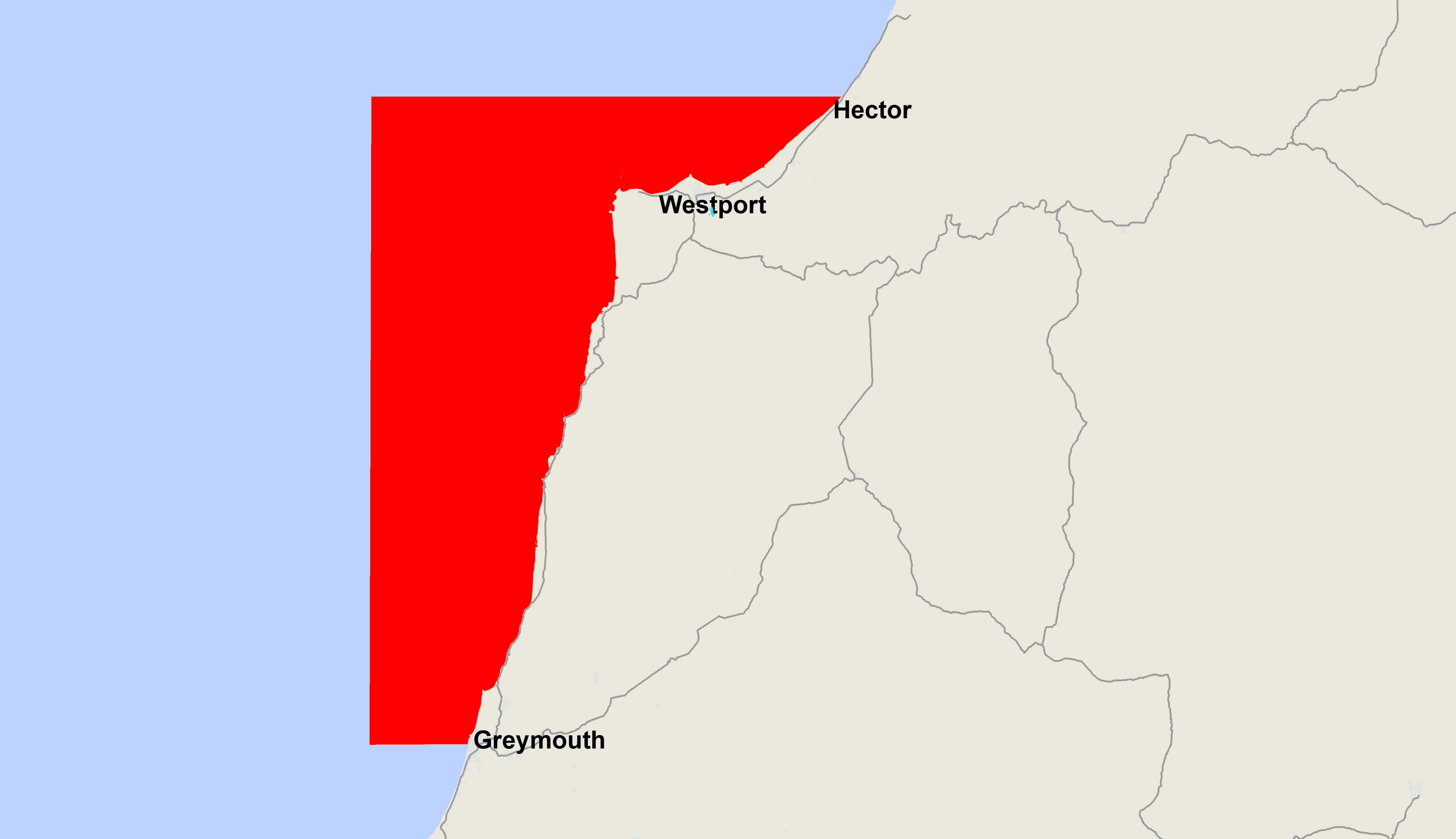
The Ministry for Primary Industries (MPI) today issued an extension to the public health warning advising the public not to collect or consume shellfish harvested from the South Island’s West Coast. The public health warning now extends from the Grey River mouth, north to the Ngakawau River mouth at Hector.

Tests on shellfish samples taken from Cape Foulwind have detected levels of Diarrhetic Shellfish Toxins above the safe limit of 0.16 mg/kg set by MPI.  Anyone eating shellfish from this area is potentially at risk of illness.

Ongoing testing will continue and any changes will be communicated accordingly.

Mussels, oysters, tuatua, pipi, toheroa, cockles, scallops, catseyes, kina (sea urchin) and all other bivalve shellfish should not be eaten.

Note, cooking shellfish does not remove the toxin.

Pāua, crab and crayfish may still be eaten if the gut has been completely removed prior to cooking, as toxins accumulate in the gut. If the gut is not removed, its contents could contaminate the meat during the cooking process.

Symptoms typically appear within half an hour of ingestion and last for about 24 hours. Symptoms may include:

  • diarrhoea
  • vomiting
  • nausea
  • abdominal cramps.

If anyone becomes ill after eating shellfish from an area where a public health warning has been issued, freephone Healthline for advice on 0800 61 11 16, or seek medical attention immediately. You are also advised to contact your nearest public health unit and keep any leftover shellfish in case it can be tested.

Commercially harvested shellfish – sold in shops and supermarkets, or exported – are subject to strict water and flesh monitoring programmes by MPI to ensure they are safe to eat. There is no commercial harvesting of shellfish in the affected area.

RASFF Alert – Mycotoxin – Fumonisins – Cornmeal

RASFF

Fumonisins in cornmeal from Peru in Spain

New Zealand – Public health warning about shellfish in the Orewa and Warkworth area, North Island – PSP Toxins

MPI

The Ministry for Primary Industries (MPI) today issued a public health warning against collecting shellfish from the Orewa and Warkworth area. The warning extends from Takatu Point on the Tāwharanui Peninsula, south to Huaroa Point on the Whangaparoa Peninsula. The warning includes Mahurangi Harbour, Kawau Island and the smaller islands west of Kawau Island.

Routine tests on shellfish samples taken from Mahurangi Harbour have shown levels of Paralytic Shellfish Poisoning (PSP) toxins above the safe limit of 0.8 mg/kg set by MPI. Anyone eating shellfish from this area is potentially at risk of illness.

Mussels, oysters, tuatua, pipi, toheroa, cockles, scallops, catseyes, kina (sea urchin) and all other bivalve shellfish should not be eaten.

Note, cooking shellfish does not remove the toxin.

Pāua, crab and crayfish may still be eaten if the gut has been completely removed prior to cooking, as toxins accumulate in the gut. If the gut is not removed its contents could contaminate the meat during the cooking process.

Symptoms typically appear between 10 minutes and 3 hours after ingestion and may include:

  • numbness and a tingling (prickly feeling) around the mouth, face, and extremities (hands and feet)
  • difficulty swallowing or breathing
  • dizziness
  • headache
  • nausea
  • vomiting
  • diarrhoea
  • paralysis and respiratory failure and in severe cases, death.

If anyone becomes ill after eating shellfish from an area where a public health warning has been issued, freephone Healthline for advice on 0800 61 11 16, or seek medical attention immediately. You are also advised to contact your nearest public health unit and keep any leftover shellfish in case it can be tested.

Monitoring of toxin levels will continue and any changes will be communicated accordingly. Commercially harvested shellfish – sold in shops and supermarkets, or exported – is subject to strict water and flesh monitoring programmes by MPI to ensure they are safe to eat. There is no commercial harvesting of shellfish in the affected area.