Category Archives: Toxin

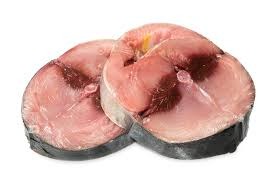
France – WHITE TUNA – Histamine

Gov France

Product Category
Food
Sous-catégorie de produit
Produits de la pêche et d’aquaculture
Product brand name
POISSON
Model names or references
WHITE TUNA
Product identification
Batch
261260
Start/End of marketing date
From 09/19/2024 to 09/25/2024
Storage temperature
Produit à conserver au réfrigérateur
Geographic area of ​​sale
super u arc sur tille 58 rue des chèzeaux 21560
Distributeurs
SUPER U

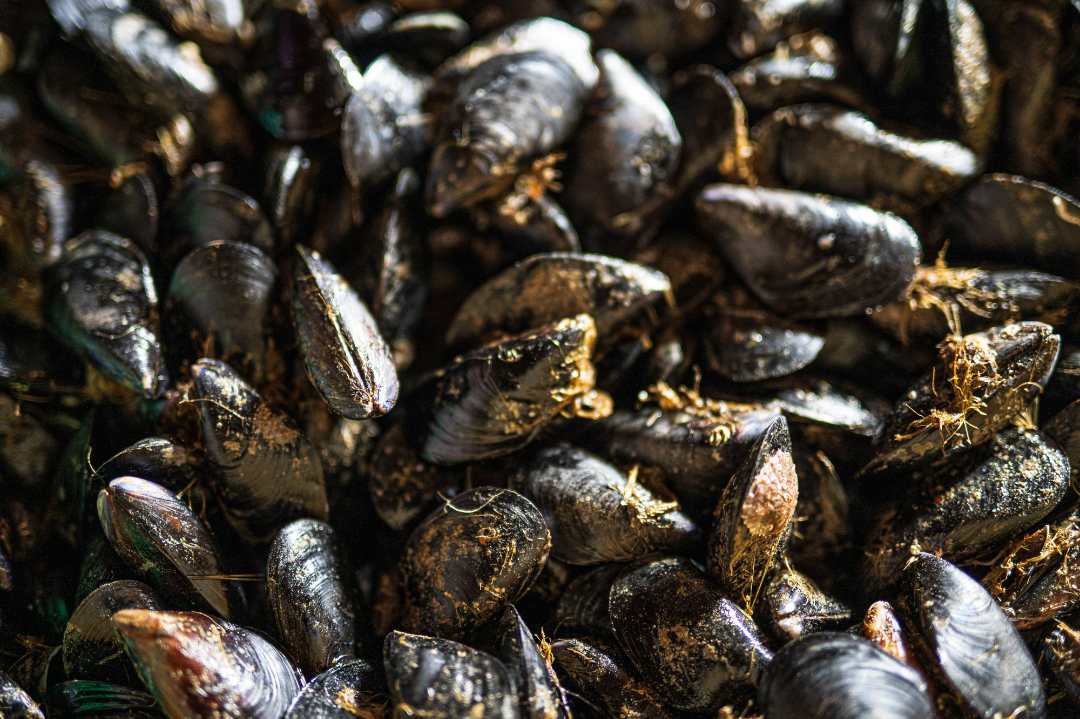
France – Bouchot mussels pac 15 kg – Marine Biotoxin – DSP

Gov France

Product Category
Food
Product subcategory
Fishery and aquaculture products
Product brand name
Unbranded
Model names or references
Bouchot mussels
Product identification
Batch
H25/1 H 26/1 H27/1
Packaging
15 KG BAG
Start/End of marketing date
From 08/26/2024 to 08/28/2024
Storage temperature
Product to be kept in the refrigerator
Geographic area of ​​sale
Regions: Hauts-de-France
Distributors
Restaurant wholesaler

France – Mussels from the Thau pond – DSP Toxins

Gov France

Product category
Food
Product subcategory
Fishing and aquaculture products
Product brand name
Thau pond mussels / Various producers
Model names or references
Mussels from breeding or having been immersed in the Thau pond
Product identification
Batch
All lots
Start/end date of marketing
Until 06/17/2024
Storage temperature
Product to be stored at room temperature
Geographical sales area
Whole France
Distributors
Multidistributors.

Research – The Hidden Risks of Rice and Flour: Brazilian Study Uncovers Alarming Mycotoxin Levels in Everyday Foods

Scitech Daily

The foods, found in the homes of Brazilian families participating in the research, were stored for future consumption. The study is the first in Brazil to use biomarkers to characterize the risk associated with mycotoxins in the diet.

Researchers from the University of São Paulo (USP) analyzed samples of flour and rice stored in homes in Ribeirão Preto, São Paulo, Brazil, and discovered high levels of fungal toxins (mycotoxins). The study, supported by FAPESP, was published in the journal Food Research International.

As the authors point out, dietary exposure to mycotoxins can trigger a range of health problems, especially in children and adolescents. The data therefore reinforce the importance of storing foods such as grains and flour in dry places and protecting them from insects to avoid the risk of contamination.

Kenya – Dangerous Aflatoxin Levels Found in Popular Kenyan Flour Brand

MWAKILISHI

The discovery of excessive levels of aflatoxin in a popular brand of maize flour has prompted the Ministry of Health to take immediate action.

The Ministry has cautioned the public against consuming the contaminated flour and directed county health officers to seize all existing stock from the Kenyan market. This decisive step comes after laboratory analysis on April 30 revealed an alarming concentration of 714 parts per billion (ppb) of aflatoxin in the flour, significantly exceeding the standard safety requirements. Aflatoxin, a naturally occurring toxin produced by certain moulds, is known for its harmful effects on human and animal health.

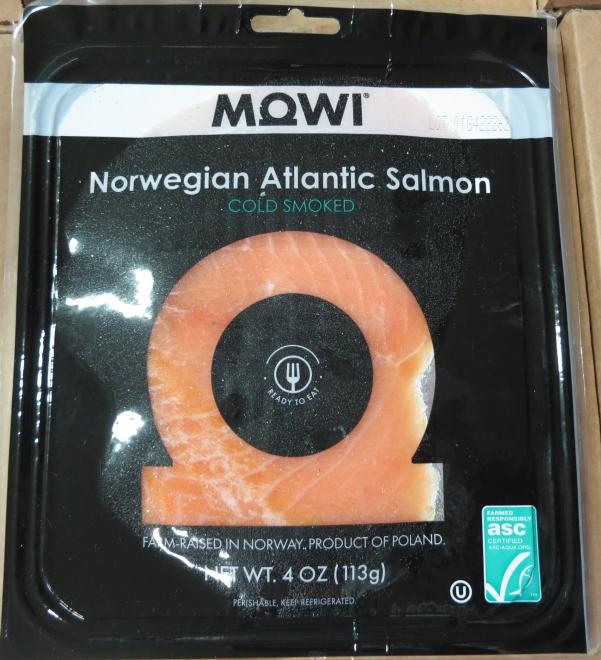
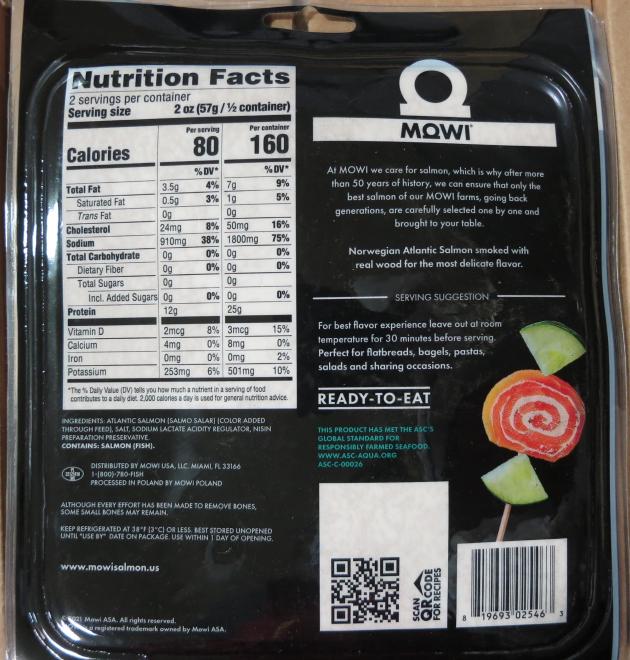
Canada – Mowi brand Norwegian Atlantic Salmon – Cold Smoked recalled due to potential presence of dangerous bacteria – Clostridium botulinum

CFIA

Product
Norwegian Atlantic Salmon – Cold Smoked
Issue
Food – Microbial Contamination – Clostridium botulinum
What to do

Do not consume, use, sell, serve, or distribute recalled products

Distribution
Ontario

The affected product is being recalled from the marketplace because it may permit the growth of Clostridium botulinum.

What you should do

  • If you think you became sick from consuming a recalled product, contact your healthcare provider
  • Check to see if you have recalled products
  • Do not consume, serve, use, sell, or distribute recalled products
  • Recalled products should be thrown out or returned to the location where they were purchased

Food contaminated with Clostridium botulinum toxin may not look or smell spoiled but can still make you sick. Symptoms in adults can include facial paralysis or loss of facial expression, unreactive or fixed pupils, difficulty swallowing, drooping eyelids, blurred or double vision, difficulty speaking, including slurred speech, and a change in sound of voice, including hoarseness. Symptoms of foodborne botulism in children can include difficulty swallowing, slurred speech, generalized weakness and paralysis. In all cases, botulism does not cause a fever. In severe cases of illness, people may die.

RASFF Alerts – Aflatoxin – Rice Flour -Spicy Nuts – Groundnuts – Peanuts – Mixed Spices – Dried Millet – Pistachios – Dried Figs – Basmati Rice –

RASFF

Aflatoxin in rice flour from Cambodia in Belgium, Denmark, Estonia, Finland, Germany, Netherlands

RASFF

Aflatoxin in spicy nuts in  Curaçao, Germany, Netherlands, Romania, Saint Martin, Spain, Suriname

RASFF

Aflatoxin in Indian groundnuts in the Netherlands and Switzerland

RASFF

Aflatoxin B1 in peanuts from Paraguay in the Netherlands

RASFF

Aflatoxin B1 in mix spices (paya masala) from Pakistan in Greece

RASFF

Aflatoxin B1 (10 ppb) in Dried Millet from China via the Netherlands in Austria, Belgium, China, Finland, Germany, Ireland, Netherlands, Romania.

RASFF

Aflatoxins in pistachios from the Islamic Republic of Iran in Germany

RASFF

Aflatoxin B1 in groundnuts from Paraguay in Netherlands

RASFF

Aflatoxin in roasted pistachio from Türkiye in the Netherlands and Bulgaria

RASFF

Total aflatoxins in dried figs from Turkiye in France

RASFF

Aflatoxin sum in pistachios from the USA in Belgium, Germany, Netherlands, Poland.

RASFF

High content of aflatoxins in inshell peanuts from Egypt in Italy

RASFF

Aflatoxins beyond limits in in-shell pistachios originating from Iran, shipping country Turkey in Italy

RASFF

Aflatoxins in basmati rice from Pakistan in Sweden

RASFF

Aflatoxins in figs from Türkiye in  Bosnia and Herzegovina, Croatia.

RASFF

Presence of Aflatoxins beyond the permitted limits in in-shell pistachios from Iran in Italy

RASFF

Organic roasted pistachio nuts with aflatoxin from Italy in France

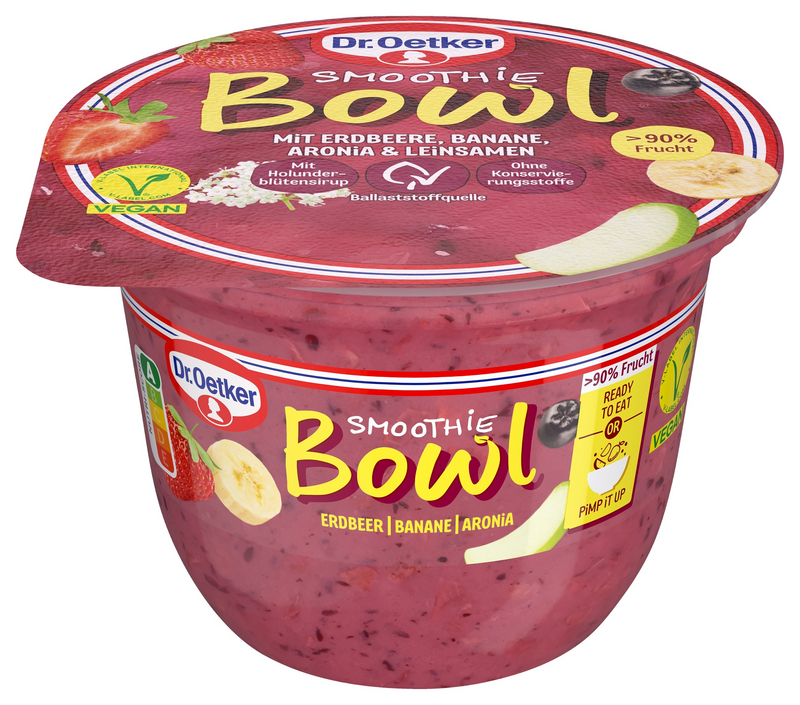
Austria – Smoothie bowl with strawberry, banana, aronia and linseed – Mycotoxin – Patulin

Ages

AGES informs about a recall from Dr. Oetker GmbH. The company issued a recall of the product Smoothie Bowl with strawberry, banana, aronia and linseed on March 6, 2024:
© Dr. Oetker GmbH
Reason for recall
Patulin residues
Marketed by
Dr. Oetker GmbH
Manufacturer
Dr. Oetker GmbH
Expiry Date
April 23, 2024

Due to patulin residue, the Dr. As a precautionary measure, Oetker GmbH is returning the product “Smoothie Bowl with strawberry, banana, aronia and linseed”. Affected are 200g cups with the following information:

  • “Smoothie bowl with strawberry, banana, aronia and linseed”
  • Expiry date/best before: all until April 23, 2024

Patulin is a harmful substance (mycotoxin) produced by mold that can cause nausea, vomiting and indigestion. Therefore, customers should definitely pay attention to the recall and not consume the product mentioned.

To avoid health risks, consumers are asked to return the recalled goods to the store where the product was purchased. The purchase price will be refunded.

Original recall

Norway – Toxins in products from Den Sorte Havre a possible reason why several infants have fallen ill – Bacillus cereus

FHI

Toxins may have been the cause of several infants aged 5–6 months becoming ill after eating products from Den Sorte Havre between November and January. The products were withdrawn from the market in January.

At the beginning of January, the Norwegian Food Safety Authority was notified that several infants aged 5–6 months had become ill after eating products from Den Sorte Havre. The investigations of the products show the discovery of toxins produced by the bacterium Bacillus cereus.

The Norwegian Food Safety Authority has collaborated with the Norwegian Veterinary Institute (VI), the Norwegian University of Environmental and Biosciences (NMBU) and the Norwegian Institute of Public Health (FHI), and carried out extensive mapping and analysis work to find a possible reason why the children fell ill.

FHI has interviewed twelve of the guardians who have notified the Norwegian Food Safety Authority about this.

– The observed course of the disease in the children is typical of food poisoning caused by a toxin produced by the bacterium Bacillus cereus, says senior researcher Umaer Naseer at FHI.

Usually this type of food poisoning causes vomiting and vomiting shortly after ingestion (0.5-6 hours), and lasts for a day or less. 

The Norwegian Food Safety Authority has a close dialogue with the business in the work to investigate where in the production process bacterial toxins may have been formed and will have further follow-up of the business.

About the outbreak

The children live in eight different counties. The children had eaten three of the five products aimed at children from Den Sorte Havre; Starter porridge, Adaptation to solid food and Oatmeal with banana, from the end of November 2023 until the beginning of January 2024. All but one of the children were aged 5-6 months, and all had repeated bouts of vomiting 1-2 hours after ingestion. One of the children was a few months older than the others, and did not vomit but had diarrhea after eating the product. Few of the children developed a fever, but several parents reported a shorter period when it was difficult to get in touch with the child.

Ten of the children have had contact with the health service due to the symptoms, but none of them have been admitted to hospital. The children with vomiting became symptom-free after a few hours or up to a day, and the child with diarrhea was ill for a week. All the children are now healthy.

VI and NMBU have carried out laboratory analyzes of samples taken from products at the homes of the affected families. Some of the samples show traces of a toxin produced by the bacterium Bacillus cereus . In some of the samples, the concentration was high enough to cause illness in young children.

Advice for preventing infection

Bacillus cereus is usually transmitted through the consumption of contaminated food containing bacteria (diarrhea type) or toxins (vomiting type). Traditionally, starchy foods, such as rice and pasta, have been associated with the type of vomiting.

To prevent infection from bacillus cereus bacteria (diarrhea type), hot food should be kept piping hot (higher than 60°C) until serving. If the food is to be cooled, this should be done quickly and in small volumes. Leftovers should be heated sufficiently before serving.

Toxins produced by bacillus cereus bacteria (vomiting type) can withstand heat and boiling. Heating food containing such bacteria will therefore not prevent infection.

RASFF Alerts – Aflatoxin – Pistachios – Groundnuts -Peanuts – Hazelnuts and Peanut Butter

RASFF

Aflatoxins above the limits in Pistachios in shell from Turkey in Italy

RASFF

Aflatoxins in pistachio kernels from the Islamic Republic of Iran in Germany

RASFF

AFLATOXIN B1 above legal limits in Pistachios Kernels from the United States via Turkey in Slovakia and Italy

RASFF

Presence of Aflatoxins beyond the permitted limits in shelled pistachios from Iran in Italy

RASFF

REG. UE n. 915/2023/ aflatoxin B1 and totals above legal limits in in shell pistachios from Turkey in Italy

Gov France

Aflatoxin in groundnut kernels from the USA in the Netherlands

RASFF

Aflatoxins in peanuts in shell (Arachis Hypogeae) from Egypt in Italy

RASFF

High levels of aflatoxin in hazelnuts from Georgia in Germany and Bulgaria

RASFF

Aflatoxins in peanut butter from India in Germany and Austria

RASFF

Aflatoxins in U.S.A. peanuts in the Netherlands

RASFF

Lot of in-shell pistachios with aflatoxin b1 and total values ​​above the legal limit. REG. EU no. 915/2023 rom Iran in Italy