What’s New
- For the outbreak of E. coli O157:H7 (ref #1249) linked to a not yet identified product, FDA has initiated an inspection.

Posted in CORE Investigation Table, E.coli O157, E.coli O157:H7, FDA, STEC, STEC E.coli
The Animal and Plant Health Agency (APHA) has been involved in four E. coli outbreak investigations so far this year in the United Kingdom.
A Shiga toxin-producing E. coli (STEC) O145 outbreak was linked to unpasteurized milk cheese produced by Mrs. Kirkham’s in Lancashire. APHA contributed to the incident management team investigation, including an advisory visit and epidemiologically relevant sampling.
Patients fell ill between July and December 2023. In late July 2024, the UK Health Security Agency (UKHSA) notified the Food Standards Agency (FSA) of four cases between June and July, taking the number of sick people to 40, including two deaths. One death was part of the latest update. While there is a microbiological link between the latest patients and previous cases, investigations did not identify a food chain connection between them and Mrs. Kirkham’s products.
EHEC/STEC in beef (meat) from Brazil in Denmark
Posted in EHEC, food contamination, food handler, Food Hazard, Food Hygiene, Food Inspections, Food Micro Blog, Food Microbiology, Food Microbiology Blog, Food Microbiology Testing, Food Pathogen, Food Quality, food recall, Food Safety, Food Safety Alert, Food Safety Management, Food Safety Regulations, Food Testing, RASFF, STEC, STEC E.coli

Product Category
Food
Product subcategory
Milk and dairy products
Product brand name
elben nature elben strawberry raib
Model names or references
elben nature, elben strawberry, raib
Product identification
Batch Date
247 Expiry date 07/10/2024
247F Expiry date 07/10/2024
250 Expiry date 11/10/2024
Packaging
1 liter
Start/End of marketing date
From 04/09/2024 to 16/10/2024
Storage temperature
Product to be kept in the refrigerator
Geographic area of sale
Whole France
Distributors
wholesaler
Posted in E.coli, E.coli O26, E.coli O26 :H11, food recall, product recall, Recall, STEC, STEC E.coli
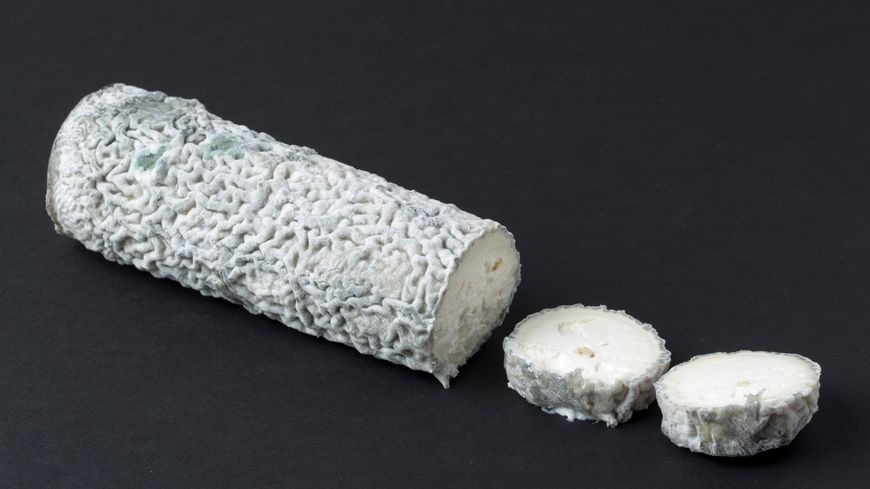
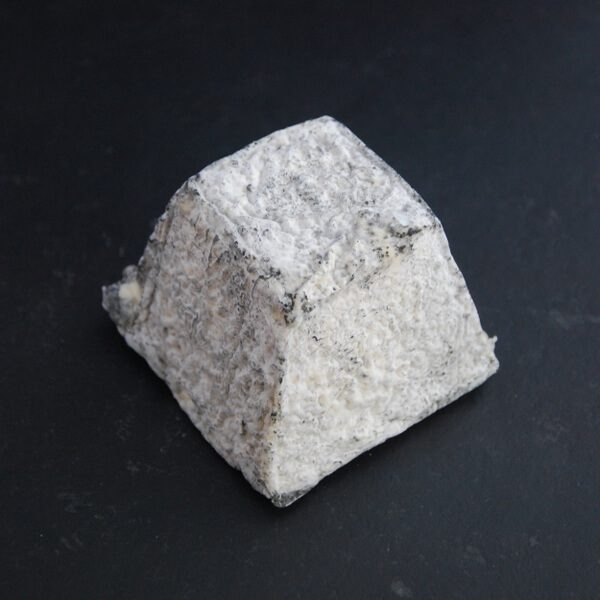
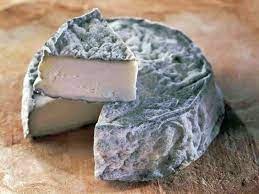
Product Category
Food
Product subcategory
Milk and dairy products
Product brand name
Goat cheese
Model names or references
Pyramid, Log, Ash
Product identification
Batch Date
Batches of cheeses marketed on September 6, 7 and 8, 2024 Expiry date 06/10/2024
Start/End of marketing date
From 06/09/2024 to 08/09/2024
Storage temperature
Product to be kept in the refrigerator
Geographic area of sale
Whole France
Distributors
The Orleans market
Posted in food recall, product recall, Recall, STEC, STEC E.coli
Scientists have revealed that lettuce contaminated by animal waste during flooding was the likely vehicle of infection in an E. coli outbreak in 2022.
In September 2022, a large outbreak of STEC O157:H7 was identified in the United Kingdom. It was one of the biggest E. coli outbreaks since the early 1980s.
In late August and early September, the UK Health Security Agency (UKHSA) Gastrointestinal Bacteria Reference Unit (GBRU) reported a substantial increase in submitting certain fecal samples and isolates that were presumptive for STEC.
Shiga toxin-producing Escherichia coli (STEC) serotype O157 is a food-borne gastrointestinal pathogen of public health concern. Infections with STEC can present as sporadic cases or as outbreaks, and they can be symptomatic or asymptomatic. Symptoms can range from mild diarrhoea to abdominal cramps, vomiting and severe bloody diarrhoea, with ca 30% of cases requiring hospital admission. Overall, around 5% of cases (rising to 11% in children aged 1–4 years) develop haemolytic-uraemic syndrome (HUS), which is a severe multisystem condition that predominantly affects the kidneys and can be fatal [1].
In 2022, STEC was the third most commonly notified food-borne zoonotic pathogen in the European Union/European Economic Area (EU/EEA) countries [2]. Of the 29 EU/EEA countries reporting data for 2022, 25 reported 8,565 confirmed cases of STEC infection [3], with 71 food-borne STEC outbreaks reported by 14 countries [4].
The gastrointestinal tract of ruminants is the ecological niche of STEC, with cattle and sheep being the main animal reservoirs [5]. Transmission from animals to humans can occur via direct contact with colonised animals or their environment or by the consumption of food or water contaminated with the pathogen. Food items frequently associated with food-borne outbreaks of STEC O157 include raw or undercooked beef or lamb meat products, unpasteurised dairy products and fresh produce exposed to rainwater run-off, floodwater or irrigation water containing animal faeces [6].
Climate hazards have previously been described as having the potential to activate cascading risk pathways with a sequence of secondary, causally connected events [7]. For example, cascading risks associated with heavy precipitation followed by flooding of animal environments, may lead to contamination of crops and cause food-borne outbreaks of zoonotic diseases. Higher pathogen loads frequently detected in floodwater after rainstorms [8,9] and extreme weather events have been associated with outbreaks of gastrointestinal illness [10–12].
In late August and early September 2022, the United Kingdom (UK) Health Security Agency (UKHSA) Gastrointestinal Bacteria Reference Unit (GBRU) reported a substantial increase in the submission of containment level 3 faecal samples and isolates that were presumptive for STEC. The number of presumptive STEC isolates received by the reference laboratory in the first 6 days of September 2022 was 245, compared with 259 isolates received during the whole of September 2019, the most recent pre-pandemic year for which data were comparable. Between 5 and 7 September, the number of confirmed STEC O157 cases was 73 compared with an average of 16 cases of STEC O157 reported each week in the previous 4 weeks. This, coupled with a substantial increase in the number of enhanced surveillance questionnaires (ESQs) for STEC cases suggested a surge in cases warranting further investigation. On 7 September 2022, a national level outbreak was declared and a multi-agency incident management team (IMT) established.
The IMT aimed to investigate the source of the outbreak by undertaking traditional epidemiological analyses and traceback investigations. A separate sub-group of the IMT explored a novel triangulation methodology using meteorological, flood risk, land use and land-classification and sheep holding density data, to explain the contamination and independently determine the potential source of the STEC outbreak.
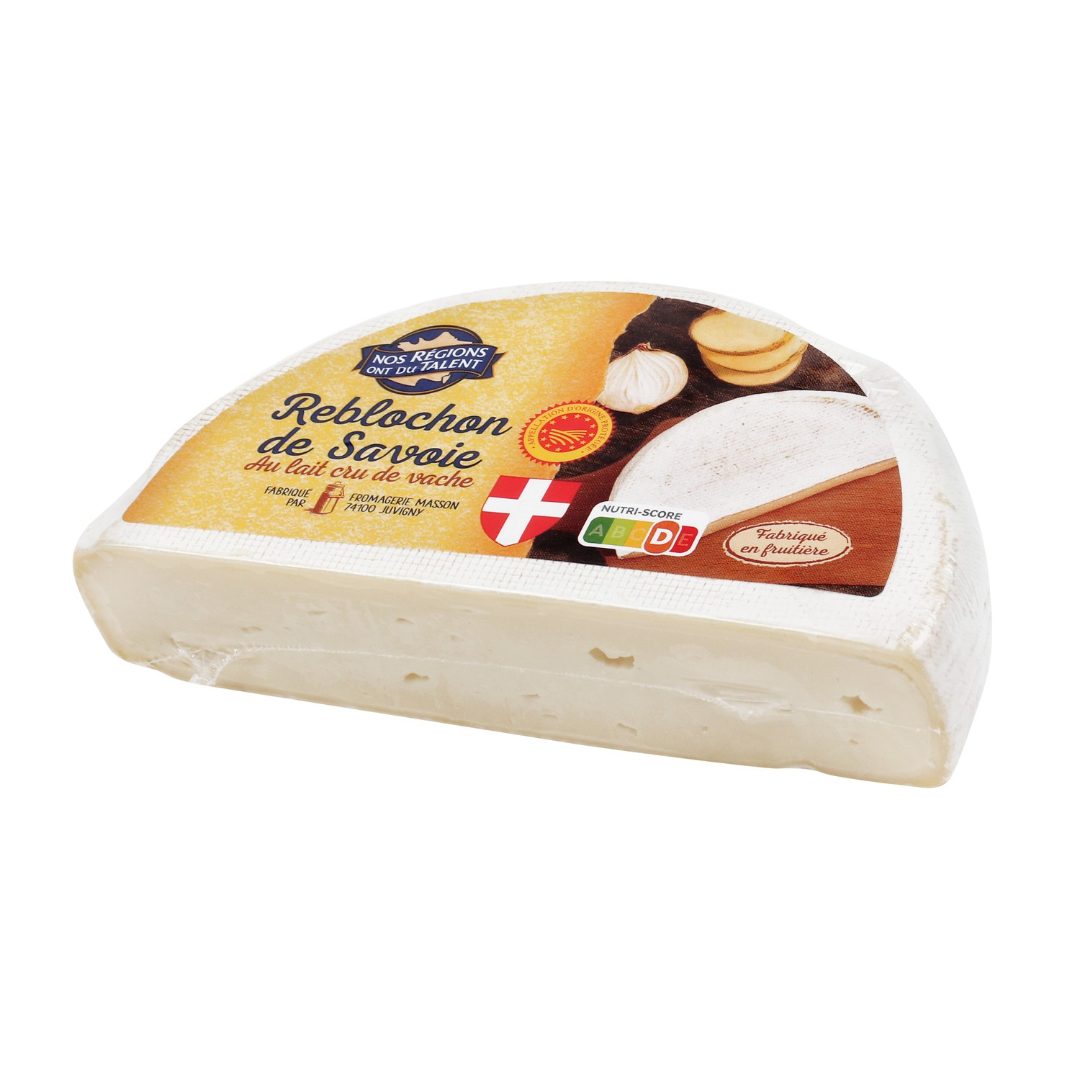
Product Category
Food
Product subcategory
Milk and dairy products
Product brand name
OUR REGIONS HAVE TALENT
Model names or references
HALF REBLOCHON AOP 240G
Product identification
GTIN Batch Date
3564709021249 182V Expiry date 04/09/2024
Packaging
240G
Start/End of marketing date
From 07/31/2024 to 09/04/2024
Storage temperature
Product to be kept in the refrigerator
Health mark
FR 74.145.050 CE
Additional information
Only products bearing the additional code 11 after the barcode are affected by the recall.
Geographic area of sale
Whole France
Distributors
E.LECLERC
Posted in E.coli O103, food contamination, food handler, Food Hazard, Food Hygiene, Food Inspections, Food Micro Blog, Food Microbiology, Food Microbiology Blog, Food Microbiology Testing, Food Pathogen, Food Quality, food recall, Food Safety, Food Safety Alert, Food Safety Management, Food Safety Regulations, Food Testing, O103, STEC, STEC E.coli
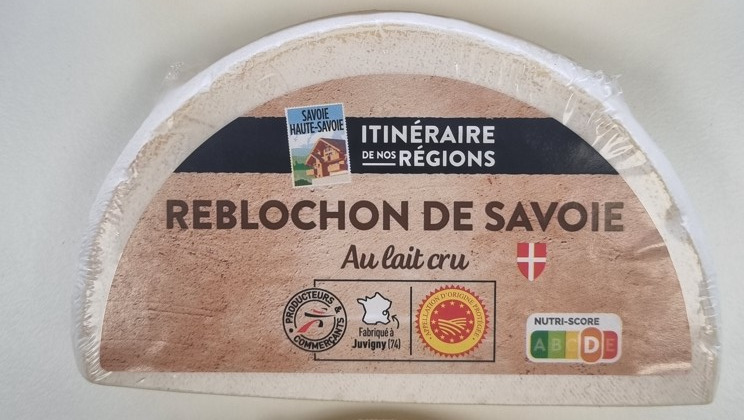
| GTIN | Batch | Date |
|---|---|---|
| 3250392996390 | 182V | Expiry date 04/09/2024 |
Posted in E.coli O103, food contamination, food handler, Food Hazard, Food Hygiene, Food Inspections, Food Micro Blog, Food Microbiology, Food Microbiology Blog, Food Microbiology Testing, Food Pathogen, Food Quality, food recall, Food Safety, Food Safety Alert, Food Safety Management, Food Safety Regulations, Food Testing, O103, Raw Milk, raw milk cheese, STEC, STEC E.coli

 FoodWorld