Two people in the Netherlands have been accused of knowingly selling eggs contaminated with Salmonella.
The case at Zwolle District Court covers events in 2017 and involves the duo, who were owner and manager of a farm at the time.
The Public Prosecution Service (OM) believes Salmonella findings were hidden for financial reasons. The defendants deny knowing about the contamination.
Name of Product Delicacy double sausage, 250 g and Paprika, spicy double sausage, 250 g
Nature of the problem Possible presence of Salmonella
DetailsNébih asks customers not to consume products that match the identification data below!
Notifier: ALDI Magyarország Élélmiszer Bt.
Name of products: Delicacy double sausage, 250 g and Paprika, spicy double sausage, 250 g
Picture of the products :
Nature of the problem: Possible presence of Salmonella
Quality retention time and lot number (L):
Delicacy double sausage, 250 g – 09.06.2023 and L: 38087
Peppery, spicy double sausage, 250 g – 09.06.2023 and L: 39087
Packaging: 250 g
Supplier: Tona Hungary Kft.
Action: Product recall
The affected products can be returned to any ALDI store in Hungary, the price of the products will be refunded even without a block. The store chain informed its customers about the recall on its website and on posters in stores.
You can read more about the nature of the problem here .
The product recall only applies to products identified with the above data.
Not ready-to-eat (NRTE) breaded, stuffed chicken products (e.g., chicken stuffed with broccoli and cheese) typically have a crispy, browned exterior that can make them appear cooked. These products have been repeatedly linked to U.S. salmonellosis outbreaks, despite changes to packaging initiated in 2006 to identify the products as raw and warn against preparing them in a microwave oven (microwave) (1–4). On April 28, 2023, the U.S. Department of Agriculture proposed to declare Salmonella an adulterant* at levels of one colony forming unit per gram or higher in these products (5). Salmonella outbreaks associated with NRTE breaded, stuffed chicken products during 1998–2022 were summarized using reports in CDC’s Foodborne Disease Outbreak Surveillance System (FDOSS), outbreak questionnaires, web postings, and data from the Minnesota Department of Health (MDH)† and the U.S. Department of Agriculture’s Food Safety and Inspection Service (FSIS). Eleven outbreaks were identified in FDOSS. Among cultured samples from products obtained from patients’ homes and from retail stores during 10 outbreaks, a median of 57% of cultures per outbreak yielded Salmonella. The NRTE breaded, stuffed chicken products were produced in at least three establishments.§ In the seven most recent outbreaks, 0%–75% of ill respondents reported cooking the product in a microwave and reported that they thought the product was sold fully cooked or did not know whether it was sold raw or fully cooked. Outbreaks associated with these products have occurred despite changes to product labels that better inform consumers that the products are raw and provide instructions on safe preparation, indicating that consumer-targeted interventions are not sufficient. Additional Salmonella controls at the manufacturer level to reduce contamination in ingredients might reduce illnesses attributable to NRTE breaded, stuffed chicken products.
Listeria and E. coli have been found during testing of unpasteurized, raw milk from farms in Germany.
From 2020 to 2022, the Chemical and Veterinary Investigation Office (CVUA) in Stuttgart tested 54 raw milk samples from vending machines for a range of agents.
Parameters examined included somatic cell count, total germ count, spoilage organisms, hygiene indicator germs such as Enterobacteriaceae and E. coli, and pathogens like Salmonella, Listeria, Campylobacter, and Shiga toxin-producing E. coli (STEC).
The sale of raw milk is mostly prohibited but it can be sold directly on the farm via self-service vending machines. The producers should put up notices telling the consumers to boil raw milk before consumption.
Some findings were positive as 30 samples were compliant but 24 had issues. Results highlight the importance of regular cleaning of milking machines, pipes, and tanks at dairy farms, said scientists. Insufficient cooling can also lead to contamination of raw milk.
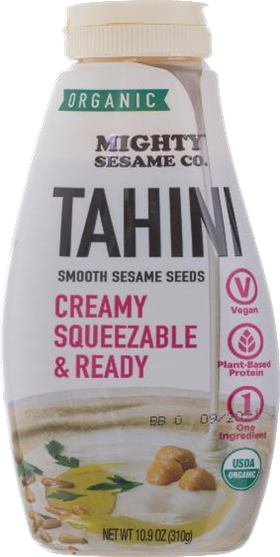
Bayonne, NJ. (May 3, 2023) – Rushdi Food Industries, an Israeli based manufacturer, is voluntarily recalling their Mighty Sesame 10.9 Oz Organic Tahini (Squeezable) with the specific expiration date of 9/25/23 due t0 potential Salmonella contamination. Salmonella is an organism which can cause serious and sometimes fatal infections in young children, frail or elderly people, and others with weakened immune systems. Healthy persons infected with Salmonella often experience fever, diarrhea (which may be bloody), nausea, vomiting and abdominal pain. In rare circumstances, infection with Salmonella can result in the organism getting into the bloodstream and producing more severs illnesses such as arterial infections (i.e., infected aneurysms), endocarditis and arthritis.
This recall was initiated when the company received a notification by the FDA and the Ohio Department of Health of the potential presence of Salmonella in this specific lot. The company has received no reports of illness or injury to date. We immediately informed all Stores who had purchased this product within this lot code about this Recall and instructed them to remove any product which might be on their shelves.
Only packages bearing the following Lot Code/Best by date are being recalled at this time. All products other than the ones with the affected Best by Date mentioned in the table are ok to consume.
UPC Code
Description
Expiration Date
858313006208
Mighty Sesame 10.9 Oz Organic Tahini (Squeezable)
9/25/23
The recalled product was distributed to stores predominately located in the New York, New Jersey and Connecticut regions as well as some stores nationwide during the weeks of February 23rd, 2023 through March 5th, 2023. Based off of sales velocity, there is an extremely low chance that any of the affected product would still be available for retail. All products other than the ones with the affected Best by Date mentioned in the table are ok to consume.
Consumers who may have purchased this product are advised to discontinue use immediately and discard or return the product for credit or refund. If a consumer experiences the symptoms listed above and believes they may have been exposed to Salmonella, they are urged to report to a medical provider.
Consumers who have questions may contact us at Customercare@kayco.com or by phone at 718-369-4600 Monday through Friday 9 AM to 5PM Eastern Time.
This recall is being made with the knowledge of the Food and Drug Administration.
For the investigation with the not yet identified cause of illness (ref # 1152), preliminary information reported by Gallatin City- County Health Department and the Montana Department of Public Health and Human Services indicates that a food containing imported morel mushrooms consumed at a single restaurant in Montana may be the exposure of concern. This restaurant is temporarily closed. The product linked to illnesses has been updated to morel mushrooms (suspect), the case count has increased from 13 cases to 30 cases, and sample collection and analysis have been initiated. FDA is assisting in this investigation, but at this time it appears to be a localized issue and no illnesses have been identified outside of this restaurant cluster. This is an ongoing investigation and more information will be provided as it becomes available.
An Outbreak Advisory was issued for the outbreak of Salmonella Infantis (ref # 1141) linked to specific lots of General Mills Gold Medal Unbleached and Bleached All Purpose Flour. On 4/28/2023, General Mills, Inc. issued a voluntary recall.