Category Archives: Research

USA – Outbreak Investigation of Listeria monocytogenes: Dole Packaged Salad (December 2021)

FDA

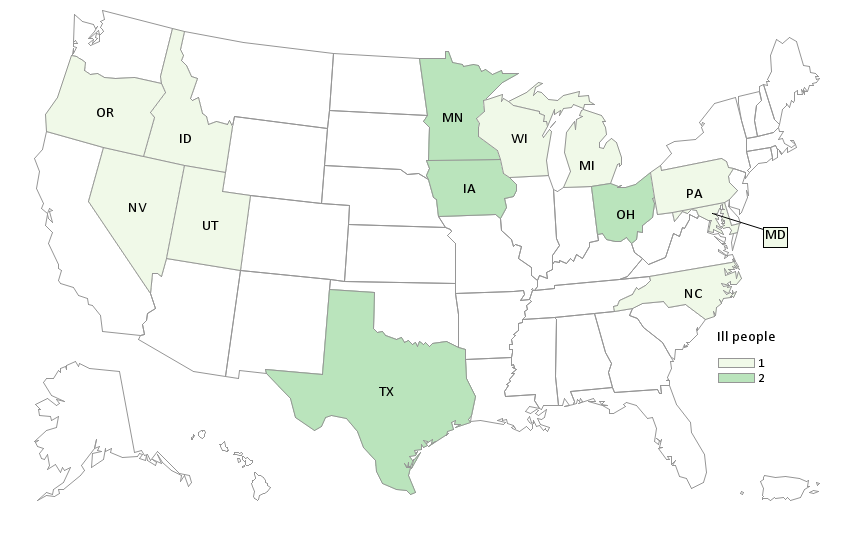
FDA, along with CDC and state and local partners, is investigating a multistate outbreak of Listeria monocytogenes infections linked to Dole packaged leafy greens by epidemiologic, laboratory, and traceback data. According to the CDC, as of February 1, 2022, 17 people infected with the outbreak strain of Listeria monocytogenes have been reported from 13 states. Illnesses started on dates ranging from August 16, 2014 to December 30, 2021 (one case occurred in 2014 and the remaining cases occurred between 2018 and 2021). CDC investigated this outbreak in 2019 and 2020 but was unable to gather enough data to identify the source in the past. CDC reopened the investigation in November 2021 after reports of new illnesses.

FDA sent investigators to multiple Dole processing facilities to conduct on-site inspections while at the same time Dole initiated their own investigation. On December 22, 2021, Dole voluntarily recalled all products and brands from their Bessemer City, NC, and Yuma, AZ, facilities. On January 7, 2022, as a result of continued investigations, Dole issued a voluntary recall of additional products after Dole detected the presence of Listeria monocytogenes on equipment used in the harvesting of the raw iceberg lettuce also used in finished products processed in the Dole Springfield, OH, and Soledad, CA, facilities. These products were shipped throughout the United States and several provinces in Canada. FDA analyzed the positive sample collected by Dole from the harvesting equipment. Results from FDA’s WGS analysis showed that the strain of Listeria monocytogenes found on the harvesting equipment matches the strain causing illnesses in this outbreak.

In addition to this outbreak of listeriosis linked to packaged salads produced by Dole, FDA and CDC are currently investigating a separate Listeria outbreak linked to packaged salads produced by Fresh Express. These investigations are ongoing and additional information will be provided as it becomes available.

Recommendation

FDA recommends that anyone who received recalled products use extra vigilance in cleaning and sanitizing any surfaces and containers that may have come in contact with these products to reduce the risk of cross-contamination. Listeria can survive at refrigeration temperatures and can easily spread to other foods and surfaces.

All recalled products are now past their “Best if Used By” dates of November 30, 2021 to January 9, 2022. If consumers have expired recalled Dole salads in their homes, they should throw them away. The initial list of recalled products and the second list of recalled products are available on FDA’s website.


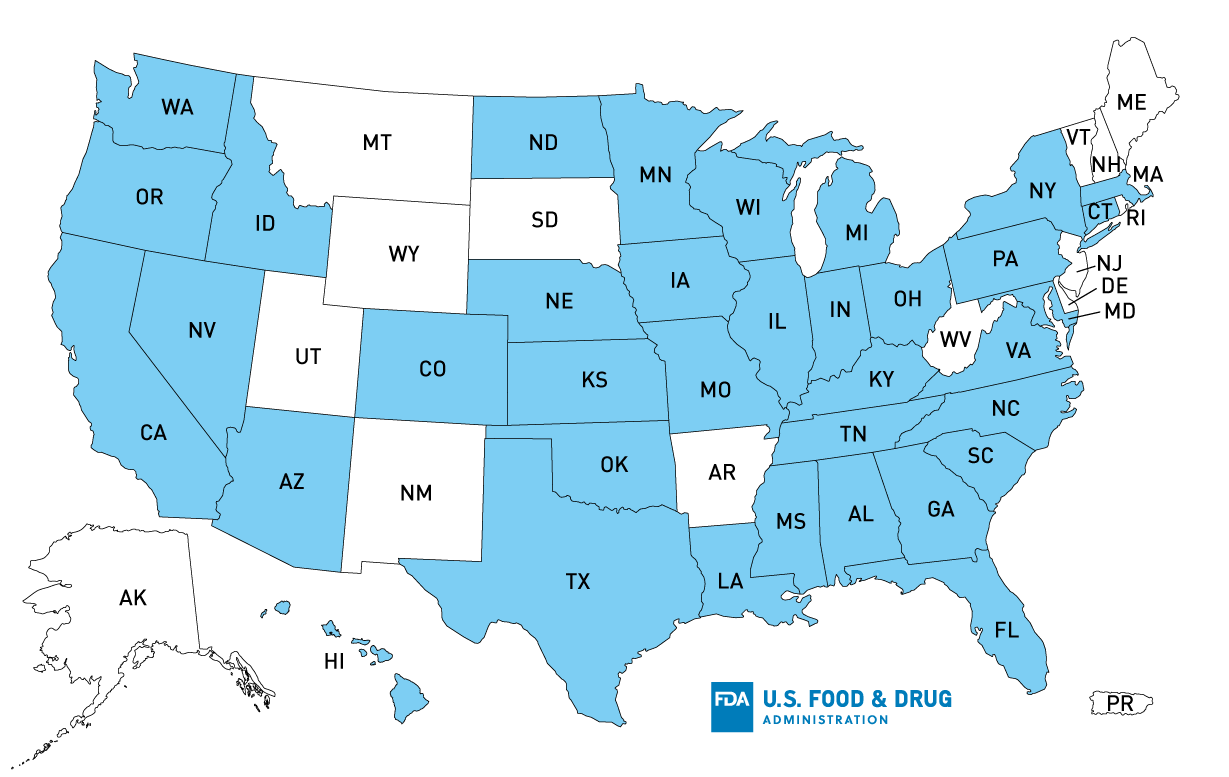
Map of U.S. Distribution of Recalled Packaged Salad

Outbreak Investigation of Listeria monocytogenes from Dole Packaged Salad - Map of U.S. Distribution of Recalled Packaged Salad (February 1, 2022)

Case Count Map Provided by CDC

Outbreak Investigation of Listeria monocytogenes from Dole Packaged Salad - CDC Case Count Map (January 31, 2022)

Case Counts

Total Illnesses: 17
Hospitalizations: 13
Deaths: 2
Last illness onset: December 30, 2021
States with Cases: IA, ID, MD, MI, MN, NC, NV, OH, OR, PA, TX, UT, WI
Product Distribution*: AL, AZ, CA, CO, CT, FL, GA, HI,  IA, ID, IL, IN, KS, KY, LA, MA, MD, MI, MN, MO, MS, NC, ND, NE, NV, NY, OH, OK, OR, PA, SC, TN, TX, VA, WA, WI

*Distribution has been confirmed for states listed, but product could have been distributed further, reaching additional states

Australia – Salmonellosis in Australia 2020

Health Au

kswfoodworld salmonella

Abstract

Background

More than seventy per cent of salmonellosis in Australia is thought to be due to contaminated food. Rates of salmonellosis vary across the Australian states and territories, with the highest rates in the Northern Territory. In 2020, to control coronavirus disease 2019 (COVID-19), Australia implemented public health measures including border closures, physical distancing and hygiene advice. This study analyses salmonellosis notification rates in 2020 and considers possible impacts of COVID-19 measures.

Methods

Monthly and annual salmonellosis notifications per 100,000 population, for each of Australia’s eight states and territories for the years 2015 to 2020, were extracted from Australia’s publicly accessible National Notifiable Diseases Surveillance System. For each jurisdiction, the salmonellosis rate each month in 2020 was compared with the previous 5-year median rate for that calendar month. The possible impacts of COVID-19 public health measures on salmonellosis notifications in the respective states and territories were examined.

Results

The annual Australian salmonellosis notification rate was 27% lower in 2020 than the previous 5-year median. The reduction in salmonellosis rate varied throughout Australia. States and territories with more stringent, more frequent or longer COVID-19 public health measures had generally greater salmonellosis rate reductions. However, Tasmania had a 50% deeper reduction in salmonellosis rate than did the Northern Territory, despite similar restriction levels.

Conclusions

Salmonellosis notifications decreased in Australia during the global COVID-19 pandemic. The reduction in notifications corresponded with the implementation of public health measures. Persistence of high rates in the Northern Territory could indicate the overarching importance of demographic and environmental factors.

Research – Legionellosis: Diagnosis and Control in the Genomic Era

CDC

CDC legionella

Hundreds of books and textbook chapters, and thousands of journal review articles, have been published on Legionnaires’ disease and Legionella spp. bacteria over the past 45 years, making it important to decide whether this new and quite expensive compilation of reviews is worth acquiring (Figure). The field has become so specialized that even those who know one aspect of it may need a good review of other aspects to easily catch up on recent trends. The book contains chapters on the freshwater ecology of the bacterium; molecular and pathogenic aspects of virulence-associated bacterial secretion systems; very selected aspects of epidemiology; clinical aspects and treatment; laboratory diagnosis; and strain typing methods from serologic to whole-genome sequencing. Some chapters are more current than others. The most recent references for several chapters were published in 2016, and only 1 chapter cites references published in 2020. The book is lightly edited; some of the chapters contain overlapping material, but overall it has few typographical or spelling errors. Not all of the figures are properly labeled; for example, the figure legends in chapter 6 are reversed, and not all of the figure legends in chapter 3 fully explain the meanings of different colors and abbreviations.

I found that several of the chapters contained quite useful information that would be hard to find elsewhere, including a thorough review of L. pneumophila virulence secretory systems, as well as a review of the freshwater ecology of the bacterium, the clinical microbiology and clinical significance of Legionella spp. other than L. pneumophila, and regulatory and risk management strategies for control of the disease. Other readers, depending on their fields of interest and expertise, will find other chapters of particular interest. The chapter on non–whole-genome sequencing methods for strain typing for epidemiologic investigation is well done and could be of interest for those trying to dissect the older literature. Missing from the book, presumably by design, are a chapter reviewing in detail the ecology of the bacterium in the built environment, practical guidance on outbreak investigation, advanced techniques in epidemiologic source investigation, molecular and cellular pathogenesis other than secretion systems, and the molecular evolution of the bacterium, all of which can be found in other sources.

Is this book good value for money? Perhaps not for those who have a narrow interest in a specific field, because there are more up-to-date reviews on many of the topics in journal articles and some textbooks. For those who want to gain an overview of the topics covered in the book, some of which are more comprehensive than those found in textbooks or recent reviews, this may be a useful addition to their libraries.

Research – An Observational Study of the Impact of a Food Safety Intervention on Consumer Poultry Washing

Journal of Food Protection

Campylobacter kswfoodworld

This study tested the effectiveness of an educational intervention on consumer poultry washing using video observation of meal preparation with participants who self-reported washing poultry. Treatment group participants received three emails containing messages the U.S. Department of Agriculture has used on social media (video and infographics) related to poultry preparation, including advising against washing it. Participants were observed cooking chicken thighs (inoculated with traceable nonpathogenic Escherichia coli strain DH-5 alpha) and preparing a salad to determine whether they washed the chicken and the extent of cross-contamination to the salad and areas of the kitchen. After meal preparation, participants responded to an interview about food handling behaviors, including questions about the intervention for treatment group participants. Three hundred people participated in the study (158 control, 142 treatment). The intervention effectively encouraged participants not to wash chicken before cooking; 93% of treatment group participants did not wash the chicken compared to 39% of control group participants (P<0.0001). High levels of the tracer detected in the sink and on the salad lettuce suggest that microbes transferred to the sink from the chicken, packaging, or contaminated hands are a larger cause for concern than splashing contaminated chicken fluids onto the counter. Among chicken washers, lettuce from the prepared salad was contaminated at 26% for the control group and 30% for the treatment group. For nonwashers, lettuce was contaminated at 31% for the control group and 15% for the treatment group. Hand-facilitated cross-contamination is suspected to be a factor in explaining this cross-contamination. This study demonstrates the need to change the frame of “don’t wash your poultry” messaging to instead focus on preventing contamination of sinks and continuing to emphasize the importance of handwashing and cleaning and sanitizing surfaces.

Research – Novel Biocomposite Films Based on High Methoxyl Pectin Reinforced with Zeolite Y for Food Packaging Applications

MDPI

Pectin is a natural biopolymer with broad applications in the food industry and it is suitable to prepare edible films to prolong food shelf-life. However, the main limitation of pectin-based films is their poor mechanical and barrier properties. Zeolite Y is a hydrophobic clay that can be used as film reinforcement material to improve its physicochemical and mechanical properties. In this work, the influence of high methoxyl citrus and apple pectin on physicochemical properties of biopolymer films modified with zeolite Y (0.05–0.2 wt%) was investigated. The films were characterized by FTIR, TGA, WAXD, mechanical analysis, and water vapor permeability analysis, and a potential film application is presented. The WAXD and FTIR analysis demonstrated that the strongest interaction between pectin chains and zeolite Y occurred when citrus high methylated pectin was used. Adding 0.2 wt% of zeolite Y into citrus high methylated pectin matrix enhanced the tensile strength by 66%, thermal stability by 13%, and water vapor barrier by 54%. In addition, fruit shelf-life test was performed, where strawberries were sealed in film. It was shown that sealed strawberries maintained a better color and healthy appearance than the control treatment after 7 days at 10 °C. This study enabled the development of biocomposite films with improved properties for potential application in food packaging. View Full-Text

Research – Coliform and Escherichia coli contamination on external and internal surfaces of beef carcasses with and without tissue adhesion excision

Journal of Food Protection

Following removal of hides and viscera during beef processing, carcasses are inspected for tissue adhesions that can affect meat quality or harbor bacteria. Carcasses with pleural or abdominal adhesions may be diverted from the production line for manual excision, then returned to the line. No published data indicate whether adhesion excision is associated with bacterial contamination. Therefore, our objective was to determine the presence and concentration of generic Escherichia coli and non- E. coli coliforms from the internal and external surfaces of carcasses that were, or were not, diverted for adhesion excision. During nine processing days over a four-month period in a large commercial beef processing facility, 1,738 carcass sponge samples from 2,730 cm2 areas on both the internal and external surfaces of carcasses with and without tissue adhesions were collected. Coliforms and E. coli were cultured and enumerated using PetrifilmTM procedures, and data were analyzed with mixed models. Coliforms were present at higher concentrations than E. coli, and prevalence and mean log concentrations of both coliforms and E. coli were significantly higher for samples from the external than from the internal surfaces of carcasses.  However, differences in prevalence and concentration of coliforms between external and internal surfaces varied significantly based on whether carcasses did or did not have adhesions excised. The difference was greatest for coliforms present on the external (2.06 log CFU/100 cm2) versus the internal (0.93 log CFU/100 cm2) carcass surfaces without adhesions, while the difference in concentrations from the external (1.80 log CFU/100 cm2) and internal (1.31 log CFU/100 cm2) surfaces of carcasses with adhesions was not as large.  These results indicate that surveillance of carcass bacteria may be impacted by whether the external versus internal surfaces are sampled, and also on whether carcasses are diverted for excision of adhesions.

Research – Wild Boars as Reservoir of Highly Virulent Clone of Hybrid Shiga Toxigenic and Enterotoxigenic Escherichia coli Responsible for Edema Disease, France

CDC

Edema disease is an often fatal enterotoxemia caused by specific strains of Shiga toxin–producing Escherichia coli (STEC) that affect primarily healthy, rapidly growing nursery pigs. Recently, outbreaks of edema disease have also emerged in France in wild boars. Analysis of STEC strains isolated from wild boars during 2013–2019 showed that they belonged to the serotype O139:H1 and were positive for both Stx2e and F18 fimbriae. However, in contrast to classical STEC O139:H1 strains circulating in pigs, they also possessed enterotoxin genes sta1 and stb, typical of enterotoxigenic E. coli. In addition, the strains contained a unique accessory genome composition and did not harbor antimicrobial-resistance genes, in contrast to domestic pig isolates. These data thus reveal that the emergence of edema disease in wild boars was caused by atypical hybrid of STEC and enterotoxigenic E. coli O139:H1, which so far has been restricted to the wildlife environment.

Research – EU Harmonised Surveillance of Antimicrobial Resistance (AMR) in E. coli from Retail Meats in UK (2020 -Year 6, chicken)

Gov UK

Lay person’s summary
This report presents results of the EU harmonised surveillance of antimicrobial resistance (AMR) in E. coliform retail chicken meats in the UK in 2020.
In accordance with European Directive 2003/99/E Con the monitoring of bacteria that can pass from animals to humans and causes disease (zoonoses and zoonotic agents), Member States (MS) are obliged to ensure that procedures are in place to monitor and report on the occurrence of antimicrobial resistance(AMR) in such bacteria.
The UK continued to be subject to EU rules during the transition period up to the end of December 2020.Further testing of retail beef, chicken and pork is being considered based on surveillance priorities. The requirements (with additional detailed guidance from the EU Reference Laboratory for Antimicrobial Resistance) state that 300 retail chicken meats should be tested by culture for the bacterium Escherichia coli. E. coli bacteria are a normal part of the gut flora of mammals and as such can be useful “indicators” of AMR in gut bacteria.
Whilst some strains of E. coli can cause disease, most strains of E. coli do not cause observable disease in healthy animals and humans. The EU requirements state that samples should be tested on an agar (growth medium) supplemented with a third generation cephalosporin. Third generation cephalosporins area group of antimicrobials which are important for treating infections in humans. E. coligrowth on this agar suggests antimicrobial resistance known as Extended Spectrum β-lactamase (ESBL) resistance and/or Amp C resistance.
ESBL resistance is also referred to as ESBL-phenotype, Amp C resistance is also referred to as Amp C-phenotype. The degrees of susceptibility/resistance of E. coli recovered from this agar must then be determined to a pre-defined panel of antimicrobials by Minimum Inhibitory Concentrations (MICs) tests. EU requirements also state that samples should be tested on two other supplemented agars which select bacteria which are resistant to carbapenems.
Carbapeems are another a group of antimicrobials which are very important in human medicine. Carbapenems are termed “last resort” antimicrobials because they are used to treat severe infections when all or almost all other treatment options have failed, because the infecting bacteria are resistant to most / all other relevant antimicrobials. Additionally, each meat sample is tested for counts of the number of background and AMR(Amp C and ESBL type resistance only) E. coli in each meat sample according to an EU protocol.
At the request of the FSA, other agar culture media used to test samples included an agar to specifically isolate E. coli with ESBL-only type resistance only (rather than for E. coli with both an AmpC and an ESBL type resistance as per one of the EU specified agars), and an agar to isolate colistin resistant E. coli. Colistin is another “last resort” antimicrobial, so it is important to monitor if resistance in E. coli to colistin is occurring in food samples.
Colistin resistance in E. coli isolates may involve a number of resistance genes such as mcr-1, mcr-2 andmcr-3. These mcr genes are considered particularly important as they are usually carried on genetic elements known as plasmids. As plasmids are “mobile” (can pass from one bacterium to another), the resistance genes located on them can potentially be shared with other bacteria within the gut. In total during 2020, 327 samples of fresh chicken were collected of which 315 were eligible for testing. The 315 eligible retail chicken meat samples were collected from England (n=274), Scotland (n=20), Wales (n=11), and Northern Ireland (n=10) from ten different supermarket chains. Sample collection was impacted by the coronavirus pandemic.
Monthly sampling was suspended for 3 months from April to June2020, resuming in July. Sample numbers were adjusted in subsequent months to reach the target of 300 samples. The types of chicken meat collected were whole chicken (n=127), chicken breast (n=113) and other cuts, including quarters, legs, thighs & drumsticks (n=75). Of the samples collected, 58.7% and 41.2% had skin on or off respectively.
Breast samples were the main sample type from which skin was removed. Of the 315 samples, 309 were stated as originating from the UK, five from Poland and one from Ireland. No growth was observed from any of the samples(meaning the test results were negative and the bacteria were therefore not resistant to carbapenem antimicrobials) on the two agars that selected for carbapenem-resistant E. coli.
Forty-one(13.0%) of the samples gave rise to E. coli on MacConkey agar + 1mg/L cefotaxime. These positive results imply the E. coli were resistant to cefotaxime. MIC analysis of these 41isolatesfound that39 of the total number of samples tested (12.4%) expressed an ESBL-phenotype resistance (including two isolates additionally expressed the Amp C phenotype resistance).
The remaining two of these 41 E. coli isolates(0.63%) expressed an Amp C-phenotype resistance but not ESBL-phenotype resistance. The observed frequencies of recovery of ESBL-phenotype E. coli from samples from individual supermarkets ranged from 0% to and 22.1% of the samples tested per supermarket, including those with an Amp C+ESBL-phenotype. A total of 54 of all the samples tested, representing 17.1%,gave rise to growth on the ESBL-only specific agar and a total of 3 (0.95%)of all the samples tested were positive for the mcr-1 transferable colistin resistance gene. These three samples all originated from Poland.
A further two samples were also originally positive for mcr-3 when multiple suspect colonies was tested. However, it was not possible to isolate individual mcr-3positive E. coli from the mix, so these results must be considered equivocal. Using MIC tests, the isolates from the Amp C/ESBL specific agar were tested for the degree of resistance to a total of 19 antimicrobials. Based on the MIC results, isolates were determined as resistant or sensitive to a particular antimicrobial using cut-offs known as ECOFFs (Epidemiological Cut Offs published by EUCAST). The ECOFF distinguishes between organisms without and with phenotypically expressed resistance mechanisms for a bacterial species to an antimicrobial. None of the 41 isolates from the Amp C/ESBL specific agar were microbiologically resistant to the ‘last resort’ carbapenem antimicrobials imipenem and meropenem or to colistin. The MIC of ertapenem against one Amp C+ESBL-phenotype isolate was just above the previous EUCAST ECOFF(currently there is only a tentative ECOFF for ertapenem), and as such was microbiologically resistant. This isolate was not clinically resistant though, using EUCAST clinical break point..None of the E. coli were resistant to the antibiotics temocillin or tigecycline.
Only one isolate was resistant to the antibiotic’s azithromycin or gentamicin, whilst about 60% of isolates were resistant to the quinolone antibiotics (ciprofloxacin or nalidixic acid)or to chloramphenicol. Isolates obtained from agar with 1 mg/L cefotaxime were all resistant to cefotaxime andto antibiotics of a similar type, such as ampicillin and ceftazidime and most were also resistant to cefepime. Most of the isolates were resistant to the older antibiotics’ sulfamethoxazole and tetracyclines, and approximately 50% were resistant to trimethoprim.
Genetic tests (whole genome sequencing) showed that most of the E. coli isolates from the ESBL agar carried the bla CTX-Mgene which confers resistance to third generation cephalosporin antimicrobials, and has been frequently detected in E. coli from chickens and chicken meat in previous studies, including the 2016 and 2018 surveys. None of the meat samples had bacterial counts of background E. coli (isolates obtained from agar without antibiotics) or presumptive Amp C/ESBL-producing E. coli above the detection limit (when using the EU method) of 3,000 E. coli colony forming units (cfu) per gram of meat. In summary, the results in 2020 showed that 12.4% and 1.6% of retail chicken meat samples were positive for ESBL or Amp C-phenotype E. coli, respectively (including the three isolates with the combined Amp C/ESBL-phenotype in both the ESBL or Amp C-phenotype groups) on the Amp C/ESBL specific agar. Whilst there was an increase in the percentage of isolates with an ESBL-phenotype there was a decrease in the percentage of isolates with an Amp C-phenotype between 2018 and 2020.
Overall, between 2018 and 2020, the percentages of samples positive on the Amp C/ESBL specific agar remained almost identical at 13.6% and 13.0%,respectively.None of the samples were positive for carbapenem-resistant E. coli on either of the two carbapenem selective agars. Between the 2016 and 2018 EUsurveys1there was a significant reduction in the proportion of chicken samples positive on the Amp C/ESBL specific agar and the ESBL agar.
Comparison with a paper on UK samples tested in 2013/142 also showed a significant reduction in samples positive for ESBL-producing E. coli between 2013/14 and the 2016 EU survey (65.4% to 29.7%), albeit sampling and isolation methods were similar, but not identical for the two studies.The2018 report for chicken meat samples1 suggests that these drops in the level of antimicrobial-resistant E. coli on retail chicken meat since 2013/14 may be linked to the restriction by the British Poultry Council to the use of third-and fourth-generation cephalosporins in flocks used for poultry meat production in the UK in 2012 as part of antimicrobial stewardship.
The 2020 survey results suggest that the proportions of Amp C or ESBL-phenotype E. coli in retail chicken have not changed since 2018. There was a slight increase in the proportions of samples that were positive on the ESBL-specific agar compared to the 2018. This was the first year that retail chicken samples were found to be positive for mcr plasmid-mediated colistin resistant E. coli. It should be considered that 2020 was an unusual year due to the impact of the coronavirus pandemic, although there is no reason to suppose this affected the proportions of retail chicken meat positive for AMR E. coli.

Research – Comparing the effectiveness of Cinnamomum zeylanicum essential oil and two common household sanitizers to reduce lettuce microbiota and prevent Salmonella enterica recontamination

Wiley Online

Vegetable Bacteria Danger

The washing step is necessary to remove biological and physical hazards from minimally processed vegetables. Nevertheless, the risk of foodborne diseases could persist even after washing due to postsanitizing contamination, and little is known about the antimicrobial effect of residual sanitizers. This study was conducted to compare the effectiveness of sodium hypochlorite (SH), sodium bicarbonate, and Cinnamomum zeylanicum essential oil (CEO) as sanitizers on lettuce (8°C, 48 h). First, the effect of sanitizers in reducing total aerobic mesophilic and psychrotrophic bacteria, yeast and molds, lactic acid bacteria, and Enterobacteriaceae on lettuce was evaluated with some insights on lettuce quality attributes (pH, color, and sensory analysis). Then, the capability of the treatments in preventing postwashing Salmonella adhesion on lettuce surface was investigated. Commercial SH disinfectant (solution at 2%) and CEO (0.5%) reduced microbial contamination in lettuce, without affecting the overall acceptability after 48 h at 8°C. SH reduced postsanitizing Salmonella adhesion of about 2.7 Log colony forming unit (CFU)/g. The microbial reduction was confirmed by confocal laser scanning microscopy, which also evidenced Salmonella internalization within stomata. Interestingly, CEO as well reduced Salmonella adhesion but with lower efficacy (0.44–1.00 Log CFU/g reduction), while sodium bicarbonate (15 mg/ml) was not effective. In conclusion, SH and CEO seem to be effective sanitizing agents, capable of improving the microbiological profile of fresh produce. In addition, the residual sanitizers, that remain on lettuce after washing, play a role in reducing Salmonella adhesion.

USA – Core Investigation Table Update

FDA

Date
Posted
Ref


#

Pathogen
Product(s)
Linked to
Illnesses

(if any)
Investigation
Status
1/10/

2022

1050 E. coli
O121:H19
Romaine Ended
12/29/

2021

1052 E. coli
O157:H7
Packaged Salad Active
12/20/

2021

1039 Listeria
monocytogenes
Packaged Salad Active
12/15/

2021

1048 Listeria
monocytogenes
Packaged Salad Active
9/15/

2021

1031 Salmonella
Oranienburg
Red, Yellow,
and White Onions
Active