Category Archives: outbreak

USA – 11 Hepatitis A cases linked to Gino’s Ristorante & Pizzeria

Food Poison Journal

The Montgomery County Office of Public Health (OPH) announced today the temporary closure of Gino’s Ristorante & Pizzeria in West Norriton in relation to a Hepatitis A Virus (HAV) outbreak in the county. The restaurant will be closed until further notice while the investigation continues.

At this time, 11 total cases are under investigation, with 9 confirmed cases of Hepatitis A and 2 potential cases of Hepatitis A. Of the 9 confirmed cases, 7 people were hospitalized. To date, one death is confirmed and one additional death is under investigation.

Denmark – Deadly E. coli O157 outbreak sickens 13 in Denmark

Food Safety News

Officials in Denmark are investigating a deadly outbreak of Shiga toxin-producing E. coli (STEC) O157 that has affected more than a dozen people.

The outbreak began in December 2021 and includes 13 patients with a possible common source of infection, said the Statens Serum Institut (SSI). Nine people have been hospitalized and an elderly patient has died.

Since early December, 13 patients have been detected and samples from nine of those sick are closely related after an analysis by whole genome sequencing at the Statens Serum Institut. This means they were likely infected by a common source.

USA – Fourth person dies in hepatitis A outbreak traced to Virginia restaurants

Food Safety News

A fourth person has died in a hepatitis A outbreak traced to Famous Anthony’s restaurants in Roanoke Valley in Virginia.

Larry Vest died on Christmas after fighting the liver disease for months. His wife Diane, who was also infected, died in the fall of 2021. 

More than 50 people were infected with the hepatitis A virus in relation to an infected employee who worked at three Famous Anthony’s locations at Grandin Road Extension, Williamson Road and Crystal Spring Avenue, according to public health officials. Infected people may not show symptoms for up to two weeks while they are contagious.

James Hamlin, a Roanoke County man, died Oct. 8. The name of the other person who died has not been released. About 30 people have been so sick from the virus that they had to be admitted to hospitals.

Hepatitis A can be prevented with a vaccine. Vaccines are generally available from primary care providers, occupational health care clinics or health departments.

Argentina – Salmonella: Salta, Argentina reports 1,643 cases in 2021

Outbreak News Today

kswfoodworld Salmonella

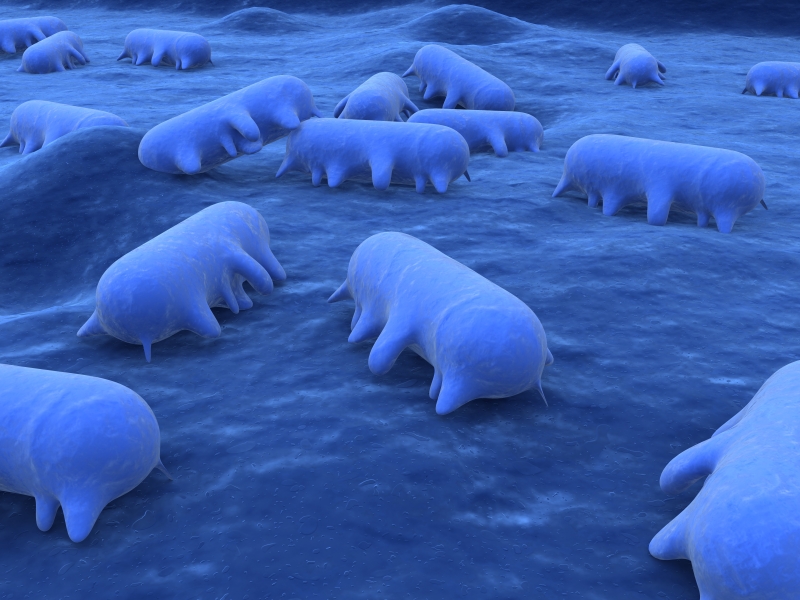
In a follow-up on the Salmonella situation in Salta province, Argentina, The Salta Ministry of Public Health reported that, in 2021, they confirmed 1,643 cases of salmonellosis in the province.

“Of the total number of cases, 72% were concentrated in the city of Salta and 28% in the interior of the province,” officials said.

According to provincial statistics, children from 0 to 14 years of age are the most affected by salmonellosis, adding 1,008 cases, which is equivalent to 61.35% of the total.

USA – Wendy’s patrons may have been exposed to hepatitis A; still time for treatment for some

Food Safety News

The Arkansas Department of Health  is warning of possible hepatitis A exposures after an employee of Wendy’s at 721 North Arkansas, in Russellville tested positive for the virus.

Anyone who ate at the restaurant between Dec. 12, 2021, and Jan. 3, 2022, should seek care immediately if they have never been vaccinated against hepatitis A or are unsure of their vaccine status.

There are no specific treatments once a person contracts the liver virus. However, it can be prevented through vaccination. It can also be prevented from developing in people who have been exposed if a medicine called immune globulin is administered within two weeks of exposure. This medicine contains antibodies from other people who are immune to hepatitis A.

Research – Tracking down the origin of cholera pandemics

Science Direct

Food Illness

The bacterium Vibrio cholerae is the causative agent of the diarrheal disease cholera and is responsible for seven known pandemics. The seventh cholera pandemic began in 1961 and is still active. Unlike previous pandemics, it is caused by cholera strains of a slightly different type. How did the modified cholera strains develop and spread, and what might have contributed to their success? Scientists from the Max Planck Institute for Evolutionary Biology in Plön, Germany, and CAU Kiel, in an international team with colleagues from City College New York and the University of Texas Rio Grande Valley, have now gained new insights into a molecular mechanism that provides insight into the interactions between cholera bacteria and may have played a role in the emergence of the seventh pandemic.

In their natural environment, bacteria are subject to competition with other bacteria for space and nutrients. In this process, molecular mechanisms help them to hold their own. One such mechanism is the so-called “type 6 secretion system” (T6SS), with which a bacterium transports toxic proteins into a neighboring bacterium and thereby kills it. Thus, cholera bacteria of the seventh pandemic use their T6SS to keep other bacteria in check and presumably more easily cause infection.

Researchers now had the special opportunity to study the T6SS of cholera bacteria from previous pandemics. For this purpose, among other things, the T6SS genome sequence of cholera bacteria from the 2nd pandemic was reconstructed from a museum specimen from the 19th century in a complex procedure and recreated in the laboratory.

In the process, the scientists were able to show that 2nd and 6th pandemic cholera bacteria lack a functional T6SS. As a result, the bacteria of earlier pandemics not only lack the ability to attack other bacteria, they are themselves killed by bacterial strains of the seventh pandemic. This may have been one of the reasons that older cholera strains were displaced by modified cholera strains of the seventh pandemic and are now hard to find.

Data from new lab

Daniel Unterweger, one of the study’s authors and a group leader at the Max Planck Institute in Plön, Germany, says: “With these findings, we support the theory that microbial competition between bacteria is very important for understanding pathogens and bacterial pandemics. Our research on the cholera bacterium was made possible by an S2 laboratory newly established at the institute. Here, we can conduct experiments with bacterial pathogens under the necessary safety precautions. The study contains some of the first data from the new laboratory.”

Link to Article

USA – Outbreak Investigation of E. coli O157:H7: Power Greens Packaged Salad (January 2022)

FDA

The FDA and CDC, in collaboration with state and local partners, are investigating illnesses in a multistate outbreak of E. coli O157:H7. According to the CDC, as of January 6, 2022, 10 people infected with the outbreak strain of E. coli O157:H7 have been reported from four states. Consumer purchase data indicate that seven people purchased Nature’s Basket Power Greens or Simple Truth Organic Power Greens at grocery stores before becoming sick. Based on those purchase dates, the latest “best if used by” date is estimated to be December 20, 2021. These two salad blends consist of organic spinach, mizuna, kale, and chard; both brands were manufactured by the same processor.

FDA has initiated a traceback investigation on the products of interest. To date, no single production code has been identified by the traceback. For the estimated production code range that may have been available for purchase to ill consumers, records collected indicate that leafy greens used in these products were sourced from Salinas and Imperial Valley, CA, and Yuma, AZ. FDA continues to evaluate the available information to determine if a single source, such as a farm or ranch, can be identified. Some challenges encountered in this traceback are those often seen in tracing back leafy greens. These include multiple consumer purchases of the same product on different days, lack of product lot codes tracked to retail stores from distribution centers, and the inability to directly link product lot codes to consumer purchase data. Additionally, the range of possible production dates falls into the harvest transition period from central and northern CA to southern CA and AZ growing regions, and as this product has multiple components, some production days of the product include ingredients co-mingled from multiple growing regions.

At this time, the available evidence does not indicate that there are implicated products currently on the market. FDA and state partners are continuing to work with firms of interest to determine if there are additional or unexpired products that could potentially be affected. This is an ongoing investigation and additional information will be provided as it becomes available.

Recommendation

Although this product is past expiration and should no longer be available for purchase, if consumers froze Nature’s Basket or Simple Truth Power Greens salad blend with a “Best if Used By” date through December 20, 2021, they should discard it.


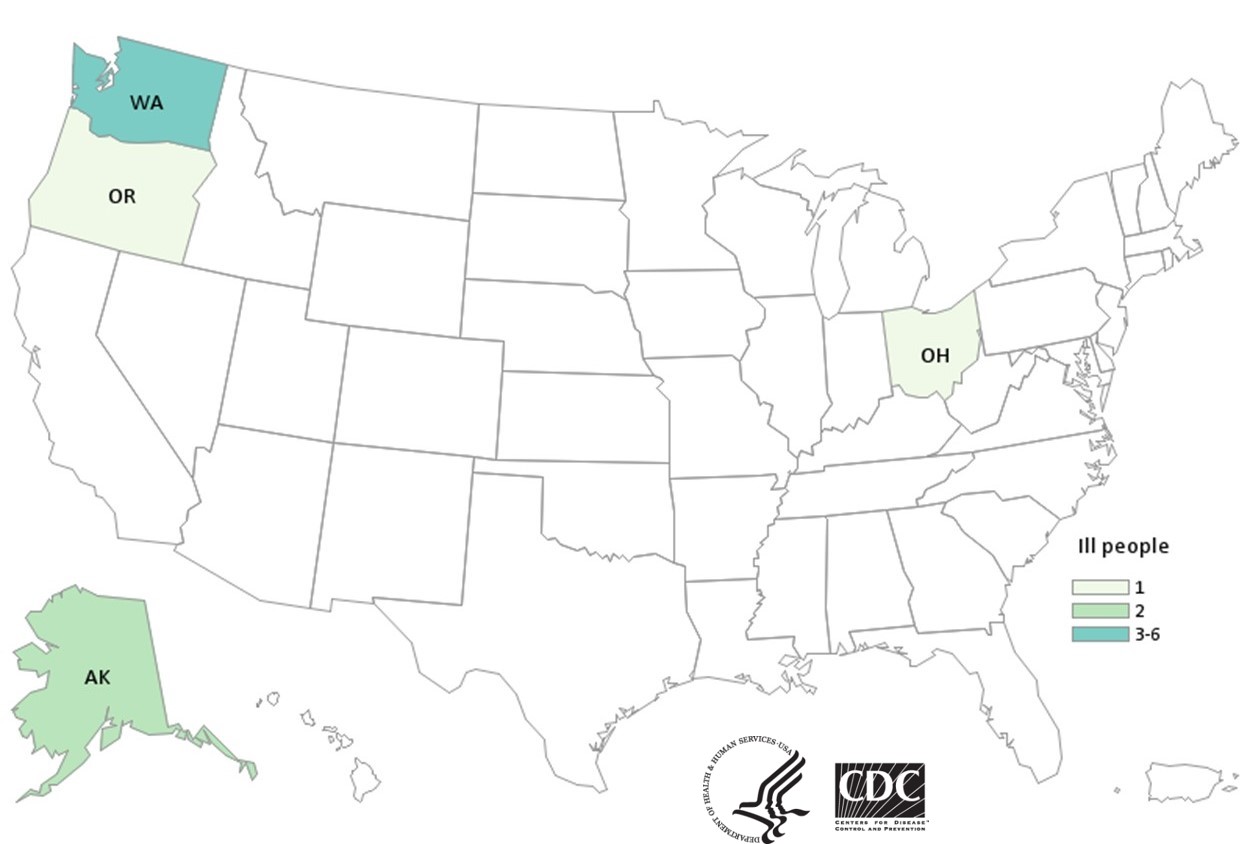
Case Count Map Provided by CDC

Outbreak Investigation of E. coli O157:H7: Packaged Salad - CDC Case Count Map (January 6, 2022)

Case Counts

Total Illnesses: 10
Hospitalizations: 4
Deaths: 0
Last Illness Onset: December 19, 2021
States with Cases: AK (2), OH (1), OR (1), WA (6)

USA – FDA Core Outbreak Table Update

FDA

The FDA CORE Outbreak Table has six active food poisoning investigations this week; all but one has been identified or solved. The Salmonella Javiana outbreak, which was announced on November 24, 2021, is still not identified, and the number of people sickened in that outbreak has increased to 64.

Date
Posted
Reference
#
Pathogen
Product(s)
Linked to
Illnesses

(if any)
12/29/

2021

1052 E. coli
O157:H7
Packaged Salad
12/20/

2021

1039 Listeria
monocytogenes
Packaged Salad
12/15/

2021

1048 Listeria
monocytogenes
Packaged Salad
11/24/

2021

1044 Salmonella Javiana Not Yet
Identified
11/17/

2021

1043 E. coli
O157:H7
Spinach
9/15/

2021

1031 Salmonella
Oranienburg
Red, Yellow,
and White Onion

USA – Hepatitis A outbreak linked to unnamed Italian restaurant in Montgomery County Pennsylvania – 8 cases with 1 death – Hepatitis A scare tied to Russellville Arkansas Wendy’s

Food Poison Journal

Food Safety News reports that State officials are reporting a hepatitis A outbreak among patrons of an unnamed Italian restaurant in Pennsylvania. One death is being investigated as part of the outbreak.

The Pennsylvania Department of Health and the Montgomery County Office of Public Health are investigating the outbreak in southeast Pennsylvania.

Health officials report that there are eight confirmed patients among Pennsylvania residents in Montgomery County. Of seven people with information available, six have been so sick they had to be admitted to hospitals.

Hepatitis A is a highly contagious, vaccine-preventable, liver infection caused by the hepatitis A virus ranging in severity from mild infection lasting a few weeks to severe disease lasting several months, according to the Centers for Disease Control and Prevention. 

The virus usually spreads when a person unknowingly ingests microscopic amounts of it from objects, food or drinks contaminated by an infected person.

France- Large drop but France still records more than 1,000 outbreaks in 2020

Food Safety News

23311_lores

The number of outbreaks fell by more than 40 percent in France in 2020, largely because of COVID-19 measures, according to new numbers from the French public health agency.

Overall, 1,010 outbreaks were declared in 2020 affecting 6,814 people. Of these, 396 went to hospitals and nine died. Officials are compiling outbreak numbers for 2021.

In 2020, outbreaks went down by 43 percent from 1,783 in 2019 when 15,641 people were sickened, according to Sante publique France.

The drop in outbreaks is greater for those linked to commercial and catering settings but can be seen, to a lesser extent, for domestic outbreaks. The decrease is more marked during times of lockdown because of the pandemic but can also be noted outside these periods when social distancing measures, working from home and closure of restaurants were in place.