Category Archives: Microbiology

USA/Canada – Mann Packing Co., Inc. Voluntarily Recalls Vegetable Products Sold in the United States and Canada Due to Potential Health Risks

FDA

Mann Packing Co., Inc. announced today the voluntary recall of a series of vegetable products sold to select retailers in the United States and Canada. The voluntary recall is a response to a notification by the Food and Drug Administration and the Canadian Food Inspection Agency of a potential contamination with Listeria monocytogenes. To date, public health officials have not reported any illness associated with these products.

Mann Packing is issuing this recall out of an abundance of caution. Listeria monocytogenes is an organism which can cause serious and sometimes fatal infections in young children, frail or elderly people, and others with weakened immune systems. Although healthy individuals may suffer only short-term symptoms such as high fever, severe headache, stiffness, nausea, abdominal pain and diarrhea, Listeria infection can cause miscarriages and stillbirths among pregnant women. Mann Packing will continue to work closely with the authorities to investigate the issue.

The recalled products have “Best If Enjoyed By” date of October 11, 2019 to November 16, 2019. The full list of products and all corresponding product images are available at https://mannpackingproductlist11-2019.usExternal Link Disclaimer and https://mannpackingproductlist11-2019.caExternal Link Disclaimer

Consumers who believe that they are in possession of any of the products affected by this recall should dispose of the product in an appropriate waste container.

For any inquiries or comments, all consumers are welcome to call the 24 hour customer service line at 1-844-927-0707 or email Mann Packing Co., Inc. at consumers@mannpacking.com

Canada – The Daily Recall Update for E.coli O157 in Beef and Veal Products!

CFIA

Recall details

Ottawa, November 4, 2019 – The food recall warning issued on October 30, 2019 has been updated to include additional product information. This additional information was identified during the Canadian Food Inspection Agency’s (CFIA) food safety investigation.

Industry is recalling various raw beef and raw veal products from the marketplace due to possible E. coli O157:H7 contamination.  Consumers should not consume and distributors, retailers and food service establishments such as hotels, restaurants, cafeterias, hospitals and nursing homes should not sell or use the recalled products described below.

The following products have been sold as indicated in the table below.

Ongoing investigation

See complete list of recalled products associated with this ongoing investigation.

Recalled products

Recalled products – Consumer

Brand Common Name Size UPC Codes on Product Additional Info / Distribution
None – Foody World Beef Shank Variable (Clerk Served) Starting with 0200030 All units sold from
June 12, 2019 up to and including
June 15, 2019
Sold at Foody World, 8 William Kitchen Rd A, Scarborough, ON
None – Foody World Beef Flank Steak Variable (Clerk Served) Starting with 0200022 All units sold from
June 12, 2019 up to and including
June 15, 2019
Sold at Foody World, 8 William Kitchen Rd A, Scarborough, ON

What you should do

If you think you became sick from consuming a recalled product, call your doctor.

Check to see if you have the recalled products in your home or establishment. Recalled products should be thrown out or returned to the location where they were purchased.

Food contaminated with E. coli O157:H7 may not look or smell spoiled but can still make you sick. Symptoms can include nausea, vomiting, mild to severe abdominal cramps and watery to bloody diarrhea. In severe cases of illness, some people may have seizures or strokes, need blood transfusions and kidney dialysis or live with permanent kidney damage. In severe cases of illness, people may die.

Background

This recall was triggered by the CFIA’s inspection activities. The CFIA is conducting a food safety investigation, which may lead to the recall of other products. If other high-risk products are recalled, the CFIA will notify the public through updated Food Recall Warnings.

The CFIA is verifying that industry is removing the recalled products from the marketplace.

Illnesses

There have been no reported illnesses associated with the consumption of these products.

Related recalls

2019-10-30 – Various raw beef and raw veal products recalled due to E. coli O157:H7

2019-10-29 – Various raw beef and raw veal products recalled due to E. coli O157:H7

2019-10-28 – Various raw beef and raw veal products recalled due to E. coli O157:H7

2019-10-25 – Various raw beef and raw veal products recalled due to E. coli O157:H7

2019-10-24 – Various raw beef and raw veal products recalled due to E. coli O157:H7

2019-10-23 – Various raw beef and raw veal products recalled due to E. coli O157:H7

2019-10-22 – Various raw beef and raw veal products recalled due to E. coli O157:H7

2019-10-21 – Various raw beef and raw veal products recalled due to E. coli O157:H7

2019-10-19 – Various raw beef and raw veal products recalled due to E. coli O157:H7

2019-10-18 – Various raw beef and raw veal products recalled due to E. coli O157:H7

2019-10-17 – Various raw beef and raw veal products recalled due to E. coli O157:H7

2019-10-16 – Various raw beef and raw veal products recalled due to E. coli O157:H7

2019-10-15 – Various raw beef and raw veal products recalled due to E. coli O157:H7

2019-10-12 – Various raw beef and raw veal products recalled due to E. coli O157:H7

2019-10-11 – Various raw beef and raw veal products recalled due to E. coli O157:H7

2019-10-10 – Various raw beef and raw veal products recalled due to E. coli O157:H7

2019-10-09 – Various raw beef and raw veal products recalled due to E. coli O157:H7

2019-10-08 – Ryding-Regency Meat Packers Ltd. brand raw beef products recalled due to E. coli O157:H7

2019-10-07 – Various raw beef and raw veal products recalled due to E. coli O157:H7

2019-10-06 – The Beef Boutique Ltd. brand raw beef products recalled due to E. coli O157:H7

2019-10-04 – Ryding-Regency Meat Packers Ltd. brand raw beef products recalled due to E. coli O157:H7

2019-10-03 – Ryding-Regency Meat Packers Ltd. brand raw beef products recalled due to E. coli O157:H7

Ireland -Zorba Delicacies Recalls All Batches of Their Houmous Products Due to the Possible Presence of Salmonella

FSAI

Summary
Category 2: For Information
Alert Notification: 2019.44 (Update 5)
Product:  Please refer to the table below for all implicated products.
Batch Code: All ‘use-by’ dates up to 18th November 2019.
Country Of Origin: United Kingdom

Message:

Further to FSAI food alert 2019.44 and updates thereof, Zorba Delicacies Ltd has recalled all its houmous products due to detection of Salmonella in an ingredient. All the implicated products sold in Ireland are listed in the table below.  All batches with ‘use-by’ dates up to 18th November 2019 are subject to recall. Point-of-sale notices are displayed in affected stores advising customers not to consume the implicated products.

Houmous table U5
Humous U5 1
Houmous U5 2
Houmous U5 3

USA – East Texas State Fair Linked to Legionnaires’ Outbreak

Outbreak News Today

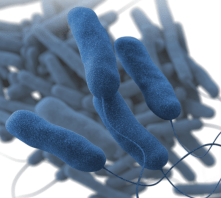
CDC legionella

Image CDC


12 people may have developed Legionnaires’ disease in the East Texas State Fair Legionnaires Outbreak.  The Northeast Texas Public Health District alerts the public in East Texas that:

Anyone who attended the East Texas State Fair in Tyler during September 2019 and is sick due to symptoms of Legionnaires’ disease is urged to discuss Legionnaires’ disease with your health care provider immediately.

Public health investigators are working to identify how the outbreak happened.  7 confirmed cases of Legionnaires Disease and 5 possible cases have been linked to the East Texas State Fair, which was help on September 20th – September 29th.

The Tyler Morning Telegraph reports that, “state health investigators have determined that all who are sick attended the East Texas State Fair that took place Sept. 20-29 in Tyler. If exposed to the disease, attendees already would have exhibited symptoms.”

Iceland – Iceland reports increase in Norovirus

Outbreak News Today

Norwalk_Caspid

Image CDC

Health officials in Iceland are reporting an increase in norovirus infections in recent weeks. Local media report (computer translated) a large number of residents at the retirement home Hrafnista in Hafnarfjörður have been diagnosed with the virus and last week the infant play school Ársól in Grafarvogur was closed due to infection.

In addition, dozens of employees at the accounting firm, KPMG were stricken with the virus and everyone recovered.

Research – Assessing the Efficacy of Sodium Bisulfate and Organic Acid Treatments for Control of Salmonella Typhimurium in Rendered Chicken Fat Applied to Pet Foods

Journal of Food Protection

ABSTRACT

This study was conducted to evaluate the effects of sodium bisulfate (SBS), lactic acid (LA), phosphoric acid (PA), and combinations of organic acids with SBS on Salmonella in rendered chicken fat and in water. The MICs of the antimicrobials individually and in combination were determined. Efficacies of the antimicrobials against Salmonella were tested in both media. The MICs of SBS, LA, and PA were 0.5, 0.5, and 0.25%, respectively. At the given concentrations in the water phase, 0.5% SBS was more effective (P < 0.05; 2.7-log reduction) than LA and PA at 0 h. SBS and LA were more effective (P < 0.05) than PA with >4-log reductions at 2 h and complete kill at 6 h. After 24 h, each of the chemicals completely eliminated the Salmonella. However, because of low recovery in the fat phase, Salmonella was not detected after 12 h and all three chemicals effectively reduced (P < 0.05) Salmonella at 6 h compared with the control. When combinations were used in the water phase, SBS plus butyric acid decreased (P < 0.05) Salmonella by >5.5 log CFU/mL after 12 h. The SBS+LA combinations were effective (P < 0.05) after 2 h. The combinations of SBS+PA resulted in ∼3.5-log reductions in Salmonella (P < 0.05) after 6 h. In the fat phase, except for the SBS+PA combination, Salmonella reduction was not different from that for the positive control. When SBS was combined with organic acids, Salmonella inhibition was achieved at a lower SBS concentration, indicating a possibly synergistic effect of these chemicals. These results suggest that inclusion of SBS or LA at 0.5% individually or a combination of SBS with organic acids could reduce Salmonella in rendered chicken fat contaminated by residual water encountered during storage and transport.

Research – Survey of Intact and Nonintact Raw Pork Collected at Retail Stores in the Mid-Atlantic Region of the United States for the Seven Regulated Serogroups of Shiga Toxin–Producing Escherichia coli

Journal of Food Protection

ABSTRACT

A total of 514 raw pork samples (395 ground or nonintact and 119 intact samples) were purchased at retail stores in Pennsylvania, Delaware, and New Jersey between July and December 2017. All raw pork samples were screened for serogroup O26, O45, O103, O111, O121, O145, or O157:H7 cells of Shiga toxin–producing Escherichia coli (STEC-7) using standard microbiological and molecular methods. In short, 21 (5.3%) of the 395 ground or nonintact pork samples and 3 (3.4%) of the 119 intact pork samples tested positive via the BAX system real-time PCR assay for the stx and eae virulence genes and for the somatic O antigens for at least one of the STEC-7 serogroups. However, none of these 24 presumptive-positive pork samples subsequently yielded a viable isolate of STEC displaying a STEC-7 serogroup-specific surface antigen in combination with the stx and eae genes. These data suggest that cells of STEC serogroups O26, O45, O103, O111, O121, O145, or O157:H7 are not common in retail raw pork samples in the mid-Atlantic region of the United States.

HIGHLIGHTS
  • None of the 514 retail raw pork samples were positive for STEC-7.

  • Four of 514 raw pork samples harbored E. coli of unknown serogroup containing stx and eae.

  • STEC-7 are uncommon in retail raw pork samples in the U.S. mid-Atlantic region.


Research – A Novel Aqueous Ozone Treatment as a Spray Chill Intervention against Escherichia coli O157:H7 on Surfaces of Fresh Beef

Journal of Food Protection

ABSTRACT

This experiment determined the efficacy of using a novel aqueous ozone treatment as a spray chill intervention to reduce Escherichia coli O157:H7 on surfaces of fresh beef compared with traditional water spray chill. Cutaneous trunci muscles were obtained from a local beef cattle processing plant. Muscles were divided into sixteen 25-cm2 sections, and each section was individually inoculated with E. coli O157:H7 to the final concentration of approximately 105 CFU/cm2. Muscle sections were collected and tested before and after simulated spray chill treatments of water or the novel aqueous ozone solution. Enumeration of survivors of each treatment was compared with that of the untreated muscle sections. Water spray chill reduced (P ≤ 0.05) E. coli O157:H7 0.60 log, whereas the aqueous ozone spray chill reduction (P ≤ 0.05) was 1.46 log on surfaces of fresh beef. Aqueous ozone spray chill reduced (P ≤ 0.05) aerobic bacteria 0.99 log, but water spray chill did not significantly (P > 0.05) reduce aerobic bacteria on surfaces of fresh beef. The findings indicate that aqueous ozone can be used as a spray chill intervention to enhance the safety of beef.

HIGHLIGHTS
  • Aqueous ozone spray chill could be an effective antimicrobial intervention.

  • Nanobubble technology may enhance the efficacy of ozone application.

  • These results need to be validated under commercial conditions.

Research – Evaluating a Combined Method of UV and Washing for Sanitizing Blueberries, Tomatoes, Strawberries, Baby Spinach, and Lettuce

Journal of Food Protection

ABSTRACT

We assessed a fresh produce decontamination system using a combined method of UV and washing (water-assisted UV [WUV]) in different scales. The system used tap water to wash fresh produce while exposing it to UV light. First, the reduction of Salmonella in tap water under UV treatment (1 to 1,740 mJ/cm2) was determined. Increasing the UV dose significantly (P < 0.05) increased the Salmonella reduction in wash water, and UV intensity of more than 2 mW/cm2 could reduce Salmonella in tap water to below 1 CFU/mL given enough processing time (more than 1 min; UV dose of 120 mJ/cm2). Then, the decontamination effectiveness of a small WUV system was tested on blueberries (50 g). Blueberries were spot or dip inoculated with a Salmonella cocktail and treated by the small WUV system (200 mL of water). In general, WUV treatments achieved significantly better Salmonella inactivation than tap water wash; tap water wash (10 min) and 2 mW/cm2 WUV treatment (with a UV dose of 1,200 mJ/cm2) reduced populations of spot-inoculated Salmonella on blueberries by 2.44 and 5.45 log, respectively. Compared with spot-inoculated Salmonella on blueberries, dip-inoculated Salmonella was more difficult to be inactivated by WUV treatments. Then, the decontamination effectiveness of WUV treatments was tested on blueberries (170 g), tomatoes (290 g), strawberries (170 g), baby spinach (60 g), and lettuce (60 g) using a larger WUV system. In general, 10 min of 29 mW/cm2 WUV treatment (a high UV dose of 17,400 mJ/cm2) resulted in significantly better Salmonella inactivation than tap water wash (for 10 min) regardless the inoculation method, agreeing with the results of the small-scale study. For both spot- and dip-inoculated lettuce, no significant difference (P > 0.05) in Salmonella inactivation by WUV treatments was observed when the quantity of lettuce increased from 50 to 100 g.

HIGHLIGHTS
  • Water-assisted UV showed ≤3 log more Salmonella inactivation than tap water wash.

  • Water-assisted UV showed the highest Salmonella reduction on blueberries and tomatoes.

  • More spot-inoculated Salmonella was killed than dip-inoculated Salmonella by up to 3 log.

  • Water-assisted UV of 17.4 J/cm2 could reduce Salmonella in water to less than 1 CFU/mL.

Research -Efficacy of Surfactant Combined with Peracetic Acid in Removing Listeria innocua from Fresh Apples

Journal of Food Protection

ABSTRACT

Large amounts of water used in the apple packing process, the presence of organic matter, and difficult-to-clean equipment are vectors for contaminating apples with foodborne pathogens, such as Listeria monocytogenes. There is a need to develop new cleaning methods for fresh apples and evaluate their antimicrobial efficacy. A series of surfactants of different chemical properties (cationic lauric arginate [LAE], anionic sodium dodecyl sulfate [SDS], and nonionic Tween 20 [T20]) alone and combined with peracetic acid (PAA) were evaluated for their efficiency in the removal of L. innocua, a surrogate of L. monocytogenes, from fresh apples. Whole fresh apples were inoculated with L. innocua (7 log CFU/mL) by a dipping method, dried, and subjected to wash treatments with selected cleaning solutions (water, PAA, PAA-LAE, PAA-SDS, and PAA-T20). The contact angle between the cleaning solutions and the surface of the apples was measured. The antimicrobial activity of the cleaning solutions and the efficacy of the cleaning treatment were evaluated by enumeration of L. innocua from treated apples and visualized by scanning electron microscopy. Stem bowl and calyx cavities of the apple harbored higher bacteria concentrations (∼4.82 log CFU per apple), compared with the equatorial section (∼2.66 log CFU per apple). Addition of 0.1% of selected surfactants led to a significant decrease in surface tension of cleaning solutions and allowed better spreading on the apple surface. Surfactants combined with PAA solution resulted in higher L. innocua reduction compared with PAA alone; however, their efficacy was limited. The most effective cleaning solution was PAA-T20, with reduction of approximately 2.2 log. Scanning electron microscopy imaging confirmed that most bacteria were harbored inside the surface irregularities. PAA alone and with surfactants caused damage and deformation of bacteria cells. Cleaning apples with PAA combined with surfactants may improve microbial safety in whole apples; however, the efficiency of the decontamination treatment can be reduced because of variations in apple morphology.

HIGHLIGHTS
  • Combining surfactants with PAA decreased the population of L. innocua on apples.

  • Treating apples with PAA-T20 reduced the load of L. innocua by 2.2 log.

  • Stem bowl and calyx cavity are difficult-to-reach areas during the cleaning operation.

  • Cleaning treatments were not effective in removing all L. innocua from apples.