Singapore has developed a new set of voluntary food safety guidelines for businesses across the food e-commerce supply chain.
KSWFoodWorld

Singapore has developed a new set of voluntary food safety guidelines for businesses across the food e-commerce supply chain.
Public Health Wales (PHW) has confirmed a food poisoning outbreak believed to have been caused by the shigella bacteria. The infection can cause diarrhoea, a fever, and stomach cramps.
The infection, called shigellosis, is not life-threatening but can result in hospitalisation. Symptoms typically begin one to two days after being infected by the virus and can last up to seven days.
The outbreak in Abergavenny is said to be linked to a restaurant in the town, Wales Online reports. One person claims their family and friends have been put through “horrendous sickness” as a result of contracting shigella on February 12.
Posted in food bourne outbreak, Food Illness, Food Micro Blog, Food Microbiology, Food Microbiology Blog, Food Microbiology Testing, Food Poisoning, Foodborne Illness, foodborne outbreak, foodbourne outbreak, Illness, microbial contamination, Microbial growth, Microbiological Risk Assessment, Microbiology, Microbiology Investigations, Microbiology Risk, outbreak, Shigella, Shigella flexneri, Shigella Sonnei
New Zealand Food Safety today issued a public health warning advising the public not to collect or consume shellfish harvested from the entire Firth of Thames area up to a line from Raukura Point across to Deadmans Point.
Routine tests on shellfish samples taken from this region have shown levels of Paralytic Shellfish Poisoning (PSP) toxins above the safe limit of 0.8 mg/kg set by New Zealand Food Safety. Anyone eating shellfish from this area is potentially at risk of illness.
Mussels, oysters, tuatua, pipi, toheroa, cockles, scallops, catseyes, kina (sea urchin) and all other bivalve shellfish should not be eaten.
Note: cooking shellfish does not remove the toxin.
Pāua, crab and crayfish may still be eaten if the gut has been completely removed prior to cooking, as toxins accumulate in the gut. If the gut is not removed its contents could contaminate the meat during the cooking process.
Symptoms typically appear between 10 minutes and 3 hours after ingestion and may include:
If anyone becomes ill after eating shellfish from an area where a public health warning has been issued, phone Healthline for advice on 0800 61 11 16, or seek medical attention immediately. You are also advised to contact your nearest public health unit and keep any leftover shellfish in case it can be tested.
Monitoring of toxin levels will continue and any changes will be communicated accordingly. Commercially harvested shellfish – sold in shops and supermarkets, or exported – is subject to strict water and flesh monitoring programmes by MPI to ensure they are safe to eat.
Posted in Algal Toxin, Food Microbiology, Food Microbiology Blog, Food Microbiology Testing, Food Safety Alert, microbial contamination, Microbial growth, Microbiological Risk Assessment, Microbiology, Microbiology Investigations, Microbiology Risk, paralytic shellfish poisoning, PSP, Shellfish, shellfish toxin
Shirdi: A fun day for the school kids who had gone to Shirdi on a picnic trip turned tragic after at least 100 children had to be admitted to a hospital after they showed symptoms of food poisoning.
Posted in Food Illness, Food Micro Blog, Food Microbiology, Food Microbiology Blog, Food Microbiology Research, Food Microbiology Testing, Food Poisoning, Foodborne Illness, Illness, microbial contamination, Microbial growth, Microbiological Risk Assessment, Microbiology, Microbiology Investigations, Poisoning
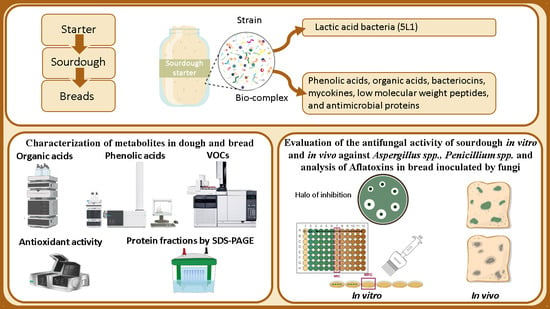
Posted in antifungal, Decontamination Microbial, Food Micro Blog, Food Microbiology, Food Microbiology Blog, Food Microbiology Research, Food Microbiology Testing, fungi, LAB, lactic acid bacteria, Lactobacillus, Lactobacillus plantarum, microbial contamination, Microbial growth, Microbiological Risk Assessment, Microbiology, Microbiology Investigations, Microbiology Risk
Abstract
Ocimum gratissimum essential oil (EOGT) has been evaluated for its antibacterial efficacy, and its combinational therapy with antibiotics may enhance the therapeutic efficiency against infection-causing bacteria. Herein, we evaluated the chemical composition of EOGT and its antibiotic efficacy against Staphylococcus aureus and Pseudomonas aeruginosa. GC-MS and GC-FID analyzed EOGT. The antibiotic efficacy was determined by the agar diffusion method, microdilution, minimum inhibitory concentration (MIC), and fractional inhibitory concentration index (FICI). Eugenol (74.2%) was the main component of OGT. Using the agar diffusion method, the action of rifampicin, ciprofloxacin, and tetracycline was evaluated against S. aureus, while the action of cefepime and ciprofloxacin was evaluated against P. aeruginosa. FICI showed a reduced MIC of ciprofloxacin and tetracycline associated with EOGT. In the presence of EOGT, MIC of ciprofloxacin reduced from 0.6 to 0.0006 μg/mL and of tetracycline decreased from 0.028 to 0.0018 μg/mL against S. aureus and from 4 to 0.12 μg/mL against P. aeruginosa. EOGT enhanced the antibacterial efficacy of the antibiotics suggesting a synergistic effect, thereby enhancing the efficacy in treating infection against S. aureus and P. aeruginosa.
Posted in Antimicrobials, Food Micro Blog, Food Microbiology, Food Microbiology Blog, Food Microbiology Research, Food Microbiology Testing, microbial contamination, Microbial growth, Microbiological Risk Assessment, Microbiology, Microbiology Investigations, Microbiology Risk, Pseudomonas aeruginosa, Staphylococcus aureus
Posted in Aspergillus Toxin, Decontamination Microbial, Food Micro Blog, Food Microbiology, Food Microbiology Blog, Food Microbiology Research, Food Microbiology Testing, Food Toxin, HACCP, microbial contamination, Microbial growth, Microbiological Risk Assessment, Microbiology, Microbiology Investigations, Microbiology Risk, Mold Toxin, Mould Toxin, Mycotoxin
Posted in Decontamination Microbial, Food Micro Blog, Food Microbiology, Food Microbiology Blog, Food Microbiology Research, Food Microbiology Testing, Food Pathogen, Listeria, Listeria monocytogenes, microbial contamination, Microbial growth, Microbiological Risk Assessment, Microbiology, Microbiology Investigations, Microbiology Risk, Pathogen, pathogenic
Posted in Bacteriophage, Decontamination Microbial, Food Micro Blog, Food Microbiology, Food Microbiology Blog, Food Microbiology Research, Food Microbiology Testing, microbial contamination, Microbial growth, Microbiological Risk Assessment, Microbiology, Microbiology Investigations, Microbiology Risk, Phage, Salmonella
Posted in Antibiotic Resistance, Decontamination Microbial, Food Micro Blog, Food Microbiology, Food Microbiology Blog, Food Microbiology Research, Food Microbiology Testing, Listeria monocytogenes, microbial contamination, Microbial growth, Microbiological Risk Assessment, Microbiology, Microbiology Investigations, Microbiology Risk

 FoodWorld