Category Archives: Microbiological Risk Assessment

Research – Results of routine inspections in restaurants and institutional catering establishments associated with foodborne outbreaks in Finland

Tandfonline

Official food control is intended to ensure food safety in the food business. In Finland, inspections of food service are performed using a 4-point risk-based grading system. This study compared routine inspection results of outbreak and non-outbreak establishments in restaurants and institutional catering to investigate whether certain inspection results were associated with the occurrence of foodborne outbreaks. Also a more specific sample of outbreak establishments was defined using strength of evidence registered for each outbreak. Grade distributions of specific inspected items were compared separately. No significant differences were seen in restaurants but in institutional catering significantly poorer inspection results (p < 0.05) were detected in items concerning the order and cleanliness of facilities, surfaces and equipment in outbreak establishments. Effective correction of non-compliances in cleanliness of the food handling environment and equipment and constant maintenance of a favourable situation is essential in ensuring a high level of consumer safety in food service.
Switzerland – Swiss checks show Listeria controls could be better

Food Safety News

An assessment of Listeria controls at food companies in Switzerland has shown room for improvement, according to the Swiss Association of Cantonal Chemists (ACCS).

As part of a nationwide inspection, more than 100 food businesses were checked to see whether they were meeting their legal obligations. This led to three companies being reported to the authorities due to identified problems.

Raw and ready-to-eat (RTE) foods such as dairy products, cold meats, smoked fish or RTE salads are most frequently contaminated with Listeria.

Food companies must take steps to ensure that items sold are safe and do not pose a health risk. This can include laboratory testing of products and sampling of the production environment.

Research – A bacteriological survey of fresh minced beef on sale at retail outlets in Scotland in 2019: three food-borne pathogens, hygiene process indicators and phenotypic antimicrobial resistance.

Journal of Food Protection

The health and economic burden of foodborne illness is high, with approximately 2.4 million cases occurring annually in the United Kingdom. A survey to understand the baseline microbial quality and prevalence of food-related hazards of fresh beef mince on retail sale could inform risk assessment, management and communication to ensure the safety of this commodity. In such a survey, a two-stage sampling design was used to reflect variations in population density and the market share of five categories of retail outlets in Scotland.  From January to December 2019, 1009 fresh minced beef samples were collected from 15 Geographic Areas. The microbial quality of each sample was assessed using Aerobic Colony Count (ACC) and generic E. coli count. Samples were cultured for Campylobacter and Salmonella and PCR was used to detect target genes (stx1 all variants, stx2 a-g, and rfbO157) for Shiga toxin-producing Escherichia coli (STEC). The presence of viable E. coli O157 and STEC in samples with a positive PCR signal was confirmed via culture and isolation. Phenotypic antimicrobial sensitivity patterns of cultured pathogens and 100 generic E. coli isolates were determined, mostly via disc diffusion. The median ACC and generic E. coli counts were 6.4 x 10⁵ (Inter-quartile range (IQR):6.9 x 10⁴ to 9.6 x 10⁶) and <10 cfu per gram (IQR:<10 to 10) of minced beef respectively. The prevalence was 0.1% (95% confidence interval C.I. 0 to 0.7%) for Campylobacter, 0.3% (95% C.I. 0 to 1%) for Salmonella, 22% (95% C.I. 20% to 25%) for PCR positive STEC and 4% (95% C.I. 2 to 5%) for culture positive STEC. The evidence for phenotypic antimicrobial resistance (AMR) detected did not give cause for concern, mainly occurring in a few generic E. coli isolates as single non-susceptibilities to first-line active substances. The low prevalence of pathogens and phenotypic AMR is encouraging but ongoing consumer food-safety education is necessary to mitigate the residual public health risk.

Russia – Food poisoning outbreak linked to sushi rolls sickens 38 in Samara

Outbreak News Today

Russia: Food poisoning outbreak linked to sushi rolls sickens 38 in Samara

The number of people poisoned by rolls in the Samara region has grown to 38 people, according to Russian media. 

25 people were hospitalized in the Togliatti City Clinical Hospital No. 5 , including four children. The rest are being treated on an outpatient basis.

All patients were diagnosed with signs of food poisoning. Investigators examined the food point, identified food suppliers, and also interrogated the director of the restaurant, the investigative department said.

The mass poisoning became known on June 6 . Initially, it was reported that 22 people turned to doctors for help. According to a 63.RU source familiar with the situation, they all ordered rolls from the Kusai delivery service located in the Central District of Tolyatti. The power point has been suspended . Employees of Rospotrebnadzor, prosecutors and investigators were involved in the proceedings.

Canada – Two dead in Listeria outbreak at Ottawa retirement home

Ottawa Citizen

Two residents of a west-end Ottawa retirement home are dead after a Listeria outbreak, the source of which has not been identified.

Catherine Clausi, a spokesperson for the home on Meadowlands Drive, said it has worked with Ottawa Public Health and the regional infection prevention and control team to determine the source of listeria, but has been unable to do so.

“Despite a month of investigating the outbreak with Ottawa Public Health, no known source was identified,” she said.

She added that the home purchases all of its food “through reliable suppliers and requires staff to follow all food storage and handling procedures.

USA – New E. coli O157:H7 Outbreak Added to FDA CORE Investigation Table

Food Poisoning Bulletin

A new E. coli O157:H7 outbreak has been added to the FDA’s CORE Outbreak Investigation Table. At least 10 people are sick. We do not know the states where the ill persons live, their age range, illness onset dates, or if anyone has been hospitalized. Traceback has been initiated, but no recall has been issued, there has been no on-site inspection or sample collection, and no analysis of any product has started. This new E. coli O157:H7 outbreak is probably associated with an FDA-regulated food.

USA – FDA Core Outbreak Tabel Update

FDA

Date
Posted
Ref Pathogen
Product Total
Case Count

Status
6/8/

2022

1068 E. coli
O157:H7
Not Yet Identified 10 Active
6/1/

2022

1066 Hepatitis A Virus Strawberries See Outbreak
Advisory
Active
5/25/

2022

1067 Salmonella 
Senftenberg
Peanut Butter See Outbreak Advisory Active
4/20/

2022

1064 Not Yet
Identified
Dry Cereal 558 adverse
event reports
Active
4/13/

2022

1057 Listeria
monocytogenes
Not Yet
Identified
21 Active
3/30/

2022

1060 Not Yet
Identified
Meal Replacement
Drink
6 adverse
event reports
Closed
3/16/

2022

1055 Salmonella
Saintpaul
Not Identified 60 Closed
2/17/

2022

1056 Cronobacter
sakazakii
Powdered
Infant
Formula
See
Advisory
Active (IMG)
2/9/

2022

1040 Listeria
monocytogenes
Not Identified 20 Closed
2/2/

2022

1054 Enteroinvasive
E. coli
O143:H26
Not
Identified
16 Closed
1/10/

2022

1050 E. coli
O121:H19
Romaine 4 Closed

Quebec – Notice not to consume mixed mangoes, packaged in glass jars and sold by the company TNT Palace – Food Safety

Quebec

Mango mix (CNW Group/Ministry of Agriculture, Fisheries and Food)

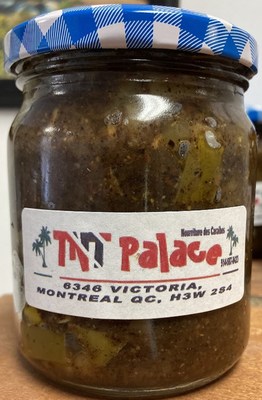
The Ministry of Agriculture, Fisheries and Food (MAPAQ), in collaboration with the Food Inspection Division of the City of Montreal and the company TNT Palace, located at 6346 Victoria Avenue , Montreal, is warning the public not to consume the product listed in the table below because it has not been packaged in a way to ensure its safety.

Product name     

Format  

Affected batch

 Mix of mangoes      

Unity  

Units sold until
June 9, 2022

The product that is the subject of this warning was offered for sale until June 9, 2022 at the establishment named above. The product was packaged in glass jars with blue and white lids and sold at room temperature. The product label bears the words ‘TNT Palace’ and ‘Caribbean Food’.

The operator is voluntarily recalling the product in question. It has agreed with MAPAQ and the Food Inspection Division of the City of Montreal to distribute this warning as a precautionary measure. In addition, people who have this product in their possession are advised not to consume it. They must return it to the establishment where they bought it or throw it away. Even if the affected product shows no signs of tampering or suspicious odors, its consumption may represent a health risk. It should be noted that no case of illness associated with the consumption of this food has been reported to MAPAQ to date.

Quebec – Notice not to consume all-purpose marinade, packaged in glass jars and sold by Marché Afriquebi – food safety concern

Quebec

All Purpose Marinade (CNW Group/Ministry of Agriculture, Fisheries and Food)

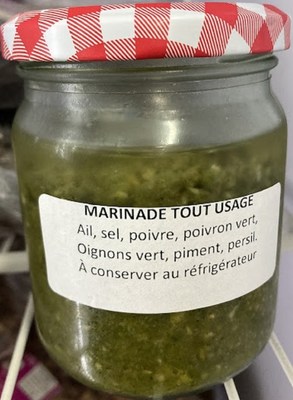
The Ministry of Agriculture, Fisheries and Food (MAPAQ), in collaboration with the Food Inspection Division of the City of Montreal and the company Marché Afriquebi, located at 6871, avenue Victoria , in Montreal, advises the public not to consume the product indicated in the table below, because it has not been prepared and packaged in such a way as to ensure its safety.

Product name   

Format  

Affected batch

“ALL PURPOSE MARINADE”   

Unity  

Units sold until
June 8, 2022

The product that is the subject of this warning was offered for sale until June 8, 2022 at the establishment designated above and in certain establishments in the Montreal area. The product was packaged in glass jars with a red and white lid, and sold refrigerated. The product label includes, in addition to its name, the list of ingredients.

The operator is voluntarily recalling the products in question. It has agreed with MAPAQ and the Food Inspection Division of the City of Montreal to distribute this warning as a precautionary measure. In addition, people who have this product in their possession are advised not to consume it. They must return it to the establishment where they bought it or throw it away. Even if the affected product shows no signs of tampering or suspicious odors, its consumption may represent a health risk. It should be noted that no case of illness associated with the consumption of this food has been reported to MAPAQ to date.

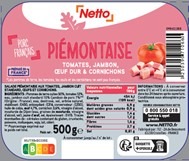
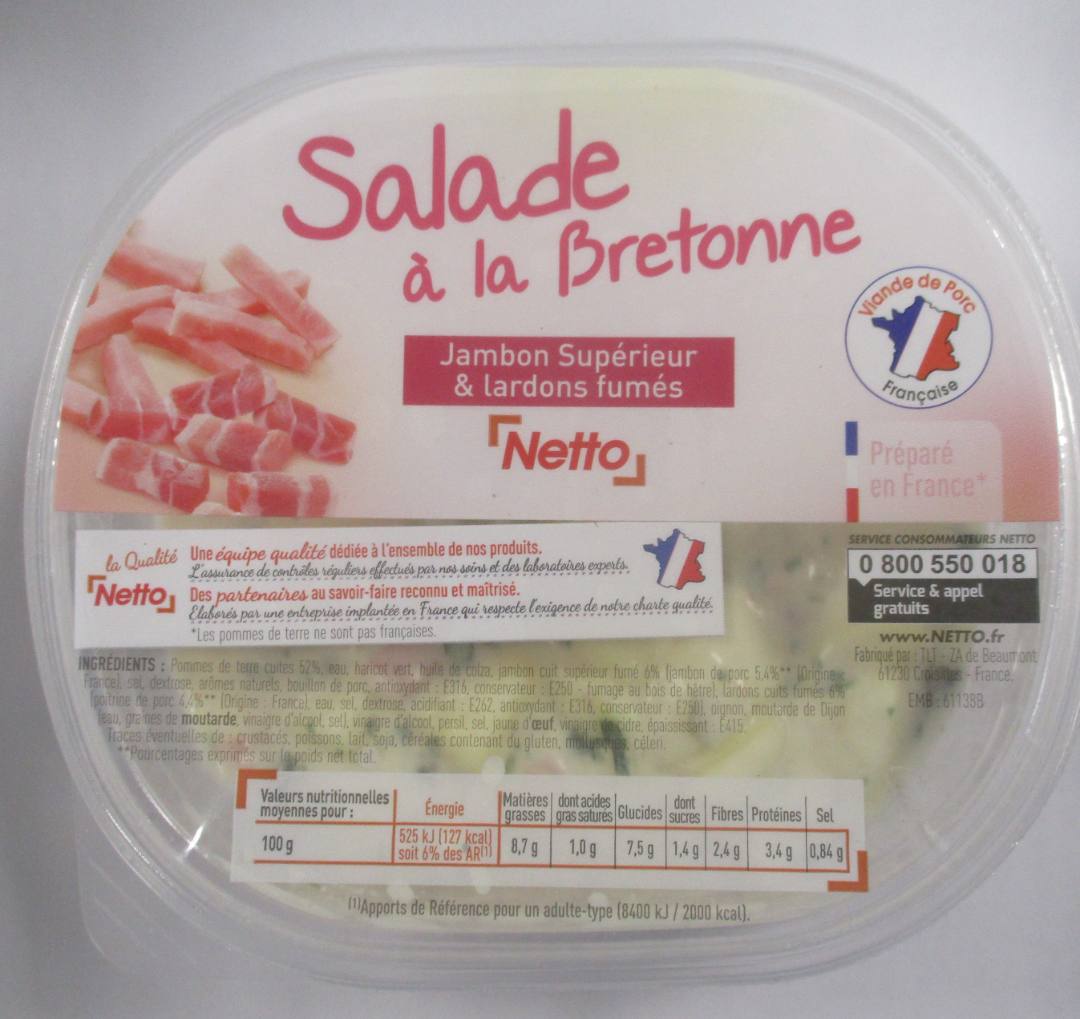
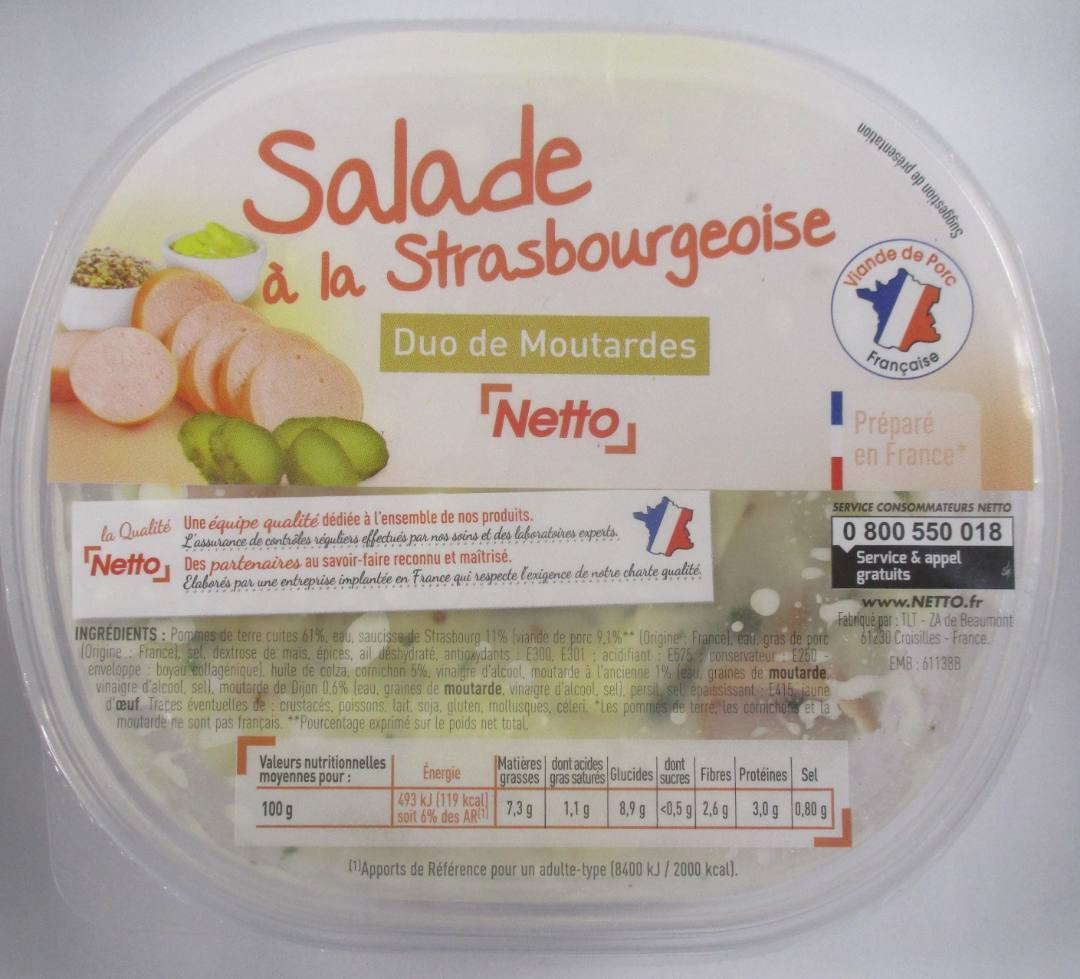
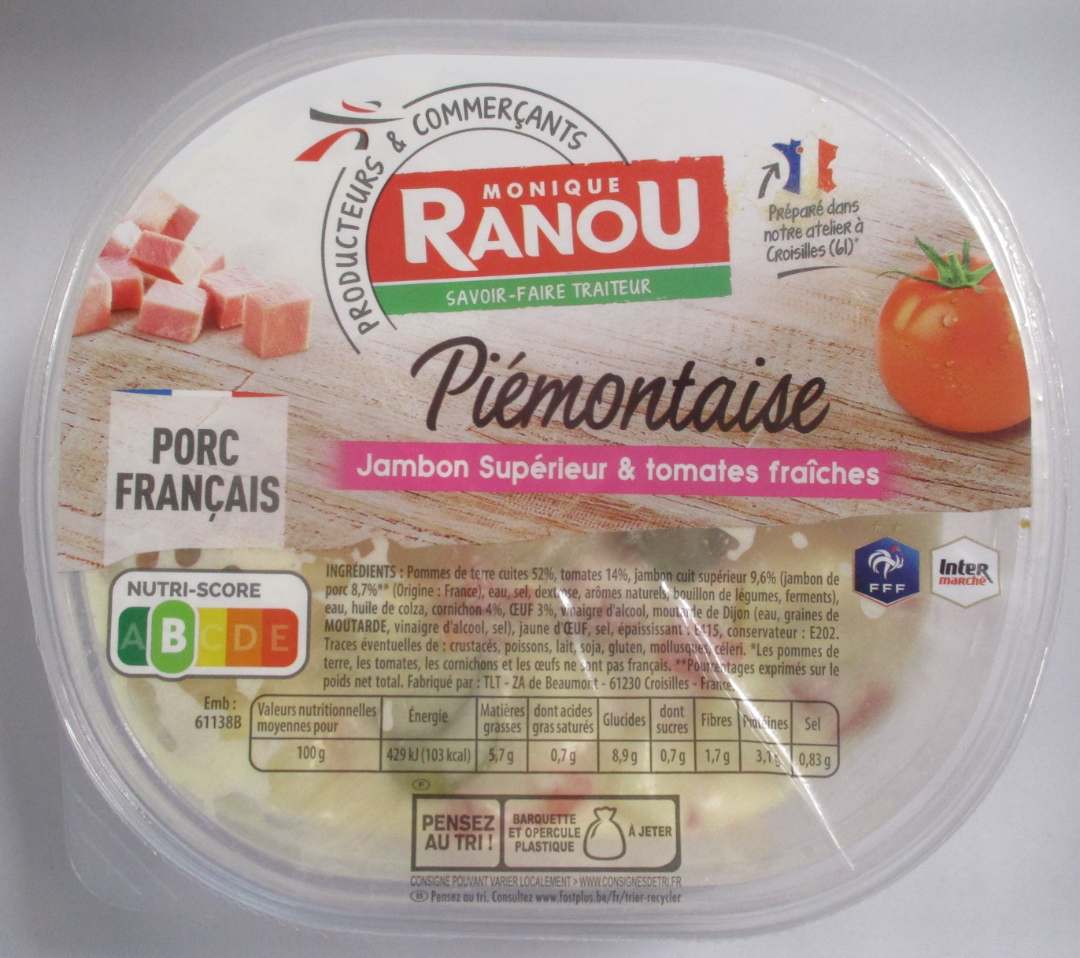
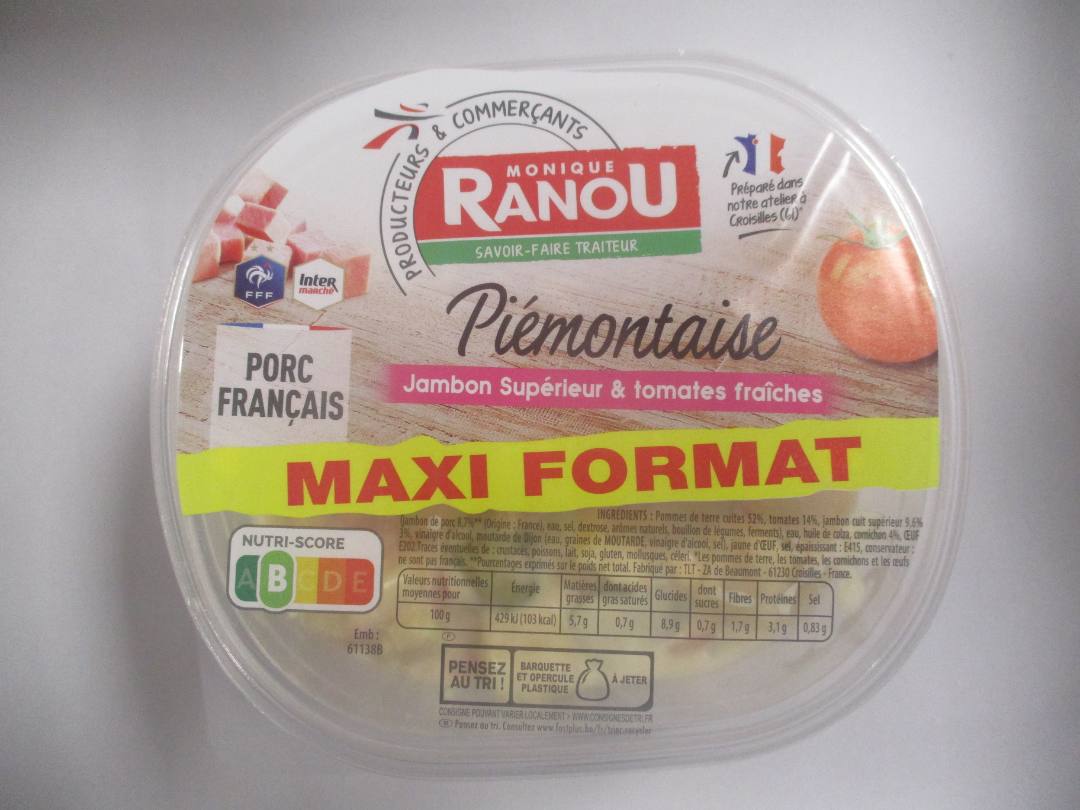
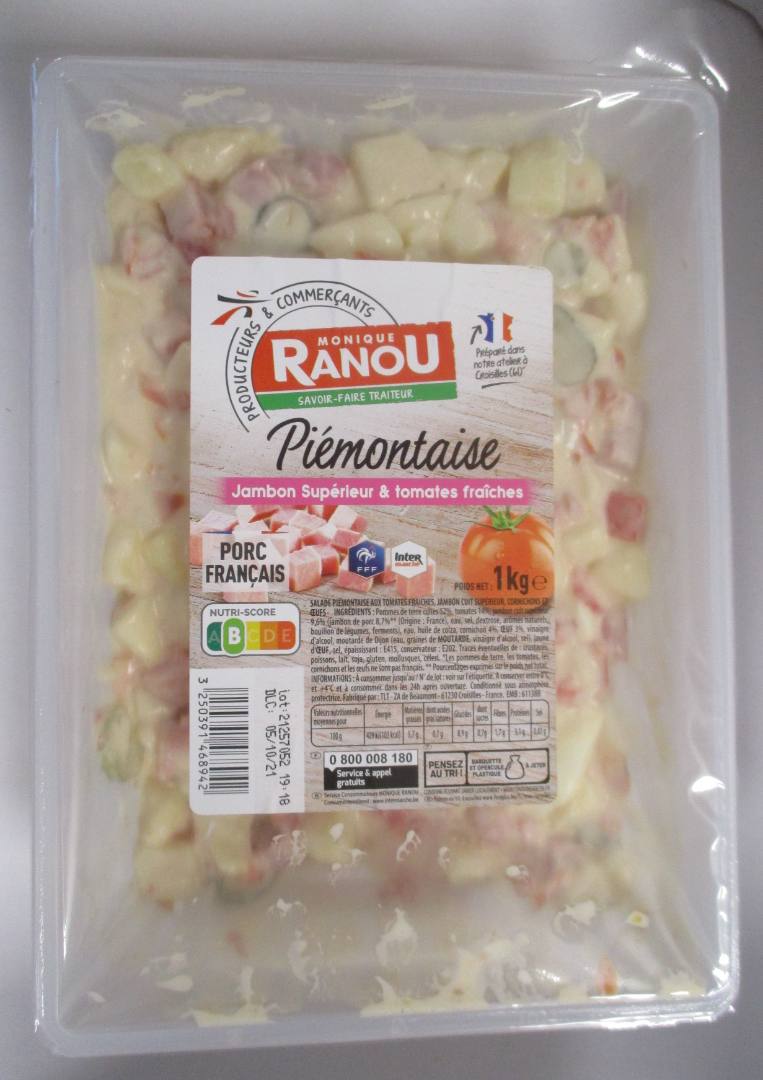
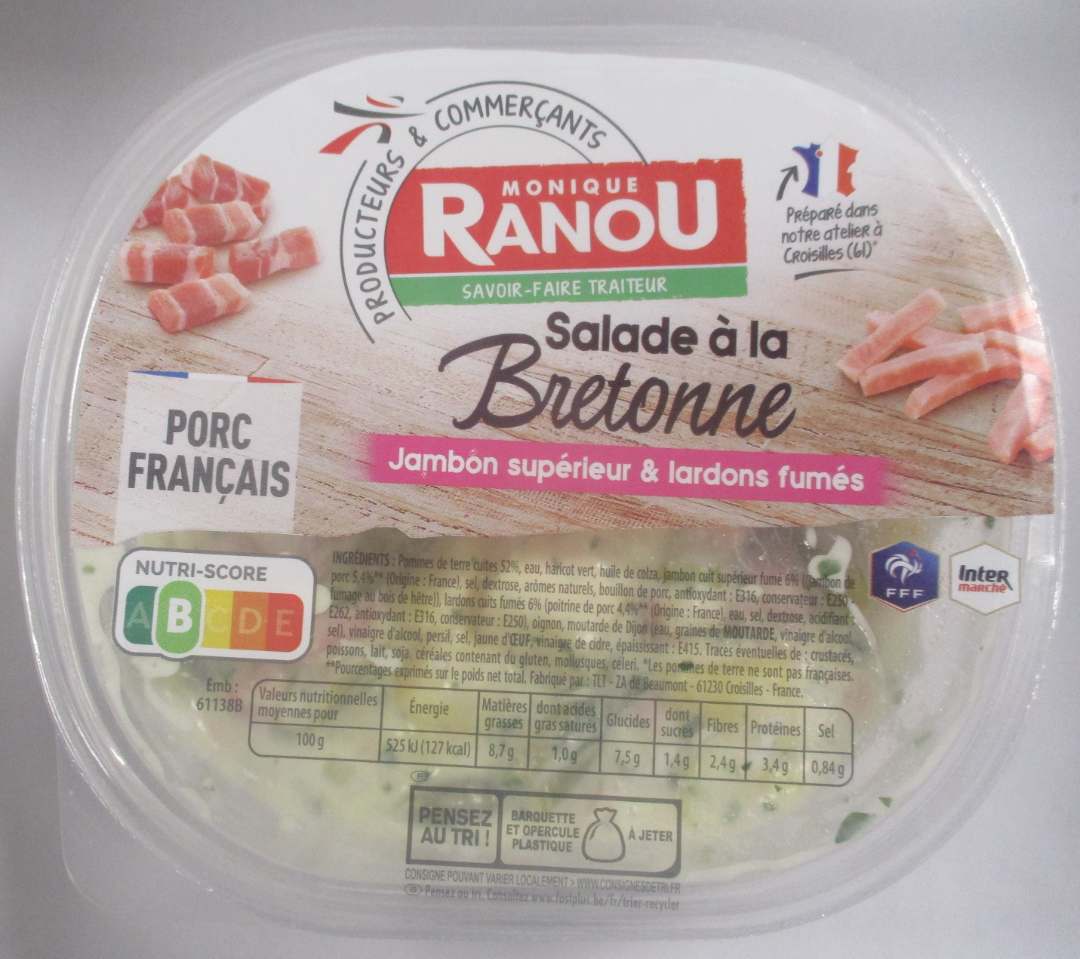
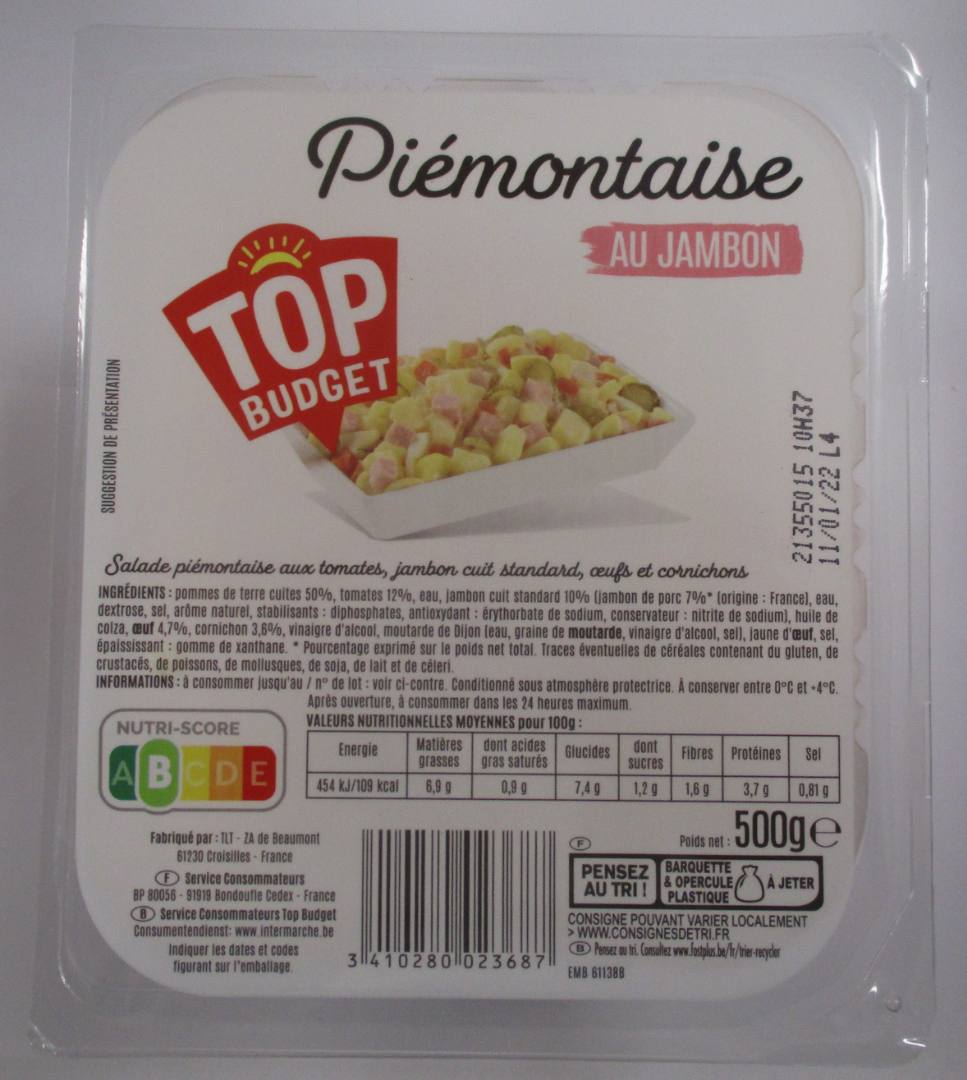
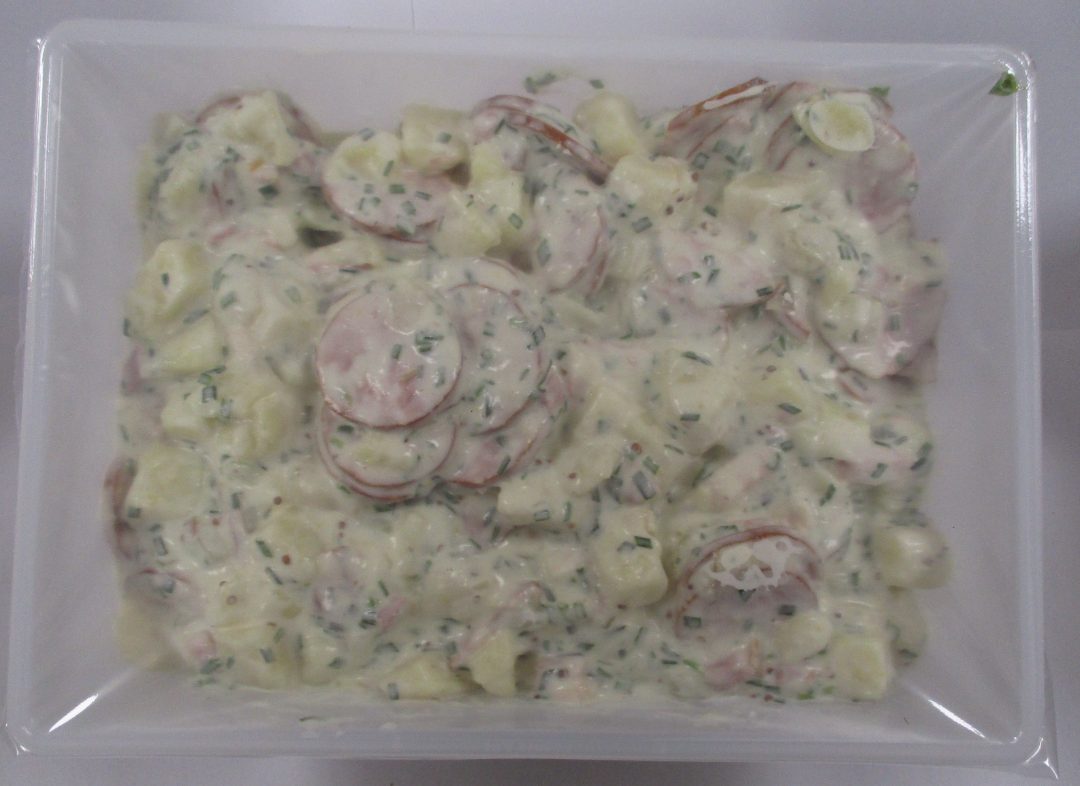
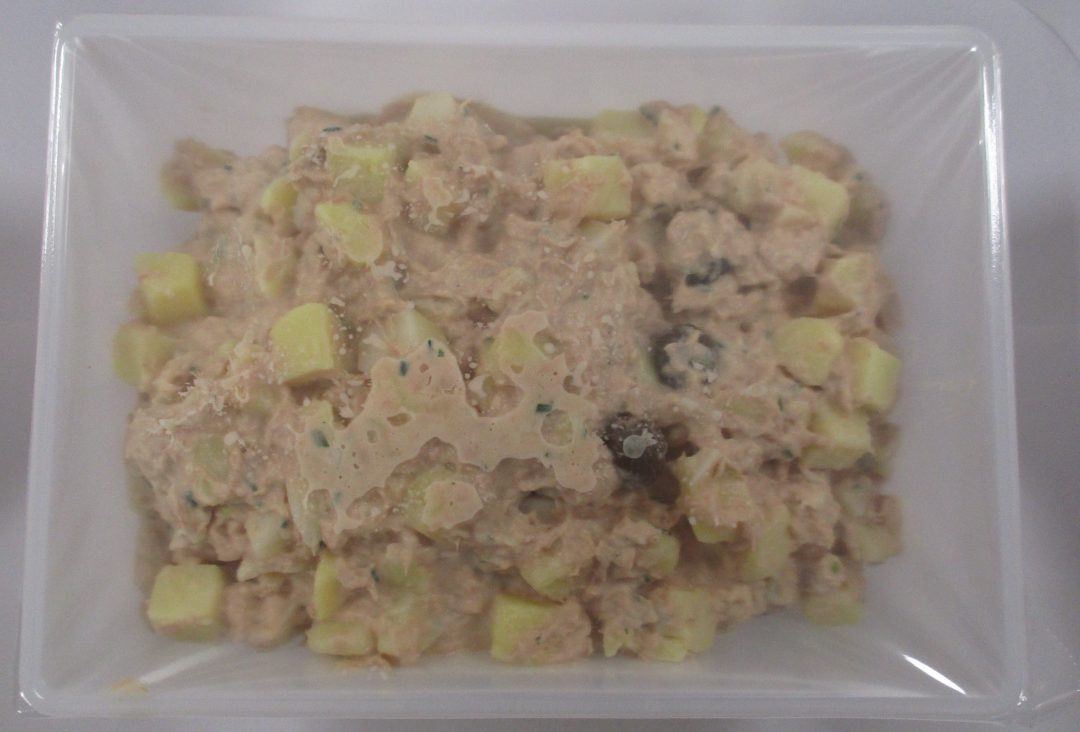
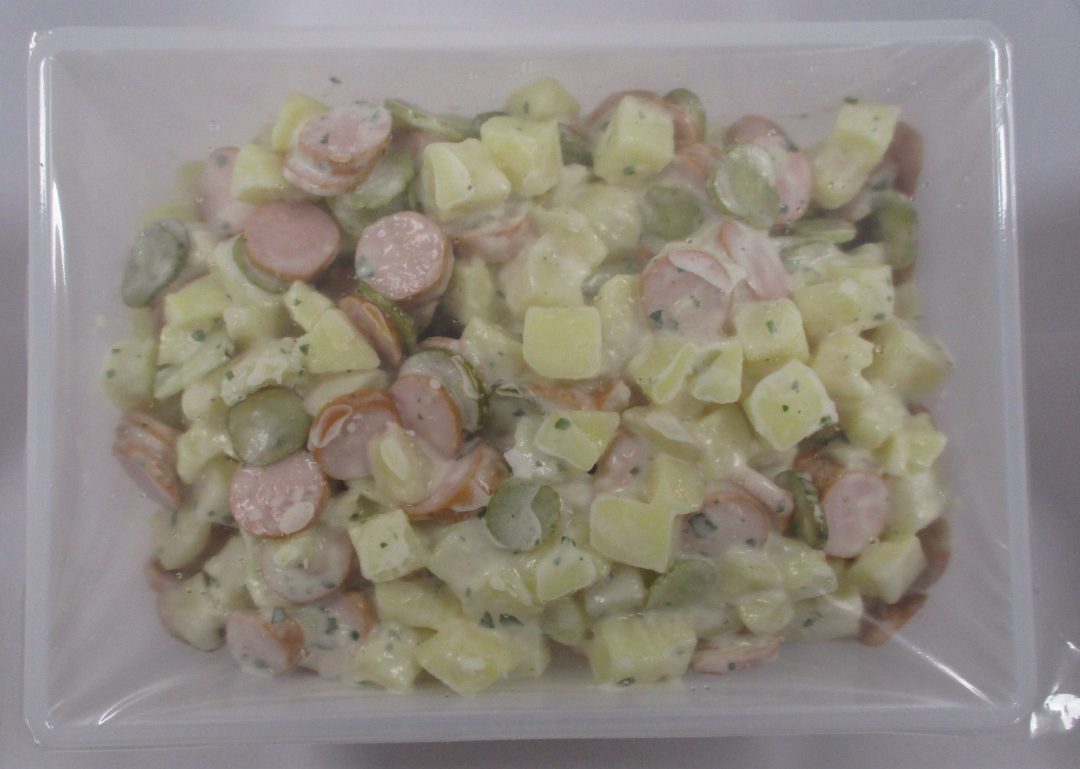
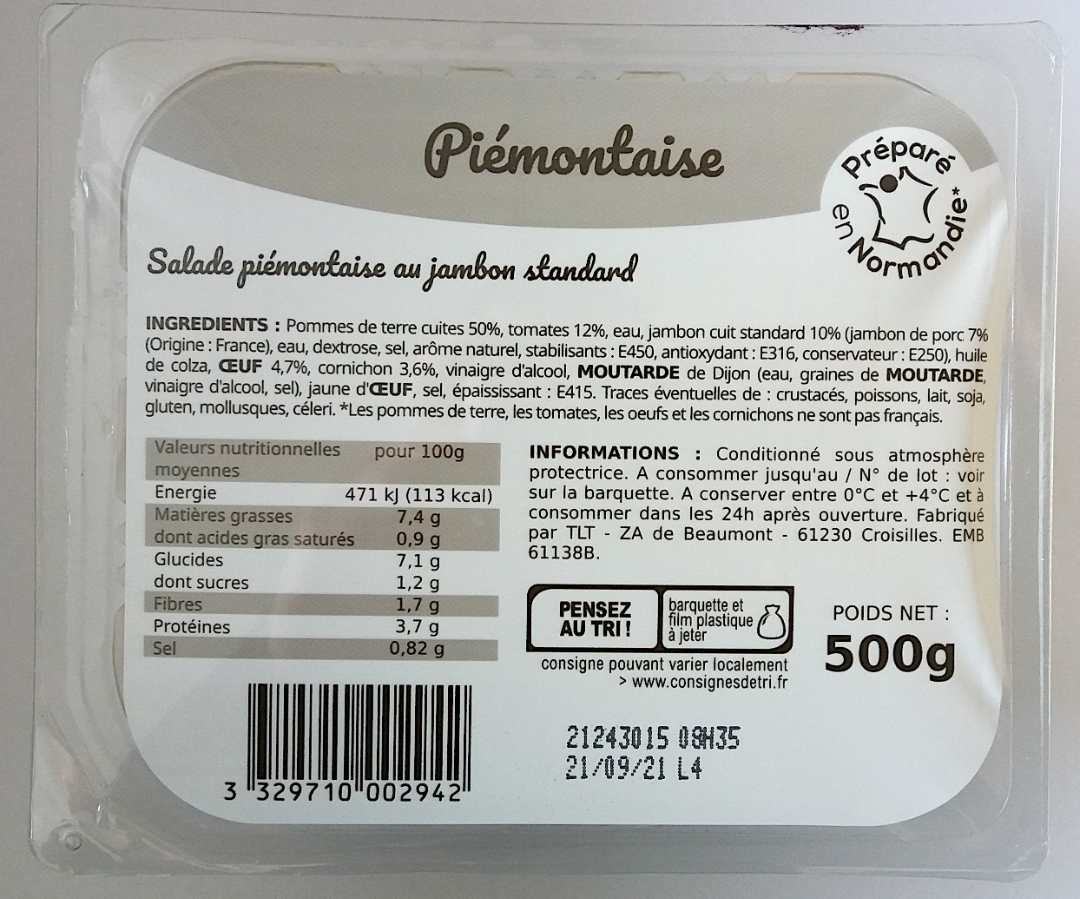
France – PIEMONTESE -BRETON SALAD – STRASBOURGEOISE SALAD – PIEMONTESE WITH HAM – MONTBELIARDE SALAD/PECHEUR SALAD/STRASBOURGEOISE SALAD sold by the cut in the delicatessen section – Organoleptic defect probably due to microbial growth

Gov france

Gov france

Gov france

Gov france

Gov france

Gov france

Gov france

Gov france

Gov france

Gov france

Gov france