Category Archives: Microbial growth

Research – Prevent Illness From C. perfringens

CDC

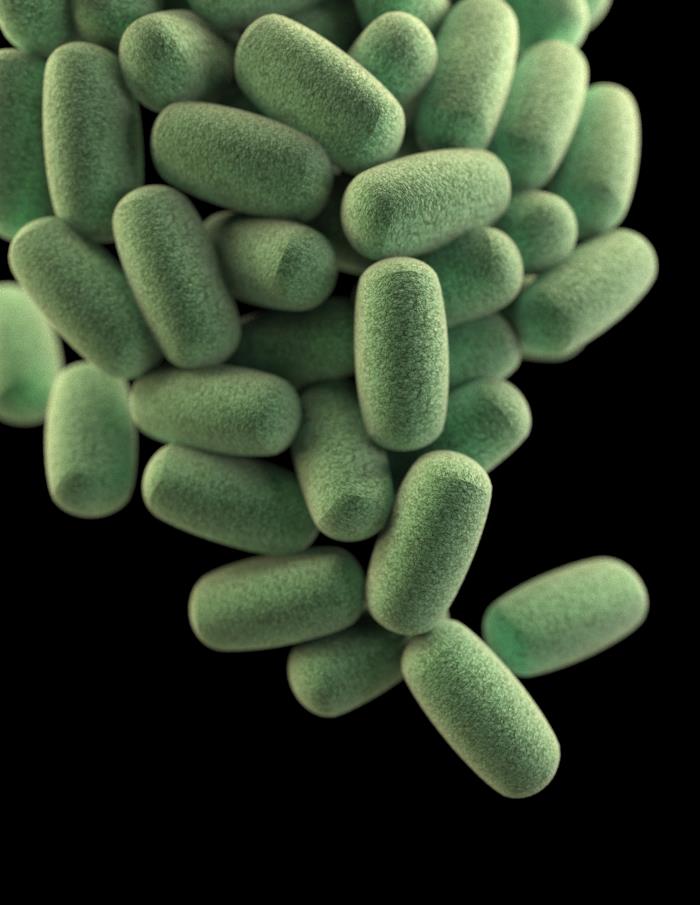
CDC Clost perf

Clostridium perfringens bacteria are one of the most common causes of food poisoning. CDC estimates that the bacterium causes nearly 1 million foodborne illnesses in the United States every year.

C. perfringens makes spores, which are inactive forms of the bacterium that help it survive heat, dryness, and other environmental conditions. Under certain conditions, such as when food is kept at an unsafe temperature (between 40°F and 140°F), C. perfringens spores can transform into active bacteria, which multiply in the food. After someone eats food containing C. perfringens, it can produce a toxin (poison) that causes diarrhea.

Foods cooked in large batches and held at unsafe temperatures are typically involved in outbreaks of C. perfringens food poisoning. Specific foods commonly linked to C. perfringens food poisoning include

  • Poultry, such as turkey and chicken
  • Meat, such as beef and pork
  • Gravy

Outbreaks of C. perfringens food poisoning tend to happen in settings where large groups of people are served and keeping food at proper temperatures may be difficult—for example, hospitals, school cafeterias, prisons, nursing homes, and large events with catered food.

Most of these outbreaks happen in November and December. Many of them have been linked to popular holiday foods, such as turkey and roast beef.

New Zealand – Don’t contaminate your plate this summer – be a Chicken Scene Investigator – Campylobacter

MPI

It would be a crime for your whānau and friends to come down with foodborne illness this festive season – so New Zealand Food Safety and the Chicken Scene Investigators have got your back.

“Each year, over our summer, there is a rise in cases of foodborne illness and hospitalisations,” says New Zealand Food Safety deputy director-general Vincent Arbuckle.

“The most commonly reported illness is campylobacteriosis – caused by Campylobacter bacteria – with our youngest and oldest having the highest rates of infection.

“There were 5,729 confirmed cases of campylobacteriosis in 2021, with 846 people needing hospital treatment, up from 718 in 2020. And 2022 looks set to follow a similar trajectory, with more than 5,300 cases nationally so far.

“The most common source of Campylobacter from food is raw or undercooked chicken.

“So, one big thing you can do this festive season to keep your whānau and friends healthy is to make sure you handle raw chicken safely. Cook it properly and use separate utensils and chopping boards, and, as with all food, don’t leave it out in the heat of the day, both before cooking and after you’ve finished eating.”

To help you with this, New Zealand Food Safety today launches a new food safety campaign. In a series of videos, our 2 Chicken Scene Investigators invite you to join them to spot the chicken-handling crime.

“Campylobacteriosis symptoms are nasty. They include diarrhoea, fever, headache, muscle aches, abdominal pain, and vomiting. It may also develop into more severe illness such as Guillain-Barré Syndrome, a disorder in which the body’s immune system attacks its nerves, sometimes resulting in permanent paralysis,” says Mr Arbuckle.

If you have symptoms, you can call Healthline for free anytime on 0800 61 11 16, or contact your doctor or practice nurse for advice.

“So, wherever you’re gathering – from BBQs to work do, beach parties to kai at the marae, Christmas lunch or potluck dinner – make sure you don’t contaminate your plate this summer.”

Te Whatu Ora medical officer of health Jay Harrower adds: “Every year thousands of people are diagnosed as being infected with Campylobacter, and for some it can be very serious. Across New Zealand Campylobacter cases are spiking once again this summer, but there are simple steps everyone can take to reduce the risk to them and their whānau.”

Chicken Scene Investigator tips to keep your whānau and friends safe:

  • Keep your raw chicken separate from ready-to-eat and fresh foods, using separate chopping boards, plates, and utensils. Alternatively, wash them properly with hot soapy water before using for other foods.
  • Don’t wash the chicken. Rinsing it will just spread the bacteria to other surfaces. Pat it dry with a paper towel instead, if needed.
  • Wash your hands in warm soapy water after handling raw chicken.
  • Make sure the chicken is fully cooked before serving – it can’t be pink and the juices should run clear. Or use a meat thermometer, if you have one, to ensure the chicken is steaming hot (over 75°C) all the way through.
  • Use a different plate for raw and cooked chicken.
  • If in doubt, clean surfaces and utensils some more, cook your chicken some more.

Safe barbecuing of food

Campylobacter infection: symptoms and advice

Watch the Chicken Scene Investigators on YouTube

The tea towel (15 seconds) 

The knife (15 seconds) 

Image

Food Safety at Christmas

Norway -Cucumber from Spain is a suspected source of infection in outbreaks of Salmonella

Matportalen

After an extensive outbreak investigation, cucumber from a Spanish supplier stands out as the likely source of infection in a salmonella outbreak that started in November. No new cases of illness have been reported in recent weeks, which may indicate that there are no longer any contaminated products on the market and that the outbreak is probably over.

There are now 72 people registered who have become ill from the gastrointestinal bacterium Salmonella Agona. The peak of infection in Norway was in mid-November, and the last reported case of the disease came on 2 December. Cases of the same outbreak strain have also been reported in Sweden and the Netherlands, in the same period.

– It is not always possible to find the source of infection in such outbreaks, but now some batches of cucumber from a Spanish supplier have been identified as the most likely, says Catherine Svindland, senior adviser at the Norwegian Food Safety Authority.

These batches of cucumber are no longer on the market. The Norwegian importers of cucumbers from the supplier have intensified the sampling of cucumbers as an additional safety measure. Salmonella was not found in these samples. The Norwegian Food Safety Authority has notified the Spanish authorities and other countries in the EU about the suspicion.

The contaminating cucumbers have probably not been on the market since November.

The outbreak investigation continues to, if possible, definitively establish that these cucumbers are the source of infection. This can be challenging, as the polluting products are likely to be out of the market and people’s fridges.

France – Nestlé allowed to restart pizza plant linked to deadly E. coli outbreak

Food Safety News

Nestlé has been given permission to partially reopen a plant in France where pizzas behind a serious E. coli outbreak were made.

French officials from the Nord area of the country in the Hauts-de-France region gave the green light this past week for operations to restart at the Buitoni factory in Caudry.

Approval only applies to production of pizzas with cooked dough. The line making pizzas with no re-baking of dough, such as the Fraîch’Up range, will not restart yet.

Fraîch’Up frozen pizzas were the source of the largest E. coli-HUS outbreak ever documented in France. 

One element of the plan to restart has included the dismantling and cleaning of 19,000 parts on the production line.

England – Differential impact of the COVID-19 pandemic on laboratory reporting of Norovirus and Campylobacter in England: A modelling approach

PLOS One

CDC Campy

The COVID-19 pandemic has impacted surveillance activities for multiple pathogens. Since March 2020, there was a decline in the number of reports of norovirus and Campylobacter recorded by England’s national laboratory surveillance system. The aim is to estimate and compare the impact of the COVID-19 pandemic on norovirus and Campylobacter surveillance data in England.

Denmark – Outbreak of invasive Listeria infection sequence type 7 in Denmark caused by fish meatballs

SSI

Between mid-August and December 2022, the Statens Serum Institut has registered 11 cases of Listeria monocytogenes . The Statens Serum Institut, the Danish Food Agency and the Danish Food Institute DTU have investigated the disease outbreak and identified fish cakes as the source.

About the disease outbreak

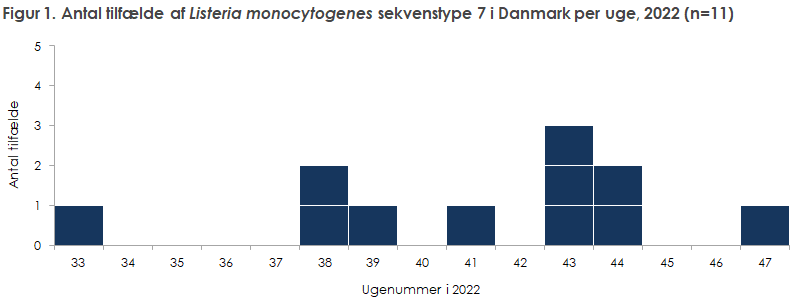
Between mid-August and December 2022, the Statens Serum Institut registered 11 people who are infected with the same type of Listeria monocytogenes (figure 1). Among the sick are 4 men and 7 women. In relation to age, there is one child and 10 adults (median age is 77). The patients are infected throughout the country (table 1). Interviews with six patients showed that all had eaten fish cakes.

Number of cases of Listeria monocytogenes sequence type 7 in Denmark per week, 2022 (n=11)

Table 1. Patients with the same type of Listeria monocytogenes in Denmark, August to December 2022, per region (n=11)

Region

Number of patients

The capital  4
Central Jutland 2
Northern Jutland 0
Zealand 2
Southern Denmark 3
Total 11

The investigation of the outbreak

The outbreak is handled by the Central Outbreak Group, which consists of SSI, the Danish Veterinary and Food Administration and the DTU Food Institute. SSI stands for whole-genome sequencing of listeria isolates from the patients and interviews with patients or relatives with a view to identifying a possible source of infection. The outbreak investigation showed that fish meatballs were the cause of the disease outbreak. The fish meatballs were recalled from stores on November 8, 2022.

The outbreak strain

The bacteria is of the type Listeria monocytogenes . By whole-genome sequencing of the Listeria monocytogenes bacteria isolated from the patients, it can be seen that they are very closely related and belong to sequence type 7.

USA – FDA Advises Restaurants and Retailers Not to Serve or Sell and Consumers Not to Eat Product Labeled as Sun Hong Foods, Inc. Enoki Mushrooms Sourced from China Due to Possible Listeria Contamination

FDA

December 17, 2022

Audience

  • Restaurants and food retailers that have received Sun Hong Foods Inc. enoki mushrooms sourced from China.
  • Consumers, especially those who are or could become pregnant, the elderly, and persons with weakened immune systems, who have recently consumed enoki mushrooms labeled as Sun Hong Food, Inc. product sourced from China.

Product

  • Product is labeled as Sun Hong Foods Inc, (Montebello, CA) enoki mushrooms sourced from China.

Purpose

  • The U.S. Food and Drug Administration is advising consumers not to eat, restaurants and food retailers not to sell, and to dispose of product labeled as Sun Hong Foods Inc. enoki mushrooms sourced from China due to possible contamination with Listeria monocytogenes.

Summary of Problem and Scope

  • On November 28, 2022, Missouri state partners, as a part of the FDA-funded Laboratory Flexible Funding Model Cooperative Agreement Program collected enoki mushroom samples from retail markets in Missouri. One sample labeled as Sun Hong Foods Inc, (Montebello, CA) and sourced from China tested positive for Listeria monocytogenes, but does not appear to match any clinical isolates from active outbreaks.

FDA Actions

  • The FDA is issuing this alert advising consumers to not eat and restaurants and food retailers to not sell Sun Hong Foods Inc. enoki mushrooms sourced from China due to possible Listeria monocytogenes contamination. FDA is also advising consumers, restaurants and food retailers to dispose of Sun Hong Foods Inc. enoki mushrooms sourced from China.
  • The FDA is awaiting information on further interstate distribution of the enoki mushrooms and will continue to monitor the investigation and provide assistance to state authorities as needed.

Symptoms of Listeriosis

There are a range of symptoms for listeriosis. Depending on the severity of the illness, symptoms may last from days to several weeks. Mild symptoms may include a fever, muscle aches, nausea, vomiting, and diarrhea. If the more severe form of listeriosis develops, symptoms may include headache, stiff neck, confusion, loss of balance, and convulsions. For the very young, the elderly, and the immune-compromised listeriosis can result in death.

People infected with L. monocytogenes may start to see symptoms in a few hours or as long as two to three days after eating contaminated food. More severe forms of listeriosis may take anywhere from three days to three months to develop.

Listeriosis can be particularly dangerous for pregnant women and their newborn babies, leading to serious complications with their pregnancy, including miscarriage and stillbirth. Babies born with a listeriosis infection may develop severe health complications that require immediate medical attention, lead to lifelong health problems, or result in death. Women who suspect they have symptoms of listeriosis (muscles aches, nausea, stiffness in neck, headaches, etc.) should seek medical care immediately and tell their health provider what they ate. Learn more about People at Risk of Foodborne Illness.

Due to the range in severity of illness, people should consult their health care provider if they suspect that they have developed symptoms that resemble a(n) L. monocytogenes infection.

Additional Information 

USA – Multistate Norovirus Outbreak Linked to Raw Oysters from Texas

CDC

The Centers for Disease Control and Prevention (CDC), the U.S. Food and Drug Administration (FDA), the Texas Department of State Health Services, and other public health partners, are investigating a multistate outbreak of norovirus illnesses linked to raw oysters from Texas.

FDA Advises Restaurants, Retailers and Consumers to Avoid Potentially Contaminated Oysters from Harvest Area TX 1, Texas | FDA

Fast Facts

Illnesses: 211 illnesses* have been reported as of December 15, 2022.

States affected: Alabama (AL), Florida (FL), Georgia (GA), Louisiana (LA), Mississippi (MS) North Carolina (NC), Tennessee (TN), Texas (TX)

Recall: Yes DSHS Recalls Oysters Harvested in Area of Southeastern Galveston Bay | Texas DSHS

Investigation Status: Active

*This number is an estimate based on the information we have at this time. CDC is working with state and local partners and will update this number as more information is gathered.

Raw Oysters and Norovirus

If eaten raw, oysters and other filter-feeding shellfish can contain viruses and bacteria that can cause illness or death. Anyone who consumes raw shellfish is at risk of contracting norovirus. Children younger than five years old, the elderly, and those people with weakened immune systems are more likely to have severe infections. Food contaminated with norovirus may look, smell, or taste normal. To avoid food poisoning from oysters, cook them well to a temperature of at least 145 degrees F.

What Businesses Should Do

Do not serve or sell raw oysters harvested between 11/17/2022 and 12/7/2022 from harvest area TX 1, Galveston Bay, Texas:

  • Restaurants and food retailers should not serve raw oysters from harvest area TX 1, Galveston Bay, Texas, harvested between 11/17/2022 and 12/7/2022, which will be printed on product tags.
  • The FDA has confirmed that raw oysters harvested in area TX 1, Galveston Bay, Texas were potentially contaminated with norovirus and distributed to restaurants and retailers in Alabama (AL), Florida (FL), Georgia (GA), Louisiana (LA), Mississippi (MS) North Carolina (NC), Tennessee (TN) and Texas (TX). It is possible that additional states received these oysters through further distribution within the U.S.

Throw away any remaining oysters or return them to your distributor for destruction.

These oysters may be contaminated with norovirus. Follow these steps:

  • Wash and sanitize containers and surfaces that may have come into contact with these oysters.
  • Wash hands with warm water and soap following the cleaning and sanitation process.
What You Should Do

Do not eat any raw oysters from the areas listed above. If you have oysters at home from any of the areas listed above, throw them away. Clean any utensils or food preparation surfaces that may have touched the oysters.

If you think you might have gotten sick from eating possibly contaminated raw oysters, talk to your healthcare provider and report your illness to your local health department.


USA – TFP Nutrition Initiated Voluntary Recall of 16 lb. Bags of HEB TEXAS PETS Indoor Complete Dry Cat Food Because of Possible Salmonella Health Risk

FDA

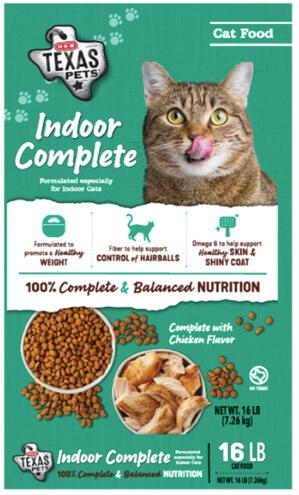
Front of bag, HEB TEXAS PETS Indoor Complete Dry Cat Food

Company Announcement Date:
FDA Publish Date:
Product Type:
Food & Beverages
Reason for Announcement:
Potential Salmonella contamination
Company Name:
TFP Nutrition
Brand Name:
HEB TEXAS PETS
Product Description:
HEB TEXAS PETS Indoor Complete Dry Cat Food

Company Announcement

TFP Nutrition announced today that it is issuing a voluntary recall of a dry cat food formulation manufactured on November 13, 2022, at its Nacogdoches, Texas facility. HEB Texas Pets Indoor Complete Dry Cat Food is being recalled due to potential Salmonella contamination. Salmonella can affect animals eating the products and there is risk to humans from handling contaminated cat products, especially if they have not thoroughly washed their hands after having contact with the products or any surfaces exposed to these products. No cat or human illness has been reported with respect to the recalled cat food to date.

Cats with Salmonella infections may be lethargic and have diarrhea or bloody diarrhea, fever, and vomiting. Some cats will have only decreased appetite, fever and abdominal pain. Infected but otherwise healthy cats can be carriers and infect other animals or humans. If your cat has consumed the recalled product and has these symptoms, please contact your veterinarian.

Healthy people infected with Salmonella should monitor themselves for some or all of the following symptoms: nausea, vomiting, diarrhea or bloody diarrhea, abdominal cramping and fever. Rarely, Salmonella can result in more serious ailments, including arterial infections, endocarditis, arthritis, muscle pain, eye irritation, and urinary tract symptoms. Consumers exhibiting these signs after having contact with this product should contact their healthcare providers.

This product was only distributed in the State of Texas and sold in HEB retail stores. All recalled product has been removed from store shelves and no other HEB products are affected by the voluntary recall. Affected product will contain “MFG 13 NOV 22” on the second line of the lot code located on the back of the bag.

Description Size Production Code
H-E-B Texas Pets Indoor Complete Dry Cat Food 16 lb. MFG 13 NOV 22

Cat owners who are unsure if the product they purchased is included in the recall, or would like a replacement product or refund, may contact TFP Nutrition via a toll-free call at 1-800-560-9197, Monday through Sunday, 8 am – 5pm CST. Consumers may also go to tfpnutrition.com/recallExternal Link Disclaimer for more information.


Company Contact Information

Consumers:
TFP Nutrition
 800-560-9197
Media:
 800-560-9197