Category Archives: Foodborne Illness

India – Over 50 People Get Food Poisoning From Ritual Dish in India

News Ghana

More than 50 people came down with food poisoning in the Indian state of Assam after eating a worship dish known as Prasada, the Indian police said on Monday.

The vegetarian dish was served at a religions function organized by a local villager on Sunday. Guests then started complaining of stomachache and feeling sick.

As a result, over 50 villagers have been hospitalized since Sunday evening. They are in a stable condition as of now.

Spain – La Manga hotel kitchen closed following food poisoning outbreak

Murcia Today

Public Health has temporarily closed the kitchen of the Doblemar Hotel, located on the Gran Via in La Manga del Mar Menor, after 63 guests were taken ill with food poisoning. Sources have since revealed that the outbreak was originally detected on July 25, but that more cases were reported in recent days and the kitchen was shut this week while the source of the contamination is investigated.
While many of those affected have suffered only mild symptoms, such as nausea, fever or vomiting, as many as 20 of the guests have had to be admitted to hospital.
Food poisoning, or norovirus infection, usually causes gastroenteritis, the most common symptoms of which are stomach pain, nausea, vomiting and diarrhoea. Most people develop symptoms 12 to 48 hours after contracting norovirus, and they can last up to three days. Contagion occurs by coming into direct contact with an infected person, by consuming intoxicated food or water and by touching contaminated surfaces and then touching the mouth with the hands. There is no specific drug against this virus, and doctors recommend drinking plenty of fluids to avoid dehydration.

USA – Suspected foodborne illness sickens nearly 80 employees at Homer hospital

ADN

State epidemiologists are investigating the source of a suspected foodborne illness outbreak that sickened dozens of hospital employees in the Kenai Peninsula community of Homer on Friday.

Almost 80 employees at South Peninsula Hospital in Homer were sickened with a gastrointestinal illness by Saturday morning, said hospital information officer Derotha Ferraro.

Everyone who got sick had eaten food brought in as employee meals from a variety of local food establishments, health officials wrote.

The main symptoms reported included diarrhea and stomach cramps. Most of the people who reported symptoms started feeling sick on Thursday night into Friday morning, according to the Department of Health and Social Services.

USA – Oysters recalled amid Washington’s largest ever Vibrio outbreak

Food Safety News

KSWFOODWORLD

Washington state has initiated a recall of live oysters harvested from the Samish Bay growing area in the Puget Sound area. The recall is in response to multiple cases of Vibrio parahaemolyticus illnesses associated with oysters harvested in the area. 

The outbreak has already surpassed the highest number of cases ever recorded by the state for the month of July, according to the state’s Health Department. Distribution details are incomplete but it is known that some of the oysters have gone to Asian and Canadian buyers as well as customers in the United States.

A recent heat wave, coupled with very low tides at mid-day, are likely to blame for the increased rate of illness, which is associated with eating raw or undercooked shellfish, especially oysters that are contaminated with Vibrio. 

The extremely low tides are part of an 18.6-year tide cycle, which means there will be more to come for a period of time during the cycle.

RASFF Alert – Foodborne outbreak -Suspected Histamine -Frozen Yellowfin Tuna Loins

RASFF

Foodborne outbreak suspected (histamine poisoning) to be caused by frozen yellowfin tuna loins from Spain in Italy

Research – FAO’s work on food safety and quality

FAO

With an estimated 600 million cases of foodborne illnesses annually, unsafe food is a threat to human health and economies globally. Therefore, ensuring food safety is a public health priority and an essential step to achieving food security. Effective food safety and quality control systems are key not only to safeguarding the health and well-being of people, but also to fostering economic development and improving livelihoods by promoting access to domestic, regional and international markets.

The Food Safety and Quality Unit supports the strengthening of systems of food safety and quality control at national, regional and international levels. This involves:

  • Strengthening national food control regulatory capacities and global trade facilitation by providing leadership in supporting countries in the assessment and progressive development of food control systems, including food safety policy and food control regulatory frameworks;
  • Supporting development of institutional and individual capacities for food control and food safety management, including the management of food safety emergencies;
  • Supporting science-based food safety governance and decisions by providing sound scientific advice (through the JECFA and JEMRA expert bodies) to underpin food safety standards at national, regional and international levels;
  • Enhancing food safety management along food chains to prevent diseases and trade disruptions by supporting developing countries to apply risk-based food safety management along food chains that are appropriate for national and local production systems and in compliance with Codex texts;
  • Providing food safety platforms, databases and mechanisms which support networking, dialogue and global access to information and facilitating effective communication internationally on key food safety issues;
  • Developing food safety intelligence and foresight by becoming a major actor in the collection, analysis and communication of food chain intelligence; and
  • Evaluating new technologies to improve food safety and protect public health.

FAO is a recognized leader in the development of global food safety initiatives and translating these into country level action. The Food Safety and Quality Programme supports an integrated and multidisciplinary approach to food safety management and holistic and feasible “food chain” solutions to specific food safety problems as laid out in FAO’s Strategy for Improving Food Safety Globally. The foundations for this approach are based on science.

FAO’s Food Safety and Quality Unit often works in partnership with national and international bodies and organizations where such partnerships are mutually beneficial and where there is a compatibility of mandate and guiding principles.


Italy – Tuna suspected for a dozen illnesses in Italy – Food Poisoning

Food Safety News

At least 12 people are sick in Italy with tuna being investigated as the source of their illnesses.

The foodborne outbreak is suspected to have been caused by thawed yellowfin tuna steaks with added water from Italy and raw material from Spain.

In recent days, nine people with symptoms such as such as nausea, vomiting and loss of consciousness or fainting were reported to the Tuscany local health unit (ASL) and admitted to two hospitals before later being discharged.

They all reported consumption of tuna in various forms at two different restaurants in Florence.

USA- Salmonella Outbreaks Linked to Backyard Poultry

CDC

Fast Facts
  • Illnesses: 163
  • Hospitalizations: 34
  • Deaths: 0
  • States: 43
  • Recall: No
  • Investigation status: Active
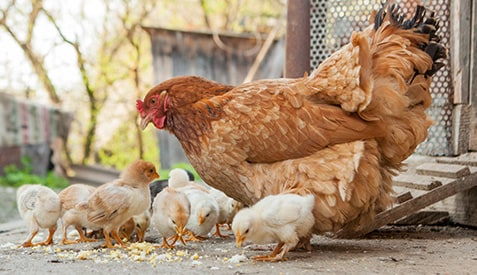
Backyard poultry with chickens eating
Backyard Poultry and Salmonella

Backyard poultry, like chicken and ducks, can carry Salmonella germs even if they look healthy and clean. These germs can easily spread to anything in the areas where they live and roam.

You can get sick from touching your backyard poultry or anything in their environment and then touching your mouth or food, and swallowing Salmonella germs.

Research -Center for Foodborne Illness Research and Prevention – Impact reReport

Click to access 2019-2020%20CFI%20Impact%20Report.pdf

Research – A Nosocomial Outbreak of Invasive Listeriosis in An Italian Hospital: Epidemiological and Genomic Features

MDPI

Listeria monocytogenes (L. monocytogenes) is a widespread opportunistic pathogen that causes the listeriosis foodborne disease. This bacterium has become a common contaminant of handled food, and a relevant public health issue. Here we describe a nosocomial outbreak of listeriosis caused by an ST451 strain of L. monocytogenes involving three cancer and one immunocompromised patients hospitalized in different units from the same hospital during September and October 2020. The epidemiological investigation was conducted using traditional microbiological methodology combined with a whole genome sequencing approach. The source of contamination was identified in the kitchen hospital, where a meat slicer used to prepare patients’ meals was tested positive to the same sequence type (ST) of L. monocytogenes. This is the first report of an outbreak of listeriosis caused by ST451 in Italy. View Full-Text