Category Archives: Foodborne Illness

Canada – Public Health Notice: Outbreak of Salmonella infections linked to frozen whole kernel corn

PHAC

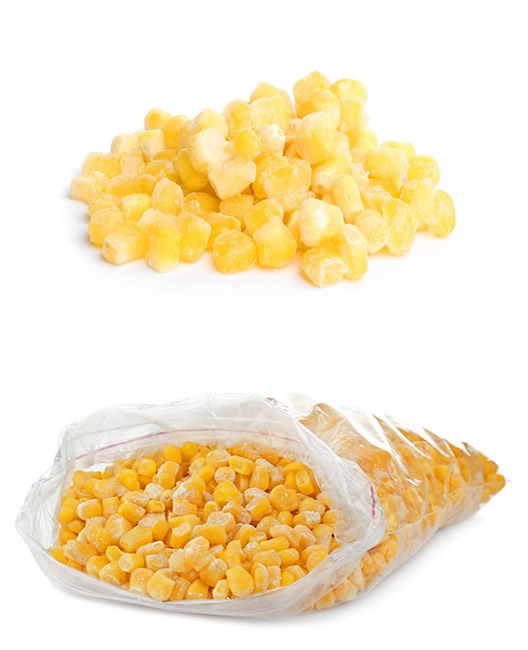
This notice has been updated to communicate the source of the outbreak and reflect 26 additional illnesses that have been reported in the ongoing outbreak investigation. There are now 110 Salmonella illnesses reported across 5 provinces. Based on the investigation findings to date, the outbreak is linked to Alasko brand frozen whole kernel corn.

The Public Health Agency of Canada (PHAC) is collaborating with provincial public health partners, the Canadian Food Inspection Agency (CFIA) and Health Canada to investigate an outbreak of Salmonella infections involving 5 provinces: British Columbia, Alberta, Saskatchewan, Manitoba and Ontario. The illnesses reported in Ontario were related to travel to Alberta and British Columbia.

Many of the individuals who became sick reported eating a variety of raw and cooked produce items before their illness. Initially, investigators identified that fresh avocados were reported by many cases before they became ill; however, more information was needed to confirm the source of the outbreak.

As part of the food safety investigation, the CFIA collected different food items from restaurants where ill people dined. Testing found the outbreak strain of Salmonella in an unopened package of Alasko brand frozen whole kernel corn. Traceback findings identified Alasko as the common brand of frozen corn consumed at various food service establishments by individuals who became sick. Based on the investigation findings to date, the outbreak is linked to Alasko brand frozen whole kernel corn.

The CFIA issued food recall warnings on December 14 and 19 for Alasko brand frozen whole kernel corn. The recalled products were distributed in British Columbia, Alberta, Saskatchewan, Manitoba and Quebec, and may have been distributed in other provinces and territories. This led to a secondary recall for Fraser Valley Meats brand frozen whole kernel corn on December 18. Several additional secondary recalls have been issued since then for products that were made using the recalled Alasko brand frozen whole kernel corn. More information on the recalled products are available online. The CFIA is continuing its food safety investigation, which may lead to the recall of other products. If other products are recalled, the CFIA will notify the public through updated food recall warnings.

The outbreak appears to be ongoing, as recent illnesses continue to be reported. Do not eat, use, sell, or serve any of the recalled corn or products made with the recalled corn. This advice applies to individuals, as well as retailers, distributors, manufacturers and food service establishments such as hotels, restaurants, cafeterias, hospitals and long-term care homes, across Canada.

This outbreak is an important reminder to Canadians and businesses that frozen vegetables can carry harmful germs that can lead to foodborne illness if not properly handled and cooked prior to consuming.

This public health notice will be updated as the investigation evolves.

Research – Surveillance and characteristics of food-borne outbreaks in the Netherlands, 2006 to 2019

Eurosurveillance

A wide variety of pathogens can cause disease in humans through the consumption of contaminated food [13]. Contamination of food can occur at any point from farm to table, as a result of improper hygiene, handling, storage or preparation, and the broad range of food products that can be contaminated adds to the complexity. An estimated 652,000 cases of infectious diseases because of contaminated food occurred in 2018 in the Netherlands, leading to around EUR 171 million in costs [4]. This figure and corresponding costs have remained at the same level since 2009 [4,5]. The exact number of cases remains unknown; only a minority of food-borne cases is captured by surveillance systems since most infections are relatively mild and no diagnostic testing is performed. Furthermore, not all food-borne infections are systematically monitored.

Although recognised food-borne outbreaks only account for a small part of the food-borne disease burden, they can provide insight into the pathogens causing outbreaks, food products implied as vehicles, points of contamination, and settings in which transmission occurs [6,7]. Determination of the contaminated food product is difficult, especially in sporadic cases, because of varying incubation periods in which many exposures occurred, as well as recall bias. Outbreaks offer the opportunity to gather consumption data from more than one case and to perform a comparison with controls, which increases the chance of finding the contaminated food item. Analysis of data over a longer period also offers the opportunity to describe trends in food-borne outbreaks, to identify new and emerging food-borne pathogens and specific pathogen-food combinations, and to examine the public health importance of pathogens, which can be used to improve food safety [6,8].

The aim of this study is to describe the characteristics of food-borne outbreaks registered between 2006 and 2019 in the Netherlands in order to provide a better understanding of food-borne outbreaks and to guide efforts to control, reduce and prevent future food-borne illness.

Research – A Severe Gastroenteritis Outbreak of Salmonella enterica Serovar Enteritidis Linked to Contaminated Egg Fried Rice, China, 2021

Frontiers in Microbiology

Salmonella contamination of eggs and egg shells has been identified as a public health problem worldwide. Here, we reported an outbreak of severe gastrointestinal symptoms caused by Salmonella enterica serovar Enteritidis (S. enteritidis) in China. We evaluated the outbreak by using epidemiological surveys, routine laboratory testing methods, and whole genome sequencing (WGS). This outbreak occurred in a canteen in Beijing, during March 9–11, 2021, 225 of the 324 diners who have eaten at the canteen showed gastrointestinal symptoms. The outbreak had characteristical epidemiological and clinical features. It caused a very high attack rate (69.4%) in a short incubation time. All patients developed diarrhea and high fever, accompanied by abdominal pain (62.3%), nausea (50.4%), and vomiting (62.7%). The average frequency of diarrhea was 12.4 times/day, and the highest frequency of diarrhea was as high as 50 times/day. The average fever temperature was 39.4°C, and the highest fever temperature was 42°C. Twenty strains of S. enteritidis were recovered, including 19 from the patients samples, and one from remained egg fried rice. Antibiotic susceptibility test showed that the 20 outbreak strains all had the same resistance pattern. PFGE results demonstrated that all 20 strains bore completely identical bands. Phylogenetic analysis based on WGS revealed that all 20 outbreak strains were tightly clustered together. So the pathogenic source of this food poisoning incident may was contaminated egg fried rice. Resistance gene analysis showed that the outbreak strains are all multi-drug resistant strains. Virulence gene analysis indicated that these outbreak strains carried a large number of virulence genes, including 2 types of Salmonella pathogenicity islands (SPI-1 and SPI-2). Other important virulence genes were also carried by the outbreak strains, such as pefABCD, rck and shdA. And the shdA gene was not in other strains located in the same evolutionary branch as the outbreak strain. We speculated that this is a significant reason for the serious symptoms of gastroenteritis in this outbreak. This outbreak caused by S. enteritidis suggested government should strengthen monitoring of the prevalence of outbreak clone strains, and take measures to mitigate the public health threat posed by contaminated eggs.

Spain – Spanish agency defends actions in Salmonella outbreak investigation

Food Safety News

Spanish officials have said steps taken in response to more than a dozen Salmonella infections were “sufficient and proportionate” to protect public health.

Two outbreaks affected 14 people at two elderly care homes in Madrid late this past year and were linked to chicken burger meat. No information has been made public about the patients, such as their ages or severity of their illnesses.

The Spanish Agency for Food Safety and Nutrition (AESAN) said that because the supply chain of the products involved wholesale and they were not directly sold to the final consumer, the information about the incident was sent via official control channels and it was not considered necessary to publically warn about the existence of items in the market that may have posed a risk to health. This means names of the firms involved have been kept private.

In late December 2021, consumer group FACUA called for the companies involved to be named and details released to identify the contaminated meat to prevent more people from becoming ill.

The association wrote to AESAN and the Ministry of Health in Madrid about the lack of transparency given the potential seriousness of the situation.

USA – The latest on Gino’s Ristorante & Pizzeria Hepatitis A outbreak in Norristown Montgomery County Pennsylvania

Food Poison Journal

NORRISTOWN, PA – The Montgomery County Office of Public Health(OPH) announced today the temporary closure of Gino’s Ristorante & Pizzeria in West Norriton in relation to a Hepatitis A Virus (HAV) outbreak in the county. The restaurant will be closed until further notice while the investigation continues.

Per standard public health protocols, OPH coordinated with the Pennsylvania Department of Health to issue a health advisory on Wednesday. As a result, OPH continues to receive additional information to support its investigation and identify additional potential cases. Investigation conducted to date suggests the exposure occurred in late November no longer presents a risk. However, additional investigation into probable cases resulting from the health advisory associated with this outbreak are underway. In the interest of public health, the restaurant has been shut down until further notice.

At this time, 11 total cases are under investigation, with 9 confirmed cases of Hepatitis A and 2 potential cases of Hepatitis A. Of the 9 confirmed cases, 7 people were hospitalized. To date, one death is confirmed and one additional death is under investigation.

The source of the outbreak remains under investigation. Anyone experiencing symptoms of Hepatitis A should contact their doctor.

Ireland – Woman died from Salmonella-contaminated food served at First Communion party

Irish Examiner

A Dublin woman who was a keen fitness fanatic died from poisoning as a result of eating food contaminated with salmonella that was served at a First Holy Communion party.

An inquest into the death of Sandra O’Brien heard it was linked to cold turkey supplied by a catering firm that resulted in a major outbreak of a rare form of Salmonella in north Co Dublin in May 2017.

Ms O’Brien, 55, a mother of one from Brookdale Way, Swords, Co Dublin, was found dead in the bedroom of her home on May 21, 2017.

The inquest heard the form of infection, Salmonella Brandenburg, was typically only fatal in 0.4% of cases.

Evidence was heard that the food for the event had been provided by Flanreil Food Services, which had been operating from O’Dwyer’s Pub on Strand Road in Portmarnock, Co Dublin.

The inquest heard there had been 35 confirmed cases of Salmonella and another 37 cases of suspected Salmonella linked to the outbreak which included two kitchen staff and two chefs from the catering company.

Research – Factors Potentially Contributing to the Contamination of Packaged Leafy Greens Implicated in the Outbreak of Salmonella Typhimurium During the Summer of 2021

FDA

In July and August of 2021, the U.S. Food and Drug Administration (FDA), Centers for Disease Control and Prevention (CDC), and state partners conducted an outbreak investigation into a multistate outbreak of Salmonella Typhimurium linked to packaged leafy greens produced at a Controlled Environment Agriculture (CEA) indoor hydroponic operation.[1]

Total Illnesses: 31
Hospitalizations: 4
Deaths: 0
First illness onset: June 10, 2021
Last illness onset: August 18, 2021
States with Cases:  IL (18), MI (1), PA (2) WI (10)

The outbreak response investigation found:

  1. The outbreak was associated with the consumption of packaged leafy greens from the firm’s CEA indoor hydroponic operation; 26 of 27 (96%) patients reported consuming any leafy greens prior to illness onset, with 20 of 24 cases reporting consumption of prepackaged salads. This firm’s products were named specifically in 14 cases.
  2. This outbreak was caused by Salmonella Typhimurium as determined by whole genome sequencing (WGS) analysis. The Salmonella Typhimurium isolates from ill consumers were closely related genetically; however, there were no product isolates for comparison.
  3. Loyalty card data was received for nine cases. The information identified a common brand of packaged salads and the traceback investigation determined all of the points-of-service (POS) were supplied by the same hydroponic operation owned and operated by this firm. The firm’s salad products purchased by ill consumers were confirmed to be produced at the firm’s hydroponic operation.

FDA conducted an on-site produce safety investigation of the firm’s CEA operation, as part of the outbreak investigation.

Download the Full Report (PDF 270KB)

[1] Throughout this document the term “firm” is used to represent the business entity, while the term “operation” refers to the farm location.


Related Resources

Norway –  Investigates Salmonella Blockley outbreak

Outbreak News Today

The Norwegian Institute of Public Health (FHI) reports investigating an outbreak of Salmonella enterica serotype Blockley (Salmonella Blockley).

To date, infections have been detected in 16 people living in several counties in Norway. The source of the infection is currently unknown, and an outbreak investigation has been initiated in collaboration with the Norwegian Food Safety Authority and the Norwegian Veterinary Institute.

Denmark – Outbreak of diarrhea-causing E. coli O157

SSI

The Statens Serum Institut is currently investigating an outbreak with a diarrhea-causing and toxin-producing E. coli bacterium. It began in December and currently includes 13 people with possible common source of infection.

Since December 3, 13 patients related to an outbreak with the diarrhea-causing and shiga toxin-producing E. coli bacterium (STEC) with the serotype O157: H7 have been identified. Of these, identical bacteria have been found in nine patients by whole genome sequencing at the Statens Serum Institut (SSI).

Three children with acute renal failure

Among the patients are three children who have developed haemolytic uraemic syndrome / acute renal failure (HUS), which may be a serious consequence of infection with STEC.

The sick are four men and nine women between the ages of 2 and 90. They come from all regions in the country, except Region North Jutland. The sick have not been traveling and have not participated in joint events in the time leading up to their illness.

Nine patients have been hospitalized in connection with the infection.

A serious outbreak

“It is a serious outbreak, as this type of toxin-producing E. coli can in some cases cause acute renal failure. We are paying particular attention when three children with acute renal failure were reported here in December. Patients with severe diarrhea, especially bloody diarrhea, should seek medical attention to get a correct diagnosis “, says Epidemiologist Luise Müller from SSI. She continues:

“As we do not yet know the source of this outbreak, the best advice we can give is to remember to fry minced meat and rinse fruit and vegetables thoroughly before eating it. It is also important to separate raw meat from ready-to-eat food, such as salad, which is not heat-treated before eating. ”

Looking for the source of infection

To find out what may have made the patients ill, interviews are conducted with patients or parents of patients to obtain information on food intake, institutional contact, animal contact and other relevant exposures.

The outbreak is being investigated by SSI in collaboration with the Danish Veterinary and Food Administration and the DTU Food Institute.

Read more

Read more about the outbreak on this outbreak site.

Read more about E. coli infection, among others STEC / VTEC.

Read more about Hemolytic uremic syndrome .

Read more about how to avoid STEC in your food on the Danish Veterinary and Food Administration’s website.

USA – Core Outbreak Table Updates

FDA

This week’s updates are:

  • A new outbreak of E. coli O121: H19 with an unidentified vehicle has been added. This outbreak does not appear to be ongoing, as the last illness onset occurred in November 2021. FDA has initiated traceback and other investigational activities in an effort to learn more about possible sources or routes of contamination.
  • The outbreak of Salmonella Javiana linked to 65 illnesses has ended. The information collected over the course of this investigation indicated cut cantaloupe was the likely source of this outbreak, however it appears that the products linked to outbreak illnesses are past shelf life and are no longer available for sale. The most recent illness occurred in November 2021. FDA’s outbreak investigation did not identify a specific product until after the product had expired and was no longer on the market, and there were no actionable steps for consumers to take to protect themselves.
  • For the outbreak of E. coli O157:H7 linked to spinach, the outbreak has ended and the FDA investigation has closed. This incident was archived in the 2021 Investigation Table.
1/10/2022 1050 E. coli
O121:H19
Not Yet
Identified
4
12/29/2021 1052 E. coli
O157:H7
Packaged Salad See Outbreak
Advisory
12/20/2021 1039 Listeria
monocytogenes
Packaged Salad See Outbreak
Advisory
12/15/2021 1048 Listeria
monocytogenes
Packaged Salad See Outbreak
Advisory
11/24/2021 1044 Salmonella
Javiana
Cut Cantaloupe 65
9/15/2021 1031 Salmonella
Oranienburg
Red, Yellow,
and White Onions
See Outbreak
Advisory