Category Archives: Food Toxin

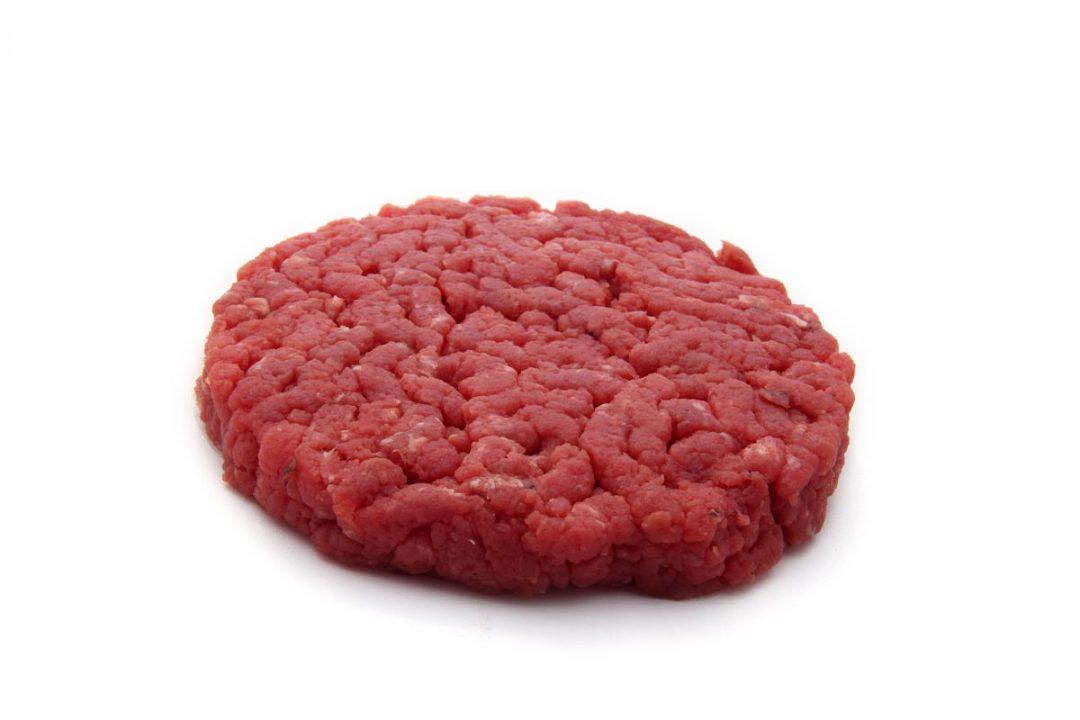
France – Chopped Steak on demand – Salmonella

Gov france

Identification information of the recalled product

  • Product category Feed
  • Product subcategory Meats
  • Product brand name none
  • Model names or references chopped steak on demand
  • Identification of products
    GTIN Batch
    2257332830 frame B914000021821
  • Marketing start/end date From 04/21/2023 to 04/25/2023
  • Storage temperature Product to be stored in the refrigerator
  • Geographic area of ​​sale Departments: COTES-D’ARMOR (22)
  • Distributors INTERMARCHE BROONS

Practical information regarding the recall

  • Reason for recall Non-compliant analyzes
  • Risks incurred by the consumer Listeria monocytogenes (causative agent of listeriosis)

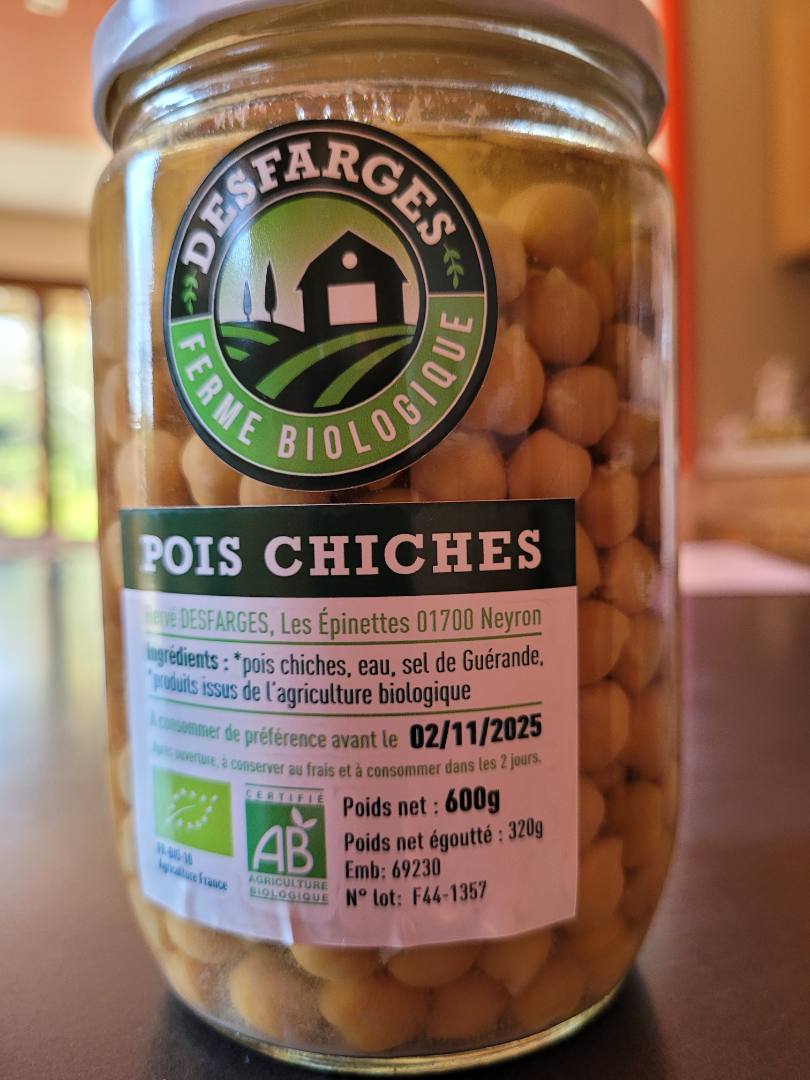
France – Bottled CHICKPEA – Clostridium botulinum

Gov france

Identification information of the recalled product

  • Product category Feed
  • Product subcategory Fruits and vegetables
  • Product brand name DISCHARGES
  • Model names or references CHICKPEA
  • Identification of products
    Lot Date
    F44-1357 Best before date 02/11/2025
  • Packaging 600g glass jar
  • Marketing start/end date From 22/11/2022 to 23/03/2023
  • Storage temperature Product to be stored at room temperature
  • Further information product from organic farming
  • Geographic area of ​​sale Departments: AIN (01), ISERE (38), RHONE (69)
  • Distributors biocoop villeurbanne and charancieu, so organic Lozanne, so organic Craponne, Marechal fraicheur, the little distrib, Léonie’s grocery store, Father Baptiste, the Miribel farm

Practical information regarding the recall

  • Reason for recall sample unstable after incubation, the sample does not meet the requirements of article 14 of regulation (EC) n°178/2002
  • Risks incurred by the consumer Clostridium botulinum (agent responsible for botulism)

Research – Alternaria mycotoxins and its incidence in fruits and vegetables

Conicet

Alternaria is a ubiquitous fungal genus, widely distributedin the environment and a range of different habitats. It includes both plantpathogenic and saprophytic species, which can affect crops in the field orcause post-harvest spoilage of plant fruits and kernels. Numerous Alternaria species cause damage toagricultural products including cereal grains, fruits and vegetables, and areresponsible for severe economic losses worldwide. MostAlternaria species have the abilityto produce a variety of secondary metabolites, which may play important rolesin plant pathology as well as food quality and safety. Alternariol (AOH),alternariol monomethyl ether (AME), tenuazonic acid (TeA), tentoxin (TEN) andaltenuene (ALT) are considered the main Alternariacompounds thought to pose a risk to human health. However, food-borne Alternaria species are able to producemany additional metabolites, whose toxicity has been tested incompletely or nottested at all. Both alternariols are mutagenic and their presence in cerealgrain has been associated with high levels of human esophageal cancer in China.TeA exerts cytotoxic and phytotoxic properties, and is acutely toxic in differentanimal species, causing hemorrhages in several organs. The possible involvementof TA in the etiology of onyalai, a human hematological disorder occurring inAfrica, has been suggested. Altertoxins (ALXs) have been found to be morepotent mutagens and acutely toxic to mice than AOH and AME. Other metabolites,such as TEN, are reported to be phytotoxins, and their toxicity on animals hasnot been demonstrated up to now. Vegetablefoods infected by Alternaria rot areobviously not suitable for consumption. Thus, whole fresh fruits are notbelieved to contribute significantly with Alternariatoxins to human exposure. However, processed vegetable products may introduceconsiderable amounts of these toxins to the human diet if decayed or moldyfruit is not removed before processing. Thetaxonomy of the genus is not well defined yet, which makes it difficult toestablish an accurate relationship between the contaminant species and theirassociated mycotoxins. Great efforts have been made to organize taxa intosubgeneric taxonomic levels, especially for the small-spored, food associatedspecies, which are closely related and constitute the most relevant foodpathogens from this genus.Severalcrops of agricultural value are susceptible to infection by different Alternaria species and can contribute tothe entry of Alternaria mycotoxins inthe food chain. The distribution of Alternariaspecies was studied in different commodities grown in Argentina. These foodpopulations were characterized through a polyphasic approach, with specialinterest in their secondary metabolite profiles, to understand their fullchemical potential. Alternariaspecies associated with tomato, bell pepper, blueberry, apples and wheatcultivated in Argentina showed a surprisingly high metabolomic andmycotoxigenic potential. The natural occurrence of Alternaria toxins in these foods was also investigated. The resultshere presented will provide background for discussion on regulations for Alternaria toxins in foods.

Canada – Hot sauce recalled due to Bacillus cereus

CFIA

Summary

Product
Hot (Sauce)
Issue
Food – Microbial Contamination – Other
What to do

Do not use, sell, serve or distribute the affected product.

Audience
Hotels, restaurants and institutions

Hot sauce recalled due to Bacillus cereus.

The recalled product has been sold in Ontario.

Austria – SPAR Natur*pur Organic Shelled Pistachios Roasted and Salted 150g – Aflatoxin

AGES

AGES informs about a recall of the company SPAR. On April 20th, 2023, the company recalled the product SPAR Natur*pur Organic Shelled Pistachios, roasted and salted 150g:
recall reason
aflatoxins
Marketed by
SAVE
Manufacturer
SAVE

During a routine quality control, the “SPAR Natur*pur organic pistachios without shell, roasted and salted 150g” with the best before dates (MHD) 28.05.2023, 28.06.2023 and 28.02.2024 found that aflatoxin exceeded the maximum legal value. For this reason, SPAR is recalling all products with the above best before dates. The affected goods with BBD 05/28/2023, 06/28/2023 and 02/28/2024 have already been withdrawn from circulation.

Customers are requested not to consume “SPAR Natur*pur organic pistachios without shell, roasted and salted 150g” with the best before dates (MHD) May 28th, 2023, June 28th, 2023 and February 28th, 2024. All other products from SPAR Natur*pur or pistachios from other brands are not affected by this recall.

All customers who have bought said product can, of course, return it to the nearest SPAR, EUROSPAR or INTERSPAR store or Maximarkt. Customers are reimbursed the purchase price even without a receipt.

Customers who have questions about this are welcome to contact customer service at office@spar.at or call the freephone number 0800 / 22 11 20 .

original recall

RASFF Alerts – Aflatoxin – Pistachios – Peanuts- Popcorn Maize – Walnut Kernel Pieces –

RASFF

Aflatoxin in Pistachio from IRAN/high content of aflatoxins in pistachios from Iran in Italy and Germany

RASFF

Aflatoxin in Pistacio from IRAN in Germany and Italy

RASFF

Aflatoxins in peanuts from Egypt in France

RASFF

Aflatoxin in popcorn maize in Denmark and the Netherlands

RASFF

Aflatoxins in walnut kernel pieces from Ukraine, via Romania in Germany

RASFF

Aflatoxin in pistachios from Iran, via Germany in Italy

RASFF Alert- Clostridium perfringens – Ground Cinnamon

RASFF

Clostridium perfringens in ground cinnamon from Vietnam in Belgium, France, Italy, Portugal and Spain

RASFF Alert- Mycotoxin – Ochratoxin A – Shelled Pistachios

RASFF

Ochratoxin A in shelled pistachios, USA origin in Italy

RASFF Alert – STEC E.coli – Bovine Meat

RASFF

STEC (stx+;eae+) in bovine meat (raw material) from the Netherlands in Belgium

RASFF Alert- Bacillus cereus – Prepared Dish

RASFF

Bacillus cereus in prepared dish from Austria in Italy