Category Archives: Food Toxin

Research – Investigation into a national outbreak of STEC O157:H7 associated with frozen beef burgers, UK, 2017

Cambridge org

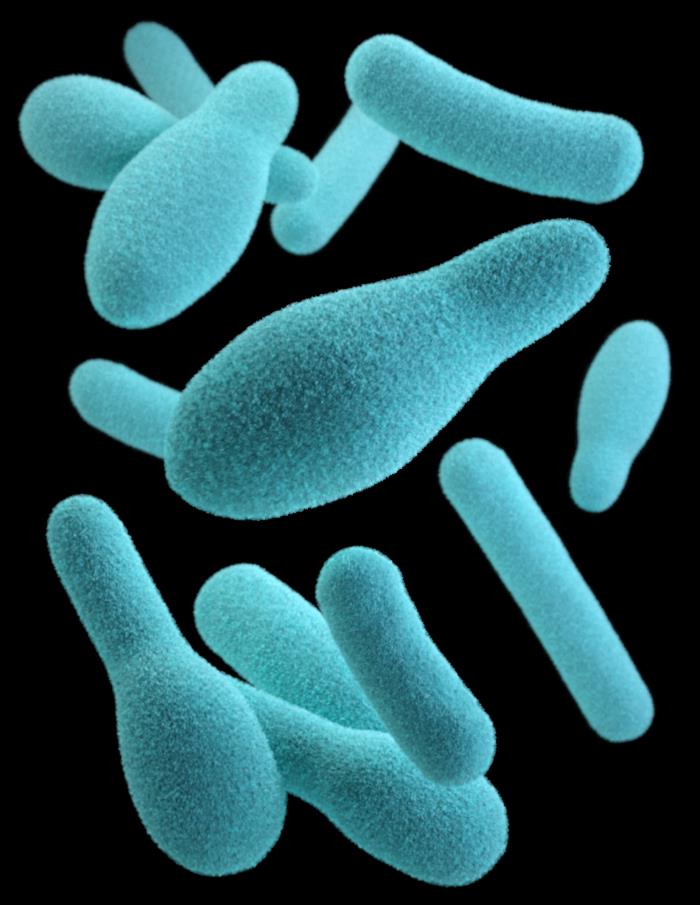
kswfoodworld E.coli O157

Image CDC

In November 2017, Public Health England (PHE) identified an outbreak of Shiga toxinproducing Escherichia coli O157 in England where whole genome sequencing results indicated cases were likely to be linked to a common source and began investigations. Hypothesis generation included a review of enhanced surveillance data, a case-case study and trawling interviews. The hypothesis of interest was tested through the administration of focussed questionnaires and review of shopping history using loyalty card data. Twelve outbreak cases were detected, eight were hospitalised, and four developed Haemolytic Uraemic Syndrome. Frozen beef burgers supplied by a national retailer were identified as
the vehicle of the outbreak. Testing of two left-over burger samples obtained from freezers of two separate (unlinked) cases and a retained sample from the production premises were tested and found positive for the STEC outbreak strain. A voluntary recall of the burgers was implemented by the retailer. Investigations at the production premises identified no contraventions of food safety legislation. Cooking guidance on the product packaging was deemed to be adequate and interviews with the cases/carers who prepared the burgers
revealed no deficiencies in cooking practices at home. Given the long-shelf life of frozen burgers, the product recall likely prevented more cases.

RASFF Alert – Clostridium Sulphite Reducer – Organic Canned White Sausages

RASFF

Clostridium sulphite reducer (2.8x10E7 CFU/g) in organic canned white sausages from Germany in Germany

RASFF Alerts – Aflatoxin – Groundnuts – Roasted Pistachios – Peanut Butter – Red Rice – Black Pepper – Flavour Coated Groundnuts – Peanuts – Spice Mix – Pistachios – Basmati Rice

As I have been on annual leave I have covered the last two weeks RASFF Alerts.

European Food Alerts

RASFF

aflatoxins (B1 = 29; Tot. = 51 µg/kg – ppb) in groundnuts from Argentina in the Netherlands

RASFF

aflatoxins (Tot. = 16.12 µg/kg – ppb) in roasted and salted pistachio kernels from Turkey in Germany

RASFF

aflatoxins (B1 = 8.3; Tot. = 9.6 µg/kg – ppb) in peanut butter from the United Kingdom in Ireland

RASFF

aflatoxins (B1 = 8.9; Tot. = 11 µg/kg – ppb) and ochratoxin A (10.3 µg/kg – ppb) in red rice from Sri Lanka in Switzerland

RASFF

aflatoxins (B1 = 14.7; Tot. = 20.1 µg/kg – ppb) in black pepper from Nigeria in Belgium

RASFF

aflatoxins (B1 = 5.6 µg/kg – ppb) in blanched groundnuts from India in the Netherlands

RASFF

aflatoxins (B1 = 3.8; Tot. = 4 µg/kg – ppb) in groundnut kernels from Argentina in the Netherlands

RASFF

aflatoxins (B1 = 5.7; Tot. = 22 µg/kg – ppb) in groundnut kernels from Argentina in the Netherlands

RASFF

aflatoxins (B1 = 3.4; Tot. = 3.8 µg/kg – ppb) in groundnut kernels from Argentina in the Netherlands

RASFF

aflatoxins (B1 = 26.3; Tot. = 29.8 µg/kg – ppb) in flavoured coated groundnuts from Germany in Finland

RASFF

aflatoxins (B1 = 5.4 µg/kg – ppb) in flavoured groundnuts from Germany in Finland

RASFF

aflatoxins (B1 = 3.1; Tot. = 3.9 µg/kg – ppb) in peanuts with shell from India in Spain

RASFF

aflatoxins (B1 = 5; Tot. = 5 µg/kg – ppb) in groundnuts from China, via Germany in the Netherlands

RASFF

aflatoxins (B1 = 8.6; Tot. = 10.0 µg/kg – ppb) in dry roasted cocktail peanuts from Nigeria in the UK

RASFF

aflatoxins (B1 = 6.6; Tot. = 6.6 µg/kg – ppb) in spice mix from Pakistan in Ireland

RASFF

aflatoxins (B1 = 9.8; Tot. = 11.1 µg/kg – ppb) in spice mix from Pakistan in Ireland

RASFF

aflatoxins (B1 = 15.8; Tot. = 17.4 µg/kg – ppb) in inshell pistachios from Iran in Greece

RASFF

aflatoxins (B1 = 4.6; Tot. = 4.6 µg/kg – ppb) in basmati rice from Pakistan in Greece

RASFF

aflatoxins (B1 = 94; Tot. = 101 µg/kg – ppb) in pistachios from Iran in Spain

China – Durian grabbed from sunken vessel sicken 523 Guangxi villagers – Vibrio parahaemolyticus

The Standard

Food Illness

A total of 523 Chinese villagers suffered from food poisoning symptoms after eating durian from a capsized cargo ship in Guangxi on August 26, the local disease control center announced on Tuesday, the state media said.

A later investigation showed that they were infected with vibrio parahaemolyticus bacterium, which, when ingested, causes gastrointestinal illness in humans, and was probably caused by the durian becoming contaminated by sea water.
An announcement from the local government on August 27 said 101 of the villagers suffered from abdominal pains, diarrhea and vomiting while others only displayed mild symptoms. Nine people are currently in hospital,
Video clips circulating online showed the villagers rushing to the sea to try and recover durian floating on the sea water’s surface, after a cargo ship loaded with durian overturned around 200 meters away from the coast of Dongxing in Guangxi on August 26.
Local authorities tried to stop the villagers, but they still managed to recover some durian.
More common in the sea, vibrio parahaemolyticus bacterium is a microorganism that favors salty food, and is commonly found in food poisoning cases in coastal areas in the summer and autumn months, Guangxi Center for Disease Prevention and Control said.
It often lurks in fish, shrimp, crab, shellfish and other seafood, and occasionally spreads through salted products like pickles, seasoned meats and salted eggs. It is suspected the durian, soaked in sea water, could have been contaminated with the microorganism.
Experts said the incubation period for those infected with the bacterium ranges from 1 hour to 4 days, but lasts 10 hours in most cases. The symptoms resulting from its ingestion start quickly, and include chills, abdominal pains, nausea and vomiting, followed by fever, diarrhea, and watery or bloody stool.

Research – A critical literature review to assess the significance of intervention methods to reduce the microbiological load on beef through primary production

FSA

Background

The sale and consumption of burgers served less than thoroughly cooked (LTTC) and pink in the middle is a steadily increasing trend and several catering chains and outlets now offer this option to customers. This prompted concerns that there may be an increased risk of exposure to E. coli O157 for consumers who prefer this type of food. Our Board concluded that burgers served LTTC should be delivered to the same level of protection as thorough cooking provides the consumer. The safe production of this product at catering establishments is likely to be significantly reliant on controls and/or interventions applied at the beef processing facilities previously in the chain, particularly slaughterhouses and cutting plants.

Research Approach

The main aim of this study is to perform a broad critical review of available literature on the scientific research in intervention measures for beef, to obtain quantitative information on the reduction of bacterial load in the minced beef production chain. The review covers a range of GHP-based and hazard-based interventions at the abattoir stage (from receive and unload of animals to chilled carcasses) and post-abattoir stage (further processing of raw beef and packaging). It looks at the outcome of interventions on a range of bacterial indicators and foodborne pathogens.

Relevant outcome measures for interventions where the effectiveness of each intervention in reducing log levels of indicator bacteria (aerobic colony counts (ACC), Enterobacteriaceae counts (EBC), total coliform counts and generic E. coli counts and log levels of foodborne pathogens (primarily E. coli O157 and other VTEC and Salmonella, but also other foodborne pathogens).

Results

The main relevant outcome measures are:

  • Pre-slaughter beef interventions: Several interventions were identified at the lairage stage, from cattle received to the stunning and bleeding steps. Good hygiene practices such as lairage cleaning, proper cattle handling to prevent hide cross-contamination and hide cleanliness assessment, are recommended for use
  • Beef interventions at slaughter: Cattle hide interventions, such as chemical hide washes and microbial immobilisation treatment with shellac, are recommended for consideration as potential hazard-based interventions when applied post-exsanguination and before dehiding for reducing microbial contamination of resulting beef carcasses

Multiple use of carcass interventions was shown to have the biggest impact on microbial reduction on beef carcasses, more than any of these interventions applied alone

  • Post-slaughter beef interventions: Good hygiene practices during carcass fabrication are necessary to prevent and minimise carcass cross-contamination post-chill. Various interventions for beef primals, subprimals and trim with physical (hot water) or chemical substances have shown good reduction effects on microbiota, often statistically significant. However, these treatments can only be used if properly optimised so to retain acceptable sensory quality of the final products

Packaging-based interventions for beef cuts and minced beef had very variable effects in reduction of microbiota. Modified atmosphere packaging (MAP) and vacuum packaging are considered useful to extend the shelf life of beef trim and minced beef, but they had very limited and not statistically significant reduction effect on E. coli O157:H7


New Zealand – Shellfish biotoxin alert – PSP

MPI

North Island warnings

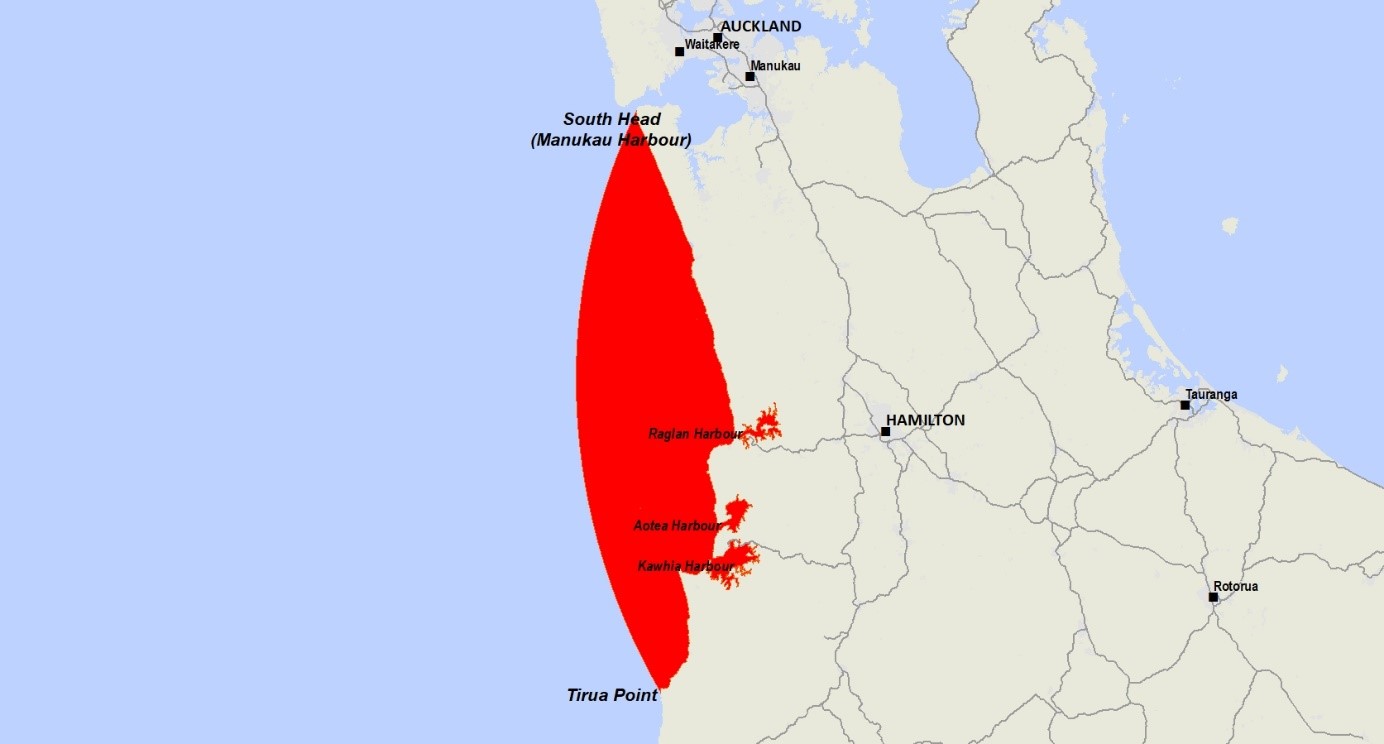
West coast, South Head to Tirua Point (south of Kawhia)

Reason for alert Paralytic Shellfish Poisoning (PSP)

Date warning issued Extended on 2 September 2020

Media release

First issue: 12 August 2020

Media release

Affected area West Coast North Island – from South Head (Manukau Harbour entrance) to Tirua Point (south of Kawhia)
Shellfish affected Mussels, oysters, tuatua, pipi, toheroa, cockles, scallops, catseyes, kina (sea urchin) and all other bivalve shellfish.

Note, cooking shellfish does not remove the toxin.

Pāua, crab and crayfish may still be eaten if the gut has been completely removed prior to cooking, as toxins accumulate in the gut. If the gut is not removed its contents could contaminate the meat during the cooking process.

Symptoms Symptoms typically appear between 10 minutes and 3 hours after ingestion and may include:

  • numbness and a tingling (prickly feeling) around the mouth, face, and extremities (hands and feet)
  • difficulty swallowing or breathing
  • dizziness
  • headache
  • nausea
  • vomiting
  • diarrhoea
  • paralysis and respiratory failure and in severe cases, death.
Other information Paralytic shellfish toxins have been detected in shellfish at levels over the safe limit of 0.8mg/kg set by MPI. Ongoing testing will continue and any changes will be communicated accordingly.

Map of affected area

Map showing the affected area

New Zealand – Shellfish biotoxin alert extended for North Island west coast, including Raglan

MPI

The Ministry for Primary Industries today extended the current public health warning against collecting shellfish from the west coast of the North Island. The warning now extends from South Head (Manukau Harbour entrance) to Tirua Point (south of Kawhia Harbour).

Paralytic Shellfish Poisoning (PSP) toxins have been detected in shellfish from the Kawhia Harbour above the safe limit set by MPI.

The other public health warning for Hawke’s Bay remains in place.

Mussels, oysters, tuatua, pipi, toheroa, cockles, scallops, catseyes, kina (sea urchin) and all other bivalve shellfish should not be eaten.

Note, cooking shellfish does not remove the toxin.

Pāua, crab and crayfish may still be eaten if the gut has been completely removed prior to cooking, as toxins accumulate in the gut. If the gut is not removed its contents could contaminate the meat during the cooking process.

Symptoms typically appear between 10 minutes and 3 hours after ingestion and may include:

  • numbness and a tingling (prickly feeling) around the mouth, face, and extremities (hands and feet)
  • difficulty swallowing or breathing
  • dizziness
  • headache
  • nausea
  • vomiting
  • diarrhoea
  • paralysis and respiratory failure and in severe cases, death.

If anyone becomes ill after eating shellfish from an area where a public health warning has been issued, phone Healthline for advice on 0800 61 11 16, or seek medical attention immediately. You are also advised to contact your nearest public health unit and keep any leftover shellfish in case it can be tested.

Monitoring of toxin levels will continue and any changes will be communicated accordingly. Commercially harvested shellfish – sold in shops and supermarkets, or exported – is subject to strict water and flesh monitoring programmes by MPI to ensure they are safe to eat.

Vietnam – Lethal bacteria in vegan pate puts seven people on life support – Clostridium botulinum

VN Express

kswfoodworld

Foodborne botulism caused by Minh Chay vegan pate has put seven people on ventilators, including one paralyzed and entirely dependent on the machine.

The ICU and Poison Control Department at the Hospital for Tropical Diseases in Ho Chi Minh City is treating two middle-aged sisters from Long An Province who fell seriously sick after eating Minh Chay pate, said hospital director Nguyen Van Vinh Chau.

Minh Chay pate is produced by Loi Song Moi Company in Hanoi’s Dong Anh District.

The duo from southern Vietnam was admitted with difficulties in swallowing and opening their mouth. Their condition worsened quickly, causing paralysis in their body and respiratory muscles. They had to be put on ventilators. After two weeks of treatment, the younger sister can move her arms and legs and her reliance on the ventilator has reduced.

“The older one’s situation is more serious; she is awake but only can move the tips of her fingers, toes and lip

Netherlands – Important safety warning roasted almonds salted 200 grams Aldi – Aflatoxin

NVWA

Aldi warns against roasted almonds, salted 200 grams with barcode 23046832 and best before date 03-2021. A check has shown that this product may contain too high a level of aflatoxin. Eating too much aflatoxin can be harmful to your health. Customers are therefore urged not to consume the product and to return it to an Aldi store.

See also website Aldi

bag of salted roasted almonds from Aldi

© Aldi

Canada – Notice not to consume tempeh and vegan burger sold by the company Aux Vivres – Bacillus cereus

MAPAQ

MAPAQ, in collaboration with the Food Inspection Division of the City of Montreal and the company Aux Vivres, located at 5333 avenue Casgrain, in Montreal , is warning the population not to consume the products indicated in the table below, because these foods are likely to contain the bacterium Bacillus cereus .


Product name Format CUP Lots targeted
“Maple-smoked tempeh” 200g 27932500455 Units sold bearing the use-by date (“best before”) of September 8, 2020
“Veggie burger” 380g 627932500158 Units sold bearing the expiration date (“best before”) of August 13, 2020

* ADD A LOT OF PRODUCT on August 28, 2020

“Smoked onion tempeh” 200g 627932500752 Units sold bearing the expiration date (“best before”) of September 22, 2020

* Units sold bearing the use-by date (“best before”) of September 29, 2020

The products that are the subject of this advisory were available for sale at several locations across the province . Tempehs were vacuum-packed in clear plastic wrap and sold refrigerated. The “veggie burger” was packaged in a clear plastic container with a white plastic lid and was sold refrigerated. The label includes, in addition to the proper name of the products, the words “AUX VIVRES”.

The operator is voluntarily recalling the products in question. He agreed with the MAPAQ and the Food Inspection Division of the City of Montreal to disseminate this notice as a precautionary measure. It should be noted that no case of illness associated with the consumption of these foods has been reported to MAPAQ to date.

People who have a unit of these products in their possession are therefore advised not to consume it. They must either return it to the establishment where they bought it or throw it away. Even if the products do not show any signs of spoilage or a suspicious odor, consuming them may represent a health risk. Symptoms of Bacillus cereus poisoning can occur between 1.5 and 5 hours after consuming the contaminated food and manifest as nausea and vomiting. However, they can also appear 8 to 16 hours after consuming the food. In this case, the main symptoms are nausea, abdominal cramps, diarrhea and sometimes vomiting. Usually, symptoms go away within 24 hours.

Additional information

Source:

Media relations
Communications
Department Ministry of Agriculture, Fisheries
and Food
Tel. : 418 380-2100, extension 3512
www.mapaq.gouv.qc.ca

Product (s)