Category Archives: Food Toxin

RASFF Alerts – STEC E.coli – Reblochon Cheese- Veal Meat – Lamb Loins

RASFF

Escherichia coli shiga toxin-producing in Reblochon cheese from France in Austria and Germany

RASFF

E.coli STEC (Stx+) in veal meat from Belgium, Czech Republic, Germany, Greece, Hungary, Italy, Portugal, Slovenia and Spain.

RASFF

Escherichia coli (STEC) in frozen lamb loins from New Zealand in Italy

RASFF Alerts – Aflatoxin – Groundnuts – Pistachios – Nutmeg – Peanut Butter – Brazil Nuts – Peanuts

RASFF

Aflatoxins in Indian Groundnut Kernels in the Netherlands

RASFF

Aflatoxins in shelled pistachios from the USA in Italy

RASFF

Aflatoxins in nutmeg from Indonesia in the Netherlands

RASFF

Aflatoxins in groundnuts from Argentina in the Netherlands

RASFF

Too much Aflatoxin B1 in peanut butter from United States in Finland

RASFF

Aflatoxins in Brazil nuts from Peru in the Netherlands

RASFF

Aflatoxins in Organic Nicaraguan Peanuts in the Netherlands

RASFF

Aflatoxins in peanuts from USA in Bulgaria

RASFF

Aflatoxins in organic Paraguay peanuts in the Netherlands

RASFF Alert – Bacillus cereus – Ground Ginger

RASFF

Presumptive Bacillus cereus in ground ginger from Niger in France

RASFF Alert – Histamine – Mackerel

RASFF

Histamine in mackerel from Netherlands in Austria, Belgium, Czech Republic, Estonia, Germany, Lithuania, Netherlands and USA

RASFF Alerts – Animal Feed – Aflatoxin – Peanut Kernels

RASFF

Aflatoxin B1 in peanut kernels from Argentina in Germany

Research – Mycotoxins in aquaculture: A mitigation approach in turbot

All About Feed

Aquaculture is the fastest-growing food production industry in the world. Due to concerns about sustainability, the need to replace fish meal with plant-based protein alternatives becomes more urgent. However, plant-based ingredients are often contaminated with mycotoxins, increasing the health risks to fish.

Plant-based ingredients in commercial fish diets include maize, soybean meal and various cereal grains, each representing a potential source of mycotoxins.

Mycotoxins in fish feed a widespread problem

Mycotoxin-contaminated fish feed is a widespread problem, especially in tropical regions and developing countries where the farmers themselves often make fish feeds under inappropriate conditions with improper milling and/or storage. In addition to their impact on fish health, some mycotoxins can also accumulate in fish tissue, thereby posing a possible food safety risk.

About mycotoxins in aquaculture

According to a recent risk assessment study on mycotoxin contamination in fish feeds in Europe, deoxynivalenol (DON) is one of the primary mycotoxins present. DON is produced by over 50 species of Fusarium fungi, which mainly infect crops such as wheat and maize before harvest. Fusarium fungi produce a range of mycotoxins, such as fumonisins, the trichothecenes — most strongly associated with chronic and fatal toxic effects in animals and humans — and zearalenone, which is known to affect the fertility of many animal species, including aquatic species such as fish and shrimp.

The impact of mycotoxins depends on several factors including:

  • The type and quantity of mycotoxins in the feed,
  • Feeding level,
  • Duration of exposure
  • The species of fish

Most common issues include:

  • Reduced growth performance,
  • Immune suppression
  • Increased mortality

These are often associated with other on-farm concerns, so the mycotoxin risk is currently underestimated.


Research – Foodborne Botulism in Ukraine from 1955 to 2018

Mary Anne Liebert

kswfoodworld

We aim to identify possible biological, social, and economic factors that could influence the prevalence of foodborne botulism (FB). The objective of this article is to assess epidemiological peculiarities of FB in Ukraine from 1955 to 2018 using national epidemiological surveillance data. This article presents an epidemiological descriptive population-based study of the epidemiology of FB using correlation analysis. From 1955 to 2018, 8614 cases of botulism were recorded in Ukraine causing 659 deaths. The distribution of types of botulism toxins is represented by type A (7.97%), B (59.64%), suspected as C (0.56%), E (25.47%), others (5.33%), and unidentified (1.04%). From 1990 to 2015, the rate correlation between Human Development Index (HDI) and incidence of botulism was −0.75 ± 0.20. Homemade canned meat and fish continue to be the leading causes of botulism in Ukraine. Cases related to commercial food were rare or absent, but in recent years (2017–2018), their percentage has increased to 32.56%. The HDI and botulism have an inverse mathematical correlation and predictable logical relationship: with an HDI increase, the incidence of FB decreased. In general, food botulism in Ukraine is related to traditional socioeconomic factors related to cultural food habits. In the face of declining living standards and uncertainty that food products will be physically or economically available, homemade preservation increases. Home food preservation is a major cause of botulism in Ukraine. The elimination of FB is possible in Ukraine only with the complete cessation of home canning and state control over the manufacture and sale of commercial canned products.

Belgium – Beef-based preparations, sold via the Cora butcher’s stand in Woluwe-Saint-Lambert – STEC E.coli

AFSCA

Recall of Cora
Product: Beef-based preparations, sold via the Cora butcher’s stand in Woluwe-Saint-Lambert.
Problem: Presence of Escherichia Coli (STEC).


As part of a self-test, the presence of Escherichia Coli (STEC) was detected in:

Beef-based preparations, sold via the Cora de Woluwe-Saint-Lambert butcher’s stand:
• Batch number: BE961762132 and all packaged preparations from 01/08 to 11/08/2021
• Date of packaging: from 08/01 to 08/11/2021

The products were distributed via the Cora of Woluwe-Saint-Lambert (1200 Brussels) .

CORA has decided, in agreement with the AFSCA (Federal Agency for the Safety of the Food Chain), to withdraw all production made from this raw material from sale.

Customers who have purchased one of these products are asked not to consume them and to bring them back to the point of sale, where they will be reimbursed.

People who have consumed the products mentioned above and who have symptoms such as gastrointestinal disorders are invited to consult their doctor, notifying him of this consumption as well as the place and date of purchase.

In the meantime, the products have been removed from the shelf of this store and a ‘Customer Reminder’ poster is displayed at this point of sale.

We sincerely apologize to our customers for this inconvenience and assure them that we will take more effective measures with our supplier to avoid this type of incident.

For any further information, contact:
alerts-retraits@cora.be
+3271699524
The CORA Quality Department

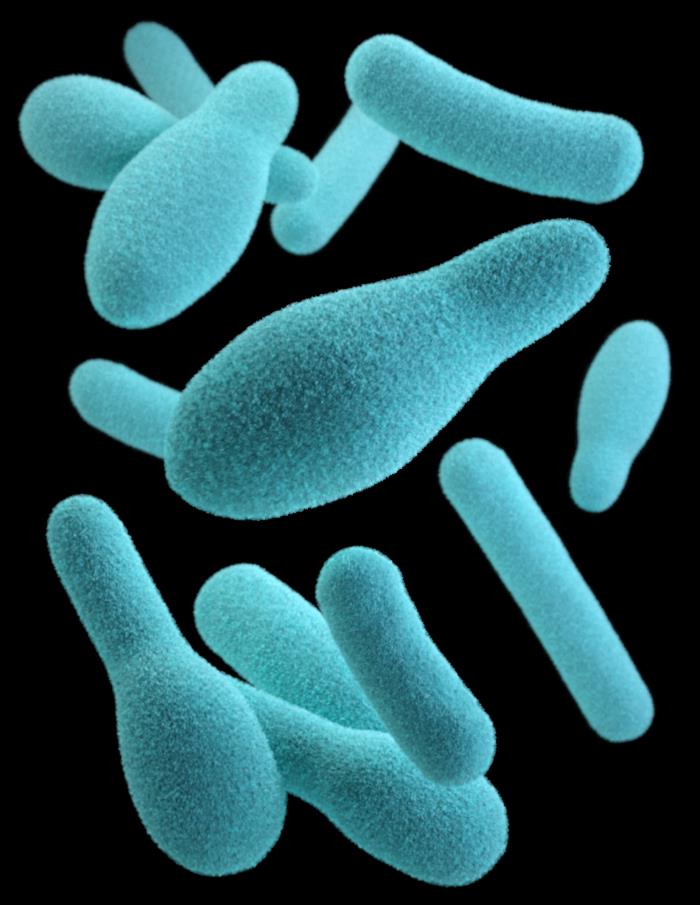
Germany – Ground almonds ORGANIC – Aflatoxin

LMW

Warning type: Food
Date of first publication: 08/12/2021
Product name:

Ground almonds ORGANIC

Product pictures:

Dok1-001.jpg

Recall Horst Bode Naturkost GmbH

Manufacturer (distributor):

Bode Naturkost GmbH Havighorster Weg 6 21031 Hamburg

Reason for warning:

Aflatoxins

Packaging Unit: 100 g
Durability: 05/14/2022
Lot identification: BN43290.0
Contact to the responsible authorities:

Baden-Württemberg:poststelle@mlr.bwl.de

Bavaria:poststelle@lgl.bayern.de
Berlin:poststelle@senjustva.berlin.de
Brandenburg:Konsumenterschutz@Msgiv.Brandenburg.de
Bremen:Schnellwarnung@gesundheit.bremen.de
Hamburg:poststelle@justiz.hamburg.de
Hesse:Schnellwarnung@rpda.hessen.de
Mecklenburg-Western Pomerania:poststelle@lm.mv-regierung.de
Lower Saxony:poststelle@ml.niedersachsen.de
North Rhine-Westphalia:poststelle@mulnv.nrw.de
Rhineland-Palatinate:Poststelle.Referat22@lua.rlp.de
Saarland:poststelle-luv@lav.saarland.de
Saxony:poststelle@sms.sachsen.de
Schleswig-Holstein:poststelle@jumi.landsh.de
Press releases and information
title Attachment or web link
Recall Bode Naturkost GmbH

RASFF Alerts – Aflatoxin – Brown Rice – Peanuts – Groundnuts – Pistachios – Organic Almonds

RASFF

Aflatoxins in U.S.A. peanuts in the Netherlands

RASFF

Aflatoxin in Nicaraguan groundnuts in the Netherlands

RASFF

Aflatoxins in pistachios from the United States in Germany

RASFF

Aflatoxins in Organic Egyptian peanuts for Further Processing in the Netherlands

RASFF

Aflatoxins in ground organic almonds from Spain in Austria, Bulgaria, Germany, Hungary, Luxembourg, Poland, Spain and Sweden

RASFF

Aflatoxin in Pakistan Brown Rice in the Netherlands