Category Archives: Food Safety Management

USA – Bring Food Safety to Your Summer Vacation

FSIS USDA

As summertime brings families and friends together for outdoor celebrations, the U.S. Department of Agriculture (USDA) wants to make sure your summer festivities are food safe. Whether you’re grilling burgers, camping, or having a picnic, everyone should always remember to practice proper handwashing and use a food thermometer.

After observing that consumer behavior in test kitchens revealed that people are skipping basic food safety practices, USDA is concerned that consumers are not doing enough to reduce the risk of foodborne illness.

“Our research shows that participants were not adequately washing their hands or using a food thermometer,” says USDA Deputy Under Secretary for Food Safety Sandra Eskin “Summer is a time to relax and enjoy delicious meals with friends and family but foodborne pathogens never rest. Following safe food handling practices during this and all other seasons can reduce the risk of you and your loved ones getting sick.”

USDA encourages all Americans to follow these food safety tips to keep you and your family foodborne illness free this summer.

Wash Your Hands

Inadequate handwashing is a contributing factor to many illnesses, including foodborne illness. It is important to follow proper handwashing steps before, during, and after preparing food to prevent bacteria from transferring from your hands to your meal.

Recent USDA consumer research (January 2020-2021) showed that 56% of participants didn’t attempt to wash their hands during meal preparation. This is a major drop in handwashing attempts from prior years’ research. In year 3, this figure was 71% and in year 2 it was 74%.

In addition to low attempts at handwashing, roughly 95% of participants failed to wash their hands properly. The most common reason in the study for unsuccessful handwashing was failing to rub hands with soap for at least 20 seconds, followed by not wetting hands with water as a first step.

There are five steps for proper handwashing: wet hands, lather with soap, scrub for 20 seconds, rinse, and dry.

Use a Food Thermometer

Don’t forget to bring a food thermometer to your summer activities. Always use a food thermometer to check the internal temperature of your food to determine if it is safe to eat. Insert the thermometer into the thickest part of the meat, through the side, for the most accurate temperature reading. In the study, only 55% of participants used a food thermometer to check the internal temperature of the hamburgers and sausages they were cooking. Use a food thermometer to ensure the following foods have reached their safe internal temperature:

  • Beef, pork, lamb and veal steaks, chops and roasts: 145 F with a 3-minute rest
  • Fish: 145 F
  • Egg dishes: 160 F
  • Ground meats (beef, pork, lamb and veal): 160 F
  • All poultry (whole or ground): 165 F

Avoid Cross-Contamination

While preparing your meal this Memorial Day, be sure to keep your raw meat separate from your fruits and vegetables. Raw meat and poultry can carry bacteria that causes foodborne illness. To reduce the risk of cross-contamination, USDA recommends using separate cutting boards: one for raw meat and poultry, and another for fruits and vegetables.

In this study, cross-contamination was prevalent. Across all participants:

  • 32% contaminated their plates and cutting boards while preparing food.
  • 28% contaminated their kitchen sinks.
  • 12% contaminated spice containers.
  • 8% contaminated the cupboard handles in their kitchen.

These findings are part of a multi-year, mixed-method study that USDA’s Food Safety and Inspection Service (FSIS) commissioned to evaluate various consumer food handling behaviors. The study uses test kitchens, focus groups, and nationally representative surveys to better understand food safety practices and experiences with food recalls, foodborne illness, and FSIS food safety resources. More information about this study is available in an executive summary.
India – Telangana: Now report food safety and quality issues through social media

Telangana Today

Hyderabad: To address grievances related to food poisoning, lack of quality and safety in food products and ingredients, the Telangana government on Sunday has urged people to call (040-21111111) or reach out to food safety officials through micro-blogging social media platform Twitter (@AFCGHMC) for quick redressal.

State Health Minister, T Harish Rao, in a review meeting here on Sunday with officials from Commissioner of Food Safety, Institute of Preventive Medicine (IPM) and food safety inspectors from all the districts and senior health officials, assured people that quick food safety checks will be conducted by food safety officials after receiving complaints through the call centre or the Twitter handle @AFCGHMC.

India – 200 hotels shut in crackdown on stale food after food poisoning death in Kerala

Hindustan Times

A week after a 16-year-old girl died in north Kerala after consuming stale shawarma, the government launched a crackdown on the eateries during which over 200 hotels were shut and large quantity of stale meat and fish was seized in a week-long operation across the state.

“During the drive, over 500 kg stale meat and 6,000 kg fish laced with chemicals was seized in the state,”said a food safety official said, adding, “the checking drive will be intensified.” Last week, the high court had registered a case suo motu and asked the government and food safety officials to conduct regular examinations instead of acting only after a tragedy.

New Zealand – Public health warning for shellfish for entire Pelorus Sound area, Marlborough Sounds – PSP

MPI

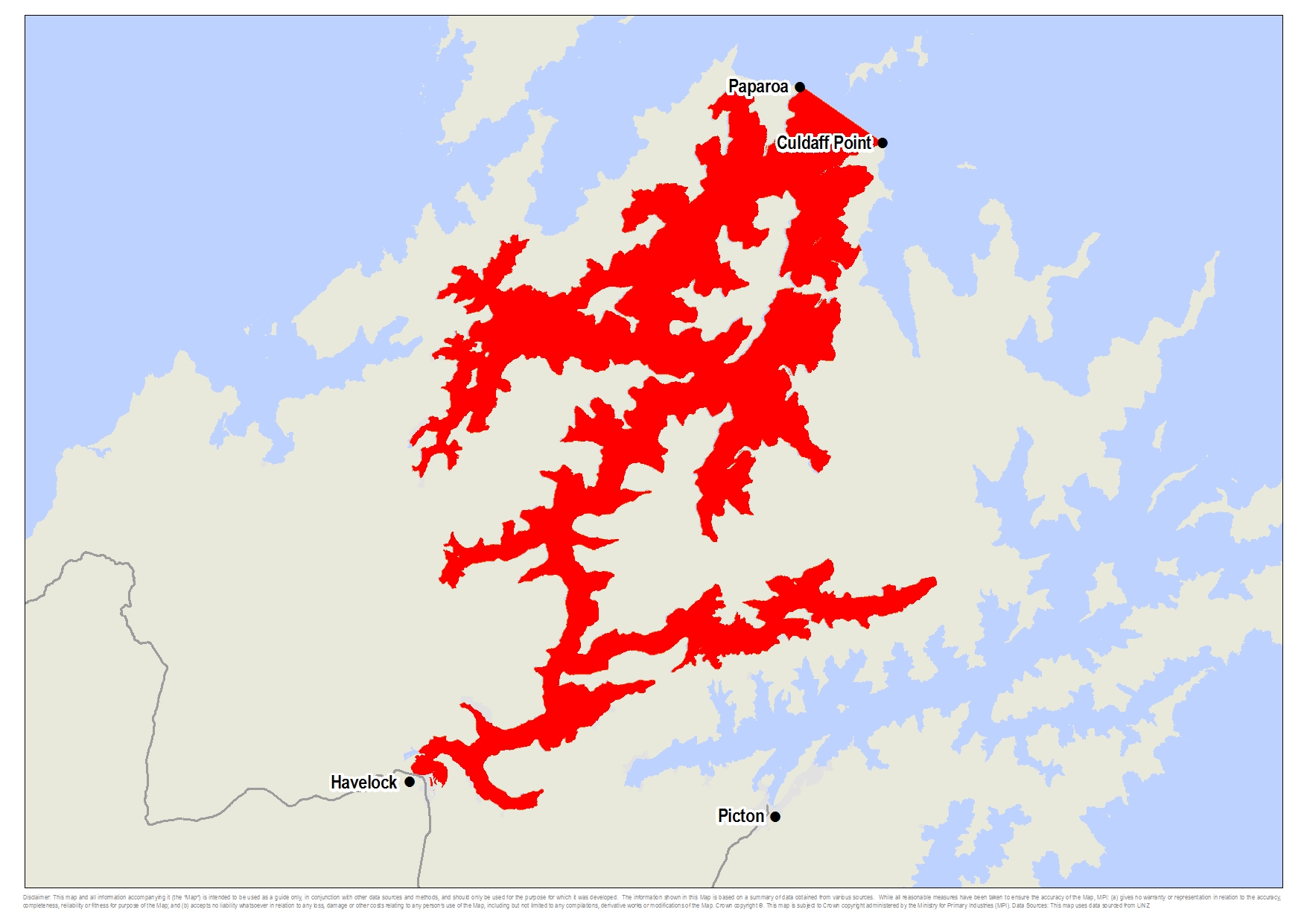
Map of the affected area to the entire Pelorus Sound area, Marlborough Sounds

The Ministry for Primary Industries (MPI) today issued an extension to the public health warning advising the public not to collect or consume shellfish harvested from Crail Bay in Marlborough Sounds. The extension now applies to the entire Pelorus Sound area including its arms to the east and west, up to a line at the entrance from Paparoa to Culdaff Point.

Routine tests on shellfish samples taken from this region have shown levels of Paralytic Shellfish Poisoning (PSP) toxins above the safe limit of 0.8 mg/kg set by MPI. Anyone eating shellfish from this area is potentially at risk of illness.

Mussels, oysters, tuatua, pipi, toheroa, cockles, scallops, catseyes, kina (sea urchin) and all other bivalve shellfish should not be eaten.

Note, cooking shellfish does not remove the toxin.

Pāua, crab and crayfish may still be eaten if the gut has been completely removed prior to cooking, as toxins accumulate in the gut. If the gut is not removed, its contents could contaminate the meat during the cooking process.

Symptoms typically appear between 10 minutes and 3 hours after ingestion and may include:

  • numbness and a tingling (prickly feeling) around the mouth, face, and extremities (hands and feet)
  • difficulty swallowing or breathing
  • dizziness
  • headache
  • nausea
  • vomiting
  • diarrhoea
  • paralysis and respiratory failure and in severe cases, death.

If anyone becomes ill after eating shellfish from an area where a public health warning has been issued, phone Healthline for advice on 0800 61 11 16, or seek medical attention immediately. You are also advised to contact your nearest public health unit and keep any leftover shellfish in case it can be tested.

Monitoring of toxin levels will continue and any changes will be communicated accordingly. Commercially harvested shellfish – sold in shops and supermarkets, or exported – is subject to strict water and flesh monitoring programmes by MPI to ensure they are safe to eat.

USA – Webinar on the Foodborne Outbreak Response Improvement Plan – April 13th 2022

FDA

New Era for Smarter Food Safety

The U.S. Food and Drug Administration (FDA) is holding a webinar on the Foodborne Outbreak Response Improvement Plan that the agency released in early December 2021.

Deputy FDA Commissioner Frank Yiannas and FDA experts across agency’s human foods program will be available to explain and answer questions about the plan with the goal of raising awareness, enhancing understanding, and building support. Stakeholders are welcome to provide their insights as well as ask questions.

This response improvement plan focuses on tech-enabled product traceback, root cause investigations, analysis and dissemination of outbreak data, and operational improvements. It is intended to work in concert with FDA’s New Era of Smarter Food Safety Blueprint, which outlines specific approaches the FDA will take over the next decade to address food safety in the rapidly changing food system.

The plan was also informed by an independent review of the FDA’s structural and functional capacity to support, participate in, or lead multistate foodborne illness outbreak investigation activities. You will hear more about that review in this webinar.

The speakers will be:

  • Frank Yiannas, Deputy Commissioner for Food Policy and Response
  • RADM David Goldman, Chief Medical Officer, Office of Food Policy and Response
  • Stic Harris, Director, FDA’s Coordinated Response and Evaluation Network (CORE)
  • CDR Kari Irvin, Deputy Director, CORE
  • Scott MacIntire, Program Director, Office of Human and Animal Food Operations – West
  • Craig Hedberg, University of Minnesota, author of “An Independent Review of FDA’s Foodborne Outbreak Response Processes”

The webinar will also be recorded and posted to the FDA website.

You are also welcome to submit questions during the webinar to SmarterFoodSafety@fda.hhs.gov.

Registration

Registration is required. There will be an opportunity to ask questions in advance on the registration form.

REGISTERExternal Link Disclaimer

Additional Information

USA – New Era of Smarter Food Safety: FDA’s Foodborne Outbreak Response Improvement Plan

I. What progress have we made to date?

The FDA and its par

FDA

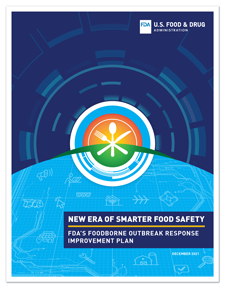
New Era of Smarter Food Safety - FDA's Foodborne Outbreak Response Improvement Plan Cover

Tackling foodborne outbreaks faster and revealing the root cause are essential for the prevention of future outbreaks. We have a plan to do that.

Foodborne disease remains a significant public health problem in the United States. The FDA’s Foodborne Outbreak Response Improvement Plan (FORIP), described in this document, is an important step that the FDA is taking to enhance the speed, effectiveness, coordination, and communication of outbreak investigations. (Unless stated otherwise, this report focuses exclusively on the response to human food and not animal food.)

Our ultimate goal is to bend the curve of foodborne illness in this country.


USA – Mystery Salmonella and Listeria Outbreaks sicken 75 in United States while infant formula kills 2

Food Poison Journal

The Food and Drug Administration has posted an increase in the number of patients in an outbreak of Listeria monocytogenes infections as it continues investigations into three other outbreaks.

The new patient count in the Listeria outbreak is 16, up from 14 reported a week ago. As of March 16 the FDA had not determined the cause of the outbreak. The agency has initiated traceback efforts, but has not revealed what food or foods are involved in those activities.

The FDA has not revealed any demographic information on the Listeria patients and has not reported where they live.

In other outbreak news the FDA is investigating a new outbreak of Salmonella SaintPaul infections that has sickened 59 people. The agency announced the outbreak on March 16. As with the Listeria outbreak investigation, the FDA has not released any patient information for the Salmonella outbreak and has not reported where the patients live. Traceback efforts have begun, according to the FDA, but the agency did not report what food or foods are involved.

USA – TechTalk Podcast Episode 3: Artificial Intelligence in the New Era of Smarter Food Safety

FDA

On March 21, 2022, the third installment of FDA’s new podcast series on technology and food safety will focus on artificial intelligence (AI) and its potential to advance food safety.

This quarterly podcast explores the potential for novel technological approaches and solutions in each of the core elements in the New Era of Smarter Food Safety Blueprint. The second Core Element, called Smarter Tools and Approaches for Prevention and Outbreak Response, includes goals to expand predictive analytics capabilities using AI and machine learning tools.

In this third podcast, Frank Yiannas, Deputy FDA Commissioner for Food Policy and Response, and Donald Prater, Associate Commissioner for Imported Food Safety, will lead a discussion with food industry experts on subjects that include the opportunities that AI offers to help protect consumers from food safety issues, potential uses of AI that food producers could consider, and what’s on the horizon for AI in FDA’s New Era of Smarter Food Safety.

The experts:

  • Maria Velissariou, Global Corporate Research & Development Vice President and Chief Science Officer for Mars Incorporated, a global, family-owned business with a portfolio of confectionary, food and pet-care products and services;
  • Nikos Manouselis, founder and CEO of Agroknow, a food safety intelligence company that predicts food safety risks to inform prevention; and
  • Cronan McNamara – founder and CEO of Creme Global, a company providing food safety data analytics and predictive modeling software and services.

To Listen

The link to listen will be posted on Monday, March 21, 2022 on this page and on the TechTalk Podcast main page on fda.gov.

Registration is not required but questions can be emailed in advance at SmarterFoodSafety@fda.hhs.gov. Questions submitted by March 14, 2022 may be considered by the panelists.

Related Podcasts

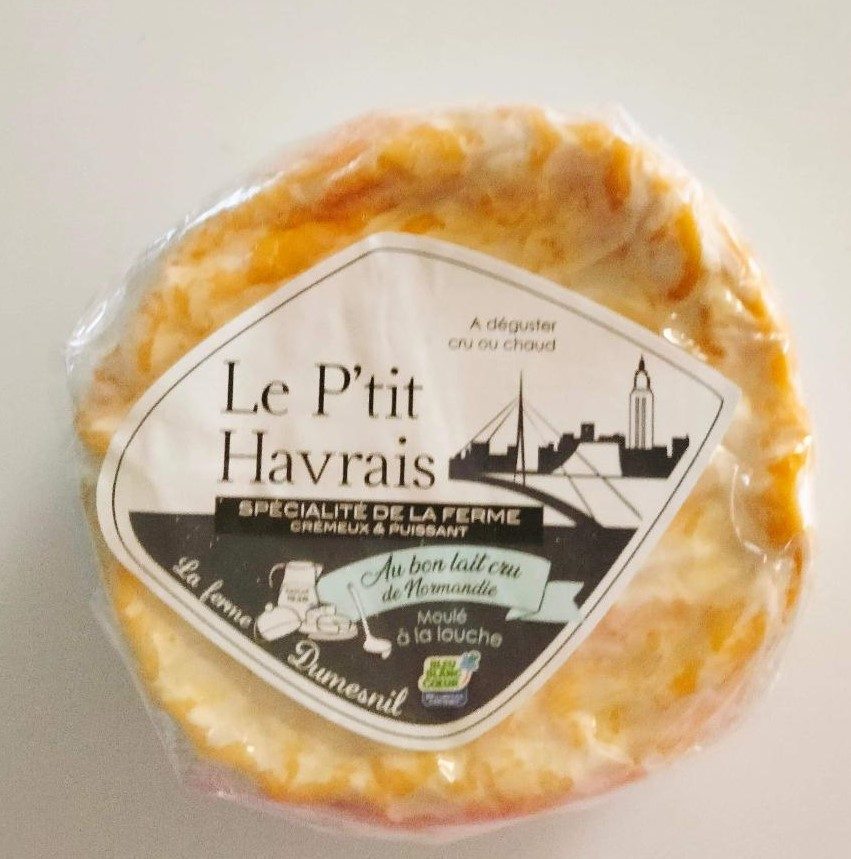
France- Le P’tit Havrais – Raw Milk Cheese – Salmonella

Gov france

Identification information of the recalled product

  • Product category Food
  • Product subcategory Milk and dairy products
  • Product brand name THE FARM DUMESNIL
  • Model names or references Le P’tit Havrais, specialty of the farm, powerful & creamy heart, with raw milk from Normandy
  • Identification of products
    GTIN Lot Date
    0656272139568 pth250122 ou gh250122 Use-by date 03/26/2022
  • Packaging Whole cheese wrapped in food wrap
  • Marketing start/end date From 08/02/2022 to 10/02/2022
  • Storage temperature Product to be stored in the refrigerator
  • Health mark FR 76,658,003 CE
  • Geographic area of ​​sale Regions: Normandy
  • Distributors See table List of points of sale below
  • List of points of saleTRACABILITE_P_TIT_HAVRAIS_du_25.01.22.pdf

Practical information regarding the recall

  • Reason for recall presence of Salmonella
  • Risks incurred by the consumer Salmonella spp (causative agent of salmonellosis)

Research – Aflatoxin B1 in rice: effects of storage duration, grain type and size, production site and season

Journal of Food Protection

Our study aimed to evaluate the AFB1 levels in packed rice marketed in Lebanon and determine the exposure to this toxin from the rice consumption. A total of 105 packed white, parboiled and brown rice bags were collected. ELISA was used to measure AFB1. A comprehensive FFQ was filled by 500 participants to determine the patterns of rice consumption and subsequently the exposure levels to AFB1 from the rice consumption in Lebanon. AFB1 was detected in all rice samples (100%). The average concentration ± standard deviation of AFB1 was 0.5±0.3μg/kg. Contamination ranged between 0.06 and 2.08μg/kg. Moisture content in all rice samples was below the recommended percentage (14%). Only 1% of the samples had an AFB1 level above the European Union (EU) limit (2μg/kg). Brown rice had a significantly higher AFB1 level than white and parboiled rice (p=0.02), while a significant difference was found between both collections for the same brands (p=0.016). Packing season, packing country, country of origin, presence of a food safety management certification, grain size, and time between packing and purchasing had no significant effect. Exposure to AFB1 from rice consumption in Lebanon was calculated as 0.1-2 ng/kg bodyweight/day.