Archives
-
Join 346 other subscribers
KSWFoodWorld
Blog Stats
- 445,339 Views
Category Archives: Food Microbiology Research
Research – Investigating the Impacts of UVC Radiation on Natural and Cultured Biofilms: An assessment of Cell Viability
Biofilms are conglomerates of cells, water, and extracellular polymeric substances which can lead to various functional and financial setbacks. As a result, there has been a drive towards more environmentally friendly antifouling methods, such as the use of ultraviolet C (UVC) radiation. When applying UVC radiation, it is important to understand how frequency, and thus dose, can influence an established biofilm. This study compares the impacts of varying doses of UVC radiation on both a monocultured biofilm consisting of Navicula incerta and field-developed biofilms. Both biofilms were exposed to doses of UVC radiation ranging from 1626.2 mJ/cm2mJ/cm2 to 9757.2 mJ/cm2mJ/cm2 and then treated with a live/dead assay. When exposed to UVC radiation, the N. incerta biofilms demonstrated a significant reduction in cell viability compared to the non-exposed samples, but all doses had similar viability results. The field biofilms were highly diverse, containing not only benthic diatoms but also planktonic species which may have led to inconsistencies. Although they are different from each other, these results provide beneficial data. Cultured biofilms provide insight into how diatom cells react to varying doses of UVC radiation, whereas the real-world heterogeneity of field biofilms is useful for determining the dosage needed to effectively prevent a biofilm. Both concepts are important when developing UVC radiation management plans that target established biofilms.
Posted in Biofilm, Decontamination Microbial, Food Micro Blog, Food Microbiology, Food Microbiology Blog, Food Microbiology Research, Food Microbiology Testing, microbial contamination, Microbial growth, Microbiological Risk Assessment, Microbiology, Microbiology Investigations, Microbiology Risk, Research, UV Microbiology, UV-C
USA – Taco Bell employee infected with Hepatitis A; county in Washington issues health alert
Health officials in Snohomish County, WA, are warning people who ate at two Taco Bell locations to monitor themselves for signs of hepatitis A infections and get vaccinated if they are not already.
“People who ate food from the Taco Bell at 2727 Broadway on May 22-23 or the Taco Tell at 303 91st Avenue NE in Lake Stevens on May 23 should contact their healthcare provider or public health,” according to the warning from the Snohomish County Health Department.
An employee who worked at both locations has tested positive for hepatitis A. The confirmed case appears to have been infected during international travel. The Snohomish County Health Department is working with the business to identify other workers who were potentially exposed and connect them with prevention information as well as resources for vaccination and post-exposure prophylaxis, as needed.
For two weeks after exposure a vaccination is effective from keeping the liver virus from developing. Therefore it is crucial for anyone who ate at the restaurants on the exposure dates to check their vaccination records.
Viet Nam – HCMC botulism patient dies before receiving antitoxin sent from Switzerland
The World Health Organization has dispatched rare drug to HCMC to treat patients critically ill with botulism after eating pork bologna and fermented food, but one died shortly after it arrived.
Sent from Switzerland, six vials of botulism antitoxin heptavalent (BAT) arrived on Wednesday to be administered to the three men, aged 18, 26 and 45, the Ministry of Health said.
Two of them are under treatment at Cho Ray Hospital and the other at Gia Dinh Hospital.
But the 45-year-old patient at Gia Dinh died on Wednesday night before he was injected with the drug, the hospital announced Thursday morning.
Produced by Emergent BioSolutions Canada Inc., the drug effectively neutralizes all known botulinum nerve toxin serotypes. Without it, botulism patients could be paralyzed permanently.
Between May 13 and 20 six people in Thu Duc City suffered from botulinum poisoning, five after eating pork bologna sold by street vendors and one due to eating a type of fermented food.
Posted in Bacterial Toxin, Clostridium, Clostridium botulinum, Death, Decontamination Microbial, food death, Food Micro Blog, Food Microbiology, Food Microbiology Blog, Food Microbiology Research, Food Microbiology Testing, Food Poisoning Death, microbial contamination, Microbial growth, Microbiological Risk Assessment, Microbiology, Microbiology Investigations, Microbiology Risk
Quebec – Absence of information necessary for the safe consumption of cheeses packaged and sold by Groupe Adonis inc. – Raw Milk
QUEBEC CITY , May 24, 2023 /CNW/ – The Ministère de l’Agriculture, des Pêcheries et de l’Alimentation (MAPAQ), in collaboration with Groupe Adonis Inc., is notifying people considered vulnerable (pregnant women, people with weakened immune systems, children and the elderly) not to consume the products indicated in the table below, because the mention “made of raw milk” which is required does not appear on the packaging.
|
Product name |
Format |
Affected lot |
|
“FROM. SWISS GRUYERE » |
Variable |
Units sold until May 24, |
|
“EMMI FROM GRUYERE |
The products that are the subject of this warning were offered for sale until May 24, 2023 inclusively, in all Adonis establishments in the province. The cheeses were wrapped in clear plastic wrap. The label of the products included, in addition to their name, the mention “Groupe Adonis inc . “.
The retailer has agreed with MAPAQ to issue this warning as a precautionary measure. In addition, people deemed vulnerable (designated above) who have one of these products in their possession are advised not to consume it. They should return it to the establishment where they bought it, use it in a cooked dish that will be cooked until it reaches a safe cooking temperature of 74°C, or throw it away.
It should be noted that no case of illness associated with the consumption of these foods has been reported to MAPAQ to date.
Additional information
The Ministry publishes various information documents concerning food safety. Interested persons can consult the Food section of the Government of Quebec website. They also have the option of registering online to receive, by e-mail, the food recall
notices published by the Ministry . Finally, it is possible to follow “MAPAQfoods” on Twitter at the following address: www.twitter.com/MAPAQfoods
.
|
Risk Classification: Class 1 Reference number: 4735 |
Posted in Decontamination Microbial, Food Micro Blog, Food Microbiology, Food Microbiology Blog, Food Microbiology Research, Food Microbiology Testing, Food Safety Alert, Food Safety Management, Food Safety Regulations, microbial contamination, Microbial growth, Microbiological Risk Assessment, Microbiology, Microbiology Investigations, Microbiology Risk, Raw Milk, raw milk cheese
RASFF Alerts – Norovirus – Clams
Norovirus genogroup I and II in live clams (Chamelea gallina) from Italy in Spain
Norovirus genogroup I and II in clams from Italy in Spain
Norovirus genogroup I and II in japanese clam from Portugal in Spain
Posted in food contamination, food handler, Food Hazard, Food Hygiene, Food Inspections, Food Micro Blog, Food Microbiology, Food Microbiology Blog, Food Microbiology Research, Food Microbiology Testing, Food Pathogen, Food Quality, food recall, Food Safety, Food Safety Alert, Food Safety Management, Food Safety Regulations, Food Testing, Food Virus, Norovirus, Norovirus Clams, RASFF
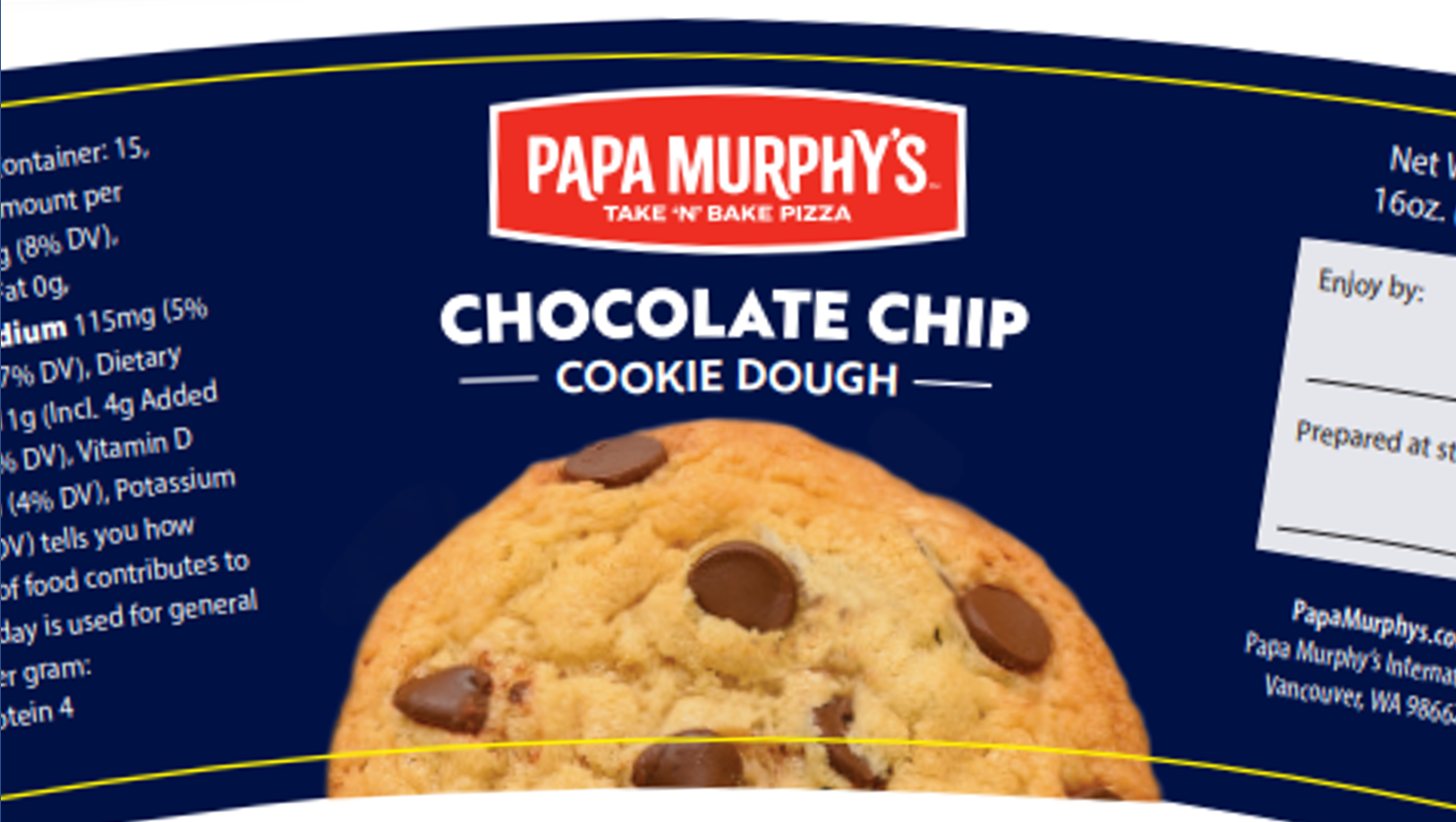
USA – Papa Murphy’s Cookie Dough Salmonella Outbreak
Oregon Department of Health links 4 residents to Papa Murphy’s Cookie Dough Salmonella Outbreak
Washington Department of Health reports 6 with Salmonella linked to Papa Murphy’s Cooking Dough
Idaho Public Health weighs in on Papa Murphy’s Salmonella Outbreak
Posted in food bourne outbreak, Food Illness, Food Micro Blog, Food Microbiology, Food Microbiology Blog, Food Microbiology Research, Food Microbiology Testing, Foodborne Illness, foodborne outbreak, foodbourne outbreak, Illness, microbial contamination, Microbial growth, Microbiological Risk Assessment, Microbiology, Microbiology Investigations, Microbiology Risk, outbreak, Salmonella
UK – 50 sick in Cryptosporidium outbreak linked to farm
Fifty cases of Cryptosporidium have been traced to a farm on an island off the south coast of England.
The UK Health Security Agency (UKHSA)’s South East branch has tried to contact people who visited Hazelgrove Farm from April to the start of May on the Isle of Wight.
People are thought to have become sick after coming into contact with animals. The farm halted animal petting activity in early May.
No ongoing risk
Dr. Anand Fernandes, the health protection consultant for UKHSA South East, said there is no ongoing risk to the public associated with the farm.
Posted in Contaminated water, Cryptosporidiosis, Cryptosporidium, food bourne outbreak, Food Illness, Food Micro Blog, Food Microbiology, Food Microbiology Blog, Food Microbiology Research, Food Microbiology Testing, Foodborne Illness, foodborne outbreak, foodbourne outbreak, Illness, microbial contamination, Microbial growth, Microbiological Risk Assessment, Microbiology Investigations, Microbiology Risk, outbreak, water microbiology, Water Safety
Research – Salmonella Outbreak Linked to Raw Cookie Dough

Fast Facts
- Illnesses: 18
- Hospitalizations: 2
- Deaths: 0
- States: 6
- Recall: No
- Investigation status: Active
Contaminated Food
Papa Murphy’s raw cookie dough:
- Chocolate chip cookie dough
- S’mores bars dough
Nine sick people reported eating raw cookie dough from Papa Murphy’s Take ‘N’ Bake Pizza in the week before they got sick. Based on this information, Papa Murphy’s has temporarily stopped selling their raw chocolate chip cookie dough and raw S’mores bars dough.
At least two sick people did not eat at Papa Murphy’s. Investigators are working to identify the contaminated ingredient in the raw cookie dough.
What You Should Do
- Check your refrigerator and freezer for Papa Murphy’s chocolate chip cookie dough or S’mores bars dough.
- Throw the dough away, even if you didn’t get sick after eating some of it.
- Wash items and surfaces that may have touched the dough using hot soapy water or a dishwasher.
- Always follow cookie dough baking instructions in the recipe or on the package label.
- Papa Murphy’s chocolate chip cookie dough and S’mores bars dough are not meant to be eaten raw.
- Most raw cookie dough is made with unpasteurized eggs or raw flour and can have germs like Salmonella and E. coli.
- Some other companies make edible cookie dough that does not have to be baked. These products are made with heat-treated flour and pasteurized eggs or no eggs. Read the label carefully to make sure the dough is meant to be eaten without baking or cooking.
- Call a healthcare provider if you have any of these severe Salmonella symptoms:
- Diarrhea and a fever higher than 102°F
- Diarrhea for more than 3 days that is not improving
- Bloody diarrhea
- So much vomiting that you cannot keep liquids down
- Signs of dehydration, such as:
- Not peeing much
- Dry mouth and throat
- Feeling dizzy when standing up
Symptoms of Salmonella
- Most people infected with Salmonella experience diarrhea, fever, and stomach cramps.
- Symptoms usually start 6 hours to 6 days after swallowing the bacteria.
- Most people recover without treatment after 4 to 7 days.
- Some people—especially children younger than 5 years, adults 65 years and older, and people with weakened immune systems—may experience more severe illnesses that require medical treatment or hospitalization.
- For more information about Salmonella, see the Salmonella Questions and Answers page.
Posted in CDC, food bourne outbreak, Food Illness, Food Micro Blog, Food Microbiology, Food Microbiology Blog, Food Microbiology Research, Food Microbiology Testing, Foodborne Illness, foodborne outbreak, foodbourne outbreak, Illness, microbial contamination, Microbial growth, Microbiological Risk Assessment, Microbiology, Microbiology Investigations, Microbiology Risk, outbreak, Salmonella
India -Over 100 Wedding Guests Hospitalized Amid Suspected Food Poisoning
Dozens of people were admitted to hospital in India over the weekend after suspected food poisoning at a wedding function on May 17.
The exact numbers remain uncertain, but as many as 135 guests have been hospitalized, the Hindu reported, adding that many of them are children.
The wedding took place in Kalady, in the Malappuram district in Kerala. The following day, many of the guests began experiencing symptoms of diarrhea, vomiting and fever and many were admitted to hospital on May 19, health officials said. No one is said to be in a critical condition.
According to local reports, last Wednesday’s wedding wasn’t the only mass food poisoning incident last week. Roughly 60 guests at a wedding in a neighboring district, including a pregnant woman, were hospitalized on Sunday afternoon due to food poisoning, which the guests claim was caused by a fish curry.
Posted in Food Illness, Food Micro Blog, Food Microbiology, Food Microbiology Blog, Food Microbiology Research, Food Microbiology Testing, Food Poisoning, Foodborne Illness, Illness, microbial contamination, Microbial growth, Microbiological Risk Assessment, Microbiology, Microbiology Investigations, Microbiology Risk
Research “Forbidden Fish”: Did King Henry I Die of Lamprey Poisoning or Listeria monocytogenes?
Abstract
For centuries, the sudden and mysterious death of King Henry I has been attributed to a large meal of lampreys that accidentally poisoned the unfortunate monarch. In this article, we conclude that lampreys were likely not the cause of the king’s illness, nor is it likely that he was deliberately poisoned. Although a wide variety of abdominal pathologies could have been responsible, we suggest that a sporadic central nervous system (CNS) infection of Listeria monocytogenes appears to be the most likely cause of Henry’s death, correlating with both his symptoms and rapid decline.
Posted in Decontamination Microbial, food death, Food Illness, Food Micro Blog, Food Microbiology, Food Microbiology Blog, Food Microbiology Research, Food Microbiology Testing, Foodborne Illness, Foodborne Illness Death, Illness, Listeria, Listeria monocytogenes, microbial contamination, Microbial growth, Microbiological Risk Assessment, Microbiology, Microbiology Investigations, Microbiology Risk