Category Archives: Food Microbiology Research

Sweden reports dozens of Shigella infections linked to travel to Cape Verde

Outbreak News Today

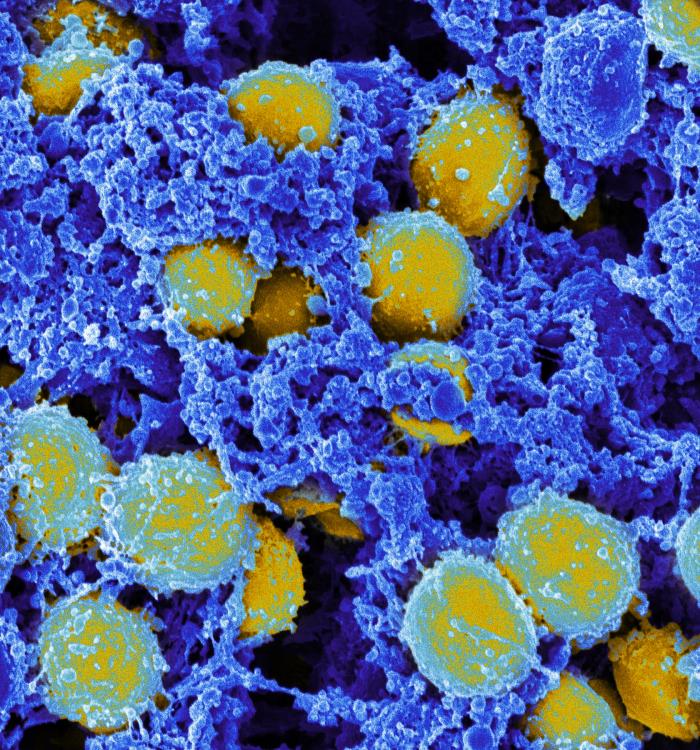
Folkhalsomyndigheten, or Sweden’s Public Health Agency reports 30 cases of shigella infection with a travel connection to Cape Verde have been reported in Sweden since mid-November.

Among Swedish travelers, infections with other intestinal pathogens, for example EHEC, Campylobacter, Cryptosporidium and Giardia, have also been noted. Infection with Shigella in connection with trips to Cape Verde has been a recurring problem. This and the presence of various Shigella species and other intestinal pathogens suggest contamination via food.

Shigella bacteria are found in stool, and infection is spread by eating food or drinking liquids contaminated by an infected person, or when a person touches a contaminated surface or object and then touches their mouth or puts the object into their mouth. People infected with shigellosis typically experience a fever, abdominal cramps and diarrhea which may be bloody.

Onset of shigellosis symptoms usually occurs one to two days after exposure—but may take longer—and lasts around a week. Infected people can remain contagious up to six weeks after symptoms resolve.

Most people with shigellosis recover completely without severe complications. In rare cases Shigella may cause bloodstream infections, seizures, kidney failure or arthritis.

Belgium – American fillet of beef from the Fiers brand -Listeria monocytogenes

AFSCA

Recall of Fiers J&B NV
Product: American fillet of beef from the Fiers brand.
Problem: Possible presence of Listeria monocytogenes.

In agreement with the FASFC, FIERS J&B NV withdraws the American fillet of beef from the Fiers brand from sale and recalls it from consumers following the possible presence of Listeria monocytogenes.

PROUD J&B NV asks its customers not to consume this product and to bring it back to the point of sale where it was purchased where they will be reimbursed.

Description of the product

– Product name: American fillet of beef
– Brand: Fiers
– Use-by dates (BBD) (“Use by”): 25/12/22 – 26/12/22 – 27/12/ 22
– Batch numbers: 62692-62758-62672-62575-62574-62757-62825-62854-62901-62893
– Sales period: from 20/12/22 to 22/12/22 inclusive
– Nature of packaging : black plastic dish
– Weight: variable

The product was distributed by various outlets including:

– GB NIEUWPOORT – ALBERT I LAAN 213, 8620 NIEUWPOORT
– GB DENDERMONDE OUDEGEM – OUBURG 42, 9200 DENDERMONDE
– KELTRA – PINTESTRAAT 8, 9840 DEPINTE
– GB LIEDEKERKE – KORENBLOEMLAAN 2, 1770 LIEDEKERKE
– GB ZWIJNAARDE NV – ZWIJNAARDSESTEENWEG 736, 9052 ZWIJNAARDE
– GB MAENHOUTSTRAAT – MAENHOUTSTRAAT 10, 9830 SINT-MARTENS-LATEM

For any additional information , contact Mrs Vandenheede; kwaliteit@fiers.net

Spain – Cooked Pork Head Meat – Listeria monocytogenes

AESAN

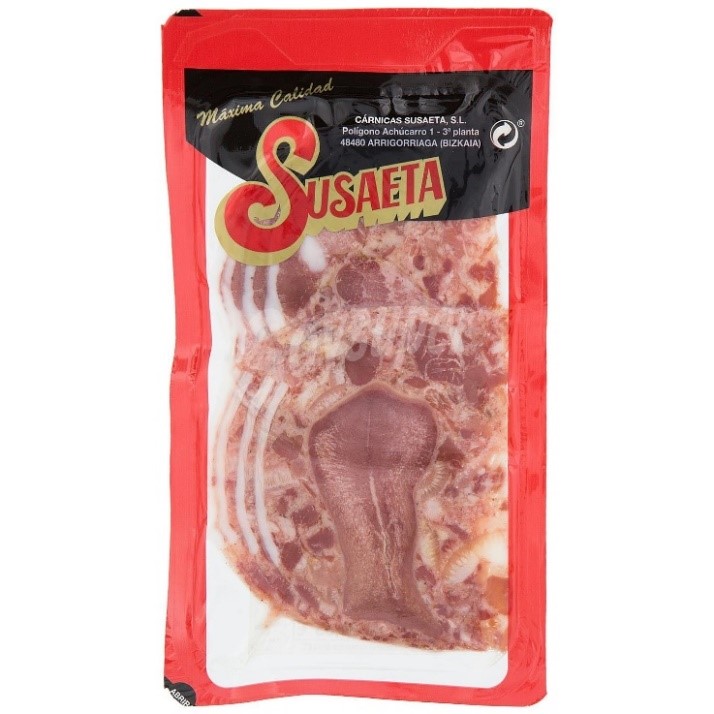
The Spanish Agency for Food Safety and Nutrition has learned, through the Coordinated System for Rapid Information Exchange (SCIRI), of an alert notification sent by the health authorities of the Basque Country, regarding the presence of Listeria monocytogenes in beef cooked pig’s head from Spain.

The data of the product involved are:

  • Product name (on label): Cooked pig’s head
  • Brand: Susaeta
  • Lot number: all those currently on the market
  • Expiration date: all
  • Unit Weight: 100g

Available images are attached.


According to the information available, the initial distribution of the products has been in Andalusia and Castilla – La Mancha, although it is not ruled out that there may be distribution in other autonomous communities.

This information has been transferred to the competent authorities of the autonomous communities through the Coordinated System for Rapid Information Exchange (SCIRI) in order to verify the withdrawal of the affected products from the marketing channels.

With the information available there is NO record in Spain of any reported case associated with this alert.

People who have products affected by this alert at home are recommended to refrain from consuming them and return them to the point of purchase.

In the case of having consumed these types of products from the affected batches and presenting any symptoms compatible with listeriosis (fever, headache, vomiting or diarrhea), it is recommended to go to a health center.

In the case of being pregnant, it is recommended to consult the recommendations for consumption during pregnancy made by the AESAN regarding important food hygiene practices for pregnant women, as well as a list of foods that should be avoided during pregnancy because they are associated with to certain biological hazards (among which Listeria monocytogenes stands out ).

The importance of taking extreme hygiene measures to avoid cross-contamination with other products is recalled.

You can expand the information on listeriosis in the following link .

Research – Increasing the Safety and Storage of Pre-Packed Fresh-Cut Fruits and Vegetables by Supercritical CO2 Process

MDPI

Abstract

This work presents a feasibility lab-scale study for a new preservation method to inactivate microorganisms and increase the shelf life of pre-packed fresh-cut products. Experiments were conducted on coriander leaves and fresh-cut carrots and coconut.
The technology used the combination of hydrostatic pressure (<15 MPa), low temperature (≤45 °C), and CO2 modified atmosphere packaging (MAP). The inactivation was achieved for the naturally present microorganisms (total mesophilic bacteria, yeasts and molds, total coliforms) and inoculated E. coli. Yeasts and molds and coliform were under the detection limit in all the treated samples, while mesophiles were strongly reduced, but below the detection limit only in carrots.
Inoculated E. coli strains were completely inactivated (>6.0 log CFU/g) on coconut, while a reduction >4.0 log CFU/g was achieved for carrots and coriander. For all the treated products, the texture was similar to the fresh ones, while a small alteration of colour was detected. Microbiological stability was achieved for up to 14 days for both fresh-cut carrots and coconut.
Overall, the results are promising for the development of a new mild and innovative food preservation technique for fresh food.

Research – Spraying an army of bacteria-eating viruses can save us from food poisoning

Interesting Engineering

Every year more than 40 million people in the U.S. suffer from foodborne illnesses caused by bacteria, viruses, and various other types of pathogens. Food contamination is often underestimated, but it is responsible for 420,000 deaths annually. This number represents more people than the entire population of Iceland.

After being produced on a farm, food passes through a lot of channels before it makes it to our platter. Preventing it from contamination is almost impossible. However, a team of researchers from McMaster University in Ontario has figured out a way to free food from disease-causing bacteria before it goes into your stomach, according to a press release.

They have developed a food decontamination spray that employs food-safe microscopic beads containing bacteriophages (viruses that kill bacteria). The researchers claim, during the study, they were able to free lettuce and meat from E. coli 0157, a common food-borne pathogen that infects the human intestine and causes health issues such as diarrhea. 

Research – Evaluation of the Prevalence of Staphylococcus aureus in Chicken Fillets and Its Bio-Control Using Different Seaweed Extracts

MDPI

Abstract

This study aims to assess the occurrence of Staphylococcus aureus in chicken fillets and to control its growth using various lyophilized seaweed extracts (i.e., Halimeda opuntia (HO), Actinotrichia fragilis, and Turbinaria turbinata) by an agar disk diffusion assay in vitro. Results showed that prevalence of S. aureus in breast and thigh samples reached of 92% and 84%, respectively. Lyophilized HO extract was the only seaweed that showed the antibacterial activity against S aureus with a significant difference at p < 0.05. The minimum inhibitory concentration (MIC) of HO extract was 1.5%, with an inhibition zone of 8.16 ± 0.73 mm. Regarding 1,1-diphenyl-2-picrylhydrazyl (DPPH) scavenging activity, IC50 was recorded at 55.36 μg/mL, whereas cytotoxic IC50 of the lyophilized HO extract on peripheral blood mononuclear cells (PBMCs) was 33.7 µg/mL; a higher IC50 of HO extracts permits their use as a safe food additive in meat products. Moreover, total phenolic compounds and total flavonoids compounds recorded 20.36 ± 0.092 and 16.59 ± 0.029 mg/mL, respectively. HPLC analyses of phenolic compounds profiles exhibited many bioactive substances and the higher ratio was daidzein with 10.84 ± 0.005 µg/mL and followed by gallic acid with a value of 4.06 ± 0.006 µg/mL. In a challenge study, chicken fillet (CHF) experimentally inoculated with S. aureus (ST) and treated with the lyophilized HO algal extract at 4% and 6% (CHF/ST/HO) showed a complete reduction of S. aureus count on the 6th and 4th days in chicken fillet stored at 4 °C, respectively. Moreover, CHF/ST/HO at 4% and 6% of HO extract enhanced the sensory attributes of grilled un-inoculated chicken fillet. Thus, lyophilized HO extracts are promising antibacterial and antioxidant candidates in the chicken meat industry.

Research – Exploring the Diversity of Biofilm Formation by the Food Spoiler Brochothrix thermosphacta

MDPI

Abstract

Brochothrix thermosphacta is considered as a major spoiler of meat and seafood products. This study explores the biofilm formation ability and the biofilm structural diversity of 30 multi-origin B. thermosphacta strains using a set of complementary biofilm assays (biofilm ring test, crystal violet staining, and confocal laser scanning microscopy). Two major groups corresponding to low and high biofilm producers were identified. High biofilm producers presented flat architectures characterized by high surface coverage, high cell biovolume, and high surface area.

Research -Monitoring the incidence and causes of disease potentially transmitted by food in Australia: Annual report of the OzFoodNet network, 2017

Health Au

Abstract

In 2017, 47,652 notifications of enteric diseases potentially related to food were received by state and territory health departments in Australia. Consistent with previous years, the majority of all notified infections were either campylobacteriosis (n = 28,432; 60%) or salmonellosis (n = 16,416; 34%). A total of 206 gastrointestinal outbreaks, including 179 foodborne outbreaks, were reported in 2017. The remaining 27 outbreaks were due to environmental or probable environmental transmission (22 outbreaks), animal-to person or probable animal-to-person transmission (three outbreaks), and waterborne or probable waterborne transmission (two outbreaks). Foodborne outbreaks affected 2,130 people resulting in at least 290 hospital admissions and five deaths. Eggs continue to be a source of Salmonella Typhimurium infection across the country, with 49 egg-related outbreaks affecting at least 746 people reported across six jurisdictions in 2017.

Research – Training in tools to develop quantitative microbial risk assessment along the food chain of Spanish products

EFSA

Abstract

Food safety is a widespread challenge. Every year it is estimated that almost 1 in 10 people in the world fall ill after eating contaminated food resulting in over 400,000 deaths. The risk of outbreaks is higher when consuming ready-to-eat (RTE) products because they are eaten without a further cooking process that could inactivate pathogenic microorganisms. Hence, food processing is essential to increase the safety of RTE products.

Microbiological risk assessment (MRA) integrates food science, microbiology and data science to provide a comprehensive understanding of the safety of the food system. MRA provides qualitative and/or quantitative information to decision makers, which might promote the adoption of better food practices. In this contest, this project aims to study and implement tools for quantitative microbial risk assessment (QMRA) of food products along the food chain.

A common RTE product (cured ham) from Spain was used as a case study. Following, the exposure assessment model was implemented using mathematical models and statistical software to describe the microbial behaviour along the food chain. The study presents the possibility to identify the risk exposure in different scenarios (e.g. growth during different storage conditions, inactivation induced by traditional or innovative decontamination techniques), showing the flexibility of the predictive tools developed.

Research – Emerging Method to Protect Food Crops from Carcinogenic Aflatoxins

Food Safety.Com

Researchers from the U.S. Department of Agriculture’s Agricultural Research Service (USDA’s ARS) are using a bioplastic coating to naturally shield seeds from Aspergillus, a type of fungi that produces aflatoxin. Exposure to aflatoxins is a food safety issue due to the compound’s carcinogenic and other harmful effects.

In the U.S., Southern agriculture is most affected by aflatoxins, as hot, dry conditions promote Aspergillus growth and aflatoxin production. Recent science has shown, however, that the Midwestern Corn Belt may be increasingly affected in the near future due to climate change. Corn is highly susceptible to aflatoxin contamination, as are seeds, nuts, feed, stored grain, and other important crops.

The new method for mitigating aflatoxin contamination of crops involves coating seeds with a protective, innocuous strain of Aspergillus, delivered via a mixture of biodegradable, corn starch-based bioplastic and biochar. The competitive Aspergillus strain found in the coating prevents aflatoxin-producing Aspergillus from infecting the seed, and other components of the mixture create a physical barrier that prevents contamination.