What’s New
- The outbreak of E. coli O121:H19 linked to Frozen Falafel (reference #1115) has ended and the FDA investigation has closed.

Posted in E.coli, E.coli O121, FDA, food bourne outbreak, Food Micro Blog, Food Microbiology, Food Microbiology Blog, Food Microbiology Research, Food Microbiology Testing, foodborne outbreak, foodbourne outbreak, microbial contamination, Microbial growth, Microbiological Risk Assessment, Microbiology, Microbiology Investigations, Microbiology Risk, outbreak

Parties, family dinners, and other gatherings where food is served are all part of the holiday cheer. But the merriment can change to misery if food makes you or others ill.
Typical symptoms of foodborne illness are vomiting, diarrhea, and flu-like symptoms, which can start anywhere from hours to days after contaminated food or drinks are consumed.
The symptoms usually are not long-lasting in healthy people — a few hours or a few days — and usually go away without medical treatment. But foodborne illness can be severe and even life-threatening to anyone, especially those most at risk:
Combating bacteria, viruses, parasites, and other contaminants in our food supply is a high priority for the U.S. Food and Drug Administration. But consumers have a role to play, too, especially when it comes to safe food-handling practices in the home. And the good news is that practicing four basic food safety measures can help prevent foodborne illness.
1. Clean:
The first rule of safe food preparation in the home is to keep everything clean.
Don’t give bacteria the opportunity to spread from one food to another (cross-contamination).
Food is safely cooked when it reaches a high enough internal temperature to kill harmful bacteria.
Refrigerate foods quickly because harmful bacteria grow rapidly at room temperature.
Posted in Decontamination Microbial, Food Micro Blog, Food Microbiology, Food Microbiology Blog, Food Microbiology Research, Food Microbiology Testing, Food Safety, Food Safety Management, food safety training, microbial contamination, Microbial growth, Microbiological Risk Assessment, Microbiology, Microbiology Investigations, Microbiology Risk
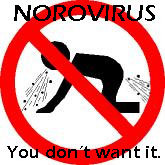
P&O passengers claim they suffered from diarrhea and vomiting and had to self-isolate in unsanitary conditions after being exposed to norovirus on a number of Australian cruises.
A class action filed in federal court on Tuesday seeks compensation and damages from Carnival, trading as P&O Cruises, for outbreaks of the highly contagious gastrointestinal virus on eight separate voyages from December 2016 to February 2017.
Posted in Food Micro Blog, Food Microbiology, Food Microbiology Blog, Food Microbiology Research, Food Microbiology Testing, Food Virus, microbial contamination, Microbial growth, Microbiological Risk Assessment, Microbiology, Microbiology Investigations, Microbiology Risk, Norovirus, Uncategorized, Virus
Brand : MAREBLU
Denomination : CLASSICI¿ Anchovy fillets in olive oil
Reason for reporting : Recall for physical risk
Date of publication : 7 December 2022


| GTIN | Batch | Date |
|---|---|---|
| 3439496421988 | 29222 | Date of minimum durability 06/05/2023 |
Posted in food contamination, food handler, Food Hazard, Food Hygiene, Food Inspections, Food Micro Blog, Food Microbiology, Food Microbiology Blog, Food Microbiology Testing, Food Pathogen, Food Poisoning, food recall, Food Safety, Food Safety Alert, Food Safety Management, Food Testing, Food Toxin, Staphylococcal Toxin, Staphylococcus aureus
Brand : ” REGIONE CHE VAI “
Denomination : SALAME FELINO IGP 500 mg
Reason for reporting : Reminder for microbiological risk
Date of publication : 7 December 2022

The Ministry of Health, through the Directorate for the Regulation of Products of Sanitary Interest, alerts the general population about the presence of the Listeria monocytogenes bacterium in certain batches of fresh cheese from various national brands, as detailed in the link above.
According to the results of microbiological analyzes of the National Reference Center for Microbiological Food Safety of the Costa Rican Institute for Research and Teaching in Nutrition and Health (CRIMA-INCIENSA), the batches of the aforementioned products, of the brands TIQUESO, QUESOS DEL NORTE LAS CUATRO A, LAS DELICIAS DE MI TIERRA and LITE HOUSE presented positive isolates for the Listeria monocytogenes bacterium, therefore they do not comply with the parameter established in the Central American Technical Regulation of Microbiological Criteria for Food Safety RTCA 67.04.50:17 , for Subgroup 1.9.
Posted in food contamination, food handler, Food Hazard, Food Hygiene, Food Inspections, Food Micro Blog, Food Microbiology, Food Microbiology Blog, Food Microbiology Testing, Food Pathogen, food recall, Food Safety, Food Safety Alert, Food Safety Management, Food Testing, Listeria, Listeria monocytogenes
NSW Health and the NSW Food Authority are continuing to investigate a significant foodborne outbreak following a conference on the Central Coast last week.
At least 69 people from across NSW, the Northern Territory and Queensland are known to have become unwell with symptoms of food poisoning, of which 27 people have confirmed Salmonella infections to date.
Dr Jeremy McAnulty, NSW Health Executive Director of Public Health, said public health officials from across NSW have been working to speak to all those who have become unwell after attending or working at the conference.
“Close to 230 people attended or worked at the two-day conference, and so far at least 31 of them are known to have attended Emergency Departments,” Dr McAnulty said.
“NSW Health is working closely with the NSW Food Authority to investigate the cause of the outbreak.
“Our public health experts continue to contact people associated with the event, including attendees from the Aboriginal Languages Trust and we thank all of those who have assisted us so far.
Posted in Decontamination Microbial, food bourne outbreak, Food Illness, Food Micro Blog, Food Microbiology, Food Microbiology Blog, Food Microbiology Research, Food Microbiology Testing, Foodborne Illness, Foodborne Illness Death, foodborne outbreak, foodbourne outbreak, Illness, microbial contamination, Microbial growth, Microbiological Risk Assessment, Microbiology, Microbiology Investigations, Microbiology Risk, outbreak, Salmonella
Posted in Decontamination Microbial, food bourne outbreak, food handler, Food Illness, Food Micro Blog, Food Microbiology, Food Microbiology Blog, Food Microbiology Research, Food Microbiology Testing, Foodborne Illness, Foodborne Illness Death, foodborne outbreak, foodbourne outbreak, Hand Washing, Illness, microbial contamination, Microbial growth, Microbiological Risk Assessment, Microbiology, Microbiology Investigations, Microbiology Risk, Norovirus, outbreak
More than 250 people are sick in an E. coli O157 outbreak in the United Kingdom that may have been caused by salad.
There have been 259 confirmed cases in the UK with sample dates ranging from late August to the end of October, although most people fell ill in August and early September.
Shiga toxin-producing E. coli (STEC) O157 has affected people in England, Scotland, Northern Ireland, and Wales. The majority of those sick are adults.
Food Standards Scotland (FSS), the UK Health Security Agency (UKHSA) and Food Standards Agency (FSA) are investigating the outbreak.
It is the largest E. coli outbreak since Whole Genome Sequencing (WGS) started to be used in 2014, according to UKHSA.
Posted in Decontamination Microbial, E.coli O157, E.coli O157:H7, food bourne outbreak, Food Illness, Food Micro Blog, Food Microbiology, Food Microbiology Blog, Food Microbiology Research, Food Microbiology Testing, Foodborne Illness, foodborne outbreak, foodbourne outbreak, Illness, microbial contamination, Microbial growth, Microbiological Risk Assessment, Microbiology, Microbiology Investigations, Microbiology Risk, outbreak


