Brand : Coppiello giovanni srl
Name : sliced beef
Reason for reporting : Remind for microbiological risk
Date of publication : 22 March 2023


Brand : Coppiello giovanni srl
Name : sliced beef
Reason for reporting : Remind for microbiological risk
Date of publication : 22 March 2023
Posted in food contamination, food handler, Food Hazard, Food Hygiene, Food Inspections, Food Micro Blog, Food Microbiology, Food Microbiology Blog, Food Microbiology Testing, Food Pathogen, Food Quality, food recall, Food Safety, Food Safety Alert, Food Safety Management, Food Safety Regulations, Food Testing, Listeria, Listeria monocytogenes
salute
Brand : Coppiello giovanni srl
Name : Equine fraying
Reason for reporting : Remind for microbiological risk
Date of publication : 22 March 2023
Posted in food contamination, food handler, Food Hazard, Food Hygiene, Food Inspections, Food Micro Blog, Food Microbiology, Food Microbiology Blog, Food Microbiology Testing, Food Pathogen, Food Quality, food recall, Food Safety, Food Safety Alert, Food Safety Management, Food Safety Regulations, Food Testing, Listeria monocytogenes
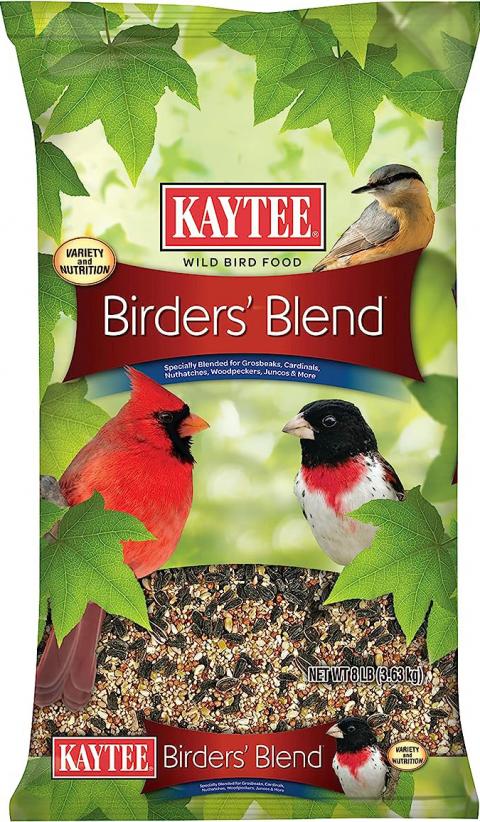
CHILTON, WI – March 18, 2023 – Kaytee Products Inc. is voluntarily recalling one lot of Kaytee® Wild Bird Food Birders’ Blend, 8 lb. bag, UPC 0 71859 02711 1, Lot Number PennPak1 102022 933, best buy date of 041224, due to potentially elevated levels of Aflatoxin above the acceptable limit. Aflatoxin is a naturally occurring by-product from the growth of Aspergillus flavus and can be harmful to wild birds if consumed in significant quantities. No illnesses have been reported in association with this product to date and no other Kaytee products are affected.
On March 13, 2023, the Georgia Department of Agriculture notified Kaytee Products Inc. that after conducting a routine laboratory analysis of the product, Lot PennPak1 102022 933 located on the bottom right corner of the front of the 8 lb. bags of Kaytee® Wild Bird Food Birder’s Blend was found to contain elevated levels of Aflatoxin.
The products affected by this announcement are:
|
Product |
Size |
UPC |
Lot No. |
Best by |
|---|---|---|---|---|
| Kaytee® Wild Bird Food Birders’ Blend | 8 lb | 0 71859 02711 1 | PennPak1 102022 933 |
041224 |
Posted in Aflatoxin, Animal Feed, Animal Feed Mould Toxin, Animal Feed Testing, Aspergillus, Aspergillus Toxin, Food Micro Blog, Food Microbiology Blog, microbial contamination, Microbial growth, Microbiological Risk Assessment, Microbiology, Microbiology Investigations, Microbiology Risk, mold, Mold Toxin, Mycotoxin

Contaminated shellfish are continuing to cause illnesses in several European countries and Hong Kong.
At least 170 people have fallen ill in Helsinki, Finland, after eating oysters in various restaurants in February and March. Cases have also been reported in other Finnish cities.
Norovirus has been found in nine different oyster batches with two from the Netherlands, six from France, and one from Ireland. Importers have withdrawn affected batches from the market.
Officials have tested food from restaurants and taken patient samples, finding norovirus. Some of those sick reported eating oysters.
A report on the outbreak is being prepared for the Finnish Food Authority (Ruokavirasto) and the Finnish Institute for Health and Welfare (THL).
Norovirus is the most commonly identified cause of foodborne outbreaks in Finland. Between 2017 and 2021, oysters caused 11 norovirus outbreaks in which more than 110 people fell ill.
Finland has published four Rapid Alert System for Food and Feed (RASFF) alerts on food poisoning due to norovirus in oysters since late February.
Posted in food bourne outbreak, Food Illness, Food Micro Blog, Food Microbiology, Food Microbiology Blog, Food Microbiology Research, Food Microbiology Testing, Foodborne Illness, foodborne outbreak, foodbourne outbreak, Illness, microbial contamination, Microbial growth, Microbiological Risk Assessment, Microbiology, Microbiology Investigations, Microbiology Risk, Norovirus, Norovirus Oysters, outbreak
Date published: 17 March 2023
Updated: 22 March 2023
CERES ORGANICS AUSTRALIA PTY LTD is conducting a recall of Ceres Organics Organic Hulled Tahini 300g and Ceres Organics Organic Unhulled Tahini 300g. The product has been available for sale at Woolworths in NSW; independent food retailers including IGA in NSW, VIC, QLD and WA; independent food retailers in ACT and SA; and online nationally.

Consumers should not eat this product. Any consumers concerned about their health should seek medical advice and should return the products to the place of purchase for a full refund.
For further information please contact:
Related links:
Posted in food contamination, food handler, Food Hazard, Food Hygiene, Food Inspections, Food Micro Blog, Food Microbiology, Food Microbiology Blog, Food Microbiology Testing, Food Pathogen, Food Quality, food recall, Food Safety, Food Safety Alert, Food Safety Management, Food Safety Regulations, food safety training, Food Testing, FSANZ, Salmonella
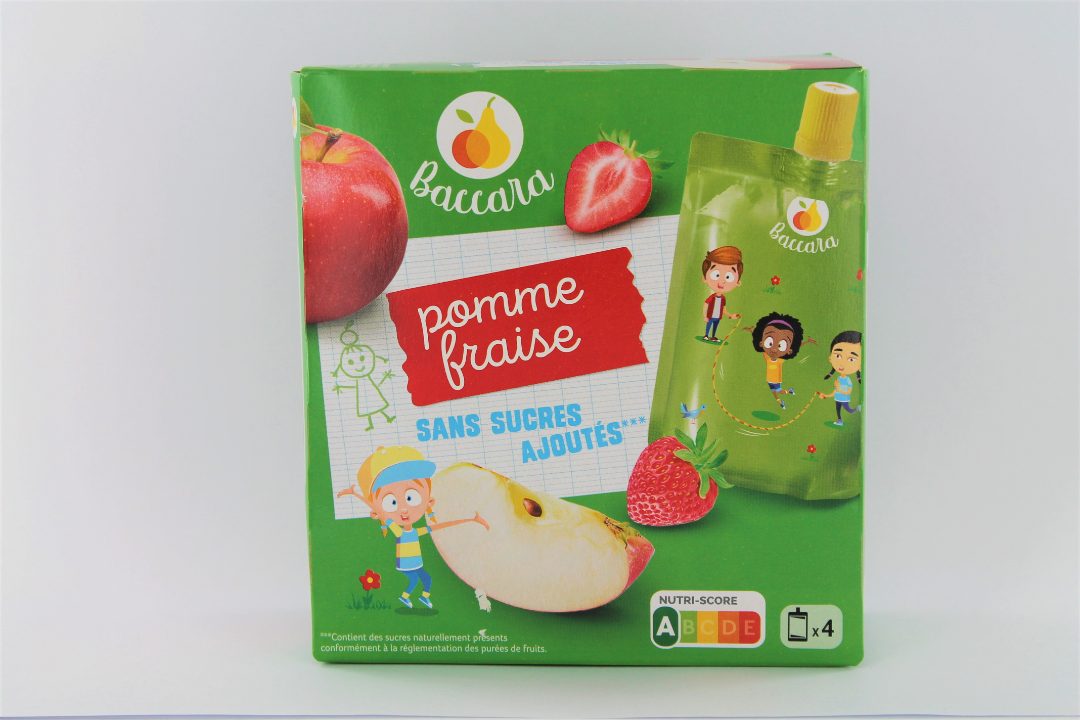
| GTIN | Batch | Date |
|---|---|---|
| 26080567 | 27/12/2023 | Date of minimum durability 27/12/2023 |
Posted in food contamination, food handler, Food Hazard, Food Hygiene, Food Inspections, Food Micro Blog, Food Microbiology, Food Microbiology Blog, Food Microbiology Testing, Food Poisoning, Food Quality, food recall, Food Safety, Food Safety Alert, Food Safety Management, Food Safety Regulations, Food Testing, Food Toxin, Mold Toxin, Mycotoxin, Patulin
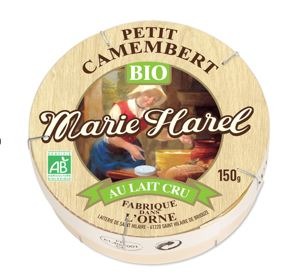
| GTIN | Batch | Date |
|---|---|---|
| 3267031601003 | 018551 | Date of minimum durability 19/03/2023 |
Posted in food contamination, food handler, Food Hazard, Food Hygiene, Food Inspections, Food Micro Blog, Food Microbiology, Food Microbiology Blog, Food Microbiology Testing, Food Pathogen, Food Poisoning, Food Quality, food recall, Food Safety, Food Safety Alert, Food Safety Management, Food Safety Regulations, Food Testing, Food Toxin, STEC, STEC E.coli
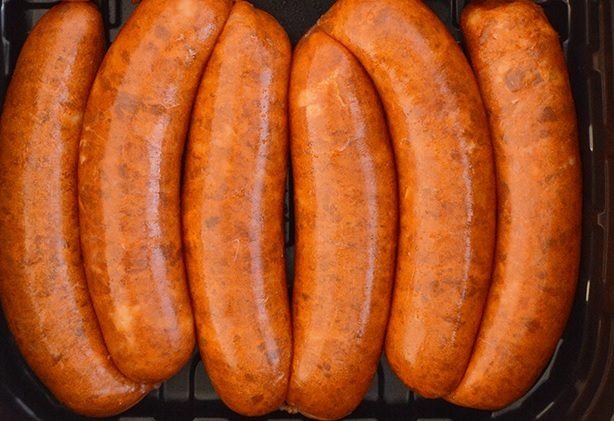
| Batch | Date | |
|---|---|---|
| 9773000072 | Use-by date 03/27/2023 | |
Posted in food contamination, food handler, Food Hazard, Food Hygiene, Food Inspections, Food Micro Blog, Food Microbiology, Food Microbiology Blog, Food Microbiology Testing, Food Pathogen, Food Quality, food recall, Food Safety, Food Safety Alert, Food Safety Management, Food Safety Regulations, Food Testing, Salmonella, Salmonella in Chicken
Aged meat does not pose any additional risks compared to fresh meat if it is aged under controlled conditions, EFSA experts concluded in a scientific opinion released today.
Meat ageing is a process during which microbes and enzymes act upon the meat to break down the connective tissue, thereby tenderising the meat and giving it a richer flavour. This can be done through two main methods: wet ageing and dry ageing. Wet ageing is used for beef, pork and lamb that is stored and refrigerated in a vacuum package, while dry aged beef is refrigerated without packaging which results in a dry surface that is cut off before preparation.
“Aged meat has risen in popularity in recent years among the food industry and restaurants yet until now there has been a lack of knowledge about its safety. EFSA’s advice contributes to fill that gap and provides a solid scientific basis for food business operators to produce aged meat that is safe,” said the Chair of EFSA’s Panel on Biological Hazards, Prof Kostas Koutsoumanis.
There are no additional risks involved provided that the specific combination of time and temperature identified in the scientific opinion are observed during the ageing process, said EFSA’s experts. For example, dry aged beef can be considered as safe as fresh beef if ageing is done for up to 35 days at a temperature of 3°C or lower.
What’s your idea of a tasty snack? Fruit, biscuits, bread and jam perhaps? What would you say if you were offered something more adventurous – fried crickets or grasshoppers? Popular in some countries such as Thailand and Mexico, they are often eaten with chili and lime. In Europe, reactions are mixed! Our expert Ermolaos Ververis explains how EFSA’s novel foods team assesses whether foods such as insects are safe, and he makes us rethink what we know as staple foods in Europe. Come join us for this episode of Science on the Menu, where we even put these questions to the test.