Category Archives: Food Micro Blog

Australia/UK – Australian Hepatitis A cases from imported dates match UK outbreak strain – Dates

Food Safety News

Australian officials have reported three hepatitis A infections linked to dates imported from Jordan.

The strain is identical to the one that caused an outbreak of hepatitis A in the United Kingdom earlier this year, which was also caused by fresh Medjool dates from Jordan. Dates were recalled by Sainsbury’s and Marks and Spencer.

In the UK, at least 30 people fell ill in different parts of England with one person sick in Wales. They had a median age of 60 and ranged from 6 to 93 years old with 25 people needing hospital treatment.

At the time, information sent via the International Food Safety Authorities Network (INFOSAN) emergency contact did not reveal reports of similar outbreaks elsewhere.

USA – DC issues Boil Water Advisory for parts of Northeast after E. coli concerns

FOX5

ecoli

The District has issued a Boil Water Advisory for portions of the Northeast due to the possibility of elevated levels of E. coli/coliform bacteria.

The advisory was issued Thursday and includes the neighborhoods of Edgewood, Brookland, Fort Lincoln, Woodridge, Queens Chapel, Michigan Park and North Michigan Park. Officials say approximately 14,000 residents have been affected.

The impacted region is approximately:

– East of North Capitol Street

– West of Eastern Avenue

– South of New Hampshire Avenue

– North of New York Avenue

USA – Portillo’s in Glendale Heights linked to E. coli outbreak

Food Poison Journal

The Chicago Tribune reported todays that the Illinois Department of Public Health is looking into whether a recent E. coli outbreak is linked to a Portillo’s in Glendale Heights, authorities said Friday.

Four cases of a toxin producing the bacteria and one case of a resultant blood syndrome stemmed from customers eating at the Portillo’s at 235 E. North Ave. in Glendale Heights on July 16 and 17, IDPH wrote in a health alert.

The “possible issue” came from four customers during that time period, Portillo’s spokeswoman Sara Wirth wrote in a Saturday statement. She said the company reexamined its food safety protocols after learning of the outbreak.

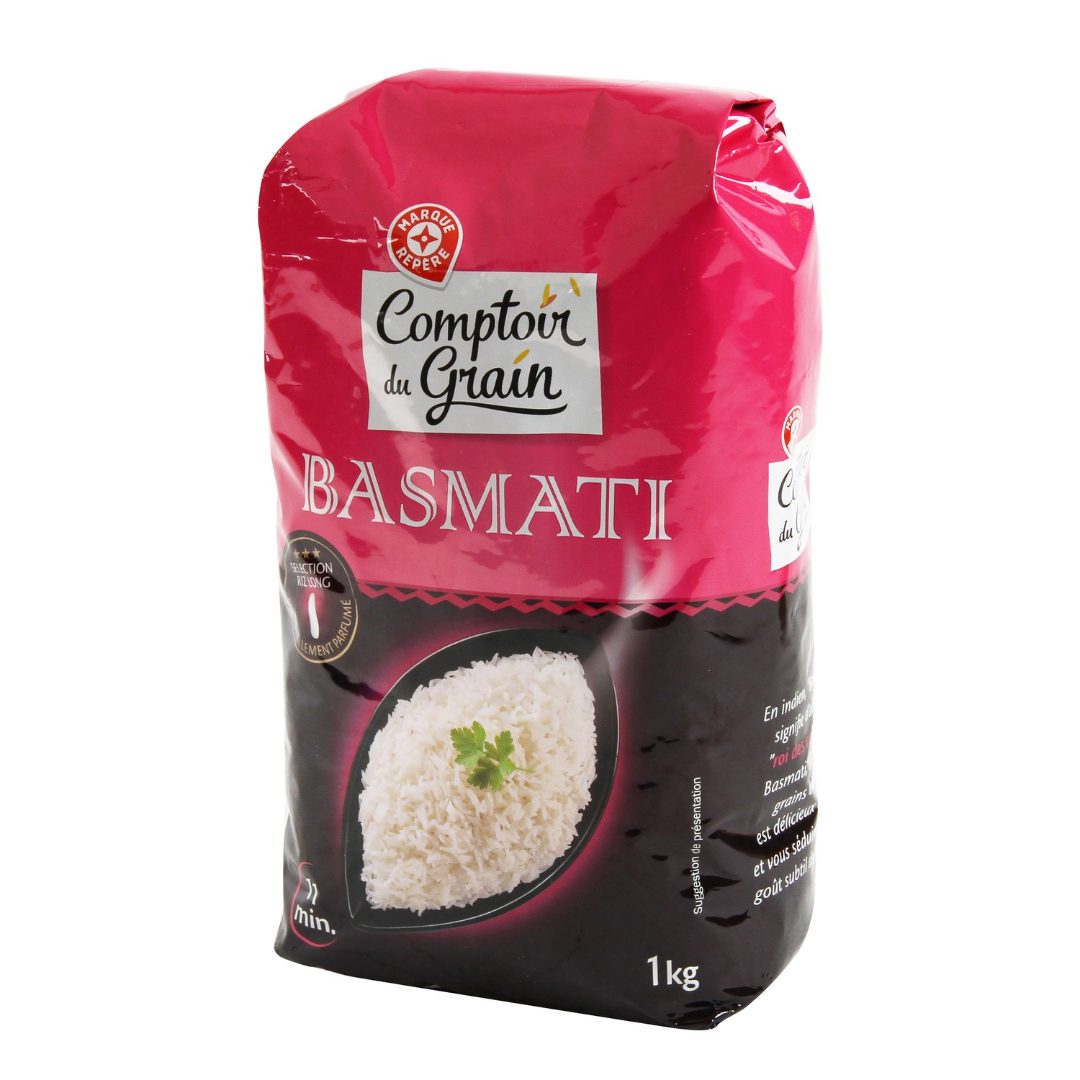
France – BASMATI RICE 1KG SACHET – Ochratoxin A

Gov france

Identifying information for the recalled product

  • Product category Food
  • Product sub-category Cereals and baked goods
  • Product brand name GRAIN COUNTER
  • Names of models or references BASMATI RICE 1KG SACHET
  • Product identification
    GTIN Lot Dated
    3564700024164 All lots Date of minimum durability 11/26/2022
    3564700024164 All lots Date of minimum durability 11/21/2022
  • Packaging BAG 1KG
  • Start date / End of marketing From 26/11/2020 to 06/08/2021
  • Storage temperature Product to be stored at room temperature
  • Further information Only products with code (addon) 06 following the bar code and bearing the minimum durability dates indicated are affected by the recall.
  • Geographical sales area Whole France
  • Distributors E.LECLERC

Practical information regarding the recall

  • Reason for recallPresence of Ochratoxin A beyond regulatory limits
  • Risks incurred by the consumerOther chemical contaminants
  • Additional description of the riskMycotoxins are substances produced by microscopic fungi. These substances can present a health risk in the event of heavy and repeated consumption over the long term.
  • Consumer behaviorStop consuming
    Return the product to the point of sale
    Contact the consumer service
  • Contact number0800 865 286
  • Compensation modalitiesRepayment
  • End date of the recall procedureWednesday 6 October 2021

France – LONG BLANCHED BASMATI RICE 5X90G – 450G – Ochratoxin A

Gov france

Identifying information for the recalled product

  • Product category Food
  • Product sub-category Cereals and baked goods
  • Product brand name GRAIN COUNTER
  • Names of models or references LONG BLANCHED BASMATI RICE 5X90G – 450G
  • Product identification
    GTIN Lot Dated
    3564700579886 All lots Date of minimum durability 11/26/2022
  • Packaging450G BOX (5 90G COOKING BAGS)
  • Start date / End of marketing From 12/17/2020 to 08/06/2021
  • Storage temperature Product to be stored at room temperature
  • Geographical sales area Whole France
  • Distributors E.LECLERC

Practical information regarding the recall

  • Reason for recall Presence of Ochratoxin A beyond regulatory limits
  • Risks incurred by the consumer Other chemical contaminants
  • Additional description of the risk Mycotoxins are substances produced by microscopic fungi. These substances can present a health risk in the event of heavy and repeated consumption over the long term.
  • Consumer behaviour Stop consuming
    Return the product to the point of sale
    Contact the consumer service
  • Contact number0800 865 286
  • Compensation modalities Repayment
  • End date of the recall procedure Wednesday 6 October 2021

Australia – Conroy’s Smallgoods various products – Pathogen Contamination

FSANZ

Product information

Conroy’s Smallgoods Pty Ltd is conducting a recall of various products. The products have been available for sale at wholesalers and independent retail stores including IGA in SA and NT.​

Conroy's.PNG
Problem

The recall is due to potential microbial contamination due to routine food safety checks being unable to verify the safety of the manufacturing process for these products.

Food safety hazard

Food products contaminated with pathogens may cause illness if consumed.

Country of origin

Australia

What to do​

Consumers should not eat these products. Any consumers concerned about their health should seek medical advice and should return the products to the place of purchase for a full refund.

For further information please contact:

Conroy’s Smallgoods Pty Ltd

08 8346 5821

Continental Products

​​​​​

Related links:

Research – Antimicrobial Efficacy and Spectrum of Phosphorous-Fluorine Co-Doped TiO2 Nanoparticles on the Foodborne Pathogenic Bacteria Campylobacter jejuni, Salmonella Typhimurium, Enterohaemorrhagic E. coli, Yersinia enterocolitica, Shewanella putrefaciens, Listeria monocytogenes and Staphylococcus aureus

MDPI

Contamination of meats and meat products with foodborne pathogenic bacteria raises serious safety issues in the food industry. The antibacterial activities of phosphorous-fluorine co-doped TiO2 nanoparticles (PF-TiO2) were investigated against seven foodborne pathogenic bacteria: Campylobacter jejuni, Salmonella Typhimurium, Enterohaemorrhagic E. coli, Yersinia enterocolitica, Shewanella putrefaciens, Listeria monocytogenes and Staphylococcus aureus. PF-TiO2 NPs were synthesized hydrothermally at 250 °C for 1, 3, 6 or 12 h, and then tested at three different concentrations (500 μg/mL, 100 μg/mL, 20 μg/mL) for the inactivation of foodborne bacteria under UVA irradiation, daylight exposure or dark conditions. The antibacterial efficacies were compared after 30 min of exposure to light. Distinct differences in the antibacterial activities of the PF-TiO2 NPs, and the susceptibilities of tested foodborne pathogenic bacterium species were found. PF-TiO2/3 h and PF-TiO2/6 h showed the highest antibacterial activity by decreasing the living bacterial cell number from ~106 by ~5 log (L. monocytogenes), ~4 log (EHEC), ~3 log (Y. enterolcolitca, S. putrefaciens) and ~2.5 log (S. aureus), along with complete eradication of C. jejuni and S. Typhimurium. Efficacy of PF-TiO2/1 h and PF-TiO2/12 h NPs was lower, typically causing a ~2–4 log decrease in colony forming units depending on the tested bacterium while the effect of PF-TiO2/0 h was comparable to P25 TiO2, a commercial TiO2 with high photocatalytic activity. Our results show that PF-co-doping of TiO2 NPs enhanced the antibacterial action against foodborne pathogenic bacteria and are potential candidates for use in the food industry as active surface components, potentially contributing to the production of meats that are safe for consumption. View Full-Text

Research – Antimicrobial Efficacy and Spectrum of Phosphorous-Fluorine Co-Doped TiO2 Nanoparticles on the Foodborne Pathogenic Bacteria Campylobacter jejuni, Salmonella Typhimurium, Enterohaemorrhagic E. coli, Yersinia enterocolitica, Shewanella putrefaciens, Listeria monocytogenes and Staphylococcus aureus

MDPI

Yersinia p

Contamination of meats and meat products with foodborne pathogenic bacteria raises serious safety issues in the food industry. The antibacterial activities of phosphorous-fluorine co-doped TiO2 nanoparticles (PF-TiO2) were investigated against seven foodborne pathogenic bacteria: Campylobacter jejuni, Salmonella Typhimurium, Enterohaemorrhagic E. coli, Yersinia enterocolitica, Shewanella putrefaciens, Listeria monocytogenes and Staphylococcus aureus. PF-TiO2 NPs were synthesized hydrothermally at 250 °C for 1, 3, 6 or 12 h, and then tested at three different concentrations (500 μg/mL, 100 μg/mL, 20 μg/mL) for the inactivation of foodborne bacteria under UVA irradiation, daylight exposure or dark conditions. The antibacterial efficacies were compared after 30 min of exposure to light. Distinct differences in the antibacterial activities of the PF-TiO2 NPs, and the susceptibilities of tested foodborne pathogenic bacterium species were found. PF-TiO2/3 h and PF-TiO2/6 h showed the highest antibacterial activity by decreasing the living bacterial cell number from ~106 by ~5 log (L. monocytogenes), ~4 log (EHEC), ~3 log (Y. enterolcolitca, S. putrefaciens) and ~2.5 log (S. aureus), along with complete eradication of C. jejuni and S. Typhimurium. Efficacy of PF-TiO2/1 h and PF-TiO2/12 h NPs was lower, typically causing a ~2–4 log decrease in colony forming units depending on the tested bacterium while the effect of PF-TiO2/0 h was comparable to P25 TiO2, a commercial TiO2 with high photocatalytic activity. Our results show that PF-co-doping of TiO2 NPs enhanced the antibacterial action against foodborne pathogenic bacteria and are potential candidates for use in the food industry as active surface components, potentially contributing to the production of meats that are safe for consumption.

USA – Luigi Guffanti Taleggio Cheese Recalled For Possible Staphylococcus aureus

Food Poisoning Bulletin

Staph

One type of Luigi Guffanti Taleggio cheese is being recalled for possible Staphylococcus aureus contamination. The recalled product is Luigi Guffanti Cheese Taleggio Dop a Latte Crudo Incarto Verde. No illnesses have been reported to date in connection with the consumption of this product. The recalling company is Taste for Luxury.

UK – Over 300 cats die in the UK from illness that could be linked to toxic pet food – Mycotoxins ?

ABC News

At least 330 cats in the United Kingdom have died from a rare illness that could be linked to toxins in cat foods that have been recently recalled.

The condition, called feline pancytopenia, is when the number of red blood cells, white blood cells and platelets decreases rapidly and results in serious illness, according to the Royal Veterinary College (RVC) in London.

The RVC first raised the alarm about the spike in severe feline pancytopenia cases in late May. To date, the cause of the deaths is yet to be officially identified.

The FSA said in a July 16 update that the presence of mycotoxins was identified “in a small number of samples of recalled cat food tested to date.