Category Archives: Food Micro Blog

Czech Republic – Marinated neck – Salmonella

Potravinynapranyri

Place of inspection:
Milovice ( Armádní 863, Mladá, 28923 Milovice )
Company ID: 25013165
Food group: Meat and meat products / Meat semi -finished product

Marinated neck
Category: Dangerous food
Unsatisfactory parameter:

Salmonella Infantis

The pathogenic bacterium Salmonella Infantis was detected in the meat preparation . This bacterium can cause a condition called salmonellosis.

Expiration date: 10/20/2021
Producer: PMU CZ, as
Country of origin:  Czechia
Sampling date: 20. 10. 2021
Reference number: 22-000017-SVS-CZ
The sample was found by an official inspection of the State Veterinary Administration.

Italy – SCOTTONA ADULT BOVINE TARTARE – Listeria monocytogenes

Salute

Brand : LA FILIERA IN TAVOLA – PENNY MARKET

Name : SCOTTONA ADULT BOVINE TARTARE

Reason for reporting : Recall due to microbiological risk

Publication date : 12 February 2022

Click to access C_17_PubblicazioneRichiami_1652_azione_itemAzione0_files_itemFiles0_fileAzione.pdf

Australia – L’Artisan Organic Marcel 180g Cheese -E.coli

FSANZ

Product information

Mortlake Organic Dairy is conducting a recall of L’Artisan Organic Marcel 180g. The product has been available for sale at independent food retailers including IGA in VIC & QLD, independent food retailers in SA, and select Coles Local stores in VIC.

Date markings

Best Before 08MAR2022

L'Artisan Organic Marcel 180g

Problem

The recall is due to microbial (E.coli) contamination.

Food safety hazard

Food products contaminated with E.coli may cause illness if consumed.

Country of origin

Australia

What to do​

Any consumers concerned about their health should seek medical advice and should return the product to the place of purchase for a full refund.

For further information please contact:

Mortlake Organic Dairy

0432 607 010

Related links:

Nigeria – Recall Of Bake Crafters -Maple Waffle Wg Chicken Sausage Sandwich Due To Potential Listeria Monocytogenes Contamination

NAFDAC

The National Agency for Food and Drug Administration and Control (NAFDAC)  has received information from US FDA on the voluntary recall of Bake Crafters Maple Waffle WG Chicken Sausage manufactured by Bake Crafters, USA due to potential Listeria monocytogenes contamination.

Consumption of the contaminated product may produce symptoms of listeriosis, which can take up to 70 days to appear. Symptoms usually consists of a severe headache, high fever, muscle pain, neck pain and stiffness, and nausea and diarrhea. Pregnant women can suffer miscarriage and stillbirth even if they only have a mild illness from listeriosis. If you do feel sick, see your doctor.

Recalled Product details:

Name of product Manufacturer Lot Number Product number Best By:
Maple Waffle WG Chicken Sausage Bake Crafters 21343 6657 12/09/22

Recommendation:

Consumers who have consumed this product and are experiencing listeria monocytogenes symptoms listed above should report to their physician for examination.

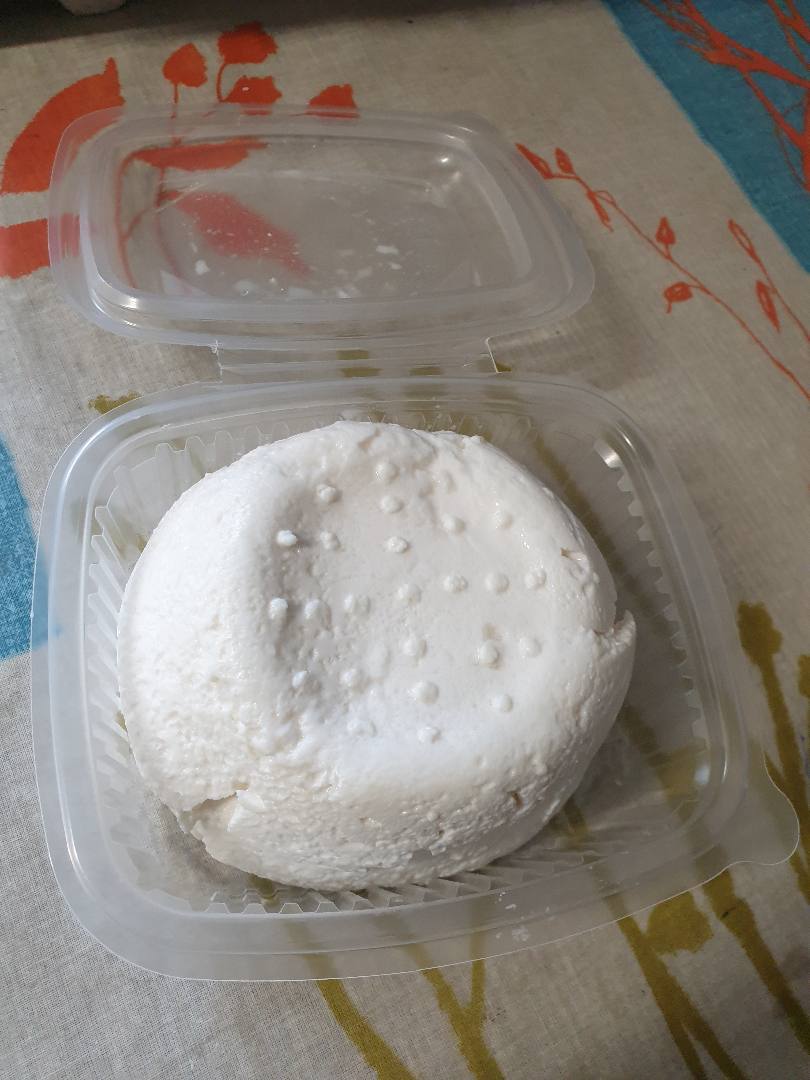
France – Faisselle Cheese- Listeria monocytogenes

Gov france

Identification information of the recalled product

  • Product category Food
  • Product subcategory Milk and dairy products
  • Product brand name faisselle
  • Model names or references faisselle
  • Identification of products
    Lot
    batch from January 1, 2022 to February 11, 2022
  • Products Listplacard_listeria-3.pdfAttachment
  • Marketing start/end date From 01/01/2022 to 11/02/2022
  • Storage temperature Product to be stored in the refrigerator
  • Geographic area of ​​sale Regions: Centre-Val de Loire
  • Distributors“alimen’terre” a la chapelle vendomoise “candepicerie” a cande sur beuvron “la sologn’hotte” “vival” a contres “ouchamps des lyces” a ouchamps “superette cocci market” a cour cheverny ” earl dufraisse ” a cheverny

Practical information regarding the recall

  • Reason for recall presence listeria
  • Risks incurred by the consumer Listeria monocytogenes (causative agent of listeriosis)

Research – Spain – Report of the Scientific Committee of the Spanish Agency for Food Safety and Nutrition (AESAN) on the safety of foods air-dried outdoors that are produced by traditional methods and which require an adjustment of the hygiene requirements that must be fulfilled

AESAN

Abstract
The European Union recognises that traditional methods of food production are a valuable and irreplaceable heritage that must be preserved over time. Therefore, Regulation (EC) No. 852/2004 permits a degree of flexibility in its application provided food hygiene goals are not compromised. For decades, both plant and animal-based foods have been produced in Spain which are air-dried outdoors until reaching a low water activity (aw) that enables their preservation at room temperature. These foods include, raisins, dried apricots, dried figs, ñora peppers, dried fish or octopus that are at least partially air-dried, among others.
The Scientific Committee of the Spanish Agency for Food Safety and Nutrition (AESAN) is of the opinion that the processing of naturally dried foods leads to their correct preservation, provided they reach an aw that inhibits the proliferation of pathogenic microorganisms and the production of toxins in them. Some of the stages in the process may cause microbial inactivation.
Above all, it is necessary to ensure the absence of the formation of toxins, with aflatoxins being the ones that have been most frequently identified. Thus, it is considered that the drying should be conducted in the least time possible, ensuring a decrease of aw within the first 2-3 days of below 0.90 to inhibit the development of aflatoxins, and this drying should be continued until aw levels lower than 0.70 are reached, preventing the growth of pathogenic microorganisms that cause spoilage. It is necessary to guarantee suitable hygienic conditions during processing in order to prevent contamination by pathogens and/or toxins.
Although they cannot proliferate in the stated preservation conditions, they can remain viable in the final product, therefore they may pose a risk to consumer health. Microorganisms with a low infective dose and those that have been identified in dried products (such as S. aureus and Salmonella) and microbial toxins are especially relevant. Autonomous Communities must monitor compliance with the requirements to ensure that they do not pose a risk in these products.
Although these types of products have a low aw, within the range of 0.6 to 0.8 according to avail-able literature, given that this information is not available for each assessed product, the level of safety reached cannot be established on an individual basis. Additionally, the diverse factors used in some of them (additives and preservatives, pasteurisation processes, etc.) require individual assessment once all the necessary information is available. Therefore, the drying must reach aw levels below 0.70 in the least time possible for these types of products to be considered stable, as given these conditions, there is no scientific evidence that shows that the safety and stability of the dried products are compromised, provided good hygiene practices are maintained during their preservation and storage.
For final levels of aw that are higher, correct preservation may be achieved through a combination of factors which proves that it is effective throughout the shelf life of the product, maintaining the aforementioned appropriate hygiene practices.

Research – Emerging Legionella species data

HPS

Legionella_Plate_01

08 February 2022

Article: 56/502

In July 2021, the Legionella Control Association (LCA), in conjunction with the Health and Safety Executive (HSE), Public Health England (PHE) and local authorities, held a webinar aimed at raising awareness of increasing Legionella positivity rates post lockdown.  The data demonstrated that the average positive rate in the UK had increased by around 2% following the lockdowns in response to COVID-19.

To investigate if there were particular species that could have led to this increase, LCA approached the three commercial laboratories in the UK that use MALDI-ToF to confirm down to species level, and asked if they would share their data. This information has now been returned by some laboratories, with findings from over 70,000 positive result samples in a two-year period revealing:

  • over 53% of the results were L.anisa
  • over 32% of the positives were L. pneumophilia, both SeroGroup 1 and SeroGroup 2-15
  • nearly 1% of positives were for L. rubilucens
  • over 6.5% of the results did not confirm a species type
  • there were over a dozen other species identified in results that accounted for less than 1% of the data set

The first line clinical diagnostic tool used to confirm Legionnaire’s disease in the UK is commonly a urinary antigen test (UAT), and this method looks predominantly for L. pneumophilia SeroGroup 1. Given the data LCA has provided so far, this could potentially mean missing over 70% of Legionella infections in patients. It should be highlighted that this data is in its infancy, and LCA state that further research needs to take place before any significant changes are considered or undertaken.

Source: LCA, January 2022

Research – How do Time, Tannin and Moisture Content Influence on Toxicogenic Fungal Populations during the Storage of Sorghum Grains?

Journal of Food Protection

Cereal grains are usually ensiled to improve their nutritional value and are one of the main sources of feed for dairy cattle. However, during storage, grains can be contaminated with toxicogenic fungi. Sorghum is one of the most economically important cereals in the world. Therefore, the aim of this work was to evaluate the influence of storage duration and tannin and moisture contents on toxicogenic fungal populations in sorghum grain storage. Samples were prepared with variety high in tannins (genotypes Morgan 108 and ACA 558, >5g/kg DM) and with variety low tannin content (genotypes Flash 10 and ACA 546, <1g/kg DM) were collected and manually compacted in experimental laboratory silos where they received different moisture content treatments, namely low (15-25%), medium (26-32%) and high (33-42%). Freshly harvest grains were analyzed at time 0 and storage grains were analyzed at different times (30, 90 and 180 days). Fungal isolation and identification were performed following conventional mycological methods. Penicillium citrinum (34%), Aspergillus flavus (60%) and Fusarium nygamai (68%) were the most abundant species. Rapid detection of aflatoxins and fumonisins in each sample was performed by ELISA according to the AOAC method, and the quantification of aflatoxin B 1 was performed by HPLC. Aflatoxins were detected in four samples with levels of 6.7-28.8 µg/kg and aflatoxin B 1 with a level of 2-14 µg/kg in pre- and post-storage grains . Fumonisins were only detected in two freshly harvested samples with levels of 500-900 µg/kg . In general, the storage time favored the increase of Penicillium population, instead the Aspergillus and Fusarium are reduced. Conversely the abundance of the three population was not affected by the moisture content. The results of this study show that fungal population must be analyzed at different times.

South Africa – A systematic review on mobile health applications for foodborne disease outbreak management

BMC

Abstract

Background

Foodborne disease outbreaks are common and notifiable in South Africa; however, they are rarely reported and poorly investigated. Surveillance data from the notification system is suboptimal and limited, and does not provide adequate information to guide public health action and inform policy. We performed a systematic review of published literature to identify mobile application-based outbreak response systems for managing foodborne disease outbreaks and to determine the elements that the system requires to generate foodborne disease data needed for public action.

Methods

Studies were identified through literature searches using online databases on PubMed/Medline, CINAHL, Academic Search Complete, Greenfile, Library, Information Science & Technology. Search was limited to studies published in English during the period January 1990 to November 2020. Search strategy included various terms in varying combinations with Boolean phrases “OR” and “AND”. Data were collected following the Preferred Reporting Items for Systematic Reviews and Meta-Analyses Statement. A standardised data collection tool was used to extract and summarise information from identified studies. We assessed qualities of mobile applications by looking at the operating system, system type, basic features and functionalities they offer for foodborne disease outbreak management.

Results

Five hundred and twenty-eight (528) publications were identified, of which 48 were duplicates. Of the remaining 480 studies, 2.9% (14/480) were assessed for eligibility. Only one of the 14 studies met the inclusion criteria and reported on one mobile health application named MyMAFI (My Mobile Apps for Field Investigation). There was lack of detailed information on the application characteristics. However, based on minimal information available, MyMAFI demonstrated the ability to generate line lists, reports and offered functionalities for outbreak verification and epidemiological investigation. Availability of other key components such as environmental and laboratory investigations were unknown.

Conclusions

There is limited use of mobile applications on management of foodborne disease outbreaks. Efforts should be made to set up systems and develop applications that can improve data collection and quality of foodborne disease outbreak investigations.

Research – Antagonistic Effects of Conjugated Linoleic Acids of Lactobacillus casei Against Foodborne Enterohemorrhagic Escherichia coli 

Journal of Food Protection

Probiotics in fermented foods or commercially available supplements benefit the host by providing metabolites/peptides. The production of these metabolites varies with available substrates/prebiotic present in the system and their concentration. In this study, 0.5% peanut flour (PF) was used to stimulate the growth and production of metabolites of wild-type Lactobacillus casei (LC wt ) and compare with an engineered L. casei (LC CLA ) capable of converting a higher amount of conjugated linoleic acid (CLA). The total extracellular metabolites present in the cell-free cultural supernatant (CFCS) of LC wt (without peanut), LC wt+PF (with peanut), and LC CLA were collected after 24 h and 48 h of incubation, and their antagonistic activities against enterohemorrhagic Escherichia coli (EHEC EDL933) growth and pathogenesis were evaluated. All the collected metabolites exhibited varying efficiency in restraining EDL933 growth while supplementing low concentration of CLA to the 48-h CFCS from LC wt showed augmented antagonism toward EDL933. A downregulation of key virulence genes was observed from metabolites collected at 48-h time point. These observations indicate that the presence of metabolites in CFCSs including CLA, produced by Lactobacillus , which was further identified by gas chromatography-mass spectrometry; plays a critical role. This study demonstrates the potential applicability of Lactobacillus -originated CLA in the prevention of EDL933 mediated illnesses.