Category Archives: Food Micro Blog

RASFF Alert – Norovirus – Oysters

RASFF

Norovirus in oysters (Crassostrea gigas) from France in Spain

RASFF Alerts – Ochratoxin A – Basmati Rice

RASFF

Ochratoxin A in Basmati Rice from India via UK in Cyprus

RASFF Alert – Histamine – Sardine Fillets

RASFF

Histamine in sardine fillets from France in Belgium, Germany and the Netherlands

RASFF Alert – STEC E.coli – Chilled Beef

RASFF

Shigatoxin-producing Escherichia coli (STEC) in chilled beef from Argentina in Austria, Germany and Italy

RASFF Alerts – Listeria monocytogenes – Goats Raw Milk Cheese – Mustard bacon – Mozzarella – Smoked Salmon – Taleggio Cheese

RASFF

Listeria in goat raw milk cheese from France in Belgium, Germany, Luxembourg, Netherlands.

RASFF

Listeria monocytogenes in mustard bacon from Belgium in the Netherlands

RASFF

Listeria monocytogenes in mozzarella cheese from Poland in Romania

RASFF

Listeria monocytogenes in smoked salmon from Great Britain in Iceland

RASFF

Detection of listeria in TALEGGIO cheese made in Italy in Luxembourg and France

RASFF Alert – Animal Feed – Aflatoxin – Peanuts

RASFF

Aflatoxins in peanuts as feed material from Argentina in Germany

RASFF Animal Feed – Salmonella – Barley – Barley Feed

RASFF

Salmonella in barley from Germany in Finland

RASFF

Salmonella in barley feed from UK in Finland

Canada – Certain Sweet Spot Chocolate Shop brand peanut butter-containing chocolates recalled due to Salmonella

CFIA

Product
Certain peanut butter-containing chocolates
Issue
Food – Microbial Contamination – Salmonella
What to do

Do not consume the recalled products

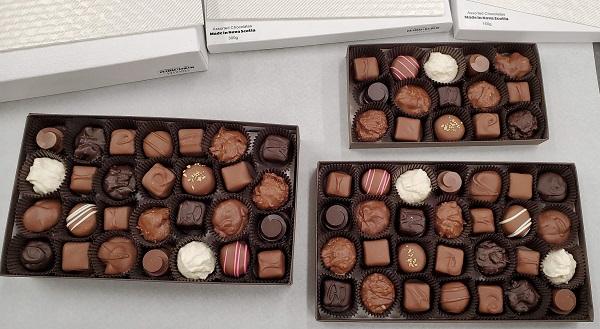
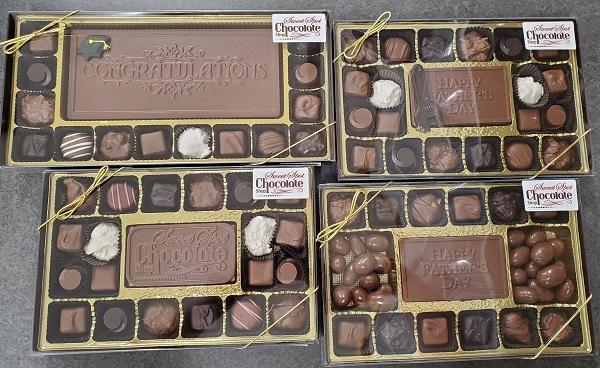
Sweet Spot Chocolate Shop – Assorted Chocolates (white box)

Sweet Spot Chocolate Shop – Assorted chocolates (clear top)

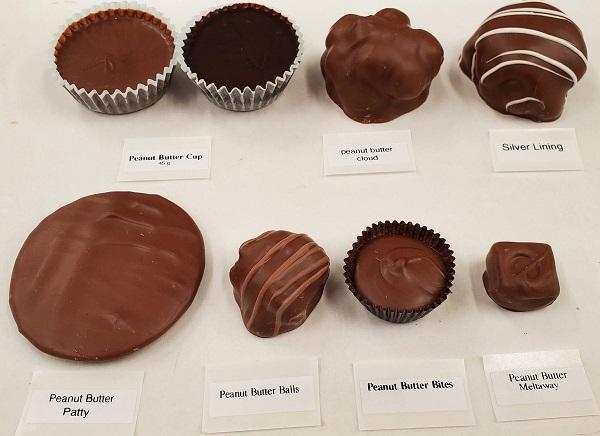
Sweet Spot Chocolate Shop – Peanut butter-containing chocolates

Affected products

Issue

Sweet Spot Chocolate Shop is recalling certain Sweet Spot Chocolate Shop brand peanut butter-containing chocolates from the marketplace due to possible Salmonella contamination.

The recalled products have been sold in Nova Scotia and online.

What you should do

  • If you think you became sick from consuming a recalled product, call your doctor
  • Check to see if you have the recalled products in your home
  • Do not consume the recalled products
  • Recalled products should be thrown out or returned to the location where they were purchased

Food contaminated with Salmonella may not look or smell spoiled but can still make you sick. Young children, pregnant women, the elderly and people with weakened immune systems may contract serious and sometimes deadly infections. Healthy people may experience short-term symptoms such as fever, headache, vomiting, nausea, abdominal cramps and diarrhea. Long-term complications may include severe arthritis.

UK – JDM Distributors recalls Jif Peanut Butter products because of the possible presence of Salmonella

FSA

JDM Distributors is taking the precautionary action of recalling Jif Creamy Peanut Butter and Jif Extra Crunchy Peanut Butter because they might be contaminated with Salmonella.

Product details

Jif Creamy Peanut Butter
Pack size 453g
Batch code 1343006
Best before 09 December 2023
Jif Extra Crunchy Peanut Butter
Pack size 453g
Batch code 1296425
Best before 23 October 2023

Risk statement

The possible presence of Salmonella in the products listed above.

Symptoms caused by Salmonella usually include fever, diarrhoea and abdominal cramps.

Action taken by the company

JDM Distributors is recalling the above products. Point of sale notices will be displayed in retail stores that are selling these products. These notices explain to customers why the products are being recalled and tell them what to do if they have bought the products. Please see the attached notices.

Our advice to consumers

If you have bought the above products do not eat them. Instead, return them to the store from where they were bought for a full refund. For further details, contact the business on 01296 596050 or email info@jdmdistributors.co.uk

Research – Application of ultra-fine bubble technology to reduce Listeria monocytogenes contamination of fresh produce

Center for Produce Safety

Summary

Water used for washing or hydrocooling can act as a source of produce contamination with Listeria monocytogenes. Since this could lead to human infections, controlling L. monocytogenes in hydrocooling water and produce is critical for food safety. Commercial disinfectants (chlorine, quaternary ammonium compounds) are not completely effective in killing L. monocytogenes in wash water or on produce, especially in presence of organic load.

This proposal aims to investigate the potential of a new technology that employs water containing ultra-fine gas bubbles (size ~ 1 micrometer or less) for washing produce (celery, gala apples, romaine lettuce). We will generate ultra-fine ozone (UFO) bubbles in water using a high energy shear method and test the potential of resulting solution to rapidly kill (in 30 to 60 sec) L. monocytogenes in wash water and on produce surface. In addition, the efficacy of UFO bubble water to synergistically improve the Listeria killing potential of aforementioned commercial disinfectants will be tested. The anti-listerial efficacy of UFO bubble water will also be tested in presence of organic load. Successful completion of this project will provide the produce industry with novel antimicrobial treatment for disinfecting wash water and produce in single pass or re- circulated hydrocooling systems.

Technical Abstract

The widespread distribution of Listeria monocytogenes in agricultural environments such as soil, manure and water results in frequent contamination of food processing areas. Although good agricultural practices partially reduce contamination, however, due to the open nature of farming, it is extremely difficult to completely prevent pathogen influx. Water used for washing or hydrocooling can act as a source of equipment and produce contamination with L. monocytogenes. Since this could lead to human infections, controlling L. monocytogenes in hydrocooling water and on the surface of fresh produce is critical for food safety. Currently used commercial disinfectants (chlorine, peracetic acid, quaternary ammonium compounds) are not completely effective in killing L. monocytogenes in wash water or on the surface of produce, especially in presence of organic load. Moreover, the presence of chemical residues and the formation of harmful organochlorine compounds is an occupational concern due to associated health risks, including cancer. Therefore, there is a need for developing novel strategies that could be employed (either alone or in combination with currently used commercial disinfectants) to control L. monocytogenes in wash water and on surface of fresh produce, vegetables and fruits.

This proposal aims to investigate the potential of a new technology that employs water containing ultra-fine gas bubbles (size ~ 1 micrometer or less) for washing produce (celery, gala apples, romaine lettuce). We will generate ultra-fine ozone (UFO) bubbles in water using a high energy shear method and test the potential of resulting solution to rapidly kill (in 30 to 60 sec) L. monocytogenes in wash water and on produce surface. In addition, the efficacy of UFO bubble water to synergistically improve the Listeria killing potential of aforementioned commercial disinfectants will be tested. The anti-listerial efficacy of UFO bubble water will also be tested in presence of organic load.

Potential impact from anticipated outcomes: Successful completion of this project will provide the produce industry with novel antimicrobial treatment for disinfecting wash water and produce in dump tanks, and single pass or re-circulated hydrocooling systems. This intervention will translate into increased microbiological safety of fresh produce.