Archives
-
Join 347 other subscribers
KSWFoodWorld
Blog Stats
- 484,947 Views
Category Archives: Food Micro Blog
Research – Pet Reptiles in Poland as a Potential Source of Transmission of Salmonella
Reptiles are considered a potential source of Salmonella transmission to humans.
The aim of this research was to determine the incidence of Salmonella in pet reptiles in Poland and to examine Salmonella isolates with regard to their biochemical characteristics, serotype, antimicrobial susceptibility, and pathogenic and zoonotic potential.
The research material consisted of 67 reptile faeces samples. The taxonomic affiliation of the Salmonella isolates was determined by MALDI-TOF mass spectrometry, biochemical analyses, and serotyping; whole genome sequencing (WGS) analysis was performed on three isolates whose serotype could not be determined by agglutination. The antimicrobial susceptibility of the Salmonella isolates was determined by the broth dilution method, and in the case of some antimicrobials by the disk diffusion method.
The pathogenic and zoonotic potential of the identified serotypes was estimated based on available reports and case studies. The presence of Salmonella was confirmed in 71.6% of faecal samples, with the highest incidence (87.1%) recorded for snakes, followed by lizards (77.8%) and turtles (38.9%). All isolates (n = 51) belonged to the species S. enterica, predominantly to subspecies I (66.7%) and IIIb (25.5%). Among these, 25 serotypes were identified, including 10 that had previously been confirmed to cause reptile-associated salmonellosis (RAS). Salmonella isolates were susceptible to all antimicrobial substances used except streptomycin, to which 9.8% of the strains showed resistance.
None of the strains contained corresponding resistance genes. The study demonstrates that pet reptiles kept in Poland are a significant reservoir of Salmonella and contribute to knowledge of the characteristics of reptilian Salmonella strains. Due to the risk of salmonellosis, contact with these animals requires special hygiene rules.
Posted in antimicrobial resistance, Decontamination Microbial, Food Micro Blog, Food Microbiology, Food Microbiology Blog, Food Microbiology Research, Food Microbiology Testing, Food Pathogen, microbial contamination, Microbiological Risk Assessment, Microbiology, Microbiology Investigations, Microbiology Risk, Pathogen, pathogenic, Salmonella, Zoonosis
Research – Collective food poisoning (TIAC) with E. coli O157 producing Shiga toxins, associated with the consumption of raw cucumbers
On September 9, 2021, the Regional Health Agency (ARS) of Hauts-de-France was informed of a suspicion of collective food poisoning (TIAC) affecting half-board students, educated in several schools in a municipality. of the Lille metropolis. On September 13, 2021, two cases of hemolytic and uremic syndrome (HUS) were diagnosed in two hospitalized children attending school in this town. Public Health France Hauts-de-France was asked by the Hauts-de-France ARS to provide support for the investigations and management of this TIAC. A total of 35 cases of gastroenteritis, with bloody diarrhea and fever (>38°C) in half of the cases, were identified. Ten cases were hospitalized and two children developed HUS. The cases identified were half-board students in four school groups (29 cases), a parent of a student and elderly people benefiting from the municipality’s home meal delivery service (5 cases). The case canteens were all supplied by the central municipal kitchen. The shape of the epidemic curve was in favor of a common and point source of contamination during meals on September 2 or 3, 2021. The case-control survey, carried out in schools, concluded that only the consumption of cucumbers in salad, served with the meal on September 2, was statistically and significantly associated with the occurrence of the disease. A strain of E. highly pathogenic Shiga toxin-producing (STEC) O157 coli was isolated from the stool cultures of eight cases, including the two children who developed HUS and in the offending cucumber salad. Genomic analysis of the strains confirmed the genetic clustering of clinical and food strains that belonged to the same genomic cluster. The veterinary investigation revealed that a failure in the decontamination process, associated with incomplete peeling of the contaminated cucumbers, contributed to the occurrence of this TIAC. The cucumbers in question came from Belgium and the Belgian health authorities were informed via the dedicated European alert circuits. No other episodes of clusters of STEC infection related to this TIAC have been reported to the ARS over the period while cucumbers from the same batch had been widely distributed in communities and commercial catering services in the Hauts-de-France region. The food vehicle, incriminated in this TIAC, is part of the plants at risk because of its raw mode of consumption. It is important to remind vulnerable populations and collective catering services that preventing the risk of STEC infection, linked to the consumption of raw vegetables, requires washing, disinfection and peeling.
Posted in Decontamination Microbial, E.coli O157, E.coli O157:H7, food bourne outbreak, Food Illness, Food Micro Blog, Food Microbiology, Food Microbiology Blog, Food Microbiology Research, Food Microbiology Testing, Foodborne Illness, foodborne outbreak, foodbourne outbreak, Illness, microbial contamination, Microbiological Risk Assessment, Microbiology, Microbiology Investigations, Microbiology Risk, outbreak, Research, Shigatoxin
Research – Spread of Hepatitis A virus strains of genotype IB in several EU countries and the United Kingdom – including foodborne spread
As of 29 September 2022, 303 cases with identical or closely related HAV strains have been identified in Austria (7), Germany (8), Hungary (161), the Netherlands (8), Slovenia (35), Sweden (8), and the UK (76). Currently available epidemiological and microbiological data suggest that human-to-human transmission has occurred, and possibly also transmission through contaminated food.
On 15 February 2022, Hungary reported an outbreak of HAV genotype IB with the disease onset of the first case in early December 2021. To date, 161 cases (139 males, 22 females) have been confirmed with this strain in the National Hepatitis Reference Laboratory in Hungary. The weekly number of reported hepatitis A cases have been declining since June 2022. Several infected people identified themselves as men who have sex with men (MSM), suggesting possible transmission among sexual contacts. Several patients have been hospitalised.
In July 2022, a foodborne outbreak was suspected with a link to a restaurant in Hungary, where 16 people fell ill with HAV IB infection. Some of the patients reported consuming cold soup made with frozen berries. In the UK, no clear source of infection has been identified, but epidemiological investigations so far indicate possible foodborne infections in addition to person-to-person transmission. Germany, the Netherlands, and Sweden have reported a total of nine cases infected with strains matching the sequences of the UK strain. Investigations of these cases didn’t find any clear risk factors for infection such as a travel history or consumption of berries. Further investigations are ongoing.
HAV is highly transmissible through contaminated water, food, and via the faecal–oral route among close contacts (e.g. household contacts, sexual contacts, and contacts in day-care centres or schools), with an average incubation period of four weeks, ranging from two to six weeks. The virus is highly resistant to environmental conditions as well as to several preservation methods like acidification or freezing. Therefore, possible food-borne transmission should be investigated when several cases are reported within a short period.
Practising good hand hygiene – including thoroughly washing hands with soap after using the bathroom, changing nappies, and before preparing or eating food – plays an important role in preventing the spread of hepatitis A. Scaling up surveillance to detect and investigate sporadic and clusters of cases possibly associated with foodborne transmission in collaboration with food safety authorities is essential.
MSM are at risk of HAV infection when engaging in sexual practices that facilitate faecal-oral transmission of the virus. Hepatitis A vaccination, which is safe and highly effective, is the main option for response in the context of the current circulation of HAV genotype IB among MSM. The World Health Organisation and most EU/EEA countries recommend hepatitis A vaccination for MSM.
Besides vaccination, other options can contribute to the prevention of transmission among MSM: the use of condoms for anal sex, which have the additional benefit of offering protection against other sexually transmitted infections and good personal hygiene (e.g. washing hands and genital areas before and after sex). For the provision of primary prevention advice, authorities should consider engaging with civil society, social media, media outlets and dating apps to raise awareness among MSM about the risk of contracting HAV and the importance of vaccination. MSM who have already contracted the infection should be referred to sexual health services for further testing.
Posted in food bourne outbreak, food contamination, food handler, Food Hygiene, Food Illness, Food Inspections, Food Micro Blog, Food Microbiology, Food Microbiology Blog, Food Microbiology Testing, Food Pathogen, food recall, Food Safety, Food Safety Alert, Food Safety Management, Food Testing, Food Virus, Foodborne Illness, foodborne outbreak, foodbourne outbreak, Hepatitis A, Illness, outbreak
UK – PASCO Foods recalls PASCO Delhi Tikka Masala and PASCO Rajestani Jalfrezi cooking sauces because of shortened shelf life
Rajestani Jalfrezi Cooking Sauce because of a production fault which has shortened the shelf life of the product, making them unsafe to eat.
Product details
| PASCO Delhi Tikka Masala Cooking Sauce | |
|---|---|
| Pack size | 350g |
| Batch code | 228092/1, 228092/2 and 228092/3 |
| Best before | 29 August 2024 |
| PASCO Delhi Tikka Masala Cooking Sauce | |
|---|---|
| Pack size | 350g |
| Batch code | 229020 |
| Best before | 02 September 2024 |
| PASCO Rajestani Jalfrezi Cooking Sauce | |
|---|---|
| Pack size | 350g |
| Batch code | 228062/1, 228062/2, 228062/3 and 228062/4 |
| Best before | 26 August 2024 |
| PASCO Rajestani Jalfrezi Cooking Sauce | |
|---|---|
| Pack size | 350g |
| Batch code | 228072/1 and 228072/2 |
| Best before | 27 August 2024 |
Risk statement
A production fault has shortened the shelf life of these products, making them unsafe to eat.
Action taken by the company
PASCO is recalling the above products from customers. The company has also issued a point-of-sale notice to its customers. These notices explain to customers why the product is being recalled and tells them what to do if they have bought the product. Please see attached notice.
Our advice to consumers
If you have bought any of the above products do not eat them. Instead, return them to the store from where they were bought for a full refund, no receipt is required. If you would like any further information, please contact PASCO Customer Relations on 01942 493220.
Posted in Decontamination Microbial, Food Micro Blog, Food Microbiology, Food Microbiology Blog, Food Microbiology Research, Food Microbiology Testing, Food Safety, Food Safety Alert, Food Safety Management, fsa, microbial contamination, Microbiological Risk Assessment, Microbiology, Microbiology Investigations, Microbiology Risk
Research -Microbial safety and sanitary quality of strawberry primary production in Belgium: risk factors for Salmonella and Shiga toxin producing Escherichia coli (STEC) contamination

ABSTRACT
Strawberries are an important fruit in Belgium both in production and consumption, but little
information is available about the presence of Salmonella and STEC in these berries, the risk
factor in agricultural production and possible specific mitigation options. In 2012, a survey
was undertaken of three soil and three soilless cultivation systems in Belgium.
No Salmonella spp. was isolated. No STEC was detected in the strawberry samples (0 out of 72), but STEC
was detected by qPCR in 11 out of 78 irrigation water and 2 out of 24 substrate samples.
Culture isolates were obtained for 2 out of 11 qPCR positive irrigation water samples and 2
out of 2 substrate samples. Multivariable logistic regression analysis revealed elevated generic E. coli
numbers (odds ratio (OR) for 1 log increase being 4.6) as the most important risk factor for STEC, together with the berry picking season (elevated risk in summer). Presence of generic E. coli in the irrigation water (≥ 1 cfu per 100 ml) was mainly influenced by the type of irrigation water (collected rainfall water stored in ponds was more often contaminated than ground water pumped from boreholes (OR = 5.8)) and the lack of prior treatment (untreated water versus water subjected to sand filtration prior to use (OR = 19.2)). The follow-up study in 2013 at one of the producers indicated cattle as the most likely source of
STEC contamination of the irrigation water.
Posted in bacterial contamination, Contaminated water, cross contamination, Decontamination Microbial, E.coli, food contamination, Food Micro Blog, Food Microbiology, Food Microbiology Blog, Food Microbiology Research, Food Microbiology Testing, microbial contamination, Microbiological Risk Assessment, Microbiology, Microbiology Investigations, Microbiology Risk, Research, Salmonella, STEC, STEC E.coli, Water, water microbiology, Water Safety
Research – Biofilm formation in food industries: A food safety concern
Foodborne diseases have always been a threat to human health. They are considered an emergent public health concern throughout the world. Many outbreaks have been found to be associated with biofilms. It is well documented that biofilms have become a problem in food industries as it renders its inhabitants resistant to antimicrobial agents and cleaning. In this review, biofilms formation in dairy, fish processing, poultry, meat, and Ready-To-Eat foods industries are discussed, as well as the biofilms forming abilities of various microorganisms and the influence of food contact surface materials on biofilm formation. In addition, the conventional and emergent control strategies used to gain more proximity to efficiently maintain good hygiene throughout food industries is discussed.
Research – Study Examines Listeria, Salmonella Survival in Dry Packaging Facilities, Efficacy of Sanitizers
An ongoing study funded by the Center for Produce Safety (CPS) is examining the survival of Salmonella and Listeria monocytogenes on surfaces in dry food packaging facilities, as well as the efficacy of dry cleaning processes on pathogen reduction. The study, led by Clemson University researchers Paul Dawson, Ph.D., and Kay Cooksey, Ph.D., aims to improve produce safety by identifying and investigating critical areas for microbial risk that exist in packinghouse environments after the washing, waxing, and drying steps.
Dr. Dawson chose to focus on Salmonella and L. monocytogenes due to their prevalence in produce packaging facilities, as well as their differing physiological characteristics. For instance, packaging facilities issued recalls for stone fruits contaminated with L. monocytogenes and peaches contaminated with Salmonella in 2016 and 2020, respectively. Additionally, while Salmonella is resistant to drying and can persist on surfaces with low water activity, L. monocytogenes survives and grows under cool, damp conditions. Salmonella can still survive in lower temperatures, but its growth is inhibited.
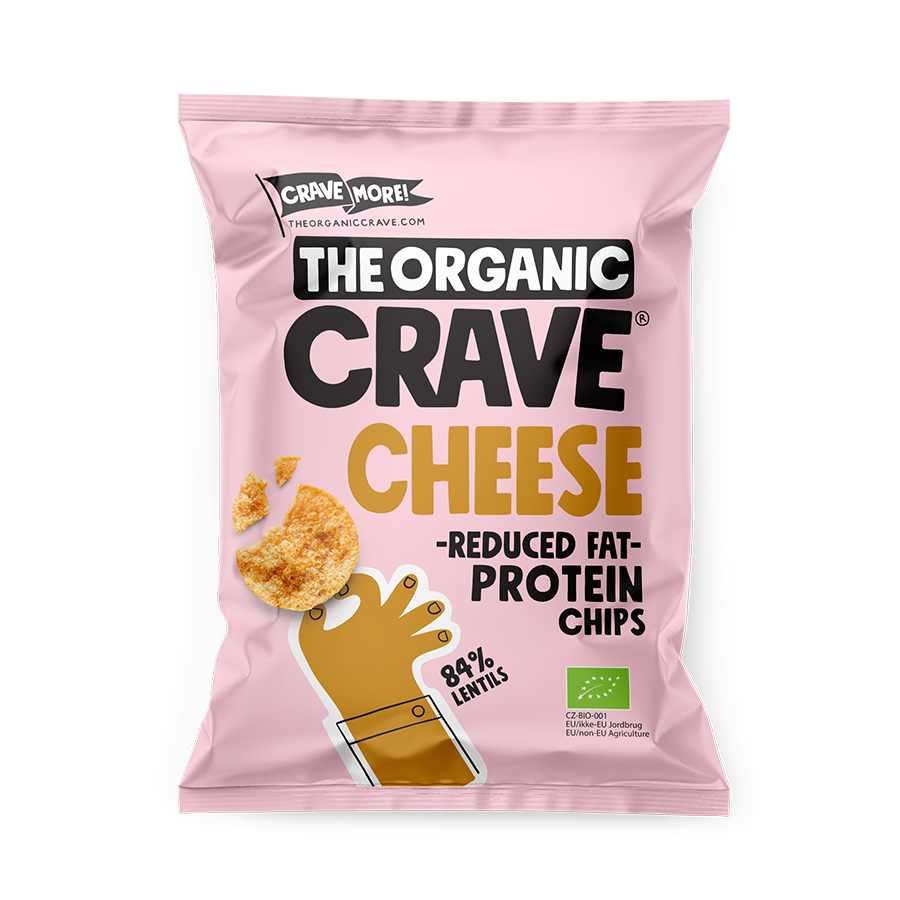
Netherlands – Crave Chips variant Cheese from The Organic Crave Company – Salmonella

Safety warning Crave Chips variant Cheese from The Organic Crave Company
The Organic Crave Company warns against Crave Chips variant Cheese from The Organic Crave Company. The product may be contaminated with salmonella. Do not eat the product.
See the website of the Bickery Food Group
Which product is it?
- Crave Chips variant Cheese packaging
- Best before date (Best before): 08-05-2023
- Lot number: 20202008D
USA – The Chai Box Announces Voluntary Recall of Chai Concentrate Mix and Chai Concentrate Unsweetened Mix Due to Potential Clostridium Botulinum Contamination

Summary
- Company Announcement Date:
- FDA Publish Date:
- Product Type:
- Food & Beverages
- Reason for Announcement:
-
Potential under-processing which may lead to Clostridium botulinum contamination.
- Company Name:
- The Chai Box
- Brand Name:
-
The Chai Box
- Product Description:
-
CHAI CONCENTRATE MIX AND CHAI CONCENTRATE UNSWEETENED MIX
Company Announcement
Marietta, GA, September 29, 2022 – The Chai Box announced a recall of 16 oz glass bottles Chai Concentrate Mix, UPC 7 93611 81925 2 and 64 oz plastic bottles of Chai Concentrate Mix UPC 7 93611 81926 9 and 16 oz glass bottles Unsweetened Chai Concentrate Mix, UPC 793611819252 and 64 oz plastic bottles of Unsweetened Chai Concentrate Mix UPC 793611819269 due to potential under-processing which may lead to Clostridium botulinum contamination. These deviations were part of the commercial sterilization process and could result in contamination by spoilage organisms or pathogens, which could lead to life-threatening illness if consumed. No other production codes or products are affected by this recall.
It is important to note that there have been no reports of illness associated with this product to date.
The products subject to recall are 16 oz glass bottles and 64 oz plastic bottles with Best By dates between 09/22/2022 and 03/16/2023. Please see that attached photos for ease of identification of the products.
We were notified of the problem during a process review by the Georgia Department of Agriculture. The products were shipped nationwide to consumers, retailers and wholesalers. Some product was also shipped to two consumers in Canada. Product is available online and via retail and wholesale facilities.
The Best By date is either etched on the bottles or on a sticker is located on the bottom or side of the bottles. If consumers have any product with the indicated “Best By” dates, they should return it to the place of purchase for a full refund or exchange. Consumers with questions may contact the company by calling 844-242-4269, Monday-Friday, 9:00 am – 5:00 pm Eastern Time or by emailing at recall@thechaibox.com.
Posted in Clostridium, Clostridium botulinum, FDA, food contamination, food handler, Food Hazard, Food Hygiene, Food Inspections, Food Micro Blog, Food Microbiology, Food Microbiology Blog, Food Microbiology Testing, Food Pathogen, Food Poisoning, food recall, Food Safety, Food Safety Alert, Food Safety Management, Food Testing, Food Toxin
RASFF Alerts – Salmonella – Sesame Seeds – Polish Chicken Products – Chicken Burger – Sesame Paste – Chicken Breast – Salted Chicken
Salmonella enterica ser. Enteritidis detected in chilled boneless skinless chicken breast from Poland in Romania
Salmonella spp in frozen chicken burgers from Greece in Bulgaria and the Czech Republic
Salmonella spp. in sesame paste from Turkey in Austria, France, Germany, Slovenia
SALMONELLA IN SESAME SEEDS FROM TURKEY in Greece
Salmonella enteritidis in Chicken breast from the Netherlands in the UK and Northern Ireland
Salmonella (presence /25g) in frozen salted chicken from Thailand in the Netherlands
Posted in food contamination, food handler, Food Hazard, Food Hygiene, Food Inspections, Food Micro Blog, Food Microbiology, Food Microbiology Blog, Food Microbiology Testing, Food Pathogen, food recall, Food Safety, Food Safety Alert, Food Safety Management, Food Testing, Polish Chicken Salmonella, RASFF, Salmonella, Salmonella in Chicken, Salmonella Sesame Seeds