Salmonella in pet food from Netherlands in Belgium
Salmonella spp. in organic sunflower press cake from Bulgaria in Germany

Salmonella in pet food from Netherlands in Belgium
Salmonella spp. in organic sunflower press cake from Bulgaria in Germany
Posted in Animal Feed, Animal Feed Salmonella, Animal Feed Testing, Food Micro Blog, Food Microbiology Blog, microbial contamination, Microbial growth, Microbiological Risk Assessment, Microbiology, Microbiology Investigations, Microbiology Risk, Pet Food, Pet Food Salmonella, Pet Food Testing, RASFF

USPOULTRY and the USPOULTRY Foundation have announced the completion of a funded research project at Cargill Inc., in which researchers evaluated egg wash sanitizers to reduce Salmonella contamination on and in turkey eggs. The research was made possible in part by an endowing Foundation gift from Cargill and proceeds from the International Poultry Expo, part of the International Production & Processing Expo (IPPE).
According to the research summary, Salmonella remains the number one cause of foodborne illness in the U.S., which causes an economic burden for the poultry industry as well as public concern for the consumers. As such, the poultry industry must be diligent during processing to reduce Salmonella risk, including interventions for hatch eggs.
Dr. Ted Brown and colleagues at Cargill, Inc. recently completed a research project that evaluated sanitizers with thymol, peracetic acid (PAA), bromine, peroxide, chlorine and quaternary ammonium. The peroxide product proved to be the most effective egg sanitizer at reducing Salmonella prevalence on the egg surface by more than 73%. None of the sanitizers tested in the trial caused damage to the cuticle, and Salmonella did not penetrate the egg.
Posted in Decontamination Microbial, Food Micro Blog, Food Microbiology, Food Microbiology Blog, Food Microbiology Research, Food Microbiology Testing, microbial contamination, Microbial growth, Microbiological Risk Assessment, Microbiology, Microbiology Investigations, Microbiology Risk, Salmonella, Salmonella in Eggs
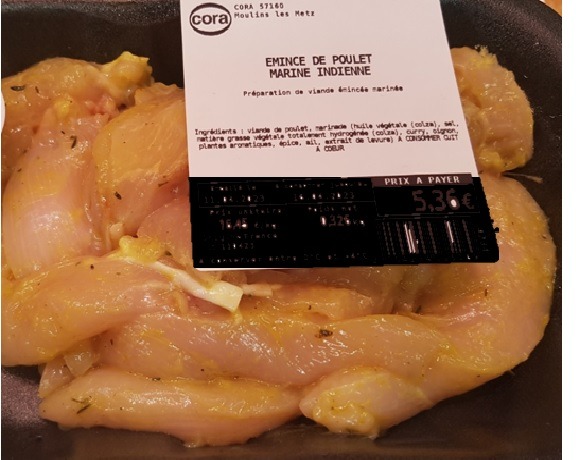
| GTIN | Batch | Date |
|---|---|---|
| 2054234000000 | packed on 03/31/2023 | Use-by date 05/04/2023 |
Posted in food contamination, food handler, Food Hazard, Food Hygiene, Food Inspections, Food Micro Blog, Food Microbiology, Food Microbiology Blog, Food Microbiology Testing, Food Pathogen, Food Quality, food recall, Food Safety, Food Safety Alert, Food Safety Management, Food Safety Regulations, Food Testing, Food Toxin, Salmonella, Salmonella in Chicken

Every year, norovirus causes hundreds of millions of cases of food poisoning — and the deaths of at least 50,000 children — yet there exists no real way to control it. The virus has proven exceptionally difficult to study in the lab, and scientists have struggled to develop effective vaccines and drugs.
A new study at Washington University School of Medicine in St. Louis describes a creative way to make a vaccine against norovirus by piggybacking on the highly effective vaccines for rotavirus, an unrelated virus that also causes diarrhea.
The researchers created an experimental rotavirus-norovirus combo vaccine by adding a key protein from norovirus to a harmless strain of rotavirus. Mice that received the experimental vaccine produced neutralizing antibodies against both rotavirus and norovirus. The study, available online in Proceedings of the National Academy of Sciences, outlines an innovative approach to preventing one of the most common and intractable viral infections.

Federal officials have confirmed that the strain of hepatitis A virus found in frozen organic strawberries involved in a multi-state outbreak this year is the same strain that caused an outbreak in 2022.
The organic strawberries associated with both outbreaks were imported to the United States from the same growing area in Baja California, Mexico, according to an outbreak update from the U.S. Food and Drug Administration.
So far this year there have been seven people confirmed infected and all seven reported eating frozen organic strawberries. Two of the patients required hospitalization.
FDA’s traceback investigation identified a common supplier of frozen organic strawberries, but Tuesday’s update did not name the supplier. Both this year and in 2022 the implicated strawberries were sold at a variety of stores under several different brand names.
Posted in Decontamination Microbial, food bourne outbreak, Food Illness, Food Micro Blog, Food Microbiology, Food Microbiology Blog, Food Microbiology Research, Food Microbiology Testing, Foodborne Illness, foodborne outbreak, foodbourne outbreak, Hepatitis A, Illness, microbial contamination, Microbiological Risk Assessment, Microbiology, Microbiology Investigations, Microbiology Risk, outbreak
Submissions of human Salmonella isolates are approaching pre-COVID-19 pandemic levels in Austria after a decline in 2020 and 2021, according to the Federal Ministry of Labour, Social Affairs, Health and Consumer Protection (BMSGPK).
In 2022, the number of isolates sent to the National Reference Centre for Salmonella increased by 118. This past year, 1,166 Salmonella isolates were submitted to the reference center compared with 1,048 in 2021. It is still below the 1,872 sent in 2019.
In 2022, the Austrian National Reference Centre for Yersinia at the Austrian Agency for Health and Food Safety (AGES) received 201 human isolates.
Of these, 107 were pathogenic, and 94 were non-pathogenic. Among the pathogenic ones, 105 belonged to Yersinia enterocolitica including 88 serovar O:3; biovar 4, and two were Yersinia pseudotuberculosis.
A total of 130 cases of yersiniosis were reported to BMSGPK. This was about the same level as in 2021. Based on data from 38 patients, 22 cases reported diarrhea, 11 had cases of abdominal pain and three each mentioned vomiting and fever.
| Date Posted |
Ref | Pathogen or Cause of Illness |
Product(s) Linked to Illnesses (if any) |
Total Case Count |
Status |
| 3/29/2023 | 1141 | Salmonella Infantis | Raw Flour | See CDC Investigation Notice |
Active |
| 3/8/2023 | 1144 | Salmonella Hartford | Not Yet Identified |
53 | Active |
| 3/1/2023 | 1143 | Hepatitis A Virus | Frozen Organic Strawberries |
See Outbreak Advisory |
Active |
| 2/15/2023 | 1123 | Listeria monocytogenes |
Not Yet Identified |
See CDC Investigation Notice |
Active |
Posted in Decontamination Microbial, FDA, Food Micro Blog, Food Microbiology, Food Microbiology Blog, Food Microbiology Research, Food Microbiology Testing, Hepatitis A, Listeria, microbial contamination, Microbial growth, Microbiological Risk Assessment, Microbiology, Microbiology Investigations, Microbiology Risk, Salmonella
More than 40 people are suspected to have been affected by food poisoning as part of a TV cooking show in Spain.
Health officials in Valencia confirmed to local media that 44 diners invited to a recording of the MasterChef program on Jan. 19 suffered food poisoning. The episode was aired earlier this week. Symptoms included vomiting and diarrhea.
MasterChef is a popular reality television cooking show broadcast in several countries where contestants make a range of dishes, which are judged by experts.
Reports first surfaced on Twitter with a woman reporting she was one of many people who had gotten sick after tasting food served outside an aquarium in Valencia for staff as part of the program. A range of items, including seafood, were prepared for about 120 people.
Analysis, traceability information, and documentation of the process and treatment of food used and cooked were shown to health authorities.
However, officials were unable to find the source of the infection because of the time that had passed since the event meaning there was no food left to test.
The producer of the program in Spain, Shine Iberia, apologized to the affected diners.
“This is an absolutely exceptional case in these 11 years of MasterChef in Spain, a program where it is an absolute priority to guarantee the nutritional care of the people involved.”
Posted in Food Illness, Food Micro Blog, Food Microbiology, Food Microbiology Blog, Food Microbiology Research, Food Microbiology Testing, Food Pathogen, Food Poisoning, Foodborne Illness, Illness, microbial contamination, Microbial growth, Microbiological Risk Assessment, Microbiology, Microbiology Investigations, Microbiology Risk
The inexpensive food and delicious smells often tempt travelers to purchase food from the numerous street vendors. Before indulging, however, it is recommended to be vigilant of how ingredients are stored and how the raw meats are handled. Food that is cooked in front of the customer, rather than appearing to be pre-cooked, is a much safer option. When food, even if cooked, is left at room temperature too long, the dangers of cross-contamination and bacterial growth are much higher.
An easy rule to follow is also simply trusting your instincts and avoiding vendors whose food carts are untidy or produce rotten odors. Look for hand-sinks, access to water, or refrigeration units.
Ceviche is also a very common dish in Mexico. Raw fish is exponentially more likely to be contaminated than cooked fish, especially if it is not stored correctly. Travelers should be especially wary of eating ceviche in an area that is farther away from the coast where the fish have to be stored for longer periods of time. In addition, all ceviche stands should have refrigeration units or copious amounts of ice.
Mexico also has a long history of unsafe drinking water – often the source of “traveler’s diarrhea.” It is generally recommended to not drink water straight from the tap or to use ice cubes made from tap water. Even if the water is purified at the source, the pipes that the water passes through may not be sanitary. Caution should also be exercised when purchasing fruit juices or horchata made with ap water. Recommendation? Stay hydrated by drinking bottled drinks.
Travelers to Mexico will have a more enjoyable trip if they make wise and informed choices regarding the food they consume. But don’t leave home without anti-diarrheal medicine!
Posted in Contaminated water, Decontamination Microbial, Food Micro Blog, Food Microbiology, Food Microbiology Blog, Food Microbiology Testing, Food Poisoning, microbial contamination, Microbial growth, Microbiological Risk Assessment, Microbiology, Microbiology Investigations, Microbiology Risk, Poisoning, Water, water microbiology, Water Safety
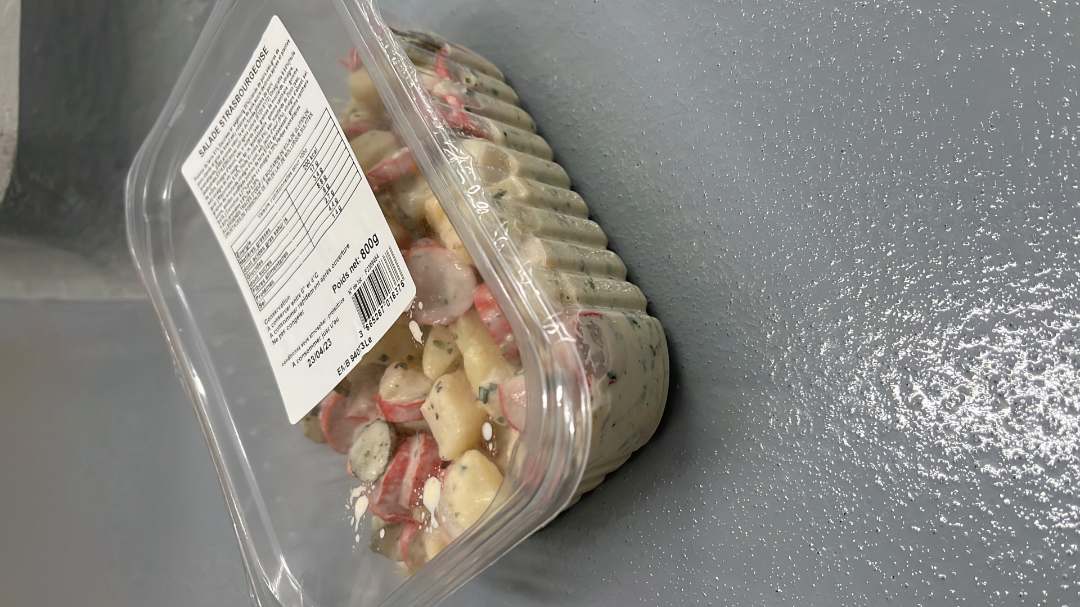
| GTIN | Batch | Date |
|---|---|---|
| 3665287017980 | trays 250 g lot F2309452 | Use-by date 04/23/2023 |
| 3665287017997 | trays 500 g lot F2309453 | Use-by date 04/23/2023 |
| 3665287018376 | trays 800 g lot F2309454 | Use-by date 04/23/2023 |
Posted in food contamination, food handler, Food Hazard, Food Hygiene, Food Inspections, Food Micro Blog, Food Microbiology, Food Microbiology Blog, Food Microbiology Testing, Food Pathogen, Food Quality, food recall, Food Safety, Food Safety Alert, Food Safety Management, Food Safety Regulations, Food Testing, Listeria, Listeria monocytogenes


