Category Archives: Food Inspections

USA -Investigation of E. coli O157:H7 Outbreak Linked to Romaine from Salinas, California, November 2019

FDA

December 12, 2019

Case Counts

Total Illnesses: 102
Hospitalizations: 58
Deaths: 0
Last illness onset: November 18, 2019
States with Cases:  AZ (3), CA (4), CO (6), FL (1), IA (1), ID (3), IL (1), MD (4), MI (1), MN (3), MT (1), NE (1), NJ (7), NC (1), NM (2), OH (12), OR (1), PA (8), SD (1), TX (4), VA (4), WA (2), WI (31)

Recommendation

FDA, CDC, and state health authorities are investigating an outbreak of illnesses caused by E. coli O157:H7 in the United States. Epidemiologic, laboratory, and traceback evidence indicates that romaine lettuce from the Salinas, California growing region is a likely source of this outbreak. According to CDC, there have been 102 cases reported in 23 states.  The latest date that one of these patients reports becoming ill was on November 18, 2019.

Romaine from Salinas, California Label Enjoy By December 2, 2019


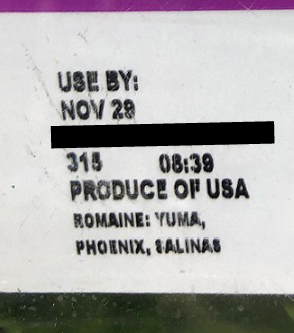
Romaine from Salinas, California Label Use By November 29, 2019

Consumers: Consumers should not eat romaine lettuce harvested from Salinas, California. Additionally, consumers should not eat products identified in the recall announced by the USDA on November 21, 2019.

Romaine lettuce may be voluntarily labeled with a harvest region. If this voluntary label indicates that the romaine lettuce was grown in “Salinas” (whether alone or with the name of another location) do not eat it. Throw it away or return it to the place of purchase.  If romaine lettuce does not have information about harvest region or does not indicate that it has been grown indoors (i.e., hydroponically- and greenhouse-grown), throw it away or return it to the place of purchase. Consumers ordering salad containing romaine at a restaurant or at a salad bar should ask the staff whether the romaine came from Salinas.  If it did, or they do not know, do not eat it.

At this time, romaine lettuce that was harvested outside of the Salinas region has not been implicated in this outbreak investigation. Hydroponically- and greenhouse-grown romaine, which is voluntarily labeled as “indoor grown,” from any region does not appear to be related to the current outbreak. There is no recommendation for consumers to avoid using romaine harvested from these other sources.

Restaurants and Retailers: Restaurants and retailers should not serve or sell romaine harvested from Salinas, California.  If you do not know the source of your romaine lettuce, and if you cannot obtain that information from your supplier, you should not serve, nor sell it.

Suppliers and Distributors: Suppliers, distributors and others in the supply chain should not ship or sell romaine harvested in Salinas, California. If the source of the romaine lettuce is unknown, you should not ship, nor sell the product.

For Restaurants, Retailers, Suppliers and Distributors: Currently, the FDA does not have enough traceback information to identify the specific source of the contamination that would allow us to request a targeted recall from specific growers.

FDA requested that industry voluntarily withdraw romaine grown in Salinas from the market and is requesting that industry withhold distribution of Salinas romaine for the remainder of the growing season in Salinas. Without more specific traceback information, this was the most efficient way to ensure that contaminated romaine was off the market.

At this time, romaine lettuce that was harvested outside of the Salinas region has not been implicated in this outbreak investigation. Hydroponically- and greenhouse-grown romaine, which is voluntarily labeled as “indoor grown,” from any region does not appear to be related to the current outbreak. There is no recommendation for consumers or retailers to avoid using romaine harvested from these other sources.

Update

Based on the information indicating that ill people in Maryland were exposed to romaine lettuce harvested in Salinas, California, FDA, with the assistance of staff from the California Department of Public Health and the California Department of Food and Agriculture, immediately deployed investigators to three farms in the Salinas area that were identified based on the traceback investigation.

FDA continues to actively investigate the cause of this outbreak. Additionally, FDA is investigating two other E. coli outbreaks, each caused by strains that are different from each other and different from the larger outbreak. One of the additional outbreaks, in Washington state, is linked to romaine lettuce, and the other outbreak, with cases in the U.S. and Canada, is linked to Fresh Express Sunflower Crisp Chopped Salad Kits. As part of these investigations, FDA and state partners are conducting traceback investigations to trace romaine exposures to the source.

Currently, the tracebacks on all three outbreaks have identified a common grower in Salinas. FDA, CDC, and California partners are deploying a team to conduct new investigations at several ranches used by this grower as we try to identify the source of the contamination.

Europe – Salmonella the most common cause of foodborne outbreaks in the European Union

ECDC

Nearly one in three foodborne outbreaks in the EU in 2018 were caused by Salmonella. This is one of the main findings of the annual report on trends and sources of zoonoses published today by the European Food Safety Authority (EFSA) and the European Centre for Disease Prevention and Control (ECDC).

In 2018, EU Member States reported 5 146 foodborne outbreaks affecting 48 365 people. A foodborne disease outbreak is an incident during which at least two people contract the same illness from the same contaminated food or drink.

Slovakia, Spain and Poland accounted for 67% of the 1 581 Salmonella outbreaks. These outbreaks were mainly linked to eggs.

 “Findings from our latest Eurobarometer show that less than one third of European citizens rank food poisoning from bacteria among their top five concerns when it comes to food safety. The number of reported outbreaks suggests that there’s room for raising awareness among consumers as many foodborne illnesses are preventable by improving hygiene measures when handling and preparing food” said EFSA’s chief scientist Marta Hugas.

Salmonellosis was the second most commonly reported gastrointestinal infection in humans in the EU (91 857 cases reported), after campylobacteriosis (246 571).

Shiga toxin-producing E. coli (STEC) has become the third most common cause of foodborne zoonotic disease with 8 161 reported cases – replacing yersiniosis with a 37% increase compared to 2017. This may be partly explained by the growing use of new laboratory technologies, making the detection of sporadic cases easier.

Of the zoonotic diseases covered by the report, listeriosis accounts for the highest proportion of hospitalised cases (97%) and highest number of deaths (229), making it one of the most serious foodborne diseases.

The number of people affected by listeriosis in 2018 is similar to 2017 (2 549 in 2018 against 2 480 the previous year). However, the trend has been upward over the past ten years.

The report also includes data on Mycobacterium bovis, Brucella, Yersinia, Trichinella, Echinococcus, Toxoplasma, rabies, Coxiella burnetii (Q fever), and tularaemia.

Read the report

Publication

The European Union One Health 2018 Zoonoses Report

Surveillance report – 

This report of the European Food Safety Authority and the European Centre for Disease Prevention and Control presents the results of zoonoses monitoring activities carried out in 2018 in 36 European countries (28 Member States (MS) and 8 non-MS).

e.

RASFF Alerts – Salmonella – Chilled Chicken – Chicken Thighs – Black Pepper – Rope Mussels – Long Pepper – Eggs – Chilled Beef – Chicken Fillet – Salted Chicken Breast – Chicken Quarters

RASFF-Logo

RASFF – Salmonella enterica ser. Enteritidis (presence /25g) in chilled chicken with neck from Poland in Latvia

RASFF – Salmonella enterica ser. Infantis (presence /25g) in chilled chicken thighs from Romania in Slovakia

RASFF – Salmonella (presence /25g) in black pepper from Brazil in the Netherlands

RASFF – Salmonella (presence /25g) in organic rope mussels from Ireland in France

RASFF – Salmonella (presence /25g) in long pepper (Piper longum) from Vietnam in Germany

RASFF – Salmonella enterica ser. Enteritidis (suspected) in eggs from Poland in Poland

RASFF – Salmonella (present /25g) in chilled beef from the Netherlands in Sweden

RASFF – Salmonella enterica ser. Enteritidis (presence /25g) in chilled chicken fillet from Poland in Lithuania

RASFF – Salmonella (presence /25g) in frozen salted chicken breast from Brazil, via the Netherlands in Croatia

RASFF – Salmonella group C (in 5 out 5 samples /25g) in chilled chicken quarters from Poland in Poland

RASFF Alerts – Aflatoxin – Dried Figs – Groundnuts – Sea Flower Peanuts – Dried Chopped Hazlenuts

RASFF-Logo

RASFF – aflatoxins (B1 = 7.93; Tot. = 16 µg/kg – ppb) in dried figs from Turkey in Slovakia

RASFF – aflatoxins (B1 = 5.8; Tot. = 6.5 µg/kg – ppb) in groundnuts from China in Portugal

RASFF – aflatoxins (B1 = 11; Tot. = 13 µg/kg – ppb) in groundnut kernels from the United States in the Netherlands

RASFF – aflatoxins (B1 = 14 µg/kg – ppb) in seaflower peanuts from China in Portugal

RASFF – aflatoxins (B1 = 18.9; Tot. = 21.2 µg/kg – ppb) in groundnut kernels from the United States in the UK

RASFF – aflatoxins (B1 = 22.1; Tot. = 67.4 µg/kg – ppb) in dried figs from Turkey in Germany

RASFF – aflatoxins (B1 = 15.3; Tot. = 53 µg/kg – ppb) in dried chopped hazlenuts from Turkey in Germany

RASFF – aflatoxins (B1 = 12.29; Tot. = 27.50 µg/kg – ppb) in dried figs from Turkey in Germany

RASFF Alerts -Ochratoxin A- Buckflour – Raisins – Spelt Flour

RASFF-Logo

RASFF – ochratoxin A (5.6 µg/kg – ppb) in buckflour from Poland in Poland

RASFF – ochratoxin A (21.5 µg/kg – ppb) in raisins from Uzbekistan, via Hungary in Latvia

RASFF – ochratoxin A (30 µg/kg – ppb) in raisins from China in Denmark

RASFF – ochratoxin A (7.1 µg/kg – ppb) in spelt flour from Belgium, manufactured in Germany in Luxembourg

RASFF Alert – Food Poisoning – Live Oysters

RASFF-Logo

RASFF – food poisoning suspected to be caused by live oysters from France in the Netherlands

RASFF Alerts – Moulds – Broken Rice

RASFF-Logo

RASFF – broken rice from Cambodia infested with moulds in Portugal

RASFF Alert – Bacillus cytotoxicus – Insect Flour

RASFF-Logo

RASFF – Bacillus cytotoxicus (1 900 000; 3 500 000; 900 000; 5 400 000; 3 200 000 CFU/g) in product containing insect flour(Acheta Domesticus) from Germany, with raw material from the Czech Republic

Canada – Updated Food Recall Warning – Fresh Express brand Sunflower Crisp Chopped Kit recalled due to E. coli O157:H7

CFIA

Recall details

Ottawa, December 12, 2019 – The food recall warning issued on December 8, 2019 has been updated to include additional distribution information. This additional information was identified during the Canadian Food Inspection Agency’s (CFIA) food safety investigation.

The CFIA is warning consumers not to consume the recalled product described below. This product is not likely to be available at retail stores, but may still be in consumer’s homes.

Recalled product

Brand Product Size UPC Codes
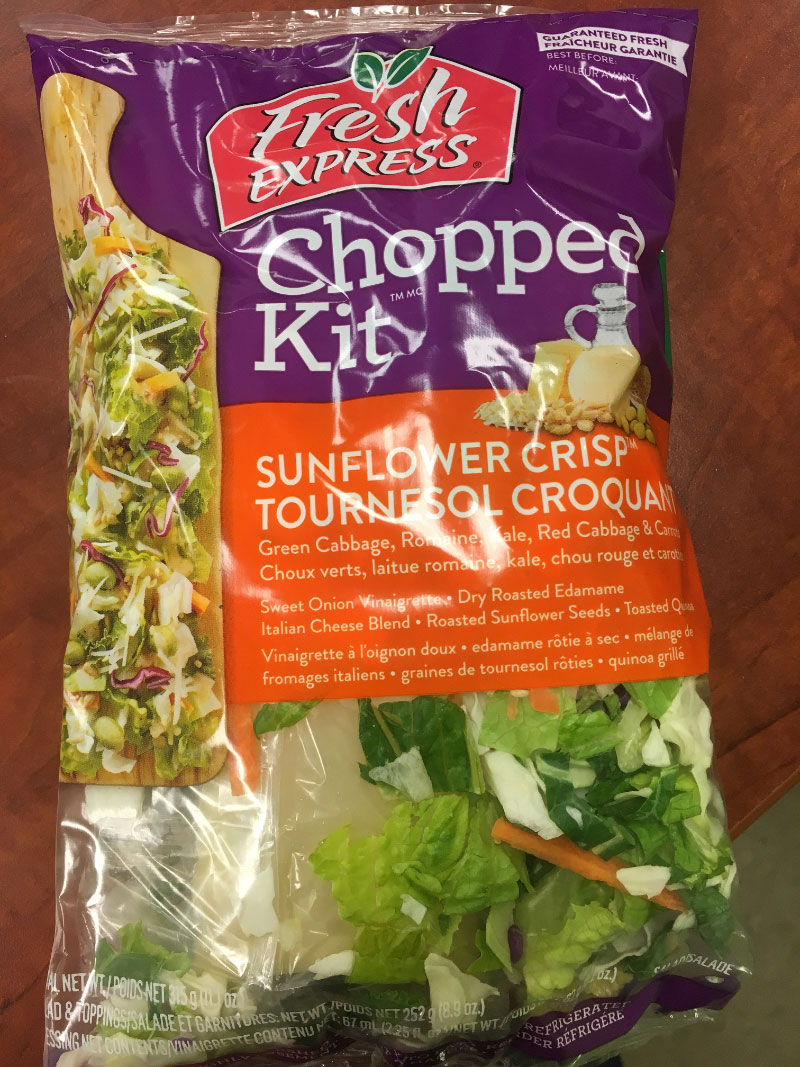
Fresh Express Sunflower Crisp
Chopped Kit
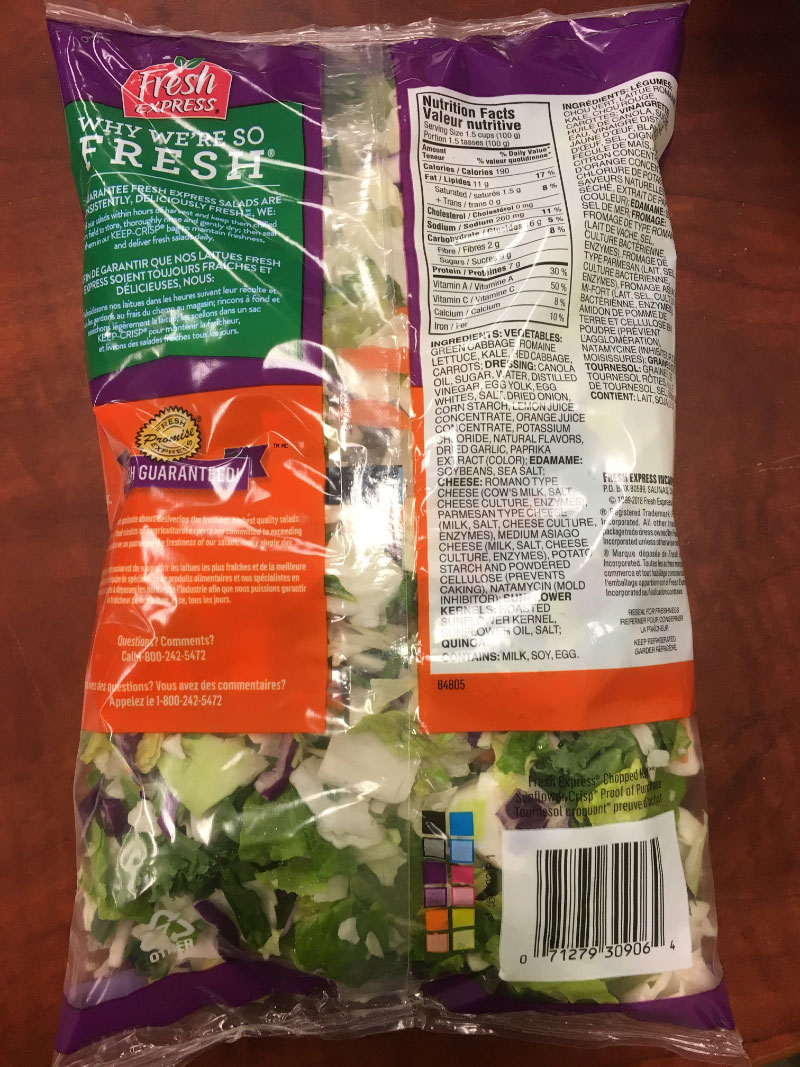
315 g 0 71279 30906 4 All packages bearing a Best Before date up to and including 07DE19, and a lot code beginning with “Z”, and indicating “Salinas” as a source of Romaine lettuce

Illnesses

The Public Health Agency of Canada is investigating an outbreak of human illness. Please refer to the Public Health Notice for further details on this active outbreak investigation.

Product photos

Printer ready version of photos

  • Sunflower Crisp Front
  • Sunflower Crisp Back

India -Two siblings die of ‘food poisoning’ in Maharashtra

Yahoo News

Mumbai, Dec 10 (PTI) Two minor siblings died due to suspected food poisoning in Maharashtra’s Ahmednagar district, a police official said on Tuesday.

Their elder sister also fell sick and was undergoing treatment at a hospital, he said.

The three children and their mother last Thursday complained of uneasiness, vomiting and loose motions after having dinner at their home in Sangamner, located around 200 km from here, he said.

All the four family members were rushed to a hospital where Krishna Deepak Supekar (6) died on Sunday evening, the official said, adding that his last rites were performed without a post-mortem.

His sister Shravani (8) also succumbed on Monday while undergoing treatment at a private hospital in Loni, he said.

Their another 14-year-old sister was currently undergoing treatment at a hospital in Sangamner while their mother was discharged as her condition was reported to be out of danger, the official said. PTI DC GK GK