Brand : SPECIALITA ‘DEL CASARO
Name : BRIE CREMOSO
Reason for reporting : Recall due to microbiological risk
Publication date : 30 October 2020


Brand : SPECIALITA ‘DEL CASARO
Name : BRIE CREMOSO
Reason for reporting : Recall due to microbiological risk
Publication date : 30 October 2020
Posted in Bacteria, bacterial contamination, E.coli, food contamination, Food Hygiene, Food Inspections, Food Micro Blog, Food Microbiology, Food Microbiology Blog, Food Microbiology Testing, Food Pathogen, Food Poisoning, food recall, Food Safety, Food Safety Alert, Food Testing, Food Toxin, STEC, STEC E.coli
Food
October 29, 2020
Bastiaansen organic goat roll Chèvre Blanc Affinee, 50% fat in dry matter, goat roll Chevrollé Bastiaansen (counter goods)
Bettinehoeve
possibly traces of the bacterium “Listeria monocytogenes”
s. attached customer information
all best before date from 28.10. until December 30th, 2020
s. attached customer information
s. attached customer information
Reference is made to the enclosed customer information from the entrepreneurs.
poststelle@mlr.bwl.de
poststelle@lgl.bayern.de
poststelle@senjustva.berlin.de
Konsumenterschutz@Msgiv.Brandenburg.de
Schnellwarnung@gesundheit.bremen.de
poststelle@bgv.hamburg.de
Schnellwarnung@rpda.hessen.de
poststelle@lm.mv-regierung.de
poststelle@ml.niedersachsen.de
poststelle@mulnv.nrw.de
Poststelle.Referat22@lua.rlp.de
poststelle-luv@lav.saarland.de
poststelle@sms.sachsen.de
poststelle@jumi.landsh.de
Food
October 29, 2020
– Bettinehoeve Geitenkaas soft goat cheese 200g – Bettinehoeve Geitenkaas soft goat cheese 1 kg

Uplegger
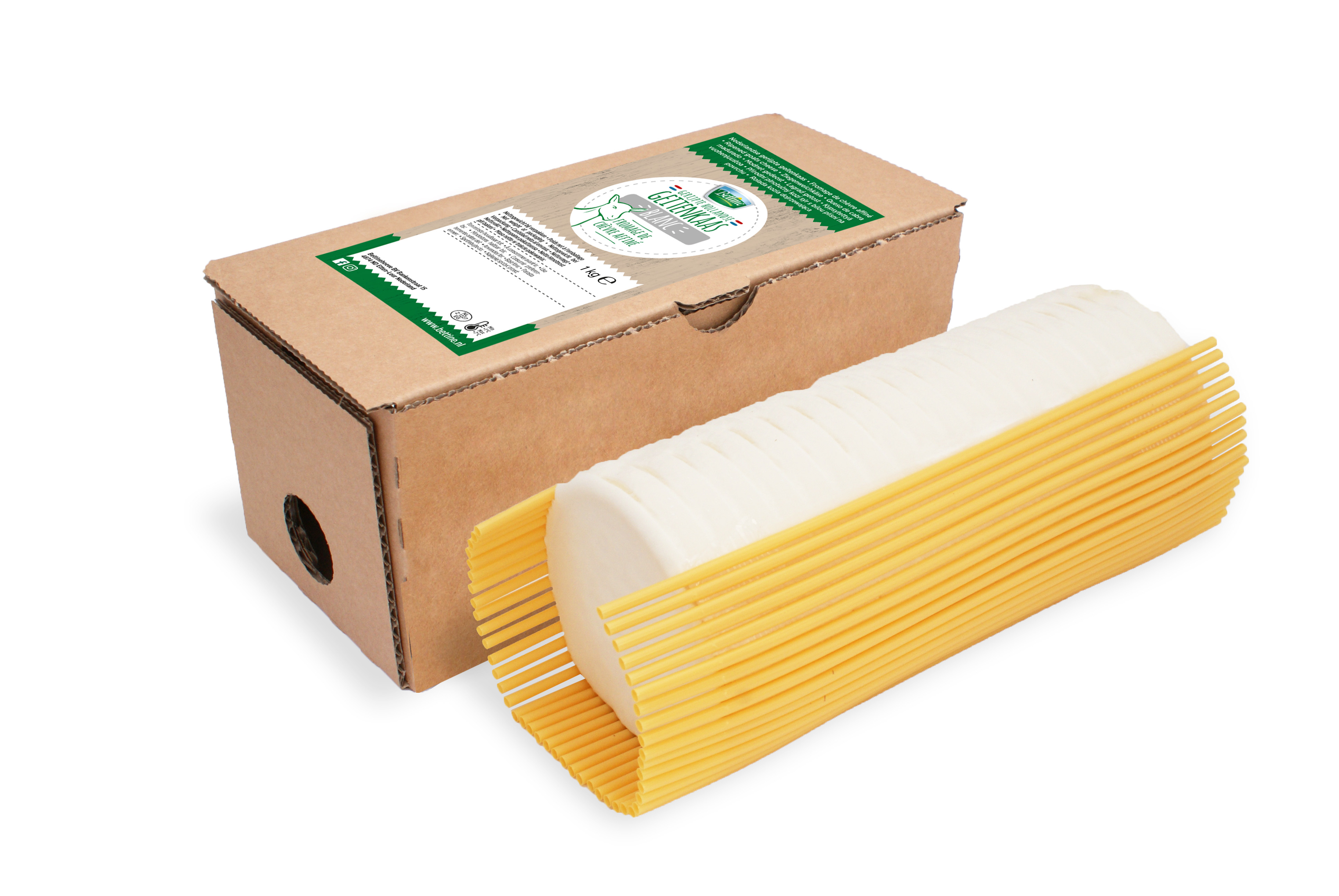
Uplegger
Bettinehoeve, Netherlands
Suspected Listeria monocytogenes
– 1 kg service goods – 200g self-service goods
all best before dates
all batches
Listeria
Listeria disease usually manifests itself within 14 days of infection with diarrhea and fever. Pregnant women, the elderly and people with a weakened immune system, in particular, can develop more severe disease processes with blood poisoning and meningitis. In pregnant women, the unborn child can be harmed, even without symptoms.
People who have eaten this food and develop severe or persistent symptoms should seek medical attention and advise them of possible Listeria infection.
Pregnant women who have eaten this food should seek medical treatment and seek advice even without symptoms. This is not useful for other people with no symptoms.
poststelle@mlr.bwl.de
poststelle@lgl.bayern.de
poststelle@senjustva.berlin.de
Konsumenterschutz@Msgiv.Brandenburg.de
Schnellwarnung@gesundheit.bremen.de
poststelle@bgv.hamburg.de
Schnellwarnung@rpda.hessen.de
poststelle@lm.mv-regierung.de
poststelle@ml.niedersachsen.de
poststelle@mulnv.nrw.de
Poststelle.Referat22@lua.rlp.de
poststelle-luv@lav.saarland.de
poststelle@sms.sachsen.de
poststelle@ms.sachsen-anhalt.de
poststelle@jumi.landsh.de
LM-Ueberendung@tlv.thueringen.de
Posted in Bacteria, bacterial contamination, food contamination, food handler, Food Hygiene, Food Inspections, Food Micro Blog, Food Microbiology, Food Microbiology Blog, Food Microbiology Testing, Food Pathogen, food recall, Food Safety, Food Safety Alert, Food Testing, Listeria, Listeria monocytogenes

Salmonella (presence /25g) in chilled fuet from Spain in the Netherlands
Salmonella enterica ser. Amberg (presence /25g) and Salmonella enterica ser. Charity (presence /25g) in thyme from Turkey in Lithuania
Salmonella enterica ser. Infantis (presence /25g) in chilled chicken wings from Poland in Poland
Salmonella enterica ser. Infantis (in 2 out of 5 samples /25g) in frozen chicken drumsticks from Slovakia in Lithuania
Salmonella (presence /25g) in frozen chicken products from Poland in France
Salmonella enterica ser. Enteritidis (presence /25g) in chilled chicken meat from Poland, with raw material from Hungary in Poland
Salmonella enterica ser. Enteritidis (presence /25g) in chilled poultry carcasses from unknown origin in Slovakia
Salmonella enterica ser. Infantis (presence /25g) in frozen tenders from Poland in France
Salmonella enterica ser. Infantis (in 5 out of 5 samples /25g) in chilled chicken fillets from Poland in Poland
Salmonella enterica ser. Infantis (present /25g) and Salmonella enterica ser. Panama (present /25g) in black pepper from Brazil in Germany
Posted in food contamination, Food Hygiene, Food Inspections, Food Micro Blog, Food Microbiology, Food Microbiology Blog, Food Microbiology Testing, Food Pathogen, Food Poisoning, food recall, Food Safety, Food Safety Alert, Food Testing, Pathogen, pathogenic, RASFF, Salmonella, Salmonella in Black Pepper, Salmonella in Chicken
aflatoxins (Tot. = 18.5 µg/kg – ppb) in dried figs from Turkey in Italy
aflatoxins (B1 = 14.31 µg/kg – ppb) in dried figs from Turkey in Germany
aflatoxins (B1 = 6.6 µg/kg – ppb) in groundnut kernels from China in the Netherlands
aflatoxins (Tot. = 32.8 µg/kg – ppb) in dried figs from Turkey in Germany
aflatoxins (B1 = 50; Tot. = 54 µg/kg – ppb) in smoked pistachios from Jordan in the Netherlands
aflatoxins (B1 = 11.5; Tot. = 20.5 µg/kg – ppb) in dried figs from Turkey in Poland
aflatoxins (B1 = 17; Tot. = 20 µg/kg – ppb) in groundnut kernels from India in the Netherlands

Listeria monocytogenes (presence /25g) in chilled cold smoked sockeye salmon trimmings (Oncorhynchus nerka) with dill from Latvia in Estonia
Listeria monocytogenes (presence /25g) in semi-smoked sausages from Romania in Romania
Listeria monocytogenes (presence /25g) in fresh shrimps from Belgium in Belgium
too high count of Escherichia coli (16000 CFU/100g) in live cockles from the United Kingdom in the UK
Escherichia coli (from 790 to 3500 MPN/100g) in live mussels (Mytilus galloprovincialis) from Italy in Italy
Bettinehoeve has taken the precautionary step of recalling Bettine Blanc Goat’s Cheese because the product might contain Listeria monocytogenes. This product has been sold at Waitrose deli counters during the period 04/09/20 – 29/10/20.
| Bettine Blanc Goat’s Cheese (Counter Line) | |
|---|---|
| Pack size | All pack sizes |
The product listed above might be contaminated with Listeria monocytogenes.
Symptoms caused by this organism can be similar to flu and include high temperature, muscle ache or pain, chills, feeling or being sick and diarrhoea.
Some people are more vulnerable to listeria infections, including those over 65 years of age, pregnant women and their unborn babies, babies less than one month old and people with weakened immune systems.
shigatoxin-producing Escherichia coli (stx1 positive, stx2 negative /25g) in Brie cheese from France in Germany
shigatoxin-producing Escherichia coli (stx1- stx2+ /25g) in fontina from Italy in Italy
shigatoxin-producing Escherichia coli in raw cheese from France in Germany
shigatoxin-producing Escherichia coli (stx2+, eae+ /25g) in frozen beef burgers from Lithuania in Latvia
shigatoxin-producing Escherichia coli in frozen boneless bovine meat from Brazil in Italy
Posted in Bacteria, bacterial contamination, eae, food contamination, Food Hygiene, Food Inspections, Food Micro Blog, Food Microbiology, Food Microbiology Blog, Food Microbiology Testing, Food Pathogen, Food Poisoning, food recall, Food Safety, Food Safety Alert, Food Testing, Food Toxin, RASFF, STEC, STEC E.coli, STX 1, STX 2


