Category Archives: food bourne outbreak

USA – 4,000 exposed to Hepatitis A positive Starbucks employee in New Jersey

Food Poison Journal

In light of the case of hepatitis A in an employee at a local Starbucks, the Camden County Health Department will be administering vaccines to anyone who feels they may have been exposed at the Camden County Health Hub located at 200 College Drive in Blackwood.

Today’s clinic will operate from 10 a.m. to 2 p.m. Vaccine appointments will be made on a first come first serve basis.

Vaccine clinics held last Friday and Saturday gave doses to more than 800 people in Camden County.

If you have been vaccinated for hepatitis A in the past, you do not need to receive another dose. If you have a child that was born after the year 2000, that child has likely already been vaccinated for hepatitis A and does not require another dose. However, parents should check with their pediatrician to confirm their child’s vaccine status.

Wales – Salmonella outbreak affected 20 in Wales

Food Safety News

An outbreak of Salmonella linked to a traditional meal containing meat affected more than 20 people earlier this year in Wales.

Public Health Wales was notified about two cases of salmonellosis in late July, according to a presentation at the ESCAIDE conference, organized by the European Centre for Disease Prevention and Control (ECDC).

Both belonged to the Sudanese community who bought lamb to barbecue in a park in Cardiff in July to celebrate the Muslim festival Eid-al-Adha.

Further investigations found of 33 people who attended the barbecue, 22 were identified as patients. Seven were confirmed as infected from Salmonella Typhimurium.

Nine people reported attending A&E, four were admitted to hospital overnight and one patient to intensive care. The outbreak also drew attention to a wider ongoing cluster across the UK, which is still under investigation.

USA – Backyard Chickens hospitalize 273 and kill 2 with Salmonella – 1,135 sick in 2021 including 268 under the age of 5

Food Poison Journal

Salmonella Campylobacter

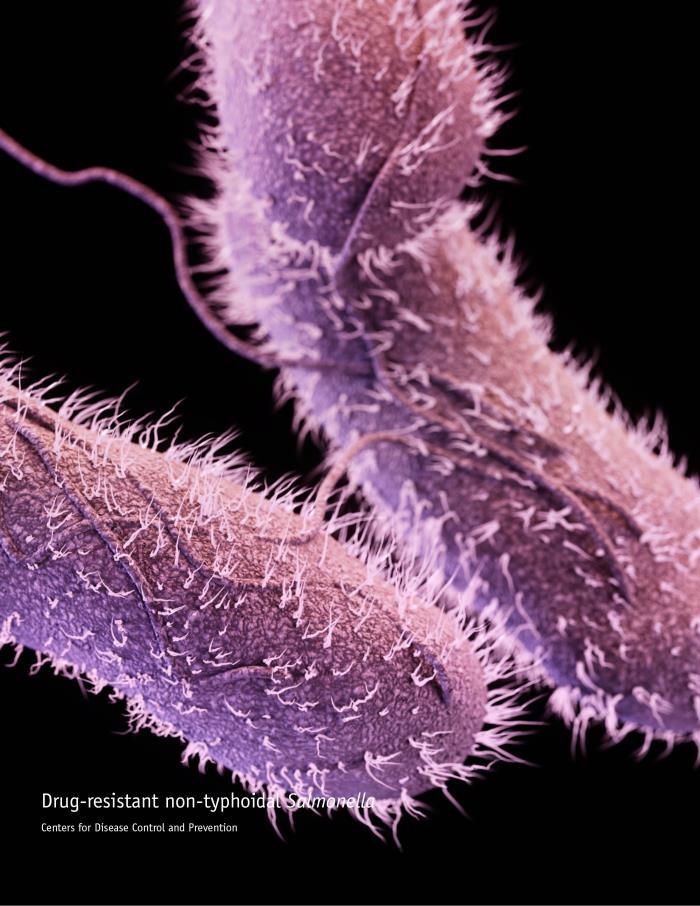
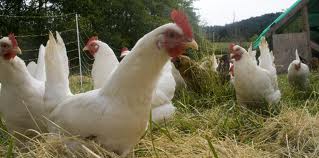
CDC: This year’s investigation of outbreaks linked to backyard poultry is over. However, any backyard poultry can carry Salmonella germs that can make you sick. Always take steps to stay healthy around your flock.

CDC and public health officials in several states investigated multistate outbreaks of Salmonella infections with serotypes of Enteritidis, Hadar, Indiana, Infantis, Mbandaka, and Muenchen.

Epidemiologic and laboratory data showed that contact with backyard poultry made people sick.

A total of 1,135 people infected with one of the outbreak strains were reported from 48 states, the District of Columbia, and Puerto Rico. The true number of sick people in these outbreaks was likely much higher than the number reported, and these outbreaks may not have been limited to the states with known illnesses. This is because many people recover without medical care and are not tested for Salmonella.

India – Five instances of food poisoning in Kozhikode in less than a month

The Hindu

Health Department issues advisory on checking quality of drinking water sources. (Cholera)

At least five incidents of suspected food poisoning have occurred in Kozhikode district in less than a month, prompting the Health Department to issue an advisory on checking the quality of drinking water sources.

Fifteen girl students of a private entrance coaching centre at Perumanna were admitted to hospital after they had stomach upset and other symptoms on October 25.

Two-and-a-half-year-old Mohammed Yamin of Narikkuni died on November 13, just a couple of days after he had food at a wedding event. A dozen children and some elders too fell ill.

Hundreds sought medical treatment at Puthoor in Vadakara on November 15 after they had food at another wedding event in the previous days. Those who had idli and sambar from two temples at Mukkom complained of uneasiness, and 22 people sought treatment on November 19.

Fourteen students of a hostel at Pantheerankavu sought treatment at the Government Medical College Hospital, Kozhikode, after they had breakfast on November 20.

Another instance of food poisoning was averted in the nick of time when an alert food safety inspector detected pseudomonas bacteria in eggs scheduled to be distributed at a school at Payyadimeethal near Pantheerankavu on November 10.

USA- Norovirus Among Likely Causes of Recent Reported Illnesses

Health WYO

Norovirus Food Safety kswfoodworld

Norovirus is likely among the reasons behind increased reports of recent illnesses in Wyoming, according to the Wyoming Department of Health (WDH).

People who are sick with norovirus may experience nausea, vomiting, watery diarrhea, stomach cramps, fatigue and dehydration. Other viruses and illnesses caused by bacteria contamination such as from E. coli can cause similar symptoms, but norovirus is the most common culprit.

Commonly described as “stomach flu” or “food poisoning,” norovirus is spread when people eat or drink contaminated food and beverages, touch contaminated surfaces or through close contact with someone already sick.

Matt Peterson, WDH surveillance epidemiologist, said contamination is almost always not obvious. “We’re often talking about extremely tiny amounts of poop or vomit. We can’t see it but it can make us very sick,” he said

“When people get ill this way, they most often blame the last thing they ate, but norovirus and bacterial illness can spread through many routes other than just eating food,” Peterson said.

Illness can hit quickly between 12 to 48 hours after a person has been exposed. Symptoms usually last from one to three days and go away without causing long-term problems.

“Norovirus and other illnesses with similar symptoms can be serious when people become dehydrated,” Peterson said. He noted those who become severely ill may need to call or visit a medical professional.  Infants, young children, immune-compromised persons, and persons unable to care for themselves, such as the disabled or elderly, are at higher risk for dehydration and may need hospitalization.

“We are specifically seeing increased reports of E.coli across the state recently compared to previous years, which can be particularly concerning in children under 5,” Peterson said. Parents with children who are suffering from stomach-related symptoms that do not improve after 72 hours, or if their child has bloody diarrhea, should seek medical care for the child because these could be signs of bacterial infection.

“Norovirus illnesses can be prevented,” Peterson said. “It sounds too simple, but, truly, good hand washing is critical. People can still be contagious and spread the virus for a few days after they no longer have symptoms.”

Recommended steps to help prevent illness include:

  • Frequently wash hands, especially after using the restroom or changing diapers, and before eating or preparing food.
  • If ill, stay home from work and school, especially if employed in food-handling, healthcare or child care.
  • Thoroughly clean and disinfect contaminated surfaces immediately after an episode of vomiting or diarrhea with a solution of 1 cup household bleach per 1 gallon of water and letting the solution sit for one minute. Always follow manufacturers’ safety precautions.
  • Immediately remove and wash contaminated clothing or linens after an episode of illness (use hot water and soap).
  • Flush or discard any vomit and/or poop in the toilet and keep the surrounding area clean.
  • Ill persons should take extra care to avoid spreading the virus by minimizing contact with other persons while ill and practicing good hygiene.



Spain – Legionellosis outbreak reported in Montmeló and Montornès del Vallès

Outbreak News Today

Legionella_Plate_01

Health officials in Spain are reporting a legionellosis outbreak in the municipalities of Montmeló and Montornès del Vallès in the Vallès Oriental region.

To date, 26 cases have been detected. The cases have started symptoms between November 5 and 15. And, of the 26 cases, 10 did not require hospital admission, 2 cases required admission but have already been discharged and 14 cases are still hospitalized.

Those affected are 19 men and 7 women between 37 and 92 years old. And all the cases have had exposure in the municipalities of Montmeló or Montornès del Vallès.

USA – Salmonella Onion Outbreak continues to expand after 900 sickened

Food Poison Journal

Potandon Produce L.L.C. of Idaho Falls, Idaho is updating its October 26 voluntary recall of onions supplied from Keeler Family Farms and sold as Green Giant Fresh to include 3lb. and 5lb. bags of whole yellow onions and 2 lb. bags of whole white onions shipped between July 15 and August 22, 2021 to a UNFI retail distribution center in Champaign, Illinois. This recall does not affect any other Green Giant Fresh products or include any Green Giant canned or frozen vegetable products.

The recalled onions are being recalled because they have the potential to be contaminated with Salmonella.

UK – Salmonella pork scratching outbreak sickens 500

Food Safety News

More than 500 people in the United Kingdom have been affected by a Salmonella outbreak linked to pork scratching products.

There were 534 sick people as of late October with the majority falling ill since June. The first patient was in September 2020 and the peak was 80 cases reported in one week.

Slightly more than half are male with an age range of 0 to 92 years old and a median of 54. A dozen were admitted to hospital but this information is only available for 35 people. The majority of those sick are in England but some patients live in Wales, Scotland and Northern Ireland.

Whole genome sequencing identified the genetically similar Salmonella Infantis cases. It is thought to be the largest outbreak of this Salmonella type ever reported in Europe.

USA – Salmonella Serotypes Associated with Illnesses after Thanksgiving Holiday, United States, 1998–2018

CDC

Food Poisoning Salmonella

Abstract

We sought to determine which Salmonella serotypes cause illness related to the Thanksgiving holiday in the United States and to foods disproportionately eaten then (e.g., turkey). Using routine surveillance for 1998–2018 and a case-crossover design, we found serotype Reading to be most strongly associated with Thanksgiving.

Thanksgiving, celebrated annually in the United States on the fourth Thursday of November, often brings together family and friends who eat specific traditional foods, such as mashed potatoes, cranberry sauce, and pumpkin pie; the most prominent food eaten is turkey (1). In 2017, ≈45 million turkeys were produced for Thanksgiving, ≈18% of annual production (2). Turkey is popular across regions, races, sexes, and generations; 88% of person in the United States report eating turkey during their Thanksgiving meal (1,3,4).

Foodborne Salmonella infections cause substantial illness and death in the United States: an estimated1 million cases, 20,000 hospitalizations, and 400 deaths occur annually (5). Typical illness consists of diarrhea, fever, and abdominal pain lasting 3–7 days; only a minority of persons seek health care. Incubation typically ranges from 6 hours to 6 days (5). Salmonella outbreaks caused by serotypes Hadar and Saint Paul have been most commonly attributed to turkey, and serotypes Enteritidis, Heidelberg, and Typhimurium have been frequent causes of turkey-associated outbreaks (6). During 2015‒2020, Reading and Hadar were the serotypes most often isolated from turkeys (7); less is known about which serotypes cause turkey-associated sporadic Salmonella infections. We aimed to determine which Salmonella serotypes cause sporadic enteric infections after the Thanksgiving holiday and are most likely related to foods disproportionately eaten then, particularly turkey.

Denmark – Listeria outbreak has sickened 9 in Denmark

Food Safety News

Danish officials are investigating a years-long outbreak of Listeria infections that has affected nine people from 2018 through this month.

The Statens Serum Institut (SSI), Danish Veterinary and Food Administration (Fødevarestyrelsen) and DTU Food Institute are trying to find the source of the infections.

The same type of Listeria monocytogenes has been found in nine people from late 2018 to November 2021. The four patients this year have all only recently become ill. Two people fell sick in both 2018 and 2019 and one case was recorded in 2020.

Among those sick are seven women aged from 35 to 95 years old and two children younger than age 5. They live all over the country. All nine Danish patients have been hospitalized but there have not been any deaths.

Whole genome sequencing (WGS) showed samples from outbreak patients to be closely related, which means it is likely they came from the same source.