Category Archives: E.coli

Research – Evaluation of microbial contamination in cold dishes and Prevalence of food-borne pathogens in the Jilin Province

Journal of Food Protection

In this study, we evaluated the microbial contamination status of cold dishes consumed by residents of Jilin Province and investigated to determine the incidence of four pathogenic bacteria in cold dishes. A total of 300 samples of cold dishes including meat, vegetable and mixed products, were collected from three different purchasing places: supermarkets, farmers’ markets and mobile vendors. Live bacteria were isolated using conventional culture methods. After separation, a quick and easy polymerase chain reaction (PCR) was used to detect Listeria monocytogenes , Staphylococcus aureus , Enterotoxic Escherichia coli and Salmonella . The results showed that the total number of microbial colonies in the vegetable samples exceeded the standard rate of 8%, and the total number of microbial colonies in the meat and mixed samples did not exceed the standard. The total microbial colony count exceeded the standard in all three different procurement sites, with the highest exceedance of 7.4% in the mobile vendor sites. The detection rates of Enterotoxigenic Escherichia coli , Staphylococcus aureus , L. monocytogenes and Salmonella among the four pathogenic bacteria detected in all samples were 4.3%, 3.3%; 3.0%; and 1.0%, respectively. This study can be used to qualitatively assess the microbiological quality associated with cold dishes. It provides data to support the detection of possible food safety problems.

Research – Probabilistic modelling of Escherichia coli concentration in raw milk under hot weather conditions

Science Direct

Abstract

Climate change is one of the threats to the dairy supply chain as it may affect the microbiological quality of raw milk. In this context, a probabilistic model was developed to quantify the concentration of Escherichia coli in raw milk and explore what may happen to France under climate change conditions. It included four modules: initial contamination, packaging, retailing, and consumer refrigeration.

The model was built in R using the 2nd order Monte Carlo mc2d package to propagate the uncertainty and analysed its impact independently of the variability. The initial microbial counts were obtained from a dairy farm located in Saudi Arabia to reflect the impact of hot weather conditions. This country was taken as representative of what might happen in Europe and therefore in France in the future due to climate change. A large dataset containing 622 data points was analysed. They were fitted by a Normal probability distribution using the fitdistrplus package. The microbial growth was determined across various scenarios of time and temperature storage reflecting the raw milk supply-chain in France. Existing growth rate data from literature and ComBase were analysed by the Ratkowsky secondary model. Results were interpreted using the nlstools package.

The mean E. coli initial concentration in raw milk was estimated to be 1.31 [1.27; 1.35] log CFU/ mL and was found to increase at the end of the supply chain as a function of various time and temperature conditions. The estimations varied from 1.73 [1.42; 2.28] log CFU/mL after 12 h, 2.11 [1.46; 3.22] log CFU/mL after 36 h, and 2.41 [1.69;3.86] log CFU/mL after 60 h of consumer storage. The number of milk packages exceeding the 2-log French hygiene criterion for E. coli increased from 10% [8;12%] to 53% [27;77%] during consumer storage. In addition, the most significant factors contributing to the uncertainty of the model outputs were identified by running a sensitivity analysis. The results showed that the uncertainty around the Ratkowsky model parameters contributed the most to the uncertainty of E. coli concentration estimates.

Overall, the model and its outputs provide an insight on the possible microbial raw milk quality in the future in France due to higher temperatures conditions driven by climate change.

Graphical abstract

Research – Survival of Salmonella Typhimurium and Escherichia coli O157:H7 on blueberries and impacts on berry quality during 12 weeks of frozen storage after washing with combinations of sodium dodecyl sulfate and organic acids or hydrogen peroxide

Wiley Online

Salmonella spp. and Escherichia coli are well tolerant of freezing. This study was to investigate survival of the foodborne pathogens during storage at −18 ± 2°C for 12 weeks on blueberries after washing with: 500 ppm acetic acid plus 5,000 ppm sodium dodecyl sulfate (SDS) (AA/SDS), 20 ppm peroxyacetic acid plus 5,000 ppm SDS (PPA/SDS), or 200 ppm hydrogen peroxide plus 5,000 ppm SDS (H2O2/SDS), when compared with findings from no wash, or wash with water, 80 ppm PPA or 200 ppm chlorinated water. Following a 60 s contact with one of the three new solutions, the treatments showed 3.3–3.9 log10 CFU/g reductions in Salmonella Typhimurium and E. coli O157:H7 counts. After 2 weeks of frozen storage, 3.9–4.2 log10 CFU/g reductions of Salmonella and E. coli were observed. After 12 weeks of frozen storage, Salmonella and E. coli survivors were below detection limits (0.39 log10 CFU/g) in berries washed with new solutions. The frozen storage had a significant impact (p < .05) on microbial counts of both treated and nontreated blueberries. Although none of these washings decreased the total phenolic and anthocyanins contents and apparent quality at time 0, frozen storage caused significant damage on the texture of both treated and nontreated blueberries. Interestingly, no significant decrease in the total phenolic, anthocyanins content, and apparent quality was observed during the 12-week frozen storage. The counts of total bacteria, yeasts, and molds decreased throughout storage for treated and untreated berries. This demonstrates that the three wash solutions enhance the safety of frozen berries.

RASFF Alert – EIEC Outbreak – Spring Onions

RASFF

Spring onions from Egypt suspected to be the source of an outbreak of EIEC in Denmark

Research – A Naturally Derived Nanocomposite Film with Photodynamic Antibacterial Activity: New Prospect for Sustainable Food Packaging

ACS

Abstract Image

Food packaging with efficient antibacterial ability is highly desirable and challenging in facing the crisis of microbial contamination. However, most present packaging is based on metal-based antibacterial agents and requires a time-consuming antibacterial process. Here, the unique packaging (CC/BB films) featuring aggregation-induced emission behavior and photodynamic inactivation activity is prepared by dispersing self-assembled berberine–baicalin nanoparticles (BB NPs) into a mixed matrix of sodium carboxymethylcellulose-carrageenan (CC). The superiority of this design is that this packaging film can utilize sunlight to generate reactive oxygen species, thus eradicating more than 99% of E. coli and S. aureus within 60 min. Also, this film can release BB NPs to inactivate bacteria under all weather conditions. Surprisingly, the CC/BB nanocomposite film presented excellent mechanical performances (29.80 MPa and 38.65%), hydrophobicity (117.8°), and thermostability. The nanocomposite film is validated to be biocompatible and effective in protecting chicken samples, so this work will provide novel insights to explore safe and efficient antibacterial food packaging.

Research – Sustainable food packaging that keeps harmful microorganisms away

ACS

Abstract Image

Active food packaging materials that are sustainable, biodegradable, and capable of precise delivery of antimicrobial active ingredients (AIs) are in high demand. Here, we report the development of novel enzyme- and relative humidity (RH)-responsive antimicrobial fibers with an average diameter of 225 ± 50 nm, which can be deposited as a functional layer for packaging materials. Cellulose nanocrystals (CNCs), zein (protein), and starch were electrospun to form multistimuli-responsive fibers that incorporated a cocktail of both free nature-derived antimicrobials such as thyme oil, citric acid, and nisin and cyclodextrin-inclusion complexes (CD-ICs) of thyme oil, sorbic acid, and nisin. The multistimuli-responsive fibers were designed to release the free AIs and CD-ICs of AIs in response to enzyme and RH triggers, respectively. Enzyme-responsive release of free AIs is achieved due to the degradation of selected polymers, forming the backbone of the fibers. For instance, protease enzyme can degrade zein polymer, further accelerating the release of AIs from the fibers. Similarly, RH-responsive release is obtained due to the unique chemical nature of CD-ICs, enabling the release of AIs from the cavity at high RH. The successful synthesis of CD-ICs of AIs and incorporation of antimicrobials in the structure of the multistimuli-responsive fibers were confirmed by X-ray diffraction and Fourier transform infrared spectrometry. Fibers were capable of releasing free AIs when triggered by microorganism-exudated enzymes in a dose-dependent manner and releasing CD-IC form of AIs in response to high relative humidity (95% RH). With 24 h of exposure, stimuli-responsive fibers significantly reduced the populations of foodborne pathogenic bacterial surrogates Escherichia coli (by ∼5 log unit) and Listeria innocua (by ∼5 log unit), as well as fungi Aspergillus fumigatus (by >1 log unit). More importantly, the fibers released more AIs at 95% RH than at 50% RH, which resulted in a higher population reduction of E. coli at 95% RH. Such biodegradable, nontoxic, and multistimuli-responsive antimicrobial fibers have great potential for broad applications as active and smart packaging systems.

Research – Comparisons of Non-thermal Decontamination Methods to Improve the Safety for Raw Beef Consumption

Journal of Food Protection

The object of this study was to examine non-thermal treatments to reduce foodborne pathogens in raw beef. Foodborne-illness pathogens were inoculated in the raw beef. Death rates of foodborne illness pathogens were evaluated by non-thermal decontamination methods(high pressure processing at 500MPa[HPP] for 2min, 5min, and 7min; UV LED radiation at 405nm[UV LED] for 2h, 6h, and 24h; hypochlorous acid water at 100ppm[HAW] for 1min, 3min, and 5min; 2.5% lactic acid[LA] for 1min, 3min, and 5min; modified atmosphere that replaced O2 to CO2 [MAP] for 24h and 48​​h; bio-gel[BG] application for 24h and 48h. Quality characteristics were measured after applying the practical non-thermal decontamination methods. After the treatment of HPP for 7min, inactivity rates were 4.4-6.7Log CFU/g for E. coli, Salmonella, and L. monocytogenes and 1.7Log CFU/g for S. aureus (p <0.05). After the treatment with UV LED for 24h, the reduced cell counts were 0.5, 0.7, and 0.3Log CFU/g for E. coli , Salmonella , and S. aureus, respectively(p <0.05), but no significant reduction for L. monocytogenes. When the beef was treated with HAW was treated for 5min, 0.6Log CFU/g of E. coli, 0.5Log CFU/g of Salmonella, 0.4Log CFU/g of S. aureus , and 0.5Log CFU/g of L. monocytogenes were inactivated. After the beef was treated with LA for 5min, 1.8Log CFU/g of E. coli, 3.0Log CFU/g of Salmonella, 1.3Log CFU/g of S. aureus, and 1.9Log CFU/g of L. monocytogenes were inactivated. MAP for 48h caused the inactivation of 0.3Log CFU/g of E. coli, 0.1Log CFU/g of Salmonella. After treatment of BG for 48h, 0.3Log CFU/g of E. coli and 0.4Log CFU/g of Salmonella were significantly decreased(p <0.05). HPP cooked the beef after 2min of treatment. HAW and BG changed the surface color of the beef, LA reduced the pH of beef (p<0.05). However, UV LED did not cause any changes in the beef quality properties. These results indicates that UV LED can improve the food safety of raw beef.

Research – Detrimental Effect of Ozone on Pathogenic Bacteria

MDPI

Background: Disinfection of medical devices designed for clinical use associated or not with the growing area of tissue engineering is an urgent need. However, traditional disinfection methods are not always suitable for some biomaterials, especially those sensitive to chemical, thermal, or radiation. Therefore, the objective of this study was to evaluate the minimal concentration of ozone gas (O3) necessary to control and kill a set of sensitive or multi-resistant Gram-positive and Gram-negative bacteria. The cell viability, membrane permeability, and the levels of reactive intracellular oxygen (ROS) species were also investigated;

Material and Methods: Four standard strains and a clinical MDR strain were exposed to low doses of ozone at different concentrations and times. Bacterial inactivation (cultivability, membrane damage) was investigated using colony counts, resazurin as a metabolic indicator, and propidium iodide (PI). A fluorescent probe (H2DCFDA) was used for the ROS analyses;

Results: No reduction in the count colony was detected after O3 exposure compared to the control group. However, the cell viability of E. coli (30%), P. aeruginosa (25%), and A. baumannii (15%) was reduced considerably. The bacterial membrane of all strains was not affected by O3 but presented a significant increase of ROS in E. coli (90 ± 14%), P. aeruginosa (62.5 ± 19%), and A. baumanni (52.6 ± 5%);

Conclusion: Low doses of ozone were able to interfere in the cell viability of most strains studied, and although it does not cause damage to the bacterial membrane, increased levels of reactive ROS are responsible for causing a detrimental effect in the lipids, proteins, and DNA metabolism. View Full-Text

France – Tarama crab – E.coli

Gov france

Identifying information for the recalled product

  • Product category Food
  • Product sub-category Prepared meals and snacks
  • Product brand name Blini Workshop
  • Names of models or references Tarama crab offer of the moment
  • Product identification
    GTIN Lot Dated
    3292070009503 09214061 Use-by date 01/17/2022
  • Products List Small_store _-_ Taramas_24122021.pdf Attachment
  • Packaging180gr
  • Start date / End of marketing Since 12/24/2021
  • Storage temperature Product to be stored in the refrigerator
  • Health mark FR 14.712.042 CE
  • Geographical sales area Whole France
  • Distributors Auchan Intermarché Carrefour Leclerc

Practical information regarding the recall

  • Reason for recall Potential presence of Escherichia coli
  • Risks incurred by the consumer Escherichia coli

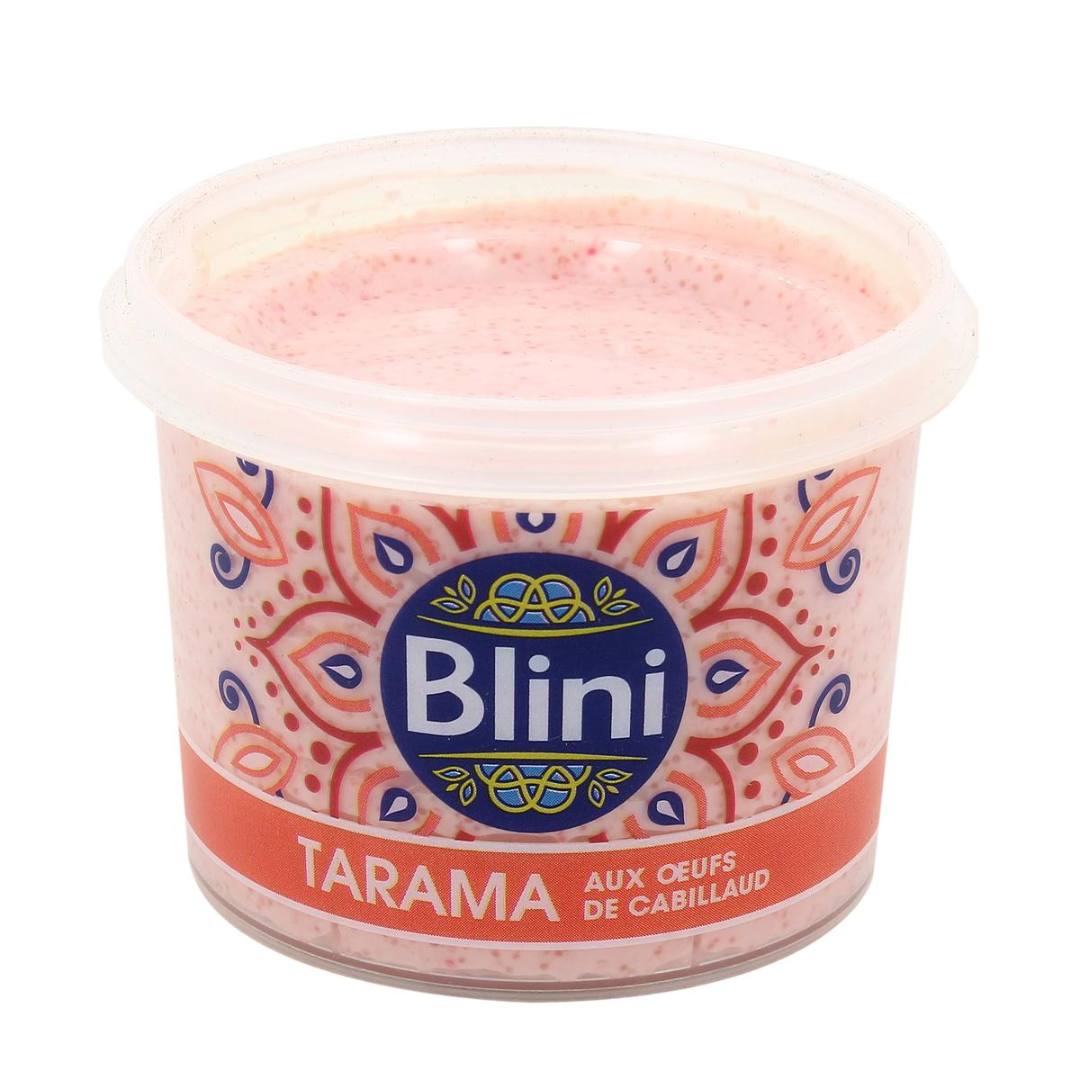
France – Tarama – E.coli

Gov france

Identifying information for the recalled product

  • Product category Food
  • Product sub-category Prepared meals and snacks
  • Product brand name Blini
  • Names of models or references Tarama
  • Product identification
    GTIN Lot Dated
    3292070000029 04214061 Use-by date 01/17/2022
  • Products List Small_store _-_ Taramas_24122021.pdf Attachment
  • Packaging100gr
  • Start date / End of marketing From 12/24/2021 to 01/17/2022
  • Storage temperature Product to be stored in the refrigerator
  • Health mark FR 14.712.042 CE
  • Geographical sales area Whole France
  • Distributors Carrefour Leclerc Intermarché

Practical information regarding the recall

  • Reason for recall Potential presence of Escherichia coli
  • Risks incurred by the consumer Escherichia coli